Financial Compliance and Regulation in Malta
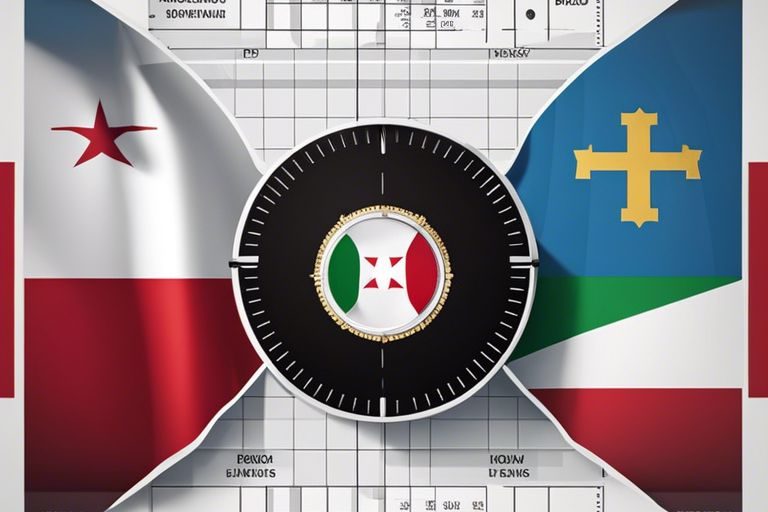
You may have heard about the stringent #financial #compliance and #regulations in #Malta, but do you know the specifics? This comprehensive study researchs into the intricacies of Malta's financial regulatory framework, exploring how it ensures the integrity and stability of the financial sector. From anti-money laundering measures to regulatory supervision, this blog post will provide you with a detailed analysis of the key aspects of financial compliance in Malta.
Overview of the Financial Regulatory Framework in Malta
Historical Development of Financial Regulations
On gaining independence in 1964, Malta began implementing a regulatory framework for its financial sector to enhance stability and integrity. Over the years, the country has continuously upgraded its legislative and regulatory frameworks to align with EU directives and international standards.
Key Regulatory Bodies and Their Roles
Malta boasts a sophisticated regulatory environment overseen by key institutions such as the Malta Financial Services Authority (MFSA), Central Bank of Malta, and the Financial Intelligence Analysis Unit (FIAU). Each plays a vital role in ensuring compliance, supervision, and enforcement within the financial services sector.





















This ensures that financial institutions operate with transparency and integrity, safeguarding Malta's reputation as a reputable financial hub within the European Union. The MFSA acts as the primary regulator, overseeing licensing, conduct supervision, and enforcement actions for financial services providers.
Compliance Requirements in the Financial Sector
Licensing and Operational Guidelines for Financial Institutions
Some key compliance requirements in the financial sector in Malta pertain to the licensing and operational guidelines set for financial institutions. These guidelines ensure that all financial entities operating in Malta adhere to strict regulatory standards to maintain transparency and stability in the industry.
Anti-Money Laundering (AML) and Counter-Terrorism Financing Measures
With the increasing global focus on combatting financial crimes, Malta places significant emphasis on Anti-Money Laundering (AML) and Counter-Terrorism Financing measures. Financial institutions are mandated to implement robust AML policies and procedures to detect and prevent money laundering activities and the financing of terrorism effectively.
Requirements
Requirements for AML compliance in Malta include customer due diligence, ongoing monitoring, record-keeping, and reporting of suspicious transactions. Financial institutions are obligated to conduct risk assessments and implement internal controls to mitigate the risks associated with money laundering and terrorist financing activities.
Impact of EU Directives on Malta's Financial Regulations
Implementation of the Markets in Financial Instruments Directive (MiFID)
While Malta's financial regulations have always aimed at aligning with those of the European Union, the implementation of the Markets in Financial Instruments Directive (MiFID) has further shaped the country's approach to regulating its financial markets.
Influence of the Anti-Money Laundering Directive (AMLD)
One way in which the European Union has significantly impacted Malta's financial regulations is through the Anti-Money Laundering Directive (AMLD). This directive has played a crucial role in ensuring that Malta's financial institutions adhere to stringent anti-money laundering measures, thereby strengthening the overall integrity of the financial sector.
Directive implementation involves thorough monitoring of financial transactions, customer due diligence, and reporting suspicious activities. This helps in combating illicit financial activities and enhancing transparency in Malta's financial landscape.
Challenges and Future Outlook
Current Compliance Challenges for Maltese Financial Institutions
Unlike larger financial hubs, Maltese financial institutions face unique compliance challenges such as adapting to evolving EU regulations while ensuring local laws are met. The need to navigate complex cross-border transactions adds a layer of difficulty.
Predictions and Future Trends in Regulation and Compliance
Future advancements in technology like blockchain and AI are expected to revolutionize compliance processes for Maltese financial institutions. This will entail a shift towards more automated and efficient regulatory compliance systems.
This transformation will require significant investment in technology and staff training to ensure smooth adoption and integration of these advanced solutions.
Summing up
To wrap up, the study on financial compliance and regulation in Malta highlights the country's robust regulatory framework designed to ensure financial stability and protect investors. Through the analysis of key regulations and compliance requirements, it is evident that Malta is committed to upholding high standards in the financial sector. The findings underscore the importance of regulatory compliance for businesses operating in Malta, as well as the significance of ongoing monitoring and adaptation to changing regulations in this dynamic environment.
FAQs
What is the role of the Malta Financial Services Authority (MFSA) in financial regulation?
The MFSA oversees licensing, conduct supervision, and enforcement actions for financial services providers in Malta.
What are the key compliance requirements for financial institutions in Malta?
Compliance requirements include strict adherence to licensing, operational guidelines, and anti-money laundering measures.
How does Malta address anti-money laundering (AML) and counter-terrorism financing (CTF)?
Malta mandates robust AML policies, customer due diligence, and reporting of suspicious transactions to combat financial crimes effectively.
How do EU directives influence financial regulations in Malta?
EU directives like MiFID and AMLD shape Malta's regulatory landscape by aligning with European financial standards.
What are the future trends in financial regulation and compliance in Malta?
Future trends include advancements in technology like blockchain and AI, enhancing efficiency in regulatory compliance.

Michael
With nearly 30 years in corporate services and investigative journalism, I head TRIDER.UK, specializing in deep-dive research into gaming and finance. As Editor of Malta Media, I deliver sharp investigative coverage of iGaming and financial services. My experience also includes leading corporate formations and navigating complex international business structures.
Related Posts


Italy reconsiders gambling ad ban to boost football funding
April 10, 2026


Spring travel trends favor Malta
April 10, 2026