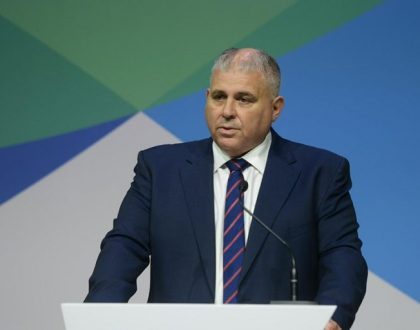
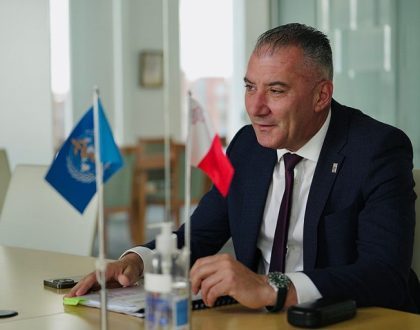
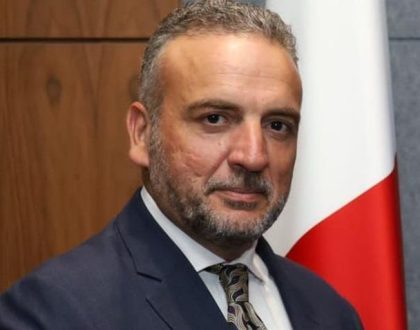
Former trainee appointed to top Malta health boards

The recent appointment of Dr Kumar Santhosh Rajasekeran—a former surgical trainee of Health Minister Jo Etienne Abela—to Malta’s Foundation for Medical Services (FMS) Board of Governors has raised serious questions among senior health officials. The move has been described as a troubling instance of potential political favoritism and conflict of interest, particularly given Dr Rajasekeran’s professional background and rapid career advancement within the Health Ministry.
The Foundation for Medical Services, an agency responsible for delivering public healthcare infrastructure and services in Malta, is mandated to operate autonomously. However, its operations remain under the influence of the Health Ministry, making appointments to its Board of Governors highly sensitive and politically consequential.
From failed surgical exams to executive leadership
Dr Kumar Santhosh Rajasekeran’s rise in the Maltese healthcare system has been unorthodox. After qualifying as a medical doctor from a Latvian university in 2009, he moved to Malta in 2014 and began his surgical training at Mater Dei Hospital. During this period, he trained directly under Jo Etienne Abela, who would later become the Health Minister. However, under Abela’s mentorship, Rajasekeran failed to pass his surgical examinations and did not qualify as a specialist surgeon.





















Despite this setback and a lack of experience in public health administration or executive leadership, Rajasekeran was appointed last year to a newly created position: Chief Executive for Clinical Services within the Health Ministry. The position, according to sources within the ministry, was tailor-made for him. The creation of a bespoke executive role for an individual with no prior management experience is widely seen as unprecedented and controversial.
Conflict of interest within the Foundation for Medical Services
The controversy deepened when Rajasekeran was recently appointed to the Board of Governors of the Foundation for Medical Services. This new role has intensified concerns among stakeholders who believe his simultaneous position as both an employee and a governor of the same foundation presents an undeniable conflict of interest.
One senior health official remarked, “This is a textbook case of a conflict of interest. As an employee of the Foundation, he should be accountable to its leadership. Yet, as a board member, he is in a position to influence the policies and decisions of the same leadership he is supposed to report to.”
Critics argue that his dual role undermines the checks and balances that should exist between an organisation's executive management and its governing board. While it is not illegal for someone to serve both in management and governance within the same institution, in public health systems such arrangements are generally avoided due to their potential to compromise institutional integrity.
Questions over governance, meritocracy, and accountability
The appointment has also reignited concerns over meritocracy within Malta’s public sector. Dr Rajasekeran’s career trajectory—from a failed surgical trainee to a well-compensated senior executive—has prompted accusations of favoritism from within the health administration. A senior hospital official noted, “This isn’t about qualifications anymore. It’s about who you know.”
Health sector insiders revealed that many professionals with extensive administrative experience and proven track records have been overlooked for similar or even lower positions. Meanwhile, Rajasekeran, without demonstrable achievements in health administration, now enjoys a salary reportedly exceeding €80,000—higher than even that of the Permanent Secretary at the Health Ministry.
This figure is likely to rise further due to his multiple board memberships. Besides his role at the Foundation for Medical Services, Minister Abela has also appointed him to the board of management of the state-run elderly care facility, St Vincent De Paul Residence. His growing influence across various state health institutions is drawing increasing scrutiny from professionals and observers alike.
Lack of transparency in public appointments
The opacity surrounding the appointment processes within the Health Ministry is another source of concern. There was no public call for applications or transparent selection process for any of the posts held by Dr Rajasekeran. This lack of transparency undermines public trust in the fairness and integrity of public sector recruitment, particularly in crucial sectors such as healthcare.
An internal memo shared among senior ministry staff reportedly described the appointment as “a political arrangement dressed up as merit-based advancement.” The memo further emphasized the risks such actions pose to institutional morale and public confidence.
Institutional independence under threat?
The Foundation for Medical Services, though formally independent, is facing growing pressure to demonstrate its operational autonomy. The appointment of individuals closely linked to the Minister and lacking in objective qualifications raises questions about the real independence of its board and management.
“The foundation’s role is too important to be politicized,” said a former health policymaker. “It handles strategic projects, oversees major investments in infrastructure, and must remain above partisan considerations.”
The perceived politicization of board appointments has already begun to affect internal decision-making. Sources within the FMS suggest that staff morale is low and fears of political interference are high, particularly when senior appointments appear to be made without due process or consideration of professional credentials.
Broader implications for Malta’s healthcare system
Beyond the immediate issues of conflict and credibility, the appointment of Dr Rajasekeran and others like him have wider implications for Malta’s healthcare system. A health system’s success depends not only on adequate resources but also on robust governance and the trust of its workforce and the public.
When trust in leadership erodes, the system suffers—from delays in project implementation to poor strategic planning and disengaged professionals. The appointment controversy serves as a microcosm of broader challenges confronting public administration in Malta, where the lines between political loyalty and professional competence are increasingly blurred.
Call for reform and transparency
As pressure mounts, calls for reform in the process of public board appointments are growing louder. Stakeholders, including union representatives and policy analysts, are urging the government to establish clear, transparent, and merit-based mechanisms for senior appointments in the public sector.
One suggested reform is the establishment of an independent oversight committee to vet appointments to public bodies, ensuring that candidates possess the requisite qualifications and experience. “We need to move away from patronage and toward professionalism,” a union representative commented. “This is not just about one individual—it’s about how we safeguard the integrity of our institutions.”
Whether the government will respond to these calls remains to be seen. However, the controversy surrounding Dr Rajasekeran’s appointment is unlikely to fade soon, especially as more details emerge and questions of accountability continue to grow louder.
Conclusion
The appointment of Dr Kumar Santhosh Rajasekeran to senior positions within Malta’s health sector—despite his limited administrative experience and failed surgical training—has ignited serious concerns about transparency, governance, and meritocracy in public healthcare management. His dual role within the Foundation for Medical Services exemplifies the risks of overlapping responsibilities and conflicts of interest, particularly when political relationships appear to override professional qualifications.
This situation not only casts doubt on the independence of key health institutions but also risks damaging the morale of professionals who work diligently within the system. As trust in public appointments erodes, so too does the credibility of the health sector itself. For Malta to maintain a strong, effective, and fair healthcare system, urgent reforms are required to ensure that merit and transparency guide all senior-level appointments. Only through such changes can institutional integrity be safeguarded, public confidence restored, and the health sector steered toward a more equitable and professional future.
FAQs
Who is Dr Kumar Santhosh Rajasekeran?
He is a former surgical trainee of Health Minister Jo Etienne Abela and now holds multiple senior positions within Malta's health sector.
What are the concerns surrounding his appointment?
Critics cite conflict of interest, lack of experience, and political favoritism in his rapid rise to executive and board-level roles.
What role does the Foundation for Medical Services play?
FMS is responsible for healthcare infrastructure and service delivery in Malta and is expected to operate independently of political influence.
Why is his dual role controversial?
He is both an employee and a governor at FMS, raising concerns over accountability, transparency, and conflict of interest.
Was there a public recruitment process for his roles?
No. Reports suggest that no open call was made for the positions he currently holds, contributing to criticism of favoritism.
How much is Dr Rajasekeran earning?
He reportedly earns over €80,000 annually—more than the Permanent Secretary of the Health Ministry—with further increases from board roles.
Is this an isolated case?
While this case is particularly prominent, it reflects broader concerns about politicized appointments within Malta’s public sector.
What has the government said in response?
As of now, there has been no official response from the Health Ministry or Minister Abela regarding the controversy.
What are the implications for Malta’s health sector?
The issue has raised fears of declining institutional integrity, reduced morale among professionals, and weakened public trust in governance.
What reforms are being proposed?
Stakeholders are calling for merit-based appointment systems and independent vetting processes to ensure transparency and professionalism.

Anna Amstill
I am an avid Blogger and Writer with more than 6 years of experience with Content Writing. An Online Marketing expert specializing in Blog writing, Article writing, Website content, SEO specific Keyword content and much more. Education B.A. - business management, York University, Canada, Graduated 2016.