















Heritage and Fun at Malta Festivals
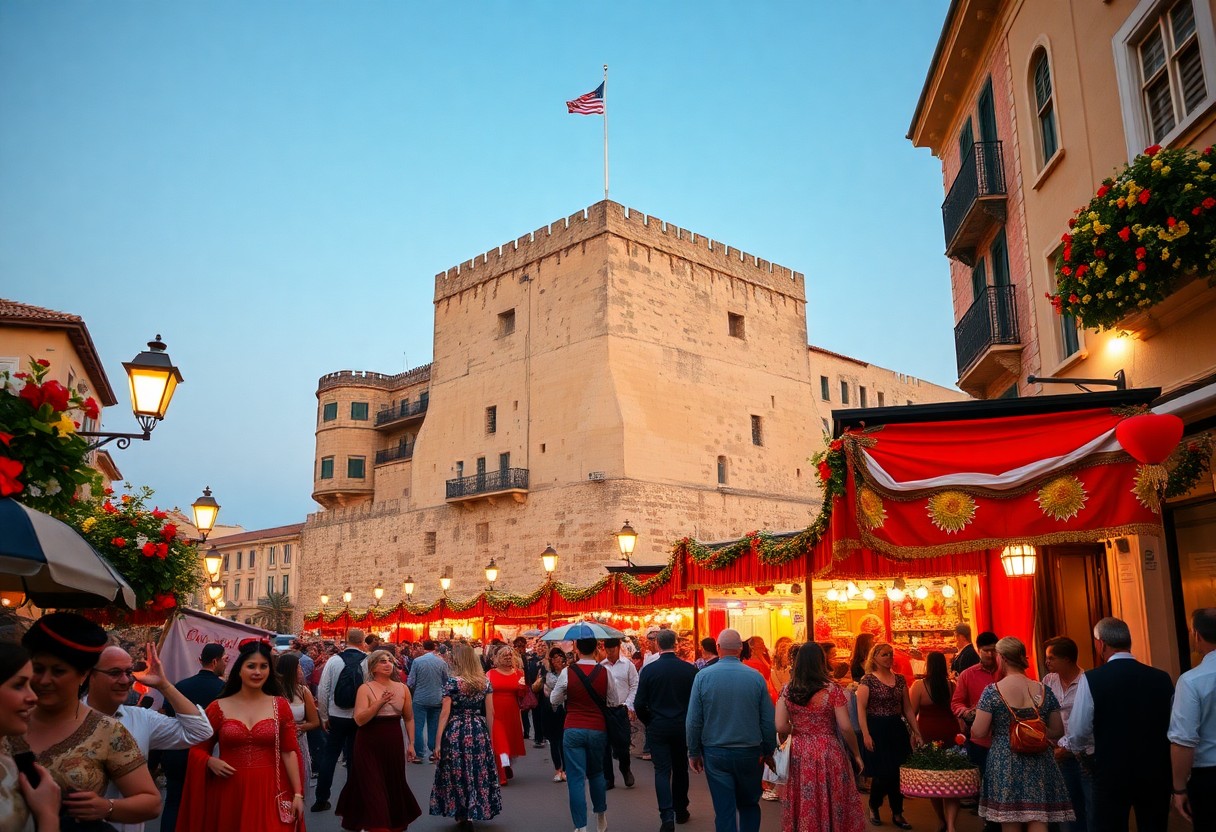
Festivals in Malta encapsulate the island's vibrant culture, yet they also reveal deeper societal tensions within its evolving identity. As Malta transitions from its historical fortifications and colonial legacies to a modern landscape filled with colorful celebrations, the struggles between tradition and contemporary expression become apparent. This blog post explores into the complexities of Malta's identity, exploring how its rich history influences present-day festivals and the challenges they face in uniting an increasingly diverse population. Discover how these events symbolize both unity and division in understanding what it truly means to be Maltese.
Fortifications of the Past: The Pillars of Maltese Resilience
The Origins of Malta's Military Architecture
The military architecture of Malta dates back to the Phoenician and Roman periods, but it was during the Norman and subsequently the Knights of St. John that significant fortifications began to take shape. Notable fortresses such as the Citadel in Victoria and the fortified city of Mdina exemplify intricate design and strategic placement, intended to ward off invaders while protecting local populations. The Knights' influence brought forth defensive structures that embodied resilience and sophistication, showcasing Malta's capacity to adapt to evolving military needs.
Strategic Importance of Forts Throughout History
The forts of Malta served as vital military outposts throughout history, reflecting the island's strategic position in the Mediterranean. Positioned between Europe, North Africa, and the Middle East, Malta was a coveted prize for empires and marauding forces alike. The fortress of Valletta, established after the Great Siege of 1565, became the bastion of European Christian power, successfully repelling Turkish advances and securing maritime routes vital for trade and military logistics.





















In the context of military engagements, Malta's fortifications were central to a number of historic conflicts, including the Napoleonic Wars and both World Wars. The island served as a hospital and supply base during WWII, underlining the importance of its geographical location and robust defensive structures. The bastion walls and strategic vantage points not only sheltered Maltese civilians but also became integral to Allied operations, further solidifying Malta's role as a frontline defense and operational hub in the Mediterranean theater.
Cultural Heritage and National Symbolism
The forts of Malta resonate deeply within the island's cultural heritage, symbolizing courage and endurance against adversity. These architectural marvels have become synonymous with Maltese identity, celebrated in folklore, art, and literature. They embody the national ethos of resilience, standing as silent witnesses to centuries of struggle and triumph throughout the island's tumultuous past.
The towering ramparts and intricate designs of structures such as Fort Saint Angelo and the expansive fortifications of Mdina serve not only as historical relics but also as sites of memory and pride for contemporary Maltese people. They represent an enduring legacy that transcends past conflicts, merging elements of local culture with a broader Mediterranean narrative. Today, these forts are recognized nationally and globally, symbolizing not just military strength but also the rich tapestry of Malta's evolving identity.
The Shift from Strategic Strongholds to Cultural Showcases
Changing Military Needs in the 21st Century
The strategic significance of Malta's fortifications has transformed significantly, particularly as military conflicts have evolved and become more advanced. In the 21st century, the need for traditional strongholds has diminished with the advent of new technologies and warfare strategies. As nations shift focus from ground-based defenses to cyber security and non-territorial conflicts, Malta's forts, once viewed as vital citadels, now find themselves reassigned to roles that reflect modern priorities.
The Transformation of Forts into Historical Attractions
Malta's historic forts have undergone a remarkable transition from military bastions to popular historical attractions, drawing both tourists and locals alike. Some of the most prominent, such as Fort St. Angelo and the Citadel in Victoria, have been meticulously restored, allowing visitors a glimpse into the island's rich military past. Interactive exhibits, guided tours, and cultural events hosted at these sites have enhanced the storytelling of Malta's history, making it accessible and engaging for all ages.
As these military structures repurposed as cultural sites have become focal points for economic activity, their historical narratives have been enriched through partnerships with local artists and historians. For instance, Fort St. Elmo now hosts exhibitions highlighting Malta's maritime history alongside various cultural festivals, encouraging deeper engagement with the island's heritage. This not only preserves the forts' significance but also contributes to the local economy, promoting tourism and community pride.
Festivals as a Catalyst for Community Engagement
Festivals in Malta have emerged as key drivers of community involvement, fostering a sense of identity that transcends traditional boundaries. Events such as the Valletta Film Festival and the Birgu Fest draw huge crowds and celebrate local culture, while also inviting international participation. Through vibrant performances, collaborations, and local culinary experiences, these festivals transform public spaces into platforms for creativity and connection.
The success of festivals acts as a bridge between generations, uniting youth and elders in the celebration of Maltese traditions and contemporary art. For example, the Notte Bianca, an annual arts festival, turns the streets of Valletta into an open-air museum. Residents and visitors alike take pride in showcasing local talent, sparking conversations on Malta's evolving culture and heritage. Through these vibrant gatherings, the past blends with the present, empowering the local community to reclaim their identity while celebrating their storied history.
The Economic Impact of Cultural Festivals
Revenue Generation for Local Businesses
Cultural festivals in Malta have proven to be a financial boon for local businesses, injecting much-needed revenue into the economy. Restaurants, hotels, and shops experience a surge in customers during these events, with many establishments reporting sales increases of up to 30% during festival weekends. Craft vendors and local artisans also benefit by showcasing their goods, fostering a thriving marketplace that supports the community. This influx of activity not only boosts immediate sales but also strengthens the overall economic fabric of Malta.
Tourism Trends: Pre- and Post-Festival Seasons
Festival seasons in Malta create distinctive tourism patterns, with both pre- and post-festival spikes in visitor numbers. During the months leading up to major events like the Malta International Fireworks Festival, hotels often report a sharp rise in bookings as tourists plan their travels around these experiences. Conversely, the weeks following the festivals typically see a natural lull in tourism, as many visitors leave the island. Understanding these trends helps businesses and marketers strategize for optimal engagement throughout the year.
These tourism trends suggest that while cultural festivals indeed attract significant visitor attention, the challenge remains to sustain interest beyond the festival season. The pattern often reveals a need for continuous cultural programming that maintains allure throughout lull periods. Collaborations between local businesses and event organizers can facilitate off-season promotions or activities, ensuring that Malta remains a vibrant destination year-round. By diversifying the cultural offerings, Malta might reduce dependency on festival-driven tourism and encourage longer stays or repeat visits.
The Role of Government in Supporting the Arts
The Maltese government plays a pivotal role in championing the arts, providing financial backing and resources for cultural festivals and related initiatives. Through funding programs and grants, authorities actively incentivize local artists and event organizers to launch projects that highlight Maltese heritage and contemporary creativity. This support not only enhances the quality and ambition of cultural offerings but also ensures a thriving arts scene that appeals to both locals and tourists.
This governmental commitment to the arts is reflected in various initiatives aimed at reducing bureaucratic barriers for artists and promoting public engagement. Additionally, partnerships with cultural organizations and schools help cultivate new generations of artists and audiences alike, reinforcing Malta's identity through its vibrant cultural landscape. Such nurturing of the arts is fundamental for positioning Malta on the global cultural map, promoting sustainability in the economic benefits derived from its festivals and events.
Identity Crisis: Navigating Between Tradition and Modernity
Historical Narratives vs. Contemporary Realities
Malta's identity is often framed by its rich historical narratives, including the influence of the Knights of St. John and World War II. However, these narratives increasingly clash with contemporary realities shaped by globalization and cultural diversification. As tourists flock to the island and expatriates settle, a tension arises between preserving traditional Maltese culture and embracing modern influences, redefining what it means to be Maltese today.
The Role of Education in Shaping National Identity
Education plays a pivotal role in molding Malta's national identity, reflecting both historical perspectives and modern global influences. The Maltese education system incorporates history, arts, and language, fostering a sense of belonging while also encouraging critical thinking about Malta's place in a broader world context.
In schools across Malta, students learn about their heritage through subjects like Maltese history and folklore, which instills pride in their roots. Simultaneously, educational reforms have introduced elements of multiculturalism, emphasizing the importance of understanding diverse viewpoints. This duality not only prepares students for participation in the global community but also allows them to appreciate their unique identity, forging a generation that is both historically aware and forward-thinking.
Public Perception of Malta's Evolving Cultural Landscape
The evolving cultural landscape of Malta has sparked varied public perceptions, often reflecting a blend of excitement and nostalgia. While some celebrate the vibrant artistic movements and modern festivals that showcase contemporary Maltese identity, others express concern about the potential erosion of traditional values and customs.
Recent surveys indicate a growing interest in cultural festivals that fuse traditional Maltese features with modern elements, such as the Valletta Baroque Festival or the Notte Bianca, which attracts thousands annually. Yet, among certain demographics, there is apprehension about commercialization diluting Malta's authenticity. The debate over building the new National Art Museum continues to divide opinions, raising questions about whether such initiatives enhance or hinder the preservation of Malta's historical character. As the nation navigates its identity crisis, the public discourse remains vibrant, highlighting the diverse views on what it means to be Maltese in the 21st century.
Festival Fever: A Calendar Packed with Celebrations
Major Festivals: A Spotlight on Maltese Culture
Maltese festivals encapsulate the island's rich cultural heritage, featuring major events like the Carnival of Valletta and the Feast of St. Julian. These vibrant celebrations showcase traditional music, intricate costumes, and mouthwatering local delicacies, drawing locals and tourists alike. Each festival uniquely reflects Malta's history, with communal participation emphasizing a strong sense of identity and belonging within the tightly-knit communities across the nation.
Diverse Influences: From Local Customs to International Trends
The Maltese festival landscape is a tapestry interwoven with local customs and international influences, creating a dynamic celebration scene. From the unabashed revelry of Carnival to the solemnity of village feasts, each festival reflects not only Maltese traditions but also draws inspiration from global trends, incorporating new elements that resonate with younger generations.
This blend reveals how Malta embraces its multifaceted identity—where traditional tambourine music seamlessly intertwines with electronic beats at contemporary festivals. Additionally, local artisan crafts are paired with international food fairs, offering a cross-cultural experience that appeals to diverse audiences. The outcomes are festivals that not only honor the past but evolve with the present, demonstrating Malta's adaptive spirit through multicultural celebrations.
Community Participation in the Festive Spirit
Community involvement plays a pivotal role in Malta's festivals, transforming celebrations into collective experiences. Local residents often engage as volunteers, artists, and performers, showcasing their talents and dedicating time to organizing events that highlight their unique cultural traditions. This collective effort fosters a strong sense of camaraderie and pride among participants.
The impact of community participation can be seen in the enthusiastic preparations leading up to each festival, where families come together to decorate streets, create floats, and rehearse performances. This grassroots involvement not only enhances the authenticity of festivals but also creates lasting memories that resonate within families for generations, reinforcing the social fabric of Maltese life as they celebrate their shared heritage.
The Role of Social Media in Shaping Maltese Identity
Online Platforms as Modern Storytellers
Social media serves as a dynamic platform for narrating Malta's evolving identity, enabling citizens to share personal stories, local traditions, and cultural events. Unlike traditional media, these platforms foster a grassroots approach to storytelling, where users can connect through hashtags, engaging visuals, and short narratives that depict contemporary life on the island. The prevalence of storytelling on channels like Instagram and Facebook highlights the diverse experiences of the Maltese community, reflecting both pride in their heritage and openness to new influences.
Digital Communities and Real-time Cultural Exchange
Digital communities have emerged as vital spaces for Maltese identity formation, allowing users to create and engage with cultural content in real-time. These online groups not only reinforce traditional customs but also facilitate discussions on how to adapt to modern influences. Encounters with culturally diverse perspectives through social media lead to an enriched understanding of Maltese identity, as users connect with fellow locals and diasporas alike.
This real-time exchange facilitates an immediate feedback loop, allowing users to celebrate local festivals, share culinary experiences, or reflect on social issues affecting the island. For instance, cultural events such as Village Feasts or Carnival celebrations gain international attention when shared online, drawing both locals and tourists into conversations around heritage. Moreover, the Maltese diaspora actively participates by sharing ancestral connections, thus expanding the narrative around what it means to be Maltese in today's globalized society.
The Impact of Globalization on Local Traditions
Globalization influences Maltese traditions in both subtle and overt ways, often reshaping cultural practices and perspectives. With increased connectivity, there is an influx of foreign customs, ideas, and trends that challenge established norms, prompting a dialogue on what aspects of their culture to retain or adapt.
As new cultural elements interweave with local traditions, the result is often a hybrid form of expression that resonates with younger generations. For example, traditional Maltese music has evolved to incorporate international genres, leading to new interpretations that appeal to diverse audiences. On the other hand, there's a push among some groups to preserve core components of Maltese identity, highlighting the delicate balance between embracing modernity and safeguarding traditional practices. This ongoing negotiation signifies both the challenges and opportunities that globalization presents to Malta's cultural landscape.
The Impact of Migration on Maltese Cultural Identity
Historical Perspectives on Migration Waves
Malta's history is marked by waves of migration that have continuously shaped its cultural landscape. In the 19th century, the arrival of the British brought new influences, while post-World War II saw an influx of Italians, and more recently, an increase in migrants from North Africa and the Middle East. Each wave contributed not just to the population but also to the amalgamation of traditions, languages, and culinary practices that define contemporary Malta.
The Integration of New Cultures: Challenges and Opportunities
Integrating new cultures presents a blend of challenges and opportunities for Malta. While adaptation to diverse cultural practices can sometimes spark societal tensions, it also creates avenues for growth. Educational initiatives aimed at fostering cross-cultural understanding are gaining traction, with joint programs promoting shared experiences among locals and newcomers. For instance, collaborations in art and music festivals help to break down barriers and build mutual respect.
Festivals as a Means of Bridging Cultural Divides
Festivals in Malta serve as powerful platforms for cultural exchange, drawing both locals and immigrants into shared celebrations. They highlight the mosaic of traditions that exist within Maltese society and actively encourage participation from all community members. Events such as the Valletta Carnival combine traditional Maltese festivities with influences from various cultures, enabling different backgrounds to collaboratively express their heritage.
By facilitating interactions among diverse groups, festivals not only strengthen community bonds but also promote inclusivity. Local festivals such as the Birgu Fest have traditionally showcased Maltese history, while newcomers contribute their own cultural elements, transforming these events into rich, multicultural tapestries. This evolution exemplifies how shared experiences can foster understanding and appreciation amidst the complexity of Malta's rapidly changing identity, ensuring that the island remains a vibrant and welcoming mosaic of cultures.
The Intersection of Religion and Festival Culture
Feast Days and Their Societal Importance
Feast days in Malta carry great societal significance, intertwining religious devotion with community engagement. These events mark important dates in the liturgical calendar and serve as a focal point for social cohesion, allowing communities to come together in celebration of their shared faith. Each village hosts its own unique feast, often featuring processions, music, and traditional foods, reinforcing local identity and pride while fostering a sense of belonging among residents.
Secular vs. Sacred: A Balancing Act
Navigating the line between secular celebrations and sacred observances is a complex endeavor for Maltese festival culture. Many religious events incorporate elements of secular enjoyment, such as concerts and street parties, which can dilute the spiritual essence that initially defined them. This balancing act reflects broader societal changes as the Maltese grapple with modern values while striving to preserve cherished traditions.
The challenge arises as communities seek to maintain the reverence of religious festivals amidst growing demands for inclusivity and adaptation to contemporary societal norms. For many, the celebration of a saint's feast has transformed from an exclusively spiritual practice into a festival brimming with entertainment and revelry. Saint festivals can attract thousands of attendees—including non-religious participants—blurting the lines between sacred ceremonies and secular festivities. Ultimately, these adaptations offer a glimpse into an evolving cultural landscape that is both rich in tradition and receptive to new interpretations.
Modern Interpretations of Religious Festivals
Modern interpretations of religious festivals are reshaping Malta's cultural identity, as new generations infuse these ancient celebrations with contemporary influences. While traditional elements endure, such as ornate statues and liturgical music, the incorporation of modern technology, diverse artistry, and globalized entertainment signals a cultural evolution. This reflects an ongoing dialogue among residents about how to honor their heritage while embracing innovation.
As Maltese religious festivals evolve, they begin to include a fusion of performances, culinary innovations, and interactive experiences that appeal to a broader audience. For example, some feasts now showcase local artists and contemporary music styles, introducing a modern flair without abandoning core traditions. This delicate balance highlights the generational shifts in societal values and reveals a desire to maintain relevance amidst changing expectations. The challenge lies in ensuring that heritage is not eroded by change but instead enhanced through thoughtful integration of the past and present.
The Unexplored Potential of Emerging Cultural Events
Niche Festivals: Celebrating the Unconventional
Niche festivals in Malta are rapidly gaining traction, highlighting unconventional themes and communities. Events like the Malta Artisan Market and the Malta Aerial Festival showcase local craftsmanship and alternative sports, respectively. These gatherings bring together diverse groups, creating unique experiences that resonate with audiences seeking something different from traditional celebrations.
How Emerging Events Reflect Societal Changes
Emerging cultural events serve as a mirror to the evolving values and attitudes within Maltese society. Festivals focused on sustainability, inclusivity, and modern arts signal a shift toward progressive ideals, highlighting growing environmental awareness and the importance of community engagement in Malta's identity. The rise of such events showcases a blend of old traditions with new perspectives.
Future Trends in Malta's Cultural Calendar
As Malta's cultural landscape evolves, certain trends will shape the future of its festival calendar. Expect a rise in environmentally-focused events, wellness festivals, and tech-based cultural gatherings that embrace the digital age. These trends not only reflect societal interests but also enhance Malta's appeal as a destination for innovative cultural experiences.
With a greater emphasis on sustainability and community well-being, festivals like the Green Malta Festival aim to address pressing issues while attracting a younger audience. Meanwhile, tech-inspired events such as Malta Tech Week illustrate how the fusion of culture and technology can create immersive experiences, further enriching the island's diverse cultural tapestry. As these trends continue to evolve, they will redefine the way Maltese culture is celebrated and appreciated both locally and internationally.
The Environmental Impact of Festivals: A Double-Edged Sword
Sustainable Practices: The Push for Eco-friendliness
Recent years have seen festival organizers in Malta embrace eco-friendly practices, aiming for sustainability while still delivering a vibrant experience. Initiatives like waste separation stations, biodegradable materials, and public transport incentives have become staples at events like the Isle of MTV and Earth Garden. The push for renewable energy sources, such as solar panels and wind turbines, is also gaining momentum, reflecting a genuine effort to align the celebratory atmosphere with environmental responsibility.
Community Responses to Environmental Concerns
As festivals flourish, communities are increasingly vocal about the potential environmental repercussions. From increased littering to noise pollution, residents express concerns over the sustainability of large-scale events. Some local groups have taken it upon themselves to advocate for cleaner practices, organizing campaigns and petitions that target both festival organizers and local government to ensure ecological integrity is maintained, thus sparking a dialogue about the balance between festivity and environmental stewardship.
One notable example is the community initiative “Clean Up Malta,” which emerged in response to widespread dissatisfaction with litter left behind after large festivals. This grassroots movement not only organized clean-up activities post-event but also advocated for stricter regulations on waste management for future gatherings. Engaging local schools and volunteers, the initiative emphasizes collective responsibility, driving home the message that environmental preservation is a community effort that everyone must partake in.
Balancing Festivity with Ecological Responsibility
Finding harmony between the joy of celebration and ecological sensitivity is an ongoing challenge for Malta's festival landscape. Organizers increasingly recognize the need to incorporate sustainability into their planning, yet questions remain about the effectiveness of current measures. Attendance numbers at large-scale events continue to climb, placing further strain on local ecosystems and infrastructure. A balancing act exists between ensuring profitable gatherings and mitigating their ecological footprint.
Successful examples have emerged where organizers collaborated closely with environmental groups to maximize positive impact. Events like the Malta Jazz Festival have begun integrating sustainability workshops within their agendas, educating attendees about waste reduction techniques and promoting local produce. By employing techniques such as minimizing single-use plastics and facilitating partnerships with eco-conscious vendors, festivals can turn the tide and create an experience that celebrates both culture and environmental awareness. This approach ensures that while the revelry continues, efforts to protect Malta's natural heritage remain paramount.
Evolving Narratives: How the Arts Reflect Change
The Role of Visual Arts in Reinventing Maltese Identity
Contemporary visual artists in Malta are actively redefining national identity, often reflecting social issues, migration, and multiculturalism within their work. Through exhibitions and murals, artists like Luke Azzopardi and Christine Cassar challenge traditional narratives, highlighting Malta's complex relationship with its own history and the outside world. Their art speaks to both individual and collective experiences, facilitating dialogues around identity that resonate with diverse audiences.
Performing Arts as a Mirror of Social Dynamics
The performing arts in Malta offer a rich tapestry reflecting societal changes and tensions, as seen in theatre productions and music festivals that address contemporary issues like gender equality and immigration policies. Groups like Teatru Malta and various local musicians incorporate social commentary into their performances, thereby engaging audiences with pressing concerns and fostering a sense of community. This artistic expression not only entertains but also sparks necessary conversations within Maltese society.
Through powerful storytelling and dynamic performances, the performing arts have increasingly become an outlet for marginalized voices. Productions often explore themes such as mental health, social injustice, and cultural heritage, allowing performers and audiences alike to confront difficult topics. With festivals like the Malta International Arts Festival actively showcasing these narratives, an ongoing dialogue is created, highlighting the crucial role of the performing arts in shaping a response to the nation's evolving identity.
Literary Contributions to the National Conversation
The literary scene in Malta serves as a pivotal forum for exploring identity through poetry, novels, and essays. Writers like Immanuel Mifsud and Miriam Gauci weave narratives that reflect the complexities of Maltese life, encompassing its rich traditions and changing demographics. Their works not only entertain but also provoke contemplation and dialogue, offering insights into personal and national identity.
Literature has become a key player in articulating the trials and triumphs of Maltese identity, especially in light of globalization. Through prose and poetry, contemporary authors engage with themes such as cultural displacement and socio-political issues, inviting readers to reflect on their own experiences within the broader context of evolving national identity. Literary festivals, such as the Malta Mediterranean Literature Festival, further amplify these conversations, bridging gaps between generations and backgrounds while fostering a unified narrative of resilience and hope.
Voices from the Ground: Perspectives on Malta's Identity Crisis
Interviews with Local Residents and Artists
Conversations with local artists and residents reveal a kaleidoscope of thoughts on Malta's shifting identity. Many are torn between the allure of modernity and the need to preserve traditional customs. Artists like Josephine Mifsud emphasize how art reflects the soul of Malta, capturing tensions and aspirations. Meanwhile, everyday voices highlight concerns about tourism overwhelming local culture, pointing to a universal desire for authenticity in the face of rapid change.
Generational Differences in Perceptions of Identity
Age plays a significant role in how identity is perceived in Malta. The older generations often hold tightly to traditional customs and values, viewing them as benchmarks of national pride. In contrast, younger Maltese, especially those influenced by global culture and digital connectivity, tend to embrace a more fluid identity, merging local and international influences.
This generational divide grows clearer as younger individuals gravitate towards a more hybrid identity, often prioritizing personal expression over historical norms. For instance, young professionals in Valletta frequently engage in modern art and music that reflect global trends, diverging from older generations who champion Maltese folklore and artisanal crafts. Such differences highlight not only changing personal values but also an evolving national narrative that is redefining what it means to be Maltese in a globalized world.
The Role of Civic Engagement in Shaping Futures
Civic engagement is increasingly recognized as a driving force in redefining Malta's identity. Grassroots organizations and community initiatives are empowering locals to voice their opinions and influence public policy. This engagement fosters a dialogue that navigates the tensions between tradition and modernity, allowing communities to shape their cultural landscape.
In cities like St. Julian's, initiatives aimed at promoting environmental sustainability and preserving historical sites have gained traction, driven by passionate volunteers and activists. These efforts not only highlight the community's commitment to its heritage but also pave the way for a new understanding of identity that embraces progress while staying rooted in local traditions. Engagement from different community sectors ensures that Malta's evolving identity not only reflects the past but also actively shapes a diverse future.
Looking to the Future: Malta's Identity Beyond 2023
Projections for Cultural Evolution in the Next Decade
As Malta approaches the next decade, cultural evolution is anticipated to be driven by technology, tourism, and shifting demographics. The fusion of traditional practices with digital art forms, such as augmented reality installations in historic sites, is likely to redefine local experiences. Additionally, with a growing influx of expatriates and digital nomads, cultural exchanges may invigorate the local arts scene and lead to a rich tapestry of vibrant, inclusive creativity.
The Balance Between Heritage Preservation and Modern Expression
The contemporary Maltese identity must navigate the delicate balance between preserving its rich heritage and embracing modern expression. This involves creating spaces where traditional craftsmanship, architecture, and art coexist with innovative forms, such as street art and performance festivals. Striking this balance requires a collaborative approach, with both community input and creative experimentation at its core.
In practice, this balance is exemplified by initiatives like the Valletta Design Cluster, which fosters collaboration between traditional artisans and contemporary designers. By hosting workshops and exhibitions that feature local craftsmanship alongside cutting-edge design, Malta showcases how heritage can enrich modern expressions. Moreover, events that celebrate both centuries-old customs and avant-garde art can help bridge generational divides, strengthening community ties and encouraging broader participation in cultural dialogue.
Stakeholder Roles in Shaping Malta's Future Identity
Stakeholders, including government bodies, cultural institutions, and local communities, play vital roles in shaping Malta's evolving identity. Policy frameworks that prioritize cultural investment, alongside grassroots efforts from artists and residents, are important for a cohesive identity that resonates with both locals and visitors. Collaboration among these different actors can be instrumental in creating a vibrant cultural landscape that reflects a multitude of voices.
Government initiatives, such as the Cultural Strategy for 2023-2030, aim to promote inclusivity while funding public art projects and cultural festivals that represent diverse narratives. Meanwhile, local organizations and NGOs contribute by advocating for community-led projects that preserve Maltese traditions. Through this collaborative framework, Malta can harness the unique perspectives of its stakeholders to craft an identity that honors the past while embracing contemporary influences, ultimately paving the way for a dynamic cultural future.
Conclusion
On the whole, Malta's journey from its fortified past to a vibrant festival culture reflects a complex evolution of identity shaped by historical influences and modern aspirations. As the island grapples with the balance between its rich heritage and contemporary expressions, it highlights the challenges and opportunities of preserving cultural significance amidst rapid change. This ongoing transformation not only enriches Malta's social fabric but also redefines its role in the global cultural landscape, showcasing the resilience and adaptability of its people.
FAQs
What makes Maltese festivals unique?
Maltese festivals blend historical traditions with modern influences, featuring music, local cuisine, and community participation.
Which are the major festivals in Malta?
Key festivals include the Carnival of Valletta, Feast of St. Julian, Valletta Film Festival, Notte Bianca, and the Malta International Fireworks Festival.
How do festivals impact Malta’s economy?
Festivals boost local businesses, increase tourism, and create revenue for restaurants, shops, hotels, and artisan vendors.
What role do Malta’s forts play today?
Historic forts like Fort St. Angelo and Mdina are now cultural attractions, hosting exhibitions, guided tours, and festivals.
How does the government support cultural events?
The Maltese government provides funding, grants, and organizational support to artists and festival organizers, promoting heritage and contemporary arts.
How do festivals foster community engagement?
Residents participate as volunteers, performers, and artisans, strengthening social bonds and local pride during celebrations.
What influence does social media have on Maltese culture?
Social media enables real-time sharing of traditions and festivals, connecting locals, tourists, and the diaspora while shaping national identity.
How is Maltese culture adapting to modern trends?
Traditional music, crafts, and feasts are integrating global influences, creating hybrid cultural expressions that appeal to younger generations.
Do festivals in Malta have educational value?
Yes, festivals help educate locals and visitors about Malta’s history, traditions, and heritage, fostering cultural understanding across generations.
What challenges do Maltese festivals face today?
Challenges include balancing tradition with modernity, managing commercialization, sustaining tourism year-round, and embracing multicultural influences.

Paula Nancy
Hello and Welcome to my profile. I'm a UK based entrenched full-time Blogger, Journalist, columnist and a certified writer with many years of sound writing experience. If you need a high-quality and original content, I'm here to provide you with the best writing services.
Related Posts
Malta luxury travel demand rises
April 11, 2026

Spring travel trends favor Malta
April 10, 2026
Malta welcomes older travellers
April 9, 2026
Malta’s heritage in spring
April 8, 2026
Malta spring tourism campaigns
April 7, 2026
Spring travel lifts Malta operators
April 6, 2026
Spring culture fuels Malta tourism
April 4, 2026
Airbnb demand rises in Malta spring
April 3, 2026

Spring tourism drives Malta’s rentals
April 2, 2026