Foundation for Affordable Housing meets scrutiny in Malta

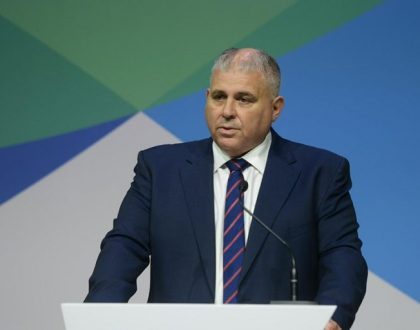
One of Malta’s most prominent construction figures, Anton Camilleri, popularly known as Tal-Franciz, has become a central player in a contentious initiative to develop publicly owned land into ‘affordable housing’. Camilleri, renowned for his large-scale private developments including the ongoing transformation of St George’s Bay through his Villa Rosa mega-project, is now among seven bidders competing for government-subsidised plots through a scheme administered by a Government-Church Foundation.
The initiative has sparked concern due to its opaque procedures, unusual structure, and the potential for substantial profits by private contractors using publicly owned land. It has raised broader questions about transparency, governance, and the alignment of public policy with social welfare objectives.
Background of the Foundation for Affordable Housing Initiative
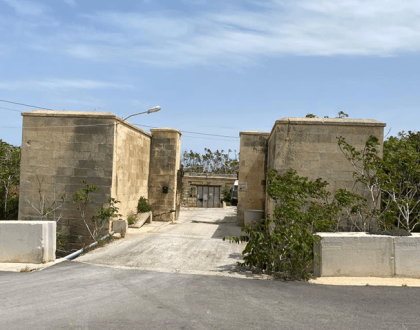
The Foundation for Affordable Housing (FAH) announced in a brief press statement that seven developers have submitted proposals to develop four large plots of public land into hundreds of apartments. These plots are located in strategic areas including St. Julian’s, Kirkop, Fgura, and Marsascala, regions where housing demand remains high and private market prices are largely unaffordable for many residents.





















The initiative represents a shift from the longstanding practices of Malta’s Housing Authority, which traditionally managed social housing projects in a more direct manner, either through government-led construction or public-private partnerships with clearly defined social objectives. Instead, the Foundation’s scheme enables private contractors to acquire public land, develop residential units, and sell them to qualifying buyers at discounted rates pre-agreed with the Foundation.
This approach, critics argue, potentially allows developers to realise higher profit margins than conventional land purchases, while the government assumes limited responsibility for price enforcement or ongoing affordability measures.
The Controversial Bidder List
According to sources familiar with the process, some of Malta’s most prominent construction figures have submitted proposals. Anton Camilleri, Tal-Franciz, is competing alongside other influential developers:
- Bonnici Brothers, known for their established connections with Prime Minister Robert Abela.
- Carlo Stivala, who has recently separated from his family’s ST Group.
- Schembri Barbros, a recognised developer with previous experience in residential projects.
- Vassallo Builders, part of the larger Vassallo Group.
- Green Buildings Solutions Ltd, represented by Rhys Lee Buttigieg.
- JAJ Contractors Ltd, represented collectively by Mario Mercieca, Andre Cremona, and Justin Sammut.
Notably, the Foundation has yet to disclose the identities of those involved in Eclipse JV, the only consortium that has submitted a separate offer. The lack of transparency regarding both individual bidders’ intentions and consortium members has fueled suspicions regarding the initiative’s fairness.
Lack of Transparency Raises Concerns
The Foundation has declined to provide further details regarding which companies are proposing projects for specific plots, the scale of construction planned, or the expected number of apartments per location. Requests for clarification submitted by independent media have gone unanswered, leaving critical questions regarding transparency and accountability.
Critics have highlighted that the process deviates significantly from traditional public housing initiatives, in which project objectives, selection criteria, and financial models are typically shared with the public to ensure fairness and oversight.
Furthermore, the potential involvement of developers with political or personal connections to senior government figures has raised concerns over conflicts of interest and undue influence.
Legal and Regulatory Implications
The scheme has prompted scrutiny from multiple quarters, including the Malta Development Association (MDA). In an unusual display of public dissent, the association filed a judicial protest last week calling for the withdrawal of the initiative. The MDA, which normally maintains a cooperative relationship with the Labour administration, argued that the scheme:
- Lacks transparency in its design and execution.
- Appears anti-social, prioritising developer profits over genuine affordable housing needs.
- Risks breaching EU state aid regulations due to potential indirect subsidies for private contractors.
- Could be anti-competitive, favouring a select group of companies.
- Suggests pre-arranged arrangements with specific contractors.
The association explicitly criticised Housing Minister Roderick Galdes, alleging that his promotion of the scheme destabilises the housing market while serving private interests.
In response, the government and the Curia have defended the initiative, framing it as a pioneering approach to address Malta’s long-standing housing affordability crisis. Supporters argue that leveraging private sector expertise can accelerate the delivery of housing units and reduce costs compared to fully public construction projects.
Market Implications and Potential Benefits
Despite the controversy, the Foundation’s initiative could have tangible benefits if executed effectively. The four parcels of land under consideration are projected to accommodate approximately 260 apartments, which will be offered at below-market rates to qualifying buyers.
If the scheme operates transparently, it could enable individuals currently priced out of the private housing market to access properties in strategic locations. Additionally, the involvement of established developers may ensure higher construction quality and timely project delivery compared to typical public sector projects.
However, the profit margins for selected developers may significantly exceed those achievable through ordinary land acquisition, raising questions about whether public funds and assets are being optimally utilised for social purposes.
Stakeholder Reactions
The initiative has provoked a variety of reactions across political, industry, and civil society groups:
- Prime Minister Robert Abela and the Curia continue to defend the scheme as a necessary intervention in the housing market.
- Malta Development Association (MDA) has filed a judicial protest and may pursue further legal action.
- Independent media outlets have requested more transparency regarding project proposals, developer selection, and pricing mechanisms.
- Housing advocates have expressed concern that the scheme prioritises private profits over genuine social housing needs.
Industry observers warn that the combination of political connections, opaque selection processes, and lucrative potential profits could generate reputational risks for all parties involved if any aspect of the initiative appears biased or unfair.
International and Historical Context
Malta’s housing affordability crisis is part of a broader regional trend affecting southern Europe, where rapidly rising property prices have placed increasing pressure on middle- and low-income households. Government-led affordable housing initiatives, particularly those involving public-private partnerships, have often faced scrutiny over transparency, procurement fairness, and long-term social impact.
In this context, the Foundation’s initiative is not unique, but its structure—allowing private developers to directly profit from discounted public land—represents a significant departure from traditional social housing practices in Malta.
Possible Legal Challenges
The filing of a judicial protest by the MDA indicates the potential for prolonged legal disputes over the initiative. Legal experts suggest that challenges could revolve around:
- Compliance with EU state aid regulations.
- The transparency of the selection process.
- The legality of selling public land at reduced prices to private contractors.
- Allegations of preferential treatment toward certain developers.
The outcome of any legal challenges could set a precedent for future public-private housing projects in Malta, affecting both policy and investor confidence in the sector.
Conclusion
The Foundation for Affordable Housing’s initiative represents an ambitious but highly controversial attempt to address Malta’s housing challenges. While the scheme could deliver hundreds of new, below-market apartments to struggling buyers, its opaque management and the involvement of politically connected developers have raised serious concerns regarding fairness, transparency, and compliance with regulatory standards.
As the situation evolves, public scrutiny, judicial interventions, and political debate are likely to shape both the immediate outcomes and the long-term approach to affordable housing policy in Malta. The initiative’s success—or failure—may have significant implications for public trust, market stability, and the relationship between private developers and government institutions.
FAQs
What is the Foundation for Affordable Housing initiative?
It is a government-Church Foundation project aimed at developing public land into affordable housing units through private developers.
Who is Anton Camilleri, also known as Tal-Franciz?
Anton Camilleri is one of Malta’s largest construction contractors, known for high-profile projects including the Villa Rosa development in St George’s Bay.
How many developers are bidding for the project?
Seven companies and consortia have submitted proposals to develop four plots of public land.
Where are the plots located?
The plots are located in St. Julian’s, Kirkop, Fgura, and Marsascala.
How many apartments are planned?
Approximately 260 apartments are expected to be built under the initiative.
Why is the initiative controversial?
Critics cite a lack of transparency, potential political influence, and significant profits for private developers using public land.
What legal actions have been taken?
The Malta Development Association filed a judicial protest calling for the withdrawal of the initiative and may pursue further court action.
Who defends the initiative?
Prime Minister Robert Abela and the Curia have publicly supported the project.
What is the expected benefit for the public?
If successful, the initiative could provide below-market-rate housing to individuals struggling to access the private housing market.
Could the initiative affect Malta’s housing policy?
Yes, legal outcomes and public debate surrounding this project could influence future affordable housing strategies and public-private partnerships.

Ash
I like to keep it short. I am a writer who also knows how to rhyme his lines. I can write articles, edit them and also carve out some poetic lines from my mind. Education B.A. - English, Delhi University, India, Graduated 2017.