Free public transport expands routes in Malta
Malta's Parliament recently held a heated discussion during the financial estimates review for the Ministry of Transport, Infrastructure, and Public Works. The debate underscored critical transportation issues facing the country and presented contrasting perspectives on addressing them. Minister Chris Bonett and members of the Opposition sparred over Malta’s transportation strategy, investment in infrastructure, and the Government’s delivery on promises.
Free Public Transport Gains Momentum
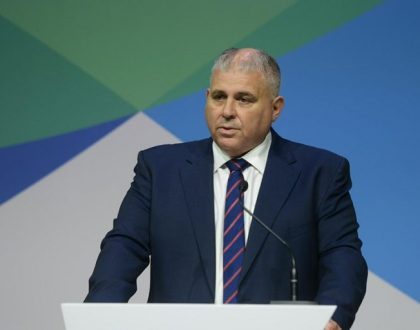
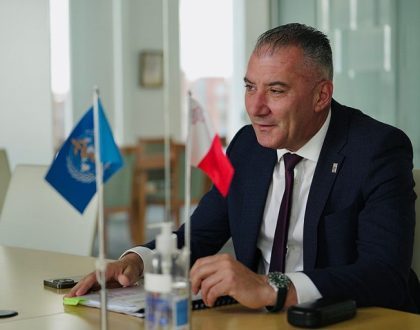
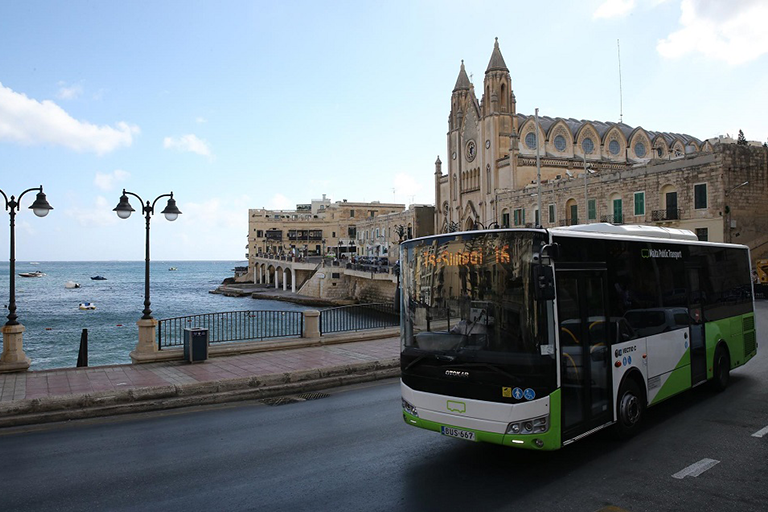
Minister Chris Bonett opened the session by highlighting the success of Malta’s free public transport initiative. Since its launch, free public transport has gained widespread popularity among citizens, marking Malta as the second EU nation to offer such a service. Starting December 1, the frequency of buses on high-demand routes, especially those connecting southern regions like Fgura and Qajjenza to northern hubs like Mosta, Burmarrad, and San Pawl il-Baħar, will be increased.
Minister Bonett emphasized that this decision reflects the Government's commitment to enhancing urban mobility and easing commuting challenges. Complementing these efforts, sea transport has also seen a surge in popularity, with ferry usage growing significantly in the first nine months of the year. The Government is now exploring expanding ferry services to include Marsaskala, further integrating sea travel into Malta’s mass transport network.





















Opposition Criticism: A Call for Mass Transport Solutions
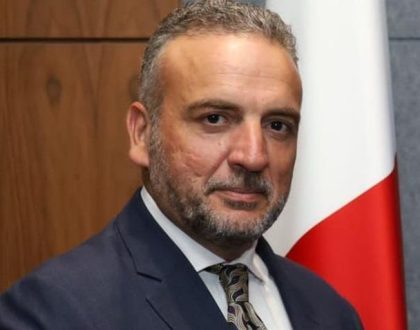
Shadow Minister Mark Anthony Sammut delivered a scathing critique of the Government’s transport policies, accusing it of underestimating Malta’s rapid population growth. Citing the 2016 national transport strategy, Sammut pointed out that Malta’s population was projected to reach 475,000 by 2050, a figure surpassed in 2017. He argued that this miscalculation has exacerbated traffic congestion, increased commute times, and led to insufficient enforcement of traffic regulations.
Sammut also criticized the Government for missing its road safety targets. Despite a commitment to halve road fatalities by 2030 compared to 2014 levels, fatalities have instead risen. He highlighted the strain on Malta’s roads caused by the issuance of 33 new driving licenses and the registration of over 60 new vehicles daily. This rapid growth, he argued, makes the absence of a comprehensive mass transport system even more glaring.
Infrastructure Mismanagement and Unfulfilled Promises
Shadow Minister Joe Giglio took aim at the Government’s infrastructure management, pointing to poorly coordinated roadworks that cause inconvenience and lead to rapid road deterioration. He argued that better project management and planning are crucial to minimize public disruption.
The Opposition also criticized the Government for failing to deliver on promises made in the 2025 Budget. Sammut highlighted the unfulfilled pledge to install 1,200 electric vehicle charging pillars by 2021, noting that only 372 have been installed to date. The “Vjal Għal Kulħadd” initiative, designed to improve accessibility in collaboration with local councils, excluded Gozo, leaving the island’s residents without comparable benefits.
Government's Defense: Record Investment and Sustainability
Parliamentary Secretary for Public Works Omar Farrugia defended the Government’s record, highlighting substantial investments in infrastructure projects across Malta and Gozo. He pointed to initiatives aimed at creating green and open spaces, which he said enhance residents’ quality of life. Farrugia also emphasized efforts to regenerate underused areas, such as those in Siġġiewi and Żebbuġ, and collaboration with the University of Malta to ensure projects prioritize public well-being.
In support of sustainability, Farrugia announced a €10 million investment through 54 agreements with local councils in various localities. An additional €3 million will fund the installation of 374 solar-powered infrastructures in 20 local councils, reflecting the Government's focus on environmentally friendly development.
A Vision for Cohesive Urban Mobility
Minister Bonett reiterated the Government’s commitment to a €700 million investment program aimed at upgrading 1,300 residential streets, with completion expected by the end of next year. He emphasized that these upgrades are part of a broader vision to enhance urban mobility through an integrated transport system.
As part of this strategy, ongoing efforts are being made to regulate Y-plate vehicles, ensuring taxis, buses, and ferries work together seamlessly. Bonett explained that the goal is to establish a cohesive mass transport system aligned with Malta’s long-term transportation vision.
Looking Ahead: Challenges and Opportunities
While the Government lauds its achievements, the Opposition maintains that fundamental issues remain unresolved. Malta’s rapid population growth and increasing vehicle registrations continue to strain the transport infrastructure. The Opposition’s call for a shift toward mass transport solutions highlights the need for long-term planning and innovative approaches to reduce congestion and enhance mobility.
As the debate continues, one thing is clear: Malta’s transportation challenges require bold decisions and collaborative efforts. The road ahead must balance immediate needs with sustainable development to ensure that Malta remains a vibrant and accessible nation for its residents.
Conclusion: A Crossroads for Malta's Transport Future
Malta stands at a critical juncture in its transportation journey, facing both significant achievements and pressing challenges. The success of free public transport and rising adoption of sea travel are commendable milestones, reflecting the Government’s efforts to modernize mobility. However, criticisms from the Opposition highlight gaps in long-term planning, such as insufficient mass transport investment, unmet road safety targets, and overlooked infrastructure needs in Gozo.
The debate underscores the urgency of balancing Malta’s rapid population growth with sustainable transport solutions. As traffic congestion worsens and vehicle registrations soar, the need for a comprehensive mass transport system becomes increasingly evident. Beyond infrastructure improvements, the Government must focus on delivering promised projects, enhancing regulatory frameworks, and ensuring equitable benefits for all regions, including Gozo.
By fostering collaboration and maintaining a forward-looking approach, Malta has the opportunity to transform its transport challenges into a model of innovation and sustainability. A unified effort will ensure that future generations inherit a transport network capable of supporting a thriving and accessible nation.
FAQs
What are the recent improvements in Malta's public transport system?
Malta has increased the frequency of buses on major routes and seen a rise in ferry usage as part of efforts to enhance public transport.
Why is Malta’s transport strategy under criticism?
Critics highlight inadequate mass transport investments, rising road congestion, and unmet road safety targets.
How has Malta's population growth impacted its transport infrastructure?
Rapid population growth has increased vehicle registrations, straining Malta’s roads and highlighting the need for mass transport solutions.
What sustainability measures is Malta implementing in transport?
The Government is investing in solar-powered infrastructure and green spaces to promote environmentally friendly development.
What is the Government's record investment in infrastructure?
Malta is undertaking a €700 million program to upgrade residential streets and improve urban mobility.
Why is Gozo excluded from certain transport initiatives?
The Opposition claims that Gozo has been overlooked in initiatives like the “Vjal Għal Kulħadd” program, creating inequality.
How does the Government plan to regulate transport services?
Efforts are underway to integrate taxis, buses, and ferries into a cohesive transport system, improving overall regulation.
What are the challenges facing Malta’s road safety goals?
Rising fatalities and insufficient enforcement have hindered progress toward halving road fatalities by 2030.
What is the role of sea transport in Malta’s strategy?
Sea travel is being integrated into Malta’s transport system, with plans to extend ferry services to Marsaskala.
How is the Government addressing abandoned spaces?
Initiatives in Siġġiewi and Żebbuġ aim to regenerate underused areas for community benefit.

Ash
I like to keep it short. I am a writer who also knows how to rhyme his lines. I can write articles, edit them and also carve out some poetic lines from my mind. Education B.A. - English, Delhi University, India, Graduated 2017.