Frozen crypto assets – court battles expose legal gaps
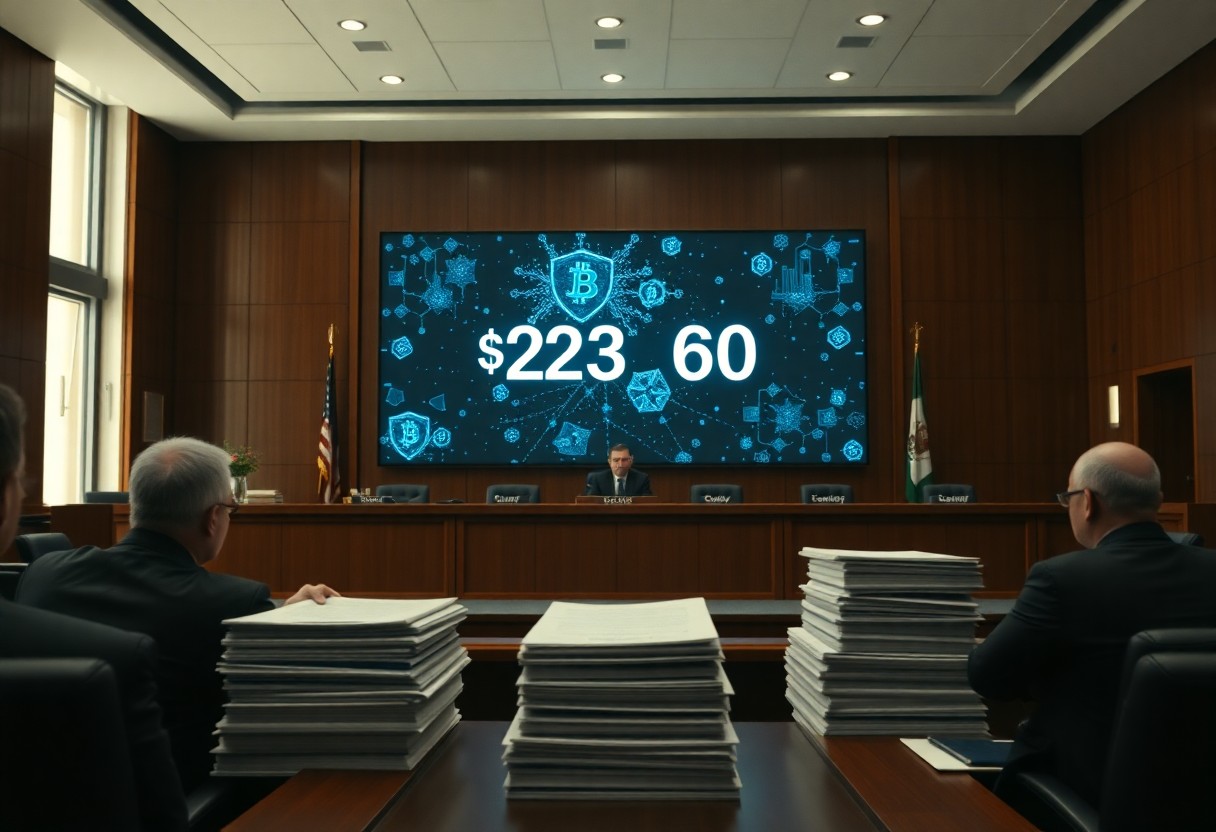
Many investors are grappling with the implications of frozen cryptocurrency assets, as recent court battles have brought to light significant legal ambiguities in the handling of digital currencies. These cases underscore the challenges faced by individuals and institutions alike when it comes to asset recovery, regulatory compliance, and the protection of rights in a rapidly evolving crypto landscape. As courts navigate these disputes, understanding the existing legal frameworks becomes necessary for stakeholders aiming to safeguard their investments and adapt to the complexities of digital asset management.
The Legal Labyrinth: Navigating Crypto Regulations
Current Regulatory Frameworks Around Digital Assets
Regulatory frameworks surrounding digital assets are often fragmented and inconsistent across jurisdictions. In the U.S., for example, the Securities and Exchange Commission (SEC) treats many cryptocurrencies as securities and applies its regulations accordingly. This approach can conflict with definitions and treatments in other countries, like Japan, where digital currencies are categorized more as property. The lack of a unified global standard leads to confusion for investors and can deepen legal vulnerabilities as different nations adapt their frameworks at varying speeds.
Recent developments indicate a drive towards more robust oversight, yet the specific mechanisms can vary significantly. The European Union's Markets in Crypto-Assets (MiCA) framework aims to create a harmonized regulatory approach across member states. It expects to provide clarity on the classification of cryptocurrencies, ensuring that issuers and service providers adhere to compliance standards. However, while such frameworks present an avenue for legality, they do not eliminate uncertainties, especially regarding existing assets that may fall into regulatory gray areas.





















Cross-Border Challenges: Jurisdiction and Enforcement Issues
Cross-border disputes in the crypto space raise complex jurisdiction and enforcement dilemmas that traditional legal frameworks struggle to address. The anonymity and decentralized nature of cryptocurrencies allow for transactions to occur without a clear trace to a specific jurisdiction. When a dispute arises, things become intricate as parties may reside in differing countries with no direct legal agreements governing crypto transactions. For instance, in cases where assets are frozen, the lack of coherent international protocols on crypto asset ownership complicates legal recourse.
Challenges with enforcing judgments across borders pose significant hurdles. A U.S. court might rule in favor of a plaintiff seeking reclamation of frozen assets, but enforcing that judgment in, say, a country with entirely different crypto regulations—or none at all—can be nearly impossible. Recent cases have highlighted these pitfalls, as courts have found themselves unable to effectively manage asset recovery across borders, leading to frustrations for investors caught in the regulatory crossfire. Ultimately, the evolving legal landscape for digital assets necessitates adaptability from all entities involved, yet the future remains uncertain as technologies and regulations continuously change.
Frozen Assets: What Does It Mean for Investors?
Defining Frozen Crypto Assets: A Legal Perspective
Frozen crypto assets refer to digital currencies that an authority has rendered inaccessible to their rightful owner, usually as a result of a legal dispute or regulatory action. This restriction may occur due to allegations of fraud, criminal activity, or compliance issues with anti-money laundering laws. As traditional financial assets can be frozen by court orders or regulatory bodies, the complexity of decentralized cryptocurrencies has introduced a new layer of legal ambiguity. In many jurisdictions, the lack of clear regulations surrounding cryptocurrency ownership and transactions means that investors may find their funds locked without specific legal recourse.
Instances of court rulings leading to frozen crypto assets are becoming more common, revealing the weaknesses in legal frameworks designed to address the unique nature of digital currencies. For example, a prominent case in 2022 involved a cryptocurrency exchange that was ordered to freeze accounts suspected of being linked to a hacking incident. The ruling raised questions about asset custody, how jurisdiction applies to blockchain transactions, and what rights owners have when their assets are suddenly unavailable.
The Mechanisms Behind Asset Freezing
Freezing assets in the cryptocurrency space typically involves a mix of technical and legal maneuvers. A court order may target specific wallet addresses, prompting exchanges to suspend access to those accounts. In cases involving civil seizures, law enforcement agencies can issue orders that require platforms to implement restrictions on transactions stemming from particular wallets. Though each jurisdiction has its specific procedures, the underlying premise remains the same: without a robust framework guiding the freezing process, ambiguities can arise, leaving investors helpless in reclaiming their funds.
The implications of freezing assets can be dire for investors, especially those who rely on their crypto holdings for liquidity or investment diversification. With the volatility of cryptocurrencies, a sudden freeze may mean missing out on profitable opportunities or incurring losses. The technological aspect adds further complexity; many decentralized platforms do not have customer support structures akin to traditional finance, complicating resolution processes. This scenario emphasizes the importance of understanding not just the potential risks of investing in cryptocurrencies, but also the legal environment governing these assets. Investors must remain vigilant and proactive in safeguarding their holdings against possible freezes, particularly as cases continue to emerge and generate discourse around regulation and consumer protection.
High-Stakes Legal Showdowns: What's at Stake?
Notable Cases in Crypto Asset Freezing
In recent years, several high-profile cases have underscored the contentious nature of frozen crypto assets. A notable instance occurred in 2020 when the United States Department of Justice successfully froze approximately $1 million worth of Bitcoin belonging to an alleged fraudster who was believed to be operating a phishing scheme. In this case, law enforcement faced significant challenges in the identification of asset ownership, raising questions about the rights of individual asset holders versus the state's ability to secure potential evidence for criminal proceedings. This case exemplified the conflicts stemming from ambiguous legal frameworks concerning the identification and control of digital assets in instances of criminality.
Another significant case emerged in early 2021, when a U.S. court ruled that the assets frozen as part of a civil suit against a blockchain technology firm were not exclusively under the jurisdiction of the firm itself due to the decentralized nature of cryptocurrency. This marked a pivotal moment in the judicial landscape for digital assets, setting a precedent for how courts may treat ownership rights in decentralized ecosystems. Such rulings may indeed affect how exchanges will manage frozen assets, and whether they will be held liable should disputes arise.
Implications for Stakeholders: Investors, Exchanges, and Regulators
The implications of these legal battles extend across multiple stakeholders in the cryptocurrency ecosystem. Investors may find themselves without access to their assets during prolonged legal processes, raising concerns over liquidity and potential losses. These situations can breed uncertainty about the security of digital assets in general, potentially deterring new investments. Exchanges, on the other hand, must navigate regulatory compliance while maintaining user trust. For them, the risk of legal repercussions related to asset freezes can impact their operational strategies, leading to increased scrutiny and operational costs.
Regulators face their own challenges, as these legal disputes highlight the need for clearer legislative frameworks surrounding frozen crypto assets. With evolving technology outpacing the law, regulators must adapt to ensure consumer protections are in place without stifling innovation. The outcome of these cases not only influences judicial interpretations but sets the tone for future regulatory approaches, particularly regarding asset ownership and transferability. As the stakes continue to rise, collaboration among stakeholders may be crucial to forge a path forward that balances enforcement and innovation while protecting the rights of investors.
Shifting Sands: The Evolving Nature of Cryptocurrency Appeals
Key Legal Precedents That Shape Current Practices
In recent years, several landmark cases have defined the legal landscape surrounding cryptocurrency assets. Notably, the case of *SEC v. Ripple Labs* set a significant precedent regarding the classification of cryptocurrencies as securities. The court's decision to treat XRP as a security, at least partially, has led to broader implications for how various cryptocurrencies are regulated and monitored. This has encouraged other regulators worldwide to take a closer look at their own legal definitions, prompting a re-evaluation of existing frameworks. Such precedents not only shape current legal practices but also affect compliance costs and the risk assessments undertaken by crypto businesses.
Additionally, the *CFTC v. Virtual Currency Terms* case underscored the importance of regulatory clarity and consumer protection. The ruling confirmed that market manipulation and fraudulent practices in the cryptocurrency sphere would not go unpunished, paving the way for more robust oversight and potentially stricter regulations in future rulings. With these landmark decisions in place, legal entities and investors have begun to establish frameworks that adapt to the evolving nature of cryptocurrency, creating a more secure environment for trading and investing.
Unforeseen Consequences for Future Litigation
The dynamic nature of cryptocurrency law presents a unique challenge for future litigation, as courts grapple with cases that have implications beyond the immediate dispute. For instance, the increasing involvement of regulatory agencies, such as the SEC and CFTC, can lead to a rush of conflict between regulatory compliance and the rapid innovation typical of the crypto market. This friction might result in additional legal disputes and a backlog of cases as parties seek clarity on the regulatory ramifications of their actions. The outcomes of such disputes could further influence other jurisdictions' approaches and create fragmentation in legal doctrine regarding digital assets.
Furthermore, as more firms and individuals interact with cryptocurrency, the legal precedents set today may drive unanticipated changes in how similar cases are litigated in future. For instance, outcomes in landmark cases may inspire lawsuits that leverage established legal principles in entirely new contexts, such as decentralized finance (DeFi) platforms or cryptocurrency marketplaces. The influence of these precedents will likely extend not only to businesses but also to personal investors, as questions arise about liability, responsibility, and accountability in an increasingly interconnected ecosystem.
The complex relationship between evolving legal interpretations and emerging cryptocurrency technologies sets the stage for potential upheaval in the legal arena. As jurists and lawyers adjust to the rapid pace of innovation, there's an expectation for ongoing litigation that might challenge existing legal frameworks. This could include jurisdictional disputes, varying interpretations of asset ownership, and the applicability of existing financial regulations to upcoming technologies like NFTs or smart contracts.
Bridging the Gap: Proposed Solutions to Legal Issues
Strategic Recommendations for Lawmakers
Lawmakers need to adopt a proactive approach when addressing the legal ambiguities surrounding frozen crypto assets. Establishing clear regulatory frameworks that differentiate between ownership, custody, and control of digital currencies can significantly reduce the prevalence of legal disputes. For example, incorporating provisions that outline the visibility and accountability of crypto exchanges and custodians can enhance investor protection. Regulators in countries like Switzerland have already initiated this process by introducing legislation that clarifies the legal status of cryptocurrencies, providing a roadmap that other jurisdictions could replicate.
Furthermore, creating mechanisms for rapid dispute resolution, such as a dedicated arbitration body for crypto asset conflicts, would alleviate some pressure from courts and provide a more efficient pathway for investors seeking to reclaim their frozen assets. Such measures could include specifying the criteria for asset recovery and establishing timelines to expedite these processes, as seen with the Financial Industry Regulatory Authority (FINRA) in the United States, which has implemented arbitration as a means of resolving securities disputes faster than traditional court methods.
Potential Frameworks for International Cooperation
International collaboration is necessary to tackle the cross-border nature of cryptocurrency and ensure consistent legal treatment of frozen assets. A multilateral agreement among countries resembling the Financial Action Task Force (FATF) guidelines could foster better harmonization of regulatory approaches. Such cooperation would facilitate information sharing, establishing uniform definitions of ownership and custody rights across different jurisdictions, which could streamline processes for addressing frozen assets globally. By adopting similar frameworks, countries can collectively minimize loopholes and loophole exploitation, bolstering investor confidence and security.
The implementation of international standards could also address the challenges posed by decentralized finance (DeFi) platforms, which often operate outside traditional regulatory frameworks. An agreement could mandate compliance with KYC (Know Your Customer) and AML (Anti-Money Laundering) regulations, giving global authorities the tools to better oversee crypto transactions. Additionally, joint task forces could be formed to tackle the illicit activities often associated with crypto markets, providing enforcement agencies with the support needed to track and recover lost or frozen assets across borders. This cooperation would not only protect investors but also enhance the legitimacy of the crypto ecosystem as a whole, promoting further adoption and innovation.
The Future of Frozen Crypto Assets: Predictions & Perspectives
Expert Opinions on Legal Trends
Legal experts predict an evolving landscape regarding frozen crypto assets as enforcement agencies and regulatory bodies strive to catch up with the rapidly advancing blockchain technology. For instance, Dr. Emily Chen, a prominent cryptocurrency attorney, emphasizes the necessity for regulatory clarity, asserting, “Without a uniform legal framework, courts will continue to struggle with establishing jurisdiction and ownership in cases involving frozen crypto assets.” Additionally, jurisdictions like the European Union are looking to implement comprehensive regulations, which may set precedents for how similar cases are adjudicated globally.
The international nature of cryptocurrency complicates matters further, with differing laws affecting how frozen assets are managed across borders. Professor Mark Jensen, an expert in international finance law, points out that “the absence of universally accepted guidelines often leads to conflicts between national regulations, creating uncertainty for investors who are navigating these turbulent waters.” As trends develop, court cases could trigger precedents that either reinforce investor rights or give authorities wider discretion in seizing and managing frozen crypto.
Potential Impact on Investor Confidence and Market Stability
Investor confidence is intricately linked to perceptions of stability and security within the crypto market. Uncertainty surrounding the fate of frozen crypto assets can deter potential investments, as fear of losing access to funds mounts. This volatility could lead to a significant downturn in market sentiment. A survey conducted by Crypto Insights in early 2023 revealed that approximately 67% of crypto investors are hesitant to invest in tokens with histories of legal disputes, illustrating the profound impact of these issues on the broader market.
As courts continue to grapple with cases involving frozen assets, the potential for legal precedents to shape future investor behavior cannot be underestimated. The ripple effect of such cases might lead to a decline in overall investment in cryptocurrencies, exacerbating problems of liquidity and increasing volatility. Moreover, instances of assets being frozen may deter new market participants who closely monitor enforcement actions and legal outcomes before committing their capital.
With the potential for prolonged legal battles, investor sentiment around cryptocurrencies could remain fragile for the foreseeable future. Concerns over asset security and legal ambiguity may lead to a cautious approach among both retail and institutional investors alike, which could stymie the growth and adoption of digital currencies while increasing susceptibility to market fluctuations. Balancing robust regulation without overreach will be key to restoring confidence and ensuring a more stable environment for cryptocurrency investors.
Engaging with the Community: Voices from the Crypto Sphere
Insights from Legal Experts and Crypto Entrepreneurs
Legal experts emphasize the necessity for stronger regulatory frameworks that can address the distinct nature of cryptocurrencies. For instance, in recent rulings, courts have struggled to apply traditional asset laws to digital currencies, leading many to question the adequacy of the current legal system. One notable case illustrates this point: during a dispute involving a prominent crypto exchange, the judge faced difficulties categorizing a token, ultimately leaving the dispute unresolved and the assets in limbo. Crypto entrepreneurs echo these sentiments, arguing that vague regulations not only stifle innovation but also create uncertainty that could deter investment. Many are calling for collaborative solutions involving both legal professionals and blockchain developers to establish clearer guidelines that could benefit all parties.
The need for dialogue is underscored by case studies revealing how ambiguity can stymie growth in the industry. For instance, a crypto startup focused on smart contracts experienced hesitance from investors due to unclear legal interpretations regarding their use. Engaging both segments could facilitate the development of a well-informed legal framework that ensures assets are protected while allowing technological advancements to continue unhindered.
Addressing Public Concerns and Misconceptions
Public perception of cryptocurrencies often swings between skepticism and enthusiasm. Misinformation about the legitimacy of digital assets can foster a climate of fear; a recent survey indicated that nearly 40% of respondents still associate cryptocurrencies with fraudulent schemes. The consequences of these misunderstandings are significant, particularly in the context of cases where frozen assets have been mischaracterized as stolen or illegitimate. Highlighting real-world stories from users who lost access to their assets due to legal disputes showcases the human element behind the statistics, driving home the point that regulatory clarity is imperative to protect consumers.
Engaging community members in discussions about the benefits of digital currencies can also alleviate concerns. Webinars, social media campaigns, and local meetups serve as platforms where individuals can share their stories or ask questions. The more users understand the technology and its legal challenges, the less likely they are to view the systems as risky or questionable. This creates a more informed populace, capable of advocating for better regulations and practices to protect their interests.
Although some misconceptions linger, initiatives aimed at educating the public and fostering an active dialogue within the crypto community are gaining traction, leading to a potential shift in perception that can ultimately benefit both consumers and industry stakeholders alike.
Conclusion
Conclusively, the complexities surrounding frozen crypto assets have highlighted significant legal gaps that need urgent attention as blockchain technology continues to evolve. Recent court battles have brought to light the inadequacies of existing legal frameworks when it comes to digital assets, showcasing a pressing need for clearer regulations and guidelines. As more individuals and organizations embrace cryptocurrencies, the ambiguity in their legal status may lead to increased disputes, raising questions about ownership, asset recovery, and the responsibilities of those managing these assets. Legal systems must adapt to this new landscape to effectively address the rights of asset holders and the obligations of intermediary platforms.
Furthermore, as these court cases unfold, they serve as a catalyst for necessary discourse among lawmakers, financial institutions, and cryptocurrency enthusiasts. Establishing a unified legal approach will not only protect investors but also enhance the integrity and stability of the cryptocurrency market as a whole. It is imperative that stakeholders work collaboratively to close these legal gaps and create an environment that fosters innovation while providing necessary protections for all parties involved in the digital asset ecosystem.

Michael
With nearly 30 years in corporate services and investigative journalism, I head TRIDER.UK, specializing in deep-dive research into gaming and finance. As Editor of Malta Media, I deliver sharp investigative coverage of iGaming and financial services. My experience also includes leading corporate formations and navigating complex international business structures.
Related Posts



Italy reconsiders gambling ad ban to boost football funding
April 10, 2026

KSA flags Unibet operator Optdeck for AML non‑compliance
April 10, 2026