















German gambling stakes fall in Q2 2025 amid regulatory impact
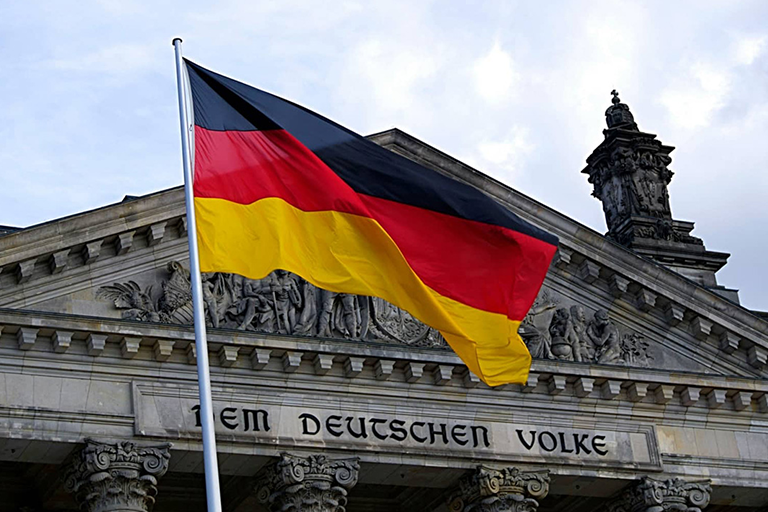
The German gambling industry has experienced a significant shift in the second quarter of 2025, as official figures show a decline in total stakes compared with the first three months of the year. The figures released by the national regulator, the Gemeinsame Glücksspielbehörde der Länder (GGL), highlight the ongoing difficulties the gambling industry encounters as it adjusts to stringent regulatory requirements while simultaneously facing mounting pressure from unlicensed competitors.
The regulator’s latest quarterly update indicates that overall gambling stakes reached €3.22 billion (£2.78 billion) during the period from April to June 2025. This represents a decline from the €3.5 billion (£3 billion) recorded in the first quarter. While the market remains substantial, the slowdown is a clear indication of the complex interplay between regulation, player behavior, and the growth of the unregulated sector.
Online poker and slots performance
A closer look at the data highlights the differing fortunes of various gambling verticals. Online poker, a product historically considered more niche compared with sports betting and online slots, recorded a downturn during the quarter. The amount wagered declined from €204 million (£176 million) in the first quarter to €184 million (£159 million) in the following quarter.





















By contrast, online slot machines showed marginal growth despite the strict rules applied to their operation. Wagering on virtual slot games saw a modest rise, moving from €1.1 billion (£950.6 million) in the first quarter to €1.12 billion (£967.9 million) in the second. This modest rise suggests that despite regulatory restrictions, demand for online slots remains resilient, reflecting their popularity among players.
The regulatory framework shaping the market
The German gambling market has undergone sweeping reforms since the introduction of the State Treaty on Gaming 2021 (Glücksspielstaatsvertrag, or GlüStV). The treaty created a national licensing system for online sports betting, poker, and virtual slots, while also introducing a series of measures aimed at protecting players and ensuring responsible gaming practices.
Among the most significant restrictions are:
- A maximum stake of €1 is permitted per spin on online slot machines
- Players are restricted to a monthly deposit limit of €1,000 (£864) across all licensed platforms
- A 5% stake-based tax imposed on operators
- Advertising restrictions, particularly around televised events and online promotions
While these measures were designed to create a safer gambling environment, industry experts and stakeholders have expressed concerns about unintended consequences. Critics argue that the restrictive framework may push players toward unlicensed operators, where no such limits or safeguards exist.
Transparency through quarterly reports
One of the most notable developments introduced by the GGL in recent years is the publication of quarterly market reports. These updates aim to increase transparency and provide a clearer picture of the state of the regulated gambling industry.
By releasing regular data, the regulator intends to inform both policymakers and the wider public about market dynamics, emerging trends, and the impact of reforms. For stakeholders, including licensed operators, the reports serve as an important benchmark for business planning and risk assessment.
The black market challenge
Perhaps the greatest challenge highlighted by the GGL is the continued prominence of the unregulated market in Germany. The regulator estimates that illegal operators account for around 25% of total gambling activity, although other studies suggest the figure may be closer to 50%.
The existence of the black market poses a serious challenge to the regulated industry, leading to substantial tax revenue losses while also weakening safeguards designed to protect players. Unlicensed operators are not bound by German consumer protection laws, deposit limits, or advertising restrictions. As a result, they are often able to offer more attractive bonuses and higher stakes, making them appealing to certain groups of players.
The GGL’s 2024 activity report identified 858 German-language websites run by 212 unlicensed operators. Over the course of the year, the regulator successfully took down 231 illegal sites and blocked access to a further 657 through geo-blocking measures. Despite these efforts, the regulator acknowledges that new illegal sites continue to emerge, employing increasingly sophisticated tactics to evade detection.
Cloaking and evasion strategies
GGL CEO Richard Benter has publicly emphasized the difficulty of tackling unlicensed operators, many of whom use “cloaking” techniques to evade enforcement. Cloaking allows websites to present one version of their platform to regulators and search engines, while showing another to players. This practice complicates monitoring and enforcement, requiring constant adaptation by regulators.
Benter stressed that addressing these issues requires international collaboration, as many unlicensed platforms operate from jurisdictions outside Germany’s legal reach. He highlighted the need for stronger partnerships with regulators in other European countries and for the development of uniform legal frameworks.
“This fight requires close cooperation with international partners. Equally crucial are clear and uniform frameworks for the legal market that ensure the protection of players and apply equally to all permitted providers,” the GGL noted in its latest report.
Economic contribution of the legal market
Despite the challenges, Germany’s regulated gambling industry continues to make a significant contribution to the economy. In 2024, the legal market generated €14.4 billion (£12.4 billion) in gross revenue, representing a 5% increase compared with 2023.
The tax revenue derived from licensed operators supports a range of public services, from sports and cultural initiatives to addiction prevention programs. However, the estimated size of the black market suggests that the overall gambling industry in Germany is considerably larger than what is reflected in official statistics.
If a substantial portion of unregulated gambling activity were redirected into the licensed sector, the potential tax revenue for the state could increase markedly, while also enhancing consumer protection.
Industry response and calls for reform
Licensed operators have consistently expressed support for the principle of regulation but argue that the current framework may not be sustainable in its present form. Industry associations have warned that overly strict rules risk driving players to offshore providers, undermining the goals of consumer protection.
Proposals for reform include revisiting the €1 stake limit on slots and adjusting the deposit cap to better reflect the diverse spending habits of players. Advocates argue that a more flexible system could help keep players within the regulated environment while still maintaining safeguards against problem gambling.
At the same time, consumer groups and public health advocates continue to call for strict controls, warning that any relaxation of the rules could increase gambling-related harm. The debate illustrates the difficulty of striking a balance between market competitiveness and player protection.
The road ahead for Germany’s gambling sector
As the German market continues to evolve, the central challenge will be to refine regulation in a way that strengthens the licensed sector without inadvertently fueling the unregulated one. Policymakers face the delicate task of ensuring player protection while allowing licensed operators to remain competitive.
International cooperation, technological innovation in monitoring, and ongoing dialogue between regulators, operators, and consumer advocates will be essential in shaping the future of the sector. The publication of quarterly reports by the GGL is an important step toward transparency, but further reforms may be required to address the persistent challenges of illegal gambling and market fragmentation.
Conclusion
The German gambling sector in 2025 finds itself at a critical juncture, shaped by both progress and persistent challenges. While the introduction of the State Treaty on Gaming 2021 established a unified regulatory framework and underscored the importance of player protection, the latest data reveals that the market continues to struggle with balancing regulation and competitiveness.
The decline in total stakes during the second quarter of 2025 highlights the impact of restrictive measures such as deposit caps and stake limits, which, although well-intentioned, may have contributed to the appeal of unlicensed operators. The regulator’s efforts to increase transparency through quarterly reports and enforcement against illegal websites demonstrate a commitment to safeguarding the legal market, yet the enduring size of the black market underscores the scale of the challenge.
For Germany’s gambling industry to thrive, policymakers will need to refine regulations in a way that maintains consumer protections while ensuring that licensed operators remain viable alternatives to the unregulated sector. This requires not only national reforms but also stronger international cooperation to address cross-border operators.
Ultimately, the future of the German gambling market depends on striking a careful balance: protecting players from harm, securing public revenues, and fostering a regulated environment that is competitive enough to discourage reliance on the black market. The path forward will be defined by ongoing dialogue between regulators, operators, and society, ensuring that the sector evolves in a manner that is both sustainable and responsible.
FAQs
What is the total size of the German gambling market in Q2 2025?
The total gambling stakes in Germany reached €3.22 billion in the second quarter of 2025, down from €3.5 billion in the first quarter.
Which gambling verticals saw the most change in Q2 2025?
Online poker experienced a decline in stakes, while virtual slots showed slight growth despite regulatory restrictions.
What is the role of the GGL in Germany?
The Gemeinsame Glücksspielbehörde der Länder (GGL) is the national regulator responsible for overseeing gambling, enforcing laws, and publishing market reports.
How does the €1 stake limit on online slots work?
The rule restricts the maximum stake per spin on online slot machines to €1, aimed at limiting potential financial harm to players.
Why is the black market such a concern in Germany?
Unlicensed operators attract players with fewer restrictions, leading to risks of unprotected gambling and significant tax revenue losses.
What tactics do illegal operators use to avoid detection?
Some use “cloaking,” which presents different content to regulators and players, making enforcement more difficult.
How much revenue did the legal gambling market generate in 2024?
Germany’s licensed gambling market generated €14.4 billion in 2024, reflecting a 5% increase compared with the previous year.
What are the main criticisms of Germany’s gambling regulations?
Critics argue that the strict deposit caps and stake limits may drive players toward unlicensed platforms, undermining regulatory goals.
What steps has the GGL taken against illegal operators?
In 2024, the regulator shut down 231 unlicensed websites and blocked access to 657 others through geo-blocking.
What is the outlook for the German gambling market?
The future will likely depend on refining regulations, increasing international cooperation, and ensuring that legal operators remain competitive while protecting players.

Anna Amstill
I am an avid Blogger and Writer with more than 6 years of experience with Content Writing. An Online Marketing expert specializing in Blog writing, Article writing, Website content, SEO specific Keyword content and much more. Education B.A. - business management, York University, Canada, Graduated 2016.
Related Posts





Onlyplay launches Hot Dunk basketball slot with free spins
April 10, 2026

Italy reconsiders gambling ad ban to boost football funding
April 10, 2026