Government Plans to Borrow €1.5 Billion in 2025
The government has revealed its intention to borrow an additional €1.5 billion in 2025 to manage the country’s rising expenditures. This plan, outlined in official documents published this week, is a legal requirement and aims to ensure financial stability in the face of increasing costs. Despite Malta experiencing economic growth above the EU average, the government maintains that additional borrowing is necessary to meet its financial obligations.
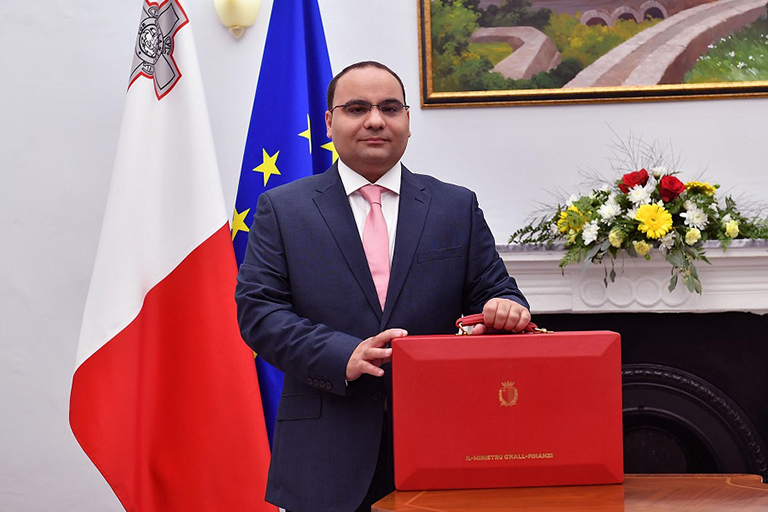
Finance Minister Clyde Caruana has confirmed that the government will issue new bonds to ensure that sufficient liquidity is available to sustain ongoing projects and public services. While Malta’s economic expansion remains steady, financial pressures in various sectors necessitate further borrowing to bridge the fiscal gap.
Detailed Breakdown of the Borrowing Plan
A large portion of the planned borrowing, approximately €850 million, will be allocated to covering the budget deficit for the current year, as stated in the most recent fiscal plan. Additionally, €540 million will be used to refinance existing bonds that are set to mature in 2025, preventing disruptions to government cash flow.





















This increase in borrowing is expected to push Malta’s national debt closer to the €12 billion mark by the end of the year. Since Prime Minister Robert Abela assumed office, the national debt has nearly doubled, rising from under €6 billion in 2020 to the projected €12 billion by the end of 2025.
Economic Growth and Rising Debt Levels
Malta has been experiencing steady economic growth, with GDP projected to exceed 4.5% in 2024. However, despite this favorable economic climate, the government has struggled to capitalize on this growth to reduce its budget deficit. Instead, the national debt has continued to rise, raising concerns among financial experts.
Malta’s debt-to-GDP ratio is expected to stand at 49.5% by the close of 2024. Projections indicate that this figure will increase to 50.1% by the end of 2025, reflecting a growing reliance on borrowed funds. According to Finance Minister Clyde Caruana, this trend is set to continue, with the national debt anticipated to reach €13 billion by 2027—the highest in the country’s history.
Impact of National Debt on Public Finances
The burden of servicing the national debt is also expected to rise, with approximately €400 million required annually to cover interest payments alone. This significant financial commitment could restrict future government spending in critical areas such as healthcare, education, and infrastructure.
With interest payments consuming a growing portion of the national budget, policymakers will need to make strategic decisions to ensure economic stability. If global interest rates rise, the cost of borrowing may further increase, placing additional pressure on public finances.
Government’s Justification for Increased Borrowing
In defense of its borrowing strategy, the government has emphasized the necessity of maintaining economic momentum while addressing the increasing demand for public services. Officials argue that investments in healthcare, social programs, and infrastructure require additional funding to meet the needs of the population and sustain economic growth.
However, critics question whether the government’s fiscal policies are sustainable in the long run. Some financial analysts warn that continuous borrowing without effective debt management strategies could lead to economic vulnerabilities. They argue that without careful financial planning, Malta may face difficulties in repaying its obligations in the future.
Opposition and Public Response
The government’s borrowing plan has sparked considerable debate among opposition parties, economic analysts, and the general public. Opposition leaders have criticized the government for failing to implement more effective fiscal measures to curb unnecessary spending and reduce the budget deficit.
Opponents argue that while Malta’s economy remains robust, excessive borrowing is a sign of poor financial management. They contend that the government should focus on increasing revenue through sustainable economic policies rather than relying on debt accumulation to fund public expenditure.
European Context: How Malta’s Debt Compares to Other Nations
Malta is not the only European nation facing rising debt levels. Several EU member states have had to increase borrowing to manage economic pressures, particularly in response to inflation, social spending, and infrastructure development. However, Malta’s rapid debt growth, despite its relatively strong economy, sets it apart from many of its counterparts.
While some European nations struggle with debt exceeding 100% of GDP, Malta’s debt-to-GDP ratio remains below that threshold. Nevertheless, the rapid increase in national debt could attract closer scrutiny from European financial institutions. If debt levels continue to rise, Malta may face stricter financial oversight from the European Commission.
Long-Term Economic Outlook
Despite concerns about rising debt, the government remains optimistic about Malta’s economic future. Officials expect continued investment in key industries, including tourism, financial services, and technology, to drive sustained growth in the coming years.
However, balancing economic expansion with responsible fiscal policies will be essential to ensuring long-term stability. Experts stress the importance of developing strategies to manage debt effectively while continuing to support economic development.
Challenges and Potential Solutions
Policymakers face the challenge of reducing the national debt while maintaining economic growth. Experts suggest several measures to address this issue:
- Enhancing Revenue Generation: The government could explore alternative revenue streams, such as taxation reforms and incentives for foreign investment.
- Reducing Expenditures: Identifying and eliminating inefficiencies in public spending could help mitigate unnecessary financial burdens.
- Encouraging Private Sector Growth: Supporting entrepreneurship and small businesses can contribute to a more resilient economy and reduce reliance on government funding.
- Strengthening Fiscal Policies: Implementing more stringent budgetary controls can help ensure responsible financial management.
Conclusion: Navigating Malta’s Financial Future
The government’s decision to borrow an additional €1.5 billion highlights the ongoing challenge of balancing economic growth with fiscal responsibility. While Malta continues to experience solid GDP growth, the rapid accumulation of debt raises important concerns about financial sustainability.
As borrowing continues, policymakers must adopt prudent strategies to ensure long-term economic stability. Reducing reliance on debt financing, controlling public expenditures, and fostering economic diversification will be crucial in maintaining investor confidence and protecting future generations from excessive financial burdens.
The coming years will be pivotal in shaping Malta’s financial future. Whether the government can effectively manage its borrowing while sustaining economic momentum remains to be seen. However, the decisions made today will have lasting implications for the country’s financial health in the decades ahead.
Frequently Asked Questions
Why is the Maltese government borrowing €1.5 billion this year?
The government is borrowing to cover its budget deficit and repay existing bonds that are maturing in 2025. Rising expenditures require additional funding.
How will this borrowing affect Malta’s national debt?
The national debt is expected to reach nearly €12 billion by the end of 2025, almost double what it was in 2020 under Prime Minister Robert Abela.
What percentage of GDP will Malta’s debt be in 2025?
Malta’s debt-to-GDP ratio is projected to rise to 50.1% by the end of 2025, up from 49.5% at the end of 2024.
What will the interest payments on the national debt cost Malta?
The Maltese government will need to allocate around €400 million annually for interest payments on its national debt.
How does Malta’s debt compare to other EU countries?
While Malta’s debt levels are rising, they remain lower than some larger EU economies. However, the rapid increase in debt despite strong GDP growth is concerning.
What sectors are causing the government’s increased spending?
The government has cited healthcare, social welfare, and infrastructure projects as the primary reasons for increased spending.
Is Malta’s economic growth strong enough to handle this debt?
While Malta is experiencing robust economic growth of over 4.5%, concerns remain about whether this will be enough to offset the increasing debt burden.
What do critics say about the government’s borrowing strategy?
Opposition parties argue that the government should implement better fiscal management and reduce unnecessary spending instead of increasing debt.
Could Malta face higher borrowing costs in the future?
If global interest rates rise, Malta may need to pay more to service its debt, making it more expensive to borrow in the future.
What steps can Malta take to reduce its debt?
Experts suggest implementing stronger fiscal policies, cutting unnecessary expenditures, and leveraging economic growth to reduce reliance on borrowing.

Ash
I like to keep it short. I am a writer who also knows how to rhyme his lines. I can write articles, edit them and also carve out some poetic lines from my mind. Education B.A. - English, Delhi University, India, Graduated 2017.