Government Silent on Illegal Ta’ Xbiex Marina Case
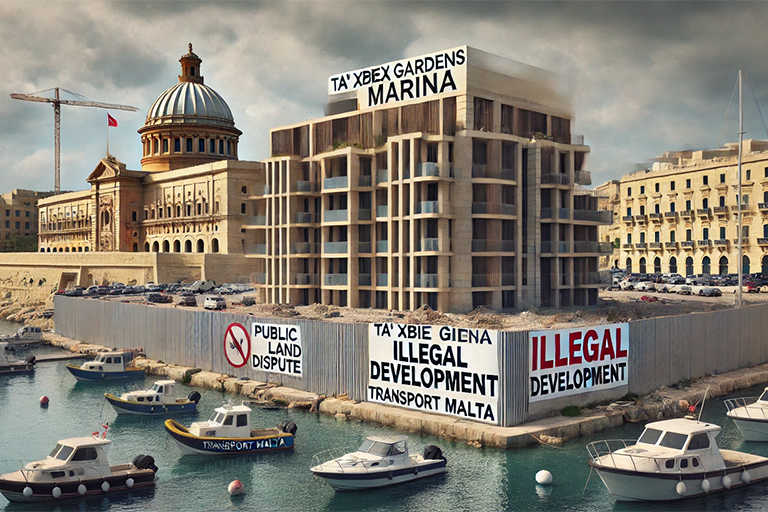
The Maltese government has yet to provide a clear response regarding the fate of the capitainerie at the Ta’ Xbiex Gardens Marina, which was recently declared illegal by the Court of Appeal. The situation has drawn significant public attention, as opposition figures and concerned citizens demand accountability for the unauthorized structure built on public land.
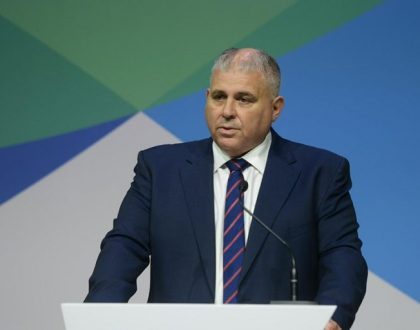
During a recent parliamentary session, Nationalist Party (PN) MP Albert Buttigieg persistently questioned Lands Minister Stefan Zrinzo Azzopardi about the government’s intentions regarding the illegally occupied space. Specifically, Buttigieg sought clarification on whether the government planned to return the land to public use. However, instead of addressing the issue directly, Zrinzo Azzopardi shifted responsibility, stating that Transport Minister Chris Bonett should be the one to answer.
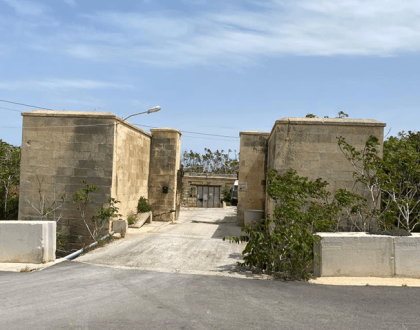
The area in question is public land, under the management of the Lands Authority, and was allocated to Transport Malta to be used as part of the privatized Gardens Marina. However, the construction of the capitainerie, initially proposed as an administrative hub for marina operations, was later determined to be illegal by the courts, raising serious concerns about government oversight and adherence to legal procedures.





















Legal and Political Ramifications
Court Ruling and Immediate Consequences
A recent judgment by Malta’s Chief Justice overturned the permit for the capitainerie, rendering the structure unauthorized and subject to potential removal. Following this ruling, all construction activities at the site came to an abrupt halt. Despite this, the building itself remains standing, with no official steps taken toward its demolition or repurposing.
The court’s decision sets an important precedent regarding the limits of executive power in land management. However, the lack of prompt enforcement raises troubling questions about the government’s commitment to upholding legal rulings. The continued presence of the structure, despite the clear judicial directive, has led to growing frustration among citizens and legal experts alike.
Minister’s Avoidance of Direct Answers
Lands Minister Stefan Zrinzo Azzopardi’s reluctance to address the issue directly has only added to the controversy. When pressed in parliament, he provided a vague response, stating that “there are procedures which should be followed.” However, he failed to outline what those procedures entail or whether any actions had been initiated to comply with the court’s decision.
The minister’s evasive stance has led to speculation that the government is either disorganized or deliberately delaying action due to political or economic considerations. With powerful business interests involved in the marina’s operations, critics argue that the government’s inaction reflects an unwillingness to disrupt the financial benefits tied to the development.
Who Benefits from the Capitainerie?
Business Interests and Political Connections
Originally intended as an administrative office for marina operations, the capitainerie was reportedly planned to be converted into a high-end waterfront restaurant. This shift in purpose raises questions about whether the development was ever genuinely intended to serve its initial function or if it was a strategic move to introduce commercial ventures under misleading pretenses.
The Gardens Marina operates under a concession granted to private business entities, with key figures including CEO Matthew Fiorini Lowell and project owners Paul and Mark Gauci. Despite the legal ruling that invalidated the development, these individuals have remained conspicuously silent, refusing to engage with the media or address public concerns about the project’s future.
The controversy is further exacerbated by the fact that Prime Minister Robert Abela berths his yacht at the very same marina. This connection has fueled speculation about possible conflicts of interest, with critics suggesting that Abela’s personal ties to the marina could be influencing the government’s hesitancy to take corrective action.
A Pattern of Government Evasion
Transport Malta’s Shifting Responsibilities
Transport Malta, the agency officially responsible for overseeing the project, has attempted to distance itself from the illegal construction. CEO Kurt Farrugia has stated that he had no involvement in securing the permit, but he has also failed to provide any guidance on what steps Transport Malta will take following the court ruling.
The agency’s refusal to provide a concrete plan of action only deepens the concerns about its role in the matter. Transport Malta has previously been implicated in controversial land deals, and its handling of the Ta’ Xbiex marina project further calls into question its ability to manage public resources transparently.
Planning Authority’s Inexplicable Delay
Despite the court’s ruling, the Planning Authority has not issued an enforcement order to remove the illegal structure. This inaction raises concerns about selective enforcement and whether political considerations are preventing the proper execution of legal mandates.
Typically, an enforcement order would be issued swiftly after a court decision invalidating a development. However, in this case, the prolonged inaction suggests a possible reluctance to dismantle a project linked to influential individuals. The delay in enforcing the ruling risks setting a dangerous precedent where legal decisions can be ignored if they conflict with the interests of well-connected business elites.
The Larger Issue of Public Land Mismanagement
A Recurring Problem in Malta
The case of the Ta’ Xbiex Marina capitainerie is just one example of a broader issue plaguing Malta: the misuse and privatization of public land. Over the years, multiple controversies have emerged involving government agencies granting questionable concessions to private entities, often at the expense of public interest.
These cases highlight systemic issues in governance, with accusations that authorities prioritize business interests over legal compliance and the welfare of citizens. The failure to act against unauthorized developments further erodes public trust in the government’s ability to manage national resources fairly and transparently.
Calls for Government Transparency and Reform
Opposition leaders, activists, and legal experts are now demanding greater transparency and accountability in land management. They argue that the government must take immediate action to enforce the court ruling, reclaim the illegally occupied space, and ensure that similar incidents do not recur.
While Zrinzo Azzopardi has downplayed the urgency of the matter, public outcry continues to grow. Calls for reforms in land governance and stricter enforcement mechanisms are gaining traction, as citizens demand a system that prioritizes the rule of law over political and financial interests.
The Uncertain Future of the Capitainerie
Legal and Political Consequences
If the government fails to act on the court’s ruling, it could face further legal challenges from opposition parties and watchdog organizations. The issue also has serious political ramifications, as it reinforces public perceptions of preferential treatment for influential business figures and the selective application of legal decisions.
For now, the illegal capitainerie remains standing, with government officials and private stakeholders avoiding accountability. However, as pressure from opposition leaders, activists, and the public continues to mount, authorities may be forced to take action to demolish the structure and return the land to public use.
The next few months will be pivotal in determining whether the government will comply with the judicial ruling or attempt to sidestep responsibility once again. If no action is taken, it could signal a broader failure in Malta’s governance structures, potentially leading to further erosion of public confidence in the administration’s ability to uphold the law.
Conclusion
The controversy surrounding the illegal capitainerie at Ta’ Xbiex Marina underscores deeper issues of governance, accountability, and public land management in Malta. Despite a clear court ruling declaring the development unlawful, the government’s reluctance to act has fueled suspicions of preferential treatment for well-connected business interests. With officials avoiding direct answers and enforcement authorities failing to take corrective measures, public frustration continues to grow.
As pressure mounts from opposition figures, activists, and the general public, the government faces a crucial decision—either uphold the rule of law and reclaim the public space or risk further damage to its credibility. The coming months will determine whether this case serves as a turning point for transparency and accountability or simply becomes another example of systemic inaction.
FAQs
What is the controversy surrounding the Ta’ Xbiex Marina capitainerie?
The capitainerie at Ta’ Xbiex Marina was declared illegal by the Court of Appeal, raising concerns over government inaction and business interests.
Why was the capitainerie deemed illegal?
A court ruling annulled the permit for the structure, declaring that it was constructed without proper authorization on public land.
What was the original purpose of the capitainerie?
It was intended as an administrative office for the marina but was reportedly planned to be converted into a waterfront restaurant.
Why is the government not taking action?
Lands Minister Stefan Zrinzo Azzopardi has refused to clarify the government’s stance, deferring responsibility to the Transport Minister.
Has construction stopped at the site?
Yes, construction has halted following the court ruling, but the illegal structure remains intact with no removal orders issued.
What role does Transport Malta play in the controversy?
Transport Malta is officially responsible for the site but has distanced itself from the permit approval and refused to outline next steps.
Are private businesses involved in the marina development?
Yes, the marina is operated by private business interests, including CEO Matthew Fiorini Lowell and project owners Paul and Mark Gauci.
Why hasn’t the Planning Authority issued an enforcement order?
Despite the court ruling, the Planning Authority has not yet taken action to order the removal of the illegal structure.
Does Prime Minister Robert Abela have any connection to the marina?
Robert Abela berths his yacht at the same marina, raising concerns about possible conflicts of interest.
What are the broader implications of this case?
The controversy highlights ongoing issues of public land misuse, government transparency, and political favoritism in Malta.

Anna Amstill
I am an avid Blogger and Writer with more than 6 years of experience with Content Writing. An Online Marketing expert specializing in Blog writing, Article writing, Website content, SEO specific Keyword content and much more. Education B.A. - business management, York University, Canada, Graduated 2016.