Helen Caruana appointed Wasteserv Chair by Robert Abela
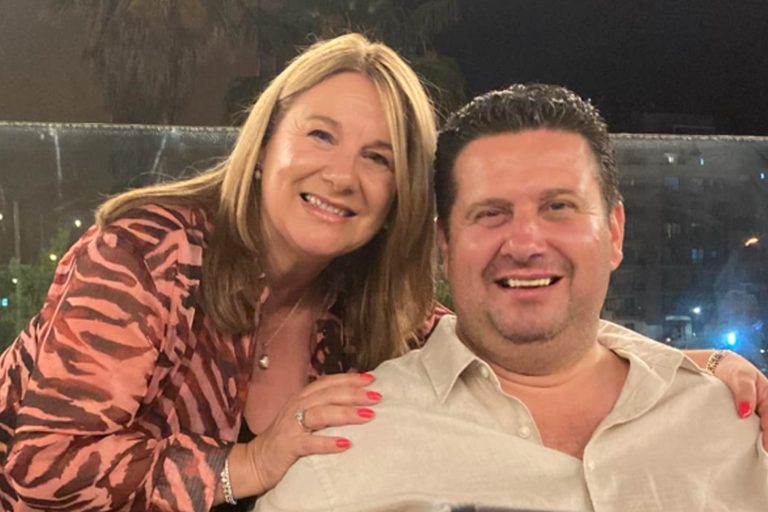
Prime Minister Robert Abela has recently appointed Helen Caruana, sister of former minister Edward Zammit Lewis, as the new Chair of Wasteserv, Malta’s state-owned waste management company. The appointment has attracted public attention and raised concerns about governance, meritocracy, and political patronage in state institutions.
Caruana, a Labour local councillor in Attard, has no documented professional background in waste management or prior executive leadership roles. Despite this, she now assumes a pivotal role in an organization responsible for one of Malta’s most pressing public services: the management and disposal of the country’s waste.
This decision comes at a time when Wasteserv is under scrutiny for efficiency, accountability, and long-term sustainability in tackling Malta’s environmental challenges.





















Background of Helen Caruana
Helen Caruana’s professional trajectory differs from what many might expect for the head of a technical entity such as Wasteserv.
She obtained her law degree relatively late in life, completing her legal studies in her 50s. While she has worked as a lawyer, she has not previously held senior administrative or managerial positions in public or private institutions.
Since 2013, following the Labour Party’s return to government, Caruana has held a series of public appointments. She served on the Wasteserv board for several years and was simultaneously appointed to other state entities.
Her ongoing role at the Malta Tourism Authority (MTA) includes membership on the appeals board, which adjudicates disputes related to tourism regulation. These appointments demonstrate a pattern of political trust in Caruana, though they do not necessarily reflect sector-specific expertise.
Replacing Frank Bezzina
Caruana will succeed Frank Bezzina, a university professor known for his academic contributions in management and business. Bezzina has also been associated professionally with Vincent Marmara, a Labour Party pollster.
Bezzina’s tenure was marked by attempts to improve Wasteserv’s governance and operational frameworks, although the company continues to face challenges in efficiency and public perception. His departure opens the way for Caruana to take charge of the entity, but her appointment has raised questions about whether political considerations outweighed professional qualifications.
Political context and family connections
The appointment cannot be separated from its political context. Helen Caruana is related to Edward Zammit Lewis, the former Labour minister who was previously regarded as a close associate of ex-prime minister Joseph Muscat.
Zammit Lewis was a central figure in Muscat’s inner circle, but his influence has waned under Prime Minister Abela. His exclusion from Cabinet positions has become a point of public contention, especially as he has openly expressed dissatisfaction with his political sidelining.
Just recently, Zammit Lewis told the media that Abela had made “a big mistake” by not appointing him to ministerial office. Privately, he is reported to have described members of Abela’s Cabinet as “inexperienced children” and has criticized the prime minister’s leadership.
Attempts to placate Zammit Lewis
In what seemed like an attempt to ease his dissatisfaction, Prime Minister Abela put forward Zammit Lewis as a candidate for a high-ranking position at the European Court of Justice (ECJ). The position would have carried significant responsibility as well as a salary package estimated at €300,000 per year.
However, the nomination did not succeed. Reports suggested that Zammit Lewis was considered insufficiently prepared for the position, and as a result, he was not selected for the appointment.
This failure left Zammit Lewis further marginalized politically, although the appointment of his sister to a high-profile role within Wasteserv is being widely interpreted as an attempt to maintain political balance within the Labour Party’s internal networks.
Wasteserv and its national importance
Wasteserv is one of Malta’s most critical public entities, tasked with implementing waste management strategies, overseeing landfills, and promoting recycling initiatives. Malta faces considerable challenges in this sector, with rising waste levels, limited land space, and EU-mandated environmental targets.
Leadership at Wasteserv is therefore of national importance, influencing not only environmental outcomes but also Malta’s international reputation regarding sustainability.
The appointment of a politically connected figure without a professional track record in the waste sector has sparked debate about whether political loyalty is being prioritized over technical competence.
Concerns about governance and meritocracy
Caruana’s new position highlights broader concerns within Maltese public administration. Critics argue that the appointment reinforces a trend of political patronage, where key roles in state institutions are entrusted to individuals with strong partisan ties rather than proven expertise.
Governance experts frequently emphasize the importance of merit-based appointments, particularly in highly technical fields. Waste management requires specialized knowledge in environmental science, engineering, logistics, and EU compliance. Assigning leadership to someone without this background risks undermining public confidence and institutional effectiveness.
Reactions within Labour circles
The decision has also triggered mixed reactions within the Labour Party itself. While some see it as a move to consolidate internal party unity, others worry about the optics of such appointments in light of increasing demands for transparency and accountability.
Party insiders suggest that the decision is part of a balancing act by Abela, who faces pressure from different factions within the Labour Party. Maintaining harmony within these groups often involves strategic appointments, but these decisions can come at the cost of public trust.
Implications for public trust
Appointments of this nature tend to polarize public opinion. Supporters may view Caruana as a trusted figure within the Labour movement, while critics argue that governance should prioritize meritocracy and professional expertise.
Public confidence in institutions such as Wasteserv is essential, particularly as environmental challenges require long-term solutions. Decisions perceived as politically motivated rather than competence-driven may erode that confidence.
Looking ahead for Wasteserv
As Chair of Wasteserv, Helen Caruana will now be responsible for guiding the company’s strategy and ensuring that it meets both national and EU obligations. This includes overseeing projects related to recycling facilities, waste-to-energy initiatives, and the reduction of landfill dependency.
How effectively she carries out these responsibilities remains to be seen. The role will test her leadership abilities and her capacity to balance political trust with public expectations for competence and accountability.
Conclusion
The appointment of Helen Caruana as Chair of Wasteserv illustrates the ongoing interplay between politics and public administration in Malta. While she brings loyalty and political trust to the role, her lack of sector-specific experience has sparked debate about governance standards, transparency, and the prioritization of competence in leadership positions.
With Wasteserv at the center of Malta’s environmental strategy, the stakes are high. The success or failure of this appointment will likely influence not only Caruana’s personal reputation but also broader perceptions of how Malta’s government balances political realities with the pressing needs of public administration.
FAQs
What is Wasteserv?
Wasteserv is Malta’s government-owned company responsible for waste management, including landfills, recycling, and environmental sustainability initiatives.
Who is Helen Caruana?
Helen Caruana is a Labour Party councillor in Attard and the sister of former minister Edward Zammit Lewis. She was recently appointed Chair of Wasteserv.
What experience does Helen Caruana have in waste management?
Caruana has previously served on the Wasteserv board and holds roles in other state entities, but she does not have a professional background in waste management.
Who did Helen Caruana replace as Wasteserv Chair?
She replaced Frank Bezzina, a university professor with expertise in management and business.
Why is her appointment controversial?
The controversy arises from her limited experience in the waste management sector and concerns about political patronage.
What role does Edward Zammit Lewis play in this story?
As Caruana’s brother, Zammit Lewis is a former minister who has recently been sidelined in politics. His criticisms of Prime Minister Abela form part of the wider political context.
Was Edward Zammit Lewis nominated for an EU role?
Yes, Prime Minister Abela nominated him to the European Court of Justice, but he was not selected for the role.
Why is Wasteserv an important institution?
Wasteserv is crucial for Malta’s waste management and environmental sustainability, particularly in meeting EU targets and addressing the island’s limited land space.
What challenges does Wasteserv face?
Key challenges include reducing landfill dependency, improving recycling rates, and complying with EU environmental directives.
How might this appointment affect public trust?
Public trust could be impacted if the appointment is seen as politically motivated rather than merit-based, potentially undermining confidence in governance.

Ash
I like to keep it short. I am a writer who also knows how to rhyme his lines. I can write articles, edit them and also carve out some poetic lines from my mind. Education B.A. - English, Delhi University, India, Graduated 2017.