High levels of worry affect 61% of adults in Malta
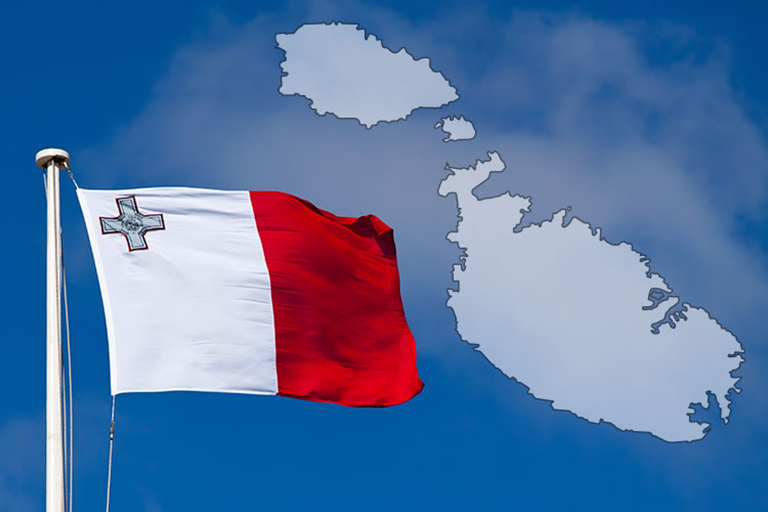
Malta has been identified as one of the countries where adults report the highest levels of chronic worrying, according to a new global study published this week. Gallup’s State of the World’s Emotional Health report reveals that 61% of Maltese adults frequently experience worry, placing the country among the top three worldwide for this metric.
This figure positions Malta just below Sierra Leone (67%) and Guinea (66%) in terms of reported worry, while Rwanda (61%) and Chad (60%) complete the list of the top five nations. The high ranking is particularly striking given Malta’s status as a peaceful European Union member state with no active conflicts, contrasting sharply with the other countries on the list, which face significant political instability and security challenges.
Worry in Malta compared with global hotspots
The contrast becomes even more apparent when considering the broader context of global risk and security. Countries such as Sierra Leone, Guinea, and Rwanda are classified as Level 2 risk areas by the US State Department for international travel, advising increased caution due to crime and political unrest. Chad is set at Level 3, with the recommendation that travelers “reconsider” visiting due to elevated risks of unrest, kidnapping, and terrorism.





















Malta, in comparison, is classified at Level 1, indicating minimal risk factors for residents or visitors. Despite this relatively secure environment, worry among the Maltese population remains disproportionately high. “Worry also remained high in Malta (61%), which has struggled to balance its strong economic growth with social and environmental sustainability,” the Gallup report states.
Key societal concerns driving worry
A recent local survey sheds light on the underlying issues that contribute to Malta’s elevated worry levels. Respondents highlighted the following as their primary concerns:
- Overpopulation (22.3%)
- Traffic congestion (20.3%)
- Inflation (13.4%)
- Foreign workers (9.9%)
- Corruption (8.2%)
Each of these issues ties into broader questions about infrastructure capacity, governance, and quality of life. For example, overpopulation and traffic congestion reflect pressure on urban planning and transport systems, while inflation and the presence of foreign workers often intersect with economic and social dynamics. Additionally, corruption and perceptions of mismanagement can erode public trust in institutions, amplifying anxiety.
Public anger over perceived overdevelopment has also intensified these worries. On Monday, a coalition of organizations announced the second mass protest this month, opposing proposed legislation that would reduce environmental safeguards in Malta’s planning system. The protests indicate growing civic concern about the long-term sustainability of development projects and the environmental implications for future generations.
Global trends in emotional health
Gallup’s report frames Malta’s high worry levels within a broader global context. The report describes a world “on an emotional edge,” noting that worry is prevalent in several countries experiencing political instability, fragile institutions, or violent conflict. “From coup attempts and prolonged military rule to contested elections and violent insurgencies, each faced situations that eroded political stability, strained institutions and left citizens with heightened insecurity in daily life,” the report explains.
Globally, the emotional state of populations has shown worrying trends. Last year, 39% of adults worldwide reported worrying the previous day, while 37% felt stressed. Over 30% reported experiencing physical pain daily, and 26% said they experienced sadness. Anger affected 22% of respondents, highlighting a pattern of negative emotional experiences affecting a significant portion of the global population.
While worry levels globally have returned to pre-pandemic numbers, they remain approximately five points higher than scores reported a decade ago. These findings suggest that chronic worry is not merely a temporary reaction to crises such as the COVID-19 pandemic but reflects deeper, structural stressors in modern life.
Links between peace, governance, and emotional health
The Gallup study also correlates emotional responses with measures of societal stability, such as the Global Peace Index (GPI) and the Positive Peace Index (PPI). There is a strong correlation between negative emotions and lower scores on these indices, indicating that populations in less peaceful or democratically unstable countries report higher levels of chronic worry, stress, and sadness.
“As the world’s mood has soured, it has also become less stable, with rising political unrest, more conflicts and higher death tolls. The Global Peace Index (GPI), which tracks the absence of violence and conflict across 163 countries, shows riots, strikes and anti‑government demonstrations rose 244% from 2011 to 2019 — notably, even before the pandemic,” the report states.
While Malta is comparatively peaceful, the findings suggest that economic, social, and environmental pressures can produce high levels of anxiety even in countries without violent conflicts. In Malta’s case, the pressure to manage rapid economic growth alongside environmental sustainability, infrastructure development, and social cohesion appears to be a significant driver of public worry.
Positive experiences in a challenging world
Despite the focus on negative emotions, the Gallup report also highlights daily positive experiences. Stable and peaceful countries tend to report higher levels of positive engagement, enjoyment, and social interaction. Last year, 88% of adults worldwide stated that they were treated respectfully the previous day, while 73% reported positive experiences such as smiling, laughter, or enjoyment on a daily basis.
“The new findings show that anger and sadness are strongly tied to weaker scores…this means Gallup’s emotion metrics likely reflect more than the immediate absence of conflict. They also mirror the deeper foundations of sustainable peace — the kind of peace that depends on justice, wellbeing and security in daily life,” the report concludes.
For Malta, this emphasizes that addressing chronic worry may require not only managing economic growth and environmental protection but also fostering social trust, civic engagement, and institutional transparency to support emotional wellbeing.
Policy implications for Malta
The high levels of worry in Malta suggest several areas where policy intervention could improve citizen wellbeing. Urban planning and infrastructure development are key priorities, as overpopulation and traffic congestion were identified as the most common concerns. Investment in sustainable transport, housing, and public spaces could alleviate some of these pressures.
Economic policy is also relevant. Inflation and the perceived impact of foreign workers on the labor market are sources of anxiety. Transparent policies that balance economic growth with social equity could help reduce uncertainty and improve public confidence.
Environmental sustainability is another critical area. Proposals to reduce environmental safeguards have sparked public protests, highlighting the importance of involving citizens in decision-making processes and ensuring long-term protection of Malta’s natural resources.
Finally, governance reforms aimed at reducing corruption and increasing transparency could strengthen public trust, which in turn may decrease chronic worry and stress levels across society.
Conclusion
Malta’s unexpectedly high ranking in global levels of chronic worry underscores the complex interplay between economic growth, social policy, environmental sustainability, and governance. While the country enjoys peace, political stability, and a high standard of living, citizens face pressures that contribute to elevated worry.
Gallup’s report highlights the importance of looking beyond immediate crises to the structural foundations of wellbeing. Addressing Malta’s high levels of chronic worry will require integrated policies that strengthen infrastructure, promote social cohesion, protect the environment, and foster trust in institutions — measures that together can support both emotional health and sustainable development.
FAQs
What percentage of adults in Malta report chronic worrying?
61% of Maltese adults reported experiencing chronic worry according to Gallup’s study.
How does Malta compare to other countries globally?
Malta ranks among the top three countries for chronic worry, just below Sierra Leone and Guinea.
What are the main concerns driving worry in Malta?
Top concerns include overpopulation, traffic, inflation, foreign workers, and corruption.
Is Malta considered a high-risk country?
No, Malta is classified as Level 1 for travel safety, indicating minimal risk factors.
Why is Malta’s high worry rate surprising?
Unlike other high-worry countries, Malta is peaceful and politically stable with no active conflicts.
What role does overdevelopment play in public worry?
Perceived overdevelopment has increased anxiety about environmental degradation and infrastructure strain.
How does global political instability relate to emotional health?
Countries with lower peace and political stability show higher levels of worry, stress, and sadness.
Are positive experiences considered in the Gallup report?
Yes, stable countries report higher rates of daily positive experiences like respect, laughter, and enjoyment.
What policy measures could reduce chronic worry in Malta?
Improving infrastructure, fostering social trust, ensuring environmental sustainability, and reducing corruption could help.
Does economic growth affect emotional health in Malta?
Rapid economic growth, without balanced social and environmental policies, contributes to public worry.

Anna Amstill
I am an avid Blogger and Writer with more than 6 years of experience with Content Writing. An Online Marketing expert specializing in Blog writing, Article writing, Website content, SEO specific Keyword content and much more. Education B.A. - business management, York University, Canada, Graduated 2016.
Related Posts

Spring travel trends favor Malta
April 10, 2026
Malta’s heritage in spring
April 8, 2026
Malta spring tourism campaigns
April 7, 2026