Housing Minister Faces Criticism Over Public Land Scheme

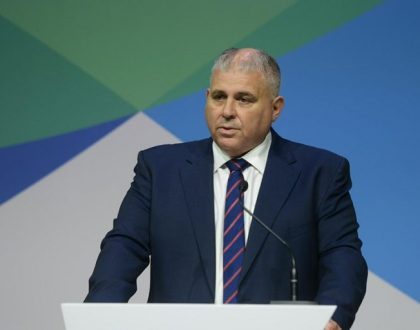
Malta’s Housing Minister Roderick Galdes has come under growing criticism from the Malta Development Association (MDA) following the announcement of a controversial government initiative aimed at promoting affordable housing development. At the centre of the controversy is the decision to allocate public land to developers at no cost, a move the MDA has labelled as both short-sighted and potentially harmful to the broader property sector.
In a strongly worded statement issued in early August, the MDA expressed “serious concern” regarding the manner in which the government launched the project. The association's main grievances relate to the perceived lack of transparency, the hurried timing of the expression of interest process, and the fundamental principle of granting valuable public land without monetary compensation.
Concerns about rushed and opaque process
The MDA's statement underscored the association's dissatisfaction with how the project was introduced, notably criticising the decision to launch the expression of interest in the height of summer, when many stakeholders are typically on leave. According to the MDA, interested parties were given only a few weeks to prepare and submit proposals for the design and construction of apartment blocks on government-owned plots of land.





















“The entire process appears engineered to benefit a select few developers with inside knowledge and resources to act swiftly,” the MDA said. It warned that this limited timeframe, coupled with the lack of broad consultation, could effectively sideline smaller developers and undercut trust in the government’s procurement system.
Opposition to granting land for free
Central to the MDA’s criticism is its fundamental opposition to the idea that developers should receive public land at no cost under the justification of delivering affordable housing. The association argued that such an approach disrupts market dynamics and introduces unfair competition into the sector.
“The notion that developers should be granted public land for free to build social housing and profit from it is fundamentally flawed,” the MDA declared. “If the state wishes to intervene in the housing market, it should do so transparently and without distorting competition.”
The association contended that, rather than giving away land, the government should have pursued other policy mechanisms—such as direct public procurement, fiscal incentives, or structured public-private partnerships—to ensure affordable housing targets are met without compromising the integrity of the market.
Minister Galdes defends policy as socially necessary
In response to the criticism, Minister Galdes defended the government’s strategy. In a public statement released via Facebook, Galdes argued that the initiative was necessary to ensure access to affordable housing for Maltese and Gozitan families, particularly young people who are being priced out of the market.
“The government and the church have come up with a project that will offer affordable accommodation… this project will lead to the construction of more than 260 homes with prices that are around 30% below market price,” Galdes said. He added that the state would “not let the market dictate matters in affordable housing”, implying that government intervention was crucial to address structural imbalances in the sector.
Galdes also emphasised that the initiative had been designed in partnership with the Church, suggesting an ethical and community-based motivation behind the move.
Developers expected to absorb price cut
According to the government’s framework, developers who are awarded plots of public land will be expected to construct residential units and sell them at approximately 30% below prevailing market rates. While this may appear to benefit buyers, critics have raised concerns that the developers may still generate significant profits due to the elimination of land acquisition costs.
The MDA argued that this creates an unlevel playing field in the real estate market, as selected developers would benefit from economies of scale and access to valuable land without having incurred any purchasing costs. This, the association warned, would amount to indirect state subsidies benefiting only a select group of developers, potentially eroding confidence among other market participants.
Doubts over oversight and project quality
Further criticism was levelled at what the MDA described as the government’s apparent inability to ensure adequate monitoring of construction quality. The statement questioned whether the Foundation for Affordable Housing, presumed to be the managing agency, possesses the required human and technical resources to effectively supervise the large-scale developments.
“There is a real risk that the quality of the final product will be compromised,” the MDA warned, highlighting fears that insufficient oversight could lead to substandard construction, ultimately undermining public confidence in the initiative.
Broader market destabilisation feared
The MDA also expressed concern that the government’s intervention could destabilise the local property market. By allowing a limited group of developers to sell units at below-market prices—while bearing significantly lower input costs—other investors and developers could face a devaluation of their own assets.
“This will inevitably undermine the trust of those willing to invest their money in the property sector,” the association stated. “It will create unfair competition and may eventually distort prices across the board.”
The MDA further warned that this market interference could have downstream effects on the financial sector, particularly the banking industry, which has significant exposure to property-backed lending. If the initiative results in price distortions or market contraction, financial institutions could face increased risk.
Call for alternative models and transparency
The MDA recommended that the government abandon the current model in favour of more transparent and equitable alternatives, including the use of targeted subsidies, structured public-private partnerships, and fiscal incentives that promote affordability without distorting market forces.
Drawing comparisons with systems used in other European countries, the association suggested that these models allow affordability to be achieved while maintaining a stable and competitive property sector.
“The minister is thinking in the very short term, without due regard for long-term implications on the industry or the banking sector,” the MDA warned.
Opposition MP joins criticism, suggests political favoritism
Echoing the concerns raised by the MDA, Opposition MP Albert Buttigieg issued his own statement, describing the initiative as a “crafty way of cheating”. Writing on Facebook, Buttigieg claimed the scheme would result in substantial profits for the developers selected to participate—profits which, he argued, should instead benefit first-time buyers.
“This is a crafty way of cheating because everyone knows that the land that will be given away costs much more than 30% of the expense [to build the flats],” Buttigieg said. “I would not be surprised if these developers have already been chosen.”
He further argued that a more transparent and socially equitable approach would have been for the government to construct the apartments itself and subsidise the sale prices, rather than indirectly subsidising private developers.
Expression of interest deadline approaching
The call for expressions of interest was published in late July, with a deadline set for 14 August. Critics have argued that this short timeframe not only limits participation but also raises concerns about whether the outcome of the process has already been pre-determined.
The MDA described the process as rushed and lacking transparency, suggesting that the government may have had certain participants in mind even before the call was published. The association called for a full review of the process, including public disclosure of the selection criteria and assessment procedures.
Government urged to revise course
In its closing remarks, the MDA encouraged the government to strengthen existing affordable housing mechanisms—many of which, it claimed, have already proven successful—and to abandon the current project. “This scheme was launched without meaningful consultation and will open the floodgates to abuse from sellers and buyers,” the association concluded.
The growing chorus of criticism from both industry and political circles underscores the need for a more transparent, inclusive, and legally sound approach to addressing Malta’s housing affordability challenges. Whether the government will revise its course or proceed with its current plans remains to be seen.
Conclusion
The unfolding controversy over Malta’s affordable housing initiative underscores the complex balance between public welfare and market integrity. While the government, led by Minister Roderick Galdes, insists that the project aims to address a growing housing affordability crisis, critics—including the Malta Development Association and Opposition MP Albert Buttigieg—have raised serious concerns about the legality, transparency, and long-term consequences of the scheme.
At the heart of the dispute lies the decision to grant public land to developers without financial compensation, in exchange for constructing and selling homes at below-market rates. Although this may appear beneficial to prospective homeowners, industry stakeholders warn that such a model risks distorting the property market, undermining investor confidence, and enabling unfair advantages for a select group of developers.
The lack of broad consultation, the compressed timeline for submissions, and the perceived absence of oversight mechanisms further contribute to concerns about the fairness and sustainability of the scheme. Calls for greater transparency, the strengthening of existing housing policies, and the use of tested mechanisms such as public-private partnerships highlight a need for more measured and inclusive approaches.
As the deadline for the expression of interest draws near, the Maltese government faces a pivotal decision: to proceed with the initiative amid growing scrutiny or to recalibrate its strategy in light of legitimate concerns. Whatever course is chosen, the outcome will have far-reaching implications not only for Malta’s housing sector but also for the principles of equitable governance and responsible public resource management.
FAQs
What is the controversy surrounding Malta's affordable housing project?
The controversy centers on the government's decision to grant public land for free to developers to build and sell affordable housing units, a move criticised for lack of transparency and potential market distortion.
Why is the Malta Development Association opposing the scheme?
The MDA believes the scheme creates unfair competition, benefits a select few developers, and threatens to destabilise the broader property market by giving away public land.
How has Minister Roderick Galdes defended the initiative?
Galdes claims the project will provide over 260 affordable homes priced 30% below market value and insists the state must intervene to ensure housing accessibility.
What is the role of the Church in this initiative?
The Church has partnered with the government in the development of affordable housing, reflecting a community-oriented collaboration aimed at addressing housing needs.
What concerns exist about transparency?
Critics argue the short notice for submissions and lack of public consultation raise questions about whether the process has been designed to benefit pre-selected developers.
Is there any monitoring of the construction quality?
The MDA doubts whether the agency responsible has sufficient resources to oversee construction quality, raising fears about potential substandard development.
What are the broader economic risks of this scheme?
There are concerns that the scheme may cause market distortion, affect property valuations, and expose the banking sector to increased risks due to shifts in asset values.
What alternatives does the MDA suggest?
The MDA recommends fiscal incentives, public-private partnerships, and direct state involvement through transparent public procurement as better alternatives.
What is the opposition's stance on the initiative?
Opposition MP Albert Buttigieg has accused the government of favouritism and argued the state should build and subsidise the housing itself rather than enriching private developers.
What is the deadline for the current call for expressions of interest?
The deadline for submitting proposals is 14 August, but the short timeframe has been heavily criticised for being inadequate and potentially exclusionary.

Anna Amstill
I am an avid Blogger and Writer with more than 6 years of experience with Content Writing. An Online Marketing expert specializing in Blog writing, Article writing, Website content, SEO specific Keyword content and much more. Education B.A. - business management, York University, Canada, Graduated 2016.