















Illegal gambling remains a challenge in Sweden
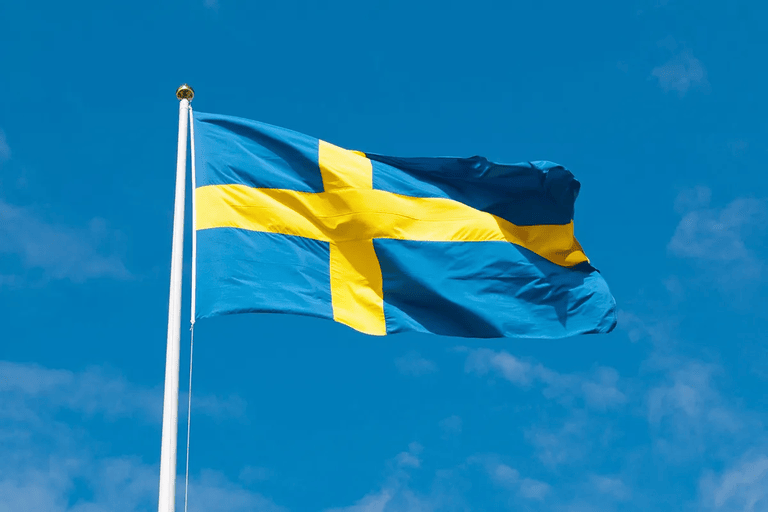
The Swedish Gambling Authority, known as Spelinspektionen, has issued a new report that sheds light on the extent and accessibility of unregulated online gambling in Sweden. The findings raise concerns about the growing influence of offshore operators who bypass national licensing rules, and how these platforms continue to engage Swedish consumers despite regulatory restrictions.
This detailed assessment not only outlines the current state of the market but also highlights the limitations of the Swedish legal framework in addressing these threats. With the government now reviewing potential reforms, Spelinspektionen is intensifying its push for stronger tools to enforce consumer protection and market integrity.
Growth of offshore gambling: a persistent regulatory challenge
Although Sweden transitioned to a re-regulated gambling market in 2019, where operators must acquire a national license to legally offer gambling services, illegal online gambling remains prevalent. The new report confirms that numerous gambling sites operating outside the Swedish licensing system are still accessible to Swedish players. These unlicensed platforms often operate from jurisdictions with minimal oversight, enabling them to offer more aggressive marketing and high-risk games that circumvent Sweden’s consumer protection rules.





















Despite their legal status, these platforms can be easily found through online searches, social media, and affiliate marketing channels. Some of them also disguise their presence by using mirror domains or hiding behind intermediary websites that mask their true origins.
Estimated user base of unlicensed platforms
One of the report’s more striking conclusions is that while a vast majority of players in Sweden choose legal gambling services, a small but significant portion — estimated to be fewer than 5% — engage in gambling through unlicensed sites. This percentage may appear minor at first glance, but considering Sweden’s high internet penetration and interest in gambling activities, it equates to a sizable number of individuals.
These players are often attracted to platforms promising greater bonuses, lower restrictions, or the anonymity that comes with playing outside the regulated environment. However, such benefits come at the cost of legal protections, transparency, and recourse in the event of disputes.
How unlicensed operators attract Swedish users
The Swedish Gambling Authority has developed several monitoring techniques to better understand how illegal operators reach local users. Their research uncovered a variety of methods employed by these sites to bypass national restrictions and draw in Swedish players. These include:
Localised content strategies
Many illegal gambling websites are specifically tailored to appeal to Swedish users. These platforms frequently use the Swedish language throughout their interfaces, offer customer support in Swedish, and incorporate payment methods that are popular in Sweden. This localised approach creates an illusion of legitimacy and familiarity, making the user feel as though they are accessing a sanctioned service.
Use of affiliate networks
Affiliate marketers play a major role in steering traffic toward unlicensed gambling platforms. These affiliates often operate websites that compare various gambling providers, with a focus on bonus offerings, payout rates, or game selection. While appearing neutral, many of these websites are paid by unlicensed operators to promote their services through affiliate links. As a result, players may unknowingly end up on platforms that operate outside Swedish jurisdiction.
Targeted advertising and social media
Spelinspektionen also identified targeted digital marketing as a common tool used by illegal gambling companies. Ads presented in Swedish or using culturally relevant imagery and references are frequently served to Swedish users on social media platforms, gaming forums, and streaming websites. These marketing efforts deliberately blur the lines between legal and illegal platforms, particularly for casual users or those unfamiliar with licensing rules.
Evasion of payment and technical restrictions
In response to restrictions imposed by authorities, some unlicensed operators have adapted by partnering with third-party payment processors or using crypto-based transaction methods. These payment tools help them bypass banking blocks and allow Swedish users to deposit and withdraw funds without raising red flags. Similarly, many use proxy services or frequently rotate domain names to avoid detection by internet service providers.
Legal restrictions and the limits of current enforcement
Under existing Swedish legislation, Spelinspektionen’s authority to intervene against illegal gambling is constrained by what is known as the “targeting criterion.” This legal principle limits the regulator's powers to cases where there is clear evidence that an operator is actively targeting the Swedish market.
Examples of targeting include websites written in Swedish, the use of .se domains, or marketing campaigns specifically aimed at Swedish consumers. If these indicators are not present, even if the platform is accessible to Swedes, the Gambling Authority cannot legally take enforcement action.
This limitation presents a significant loophole. Operators that merely keep their services in English and avoid directly advertising in Sweden can often escape scrutiny, even while continuing to accept Swedish customers.
Calls for reform and legislative updates
Recognising these enforcement challenges, the Swedish government has commissioned a formal inquiry into expanding the legal scope of Spelinspektionen’s powers. The findings of this review are expected to be delivered no later than 17 September 2025 and may lead to significant changes in how the regulator can identify and act against offshore gambling operators.
In the meantime, Spelinspektionen continues to conduct targeted enforcement within the bounds of existing laws. According to Director General Camilla Rosenberg, this work remains critical in reducing the visibility and appeal of illegal gambling options.
“We welcome the ongoing investigation into the expanded scope of application, which is to be reported no later than 17 September this year. Despite the problems with the current scope of application, we believe that our interventions, where possible, are important and have an effect. It is therefore important that we continue our work to combat illegal gambling even during the ongoing investigation of the regulations,” Rosenberg stated.
Dangers to consumer safety and public policy
One of the central concerns raised in the report is the lack of consumer protection on unlicensed sites. Licensed gambling providers in Sweden are obligated to comply with strict requirements on responsible gambling, age verification, data security, and financial transparency. These measures are designed to protect players from harm and to ensure that gambling remains a form of entertainment rather than a source of exploitation.
In contrast, unlicensed operators are under no such obligations. They may allow underage gambling, fail to provide effective tools for self-exclusion, or misuse user data. Many also operate in ways that expose consumers to fraud, unfair games, or the inability to claim winnings. From a policy perspective, the proliferation of such platforms undermines national efforts to promote responsible gambling and protect vulnerable individuals.
Strategies for future enforcement
To confront these ongoing risks, Spelinspektionen is advocating for a more comprehensive strategy. This includes not only legal reform but also greater technological capability and inter-agency cooperation. Specifically, the Authority aims to:
- Enhance monitoring systems: By investing in tools that track gambling traffic and identify suspicious operators in real time.
- Work with financial institutions: To block payments to and from identified unlicensed platforms.
- Coordinate with ISPs: For the implementation of IP blocking or DNS filtering to restrict access to illegal websites.
- Launch public awareness campaigns: Educating consumers about the risks of using unlicensed platforms and how to recognise legitimate operators.
Learning from international examples
The Swedish experience mirrors challenges faced by other EU countries that regulate online gambling. Countries such as the Netherlands, France, and Denmark have all implemented strategies to combat offshore gambling, with varying degrees of success. Some have created publicly available blacklists of banned sites, while others use sophisticated geoblocking or financial penalties to deter unlicensed activity.
By examining how other nations have responded to similar challenges, Sweden may find new tools or partnerships to enhance its regulatory framework.
Looking ahead: safeguarding the regulated market
With the regulatory inquiry underway and the Gambling Authority’s continued efforts to enforce existing rules, Sweden is entering a pivotal phase in its fight against illegal gambling. The outcome of the September 2025 report may significantly reshape the national approach to online gambling enforcement.
In the meantime, Spelinspektionen continues to act where it can, issuing cease-and-desist orders, warning operators, and taking measures against affiliates promoting illegal sites. However, without stronger legal authority, its ability to fully protect the regulated market remains limited.
As the gambling landscape evolves, so too must the tools and laws that govern it. The Swedish government’s willingness to revisit and potentially strengthen Spelinspektionen’s powers signals a recognition that in a digital world, regulatory agility is essential.
Conclusion
The rise of unlicensed gambling platforms in Sweden poses a serious threat to consumer protection and the integrity of the regulated market. While Spelinspektionen continues to act within its current legal framework, the need for stronger enforcement tools is clear. With the upcoming legal review expected later this year, Sweden has an important opportunity to modernise its gambling regulations and close the gaps exploited by offshore operators. Protecting players and maintaining a safe gambling environment must remain a top priority.
FAQs
What is Spelinspektionen and what does it regulate?
Spelinspektionen is Sweden’s national gambling authority, responsible for issuing licenses and enforcing rules for gambling operations in the country.
Why is unlicensed gambling a concern for Swedish authorities?
Unlicensed platforms bypass national consumer protection laws, exposing players to potential harm and undermining the integrity of the legal market.
How are unlicensed sites reaching Swedish players?
These operators use tactics like Swedish-language websites, targeted online ads, affiliate marketing, and payment processors that evade restrictions.
What is the targeting criterion?
The targeting criterion limits enforcement to cases where operators clearly aim their services at the Swedish market, such as via local language or marketing.
What legal changes are being proposed?
A government inquiry is reviewing the scope of enforcement powers and may recommend broader authority for the Gambling Authority to act against offshore sites.
How many Swedes gamble on unlicensed websites?
The authority estimates fewer than 5% of players in Sweden use unlicensed gambling services, though this still represents a large number of users.
What risks do players face on unlicensed platforms?
Risks include lack of responsible gambling tools, poor data security, unfair games, and difficulties recovering funds or winnings.
Can the authority block payments or websites?
Currently, it can only intervene in limited cases, but it is pushing for expanded powers to block payments and access to illegal websites.
Are other countries facing similar issues?
Yes, many EU countries struggle with unlicensed gambling and have adopted various enforcement mechanisms such as blacklists and payment bans.
When will new legal recommendations be published?
The findings of the current legal review are expected by 17 September 2025 and may pave the way for significant regulatory changes.

Paula Nancy
Hello and Welcome to my profile. I'm a UK based entrenched full-time Blogger, Journalist, columnist and a certified writer with many years of sound writing experience. If you need a high-quality and original content, I'm here to provide you with the best writing services.
Related Posts



Onlyplay launches Hot Dunk basketball slot with free spins
April 10, 2026

Italy reconsiders gambling ad ban to boost football funding
April 10, 2026