















Illegal Occupation of Fort Bengħajsa to End Soon

Fort Bengħajsa, a significant piece of Malta’s cultural and military heritage, is set to undergo a transformative process aimed at reclaiming and rehabilitating the site. The government has announced plans to address its illegal occupation, which has persisted for over a decade. Sources indicate that action to take back the site and begin restoration efforts is imminent, potentially marking a turning point for the neglected Grade 1 heritage site.
Historical Significance of Fort Bengħajsa
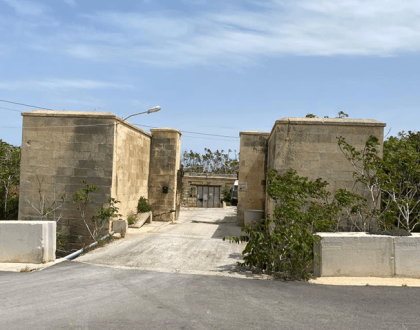
Located near Birżebbuġa, Fort Bengħajsa stands as one of Malta’s most notable military fortifications. Constructed by the British between 1910 and 1912, it was designed as a coastal defense installation to safeguard the island during a period of heightened geopolitical tension. The fort's strategic location along a cliff edge made it a critical part of Malta's coastal defenses, capable of housing six large gun emplacements.
Designated a Grade 1 heritage site in 1996, Fort Bengħajsa is protected under the Cultural Heritage Act. This designation prohibits any form of demolition or alteration that would affect its external appearance or historical integrity, except for approved restoration projects. Despite this high level of protection, the fort has suffered significant neglect and misuse, raising concerns about Malta’s commitment to preserving its cultural landmarks.






















A Decade of Illegal Occupation
Over the years, Fort Bengħajsa has been converted into an unauthorized hunting complex, with significant structural changes made to its grounds. Illegal activities include the construction of a house and garages within the fort’s premises. Additionally, the surrounding moat has been turned into an unsightly dumping ground for various types of waste, including construction debris, scrap metal, and discarded furniture.
The illegal occupation of the site dates back to the expiration of leases initially granted decades ago. In 2011, all legal agreements for plots within the fort came to an end, but the occupants refused to vacate the premises. Efforts to enforce eviction orders have been delayed, allowing the squatters to remain on-site and continue altering the property.
Government Action and Legal Challenges
In response to mounting public and parliamentary pressure, the government has initiated legal proceedings to reclaim the fort. In October, Lands Minister Stefan Zrinzo Azzopardi confirmed that formal notices had been issued to individuals occupying the site. These notices were addressed to nine named individuals and “unknown occupants,” informing them that their legal right to occupy the plots had expired over a decade ago.
The individuals identified include Emanuel Ellul, Louis Vella, Julian Vella, George Louis Vella, Joelene Grima, Richard Azzopardi, Josephine Norman, George Borg, and Doris Borg. They were instructed to vacate both the plots they occupied and any additional areas of the fort that had been illegally taken over.
The Planning Authority has also issued enforcement notices against the illegal structures on the site. These notices include daily fines, but records show that these penalties remain pending.
Historical Leasing Practices and Neglect
The roots of the current issue can be traced back to outdated leasing practices. Starting in the 1970s, plots within Fort Bengħajsa were rented out for nominal annual fees, with the intention of supporting activities such as animal husbandry. By 1996, the annual rental fees for these plots ranged from €93 to €419. However, when these leases expired in February 2011, they were not renewed.
Former Lands Minister Silvio Schembri acknowledged in 2023 that eviction orders had been issued as early as November 2011. However, these orders were never enforced, allowing the illegal occupation to persist and the site to deteriorate further.
Ongoing Environmental and Hunting
The illegal activities at Fort Bengħajsa extend beyond unauthorized construction. The site has become a hub for hunting and trapping, activities that have further disrupted its historical and ecological value. Reports indicate the presence of hunting hides, trapping sites, and an aviary converted from one of the fort’s gun emplacements. Additionally, hunters have installed eucalyptus trees alongside makeshift rattles—constructed from lined cans—to scare birds into flight, making them easier to shoot.
These activities not only undermine the fort’s heritage value but also raise environmental concerns. The use of such techniques to manipulate wildlife has been criticized by conservation groups and hunting experts, who argue that it disrupts local ecosystems and damages the fort’s surrounding environment.
The Road to Rehabilitation
The government’s decision to take action marks a significant step toward restoring Fort Bengħajsa to its former glory. While the specifics of the rehabilitation process have not been disclosed, experts suggest that the site could be transformed into a cultural and educational center. Such a project would not only preserve the fort’s architectural and historical significance but also make it accessible to the public.
Rehabilitation efforts are expected to involve extensive cleaning, removal of illegal structures, and restoration of the fort’s original features. Additionally, measures will likely be taken to prevent further unauthorized activities, ensuring the long-term preservation of the site.
A Test of Governance and Cultural Commitment
The ongoing situation at Fort Bengħajsa highlights broader issues surrounding heritage preservation and governance in Malta. Delays in enforcing eviction orders and addressing illegal activities have drawn criticism from cultural heritage advocates, who argue that stronger action is needed to protect Malta’s historical landmarks.
The success of the planned reclamation and rehabilitation will serve as a litmus test for the government’s ability to balance competing interests while preserving the country’s cultural legacy. If successful, the project could set a precedent for the management of other neglected or misused heritage sites across Malta.
Looking Toward the Future
Fort Bengħajsa has the potential to become a symbol of Malta’s dedication to preserving its rich history. By reclaiming and rehabilitating the site, the government can demonstrate its commitment to cultural preservation and ensure that future generations can appreciate the island’s historical treasures.
Efforts to restore the fort will require a collaborative approach involving government authorities, conservation experts, and local communities. With proper planning and execution, Fort Bengħajsa could emerge as a beacon of Malta’s heritage, offering insights into the island’s past while serving as a resource for education and tourism.
Conclusion
Fort Bengħajsa stands as a vital reminder of Malta’s rich military and cultural heritage, yet its legacy has been marred by years of neglect and illegal occupation. The government’s renewed commitment to reclaim and rehabilitate the site offers hope for its preservation and restoration. By addressing past oversights and investing in its future, Fort Bengħajsa can be transformed into a beacon of historical and cultural significance, ensuring its value is safeguarded for generations to come.
FAQs
What is the current status of Fort Bengħajsa?
The site is set to be reclaimed and rehabilitated by the government following years of illegal occupation.
Why is Fort Bengħajsa considered important?
The fort is a Grade 1 heritage site, representing Malta’s military history and architectural significance.
What illegal activities have been reported at the fort?
Activities include unauthorized construction, hunting, trapping, and the dumping of waste.
Who are the individuals occupying the fort?
Nine named individuals and several “unknown occupants” have been identified as illegal squatters.
What actions are being taken to reclaim the fort?
The government has issued legal notices and plans to begin eviction and rehabilitation efforts in the coming weeks.
What was the original purpose of Fort Bengħajsa?
The fort was constructed by the British in the early 20th century as part of their coastal defense strategy.
What penalties have been issued for illegal occupation?
Daily fines have been imposed, but records show these penalties are still pending.
How will the fort be rehabilitated?
Restoration efforts will focus on removing illegal structures, cleaning the site, and preserving its historical features.
What role does the fort play in Malta’s heritage?
It serves as a symbol of Malta’s military history and is protected under the Cultural Heritage Act.
What is the long-term vision for Fort Bengħajsa?
The site could be transformed into a cultural and educational center, showcasing Malta’s history and attracting visitors.

Michael
With nearly 30 years in corporate services and investigative journalism, I head TRIDER.UK, specializing in deep-dive research into gaming and finance. As Editor of Malta Media, I deliver sharp investigative coverage of iGaming and financial services. My experience also includes leading corporate formations and navigating complex international business structures.
Related Posts






Spring culture fuels Malta tourism
April 4, 2026