How Danish AML Law Impacts Foreign Gambling Groups
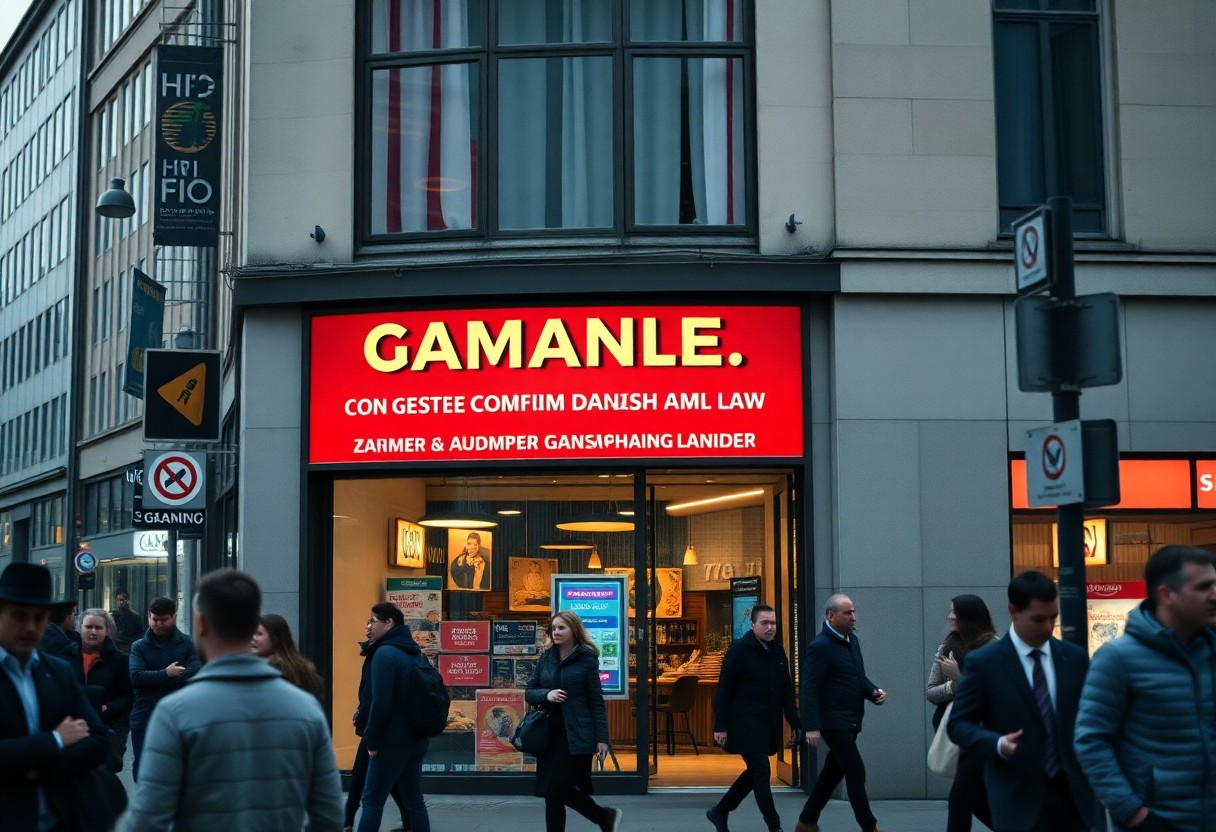
AML regulations in Denmark are designed to combat money laundering and promote transparency within the gambling industry, significantly affecting foreign operators seeking to enter the market. As these laws evolve, foreign gambling groups must navigate strict compliance requirements, including enhanced customer due diligence and reporting obligations. This post investigates into the intricacies of Danish anti-money laundering legislation, exploring how it impacts foreign gambling entities and the strategic adjustments required to ensure compliance while maintaining competitive advantage in an increasingly regulated environment.
The Danish AML Framework: An In-Depth Look
Danish AML laws consist of a comprehensive framework aimed at preventing money laundering and financing of terrorism across various sectors, including the gambling industry. Grounded in EU directives, these regulations require strict vigilance, reporting protocols, and customer due diligence processes to ensure financial integrity. The evolving nature of these laws reflects Denmark's commitment to maintaining a robust and transparent gambling environment while safeguarding against illicit activities.
Key Components of AML Regulations
Key components of Danish AML regulations include customer identification measures, ongoing monitoring of transactions, and mandatory reporting of suspicious activities. Operators must implement Know Your Customer (KYC) protocols to verify the identities of players and assess their financial transactions for any signs of irregularity. Furthermore, casinos and betting companies are required to maintain detailed records of customer interactions, enhancing the traceability of funds.





















Implementation and Compliance Requirements
Implementation of AML regulations in the Danish gambling sector mandates that foreign operators adapt their practices significantly. This involves establishing a comprehensive AML compliance program tailored to local regulatory expectations. Regular training and awareness sessions for staff members are crucial to ensure adherence to AML standards, coupled with robust risk assessment processes that evaluate customers' potential for engaging in money laundering activities.
Compliance requirements also dictate that foreign gambling operators designate a dedicated AML officer responsible for oversight and ensuring that all practices align with regulatory obligations. Operators must work diligently to create an effective reporting framework for suspicious activities and establish continuous monitoring systems that mitigate risks. Failure to comply with these requirements can result in hefty fines, license suspensions, or complete revocation, making it crucial for foreign gambling groups to prioritize their compliance strategies within the Danish market. The intertwining of technology and human oversight will further bolster the effectiveness of these AML measures.
How AML Regulations Shape Market Entry for Foreign Gambling Operators
Navigating the landscape of Danish gambling regulations requires foreign operators to align with stringent AML initiatives designed to ensure a secure marketplace. These laws create a framework that governs how companies can enter the Danish market, compelling them to adopt robust compliance measures that protect against illicit activities while enhancing consumer trust. As a result, foreign operators must conduct thorough risk assessments and provisions before establishing a local presence, significantly influencing their strategies and operational models.
Barriers to Entry: Licensing and Regulatory Oversight
Foreign gambling operators face formidable barriers in the form of extensive licensing requirements and regulatory scrutiny. To obtain a license in Denmark, operators must demonstrate compliance with AML stipulations, conduct customer due diligence, and disclose beneficial ownership structures. This regulatory oversight not only streamlines the approval process but also aims to prevent operators from engaging in suspicious activities, thereby solidifying consumer safety.
Financial Implications: Costs of Compliance
The financial burden of compliance with Denmark's AML regulations can be substantial for foreign gambling groups. Initial licensing fees can range from hundreds of thousands to millions of Danish krone, depending on the scope of operations, while ongoing costs related to maintaining compliance, such as hiring specialized staff and implementing technology systems for monitoring transactions, can further escalate expenses.
In addition to direct costs, foreign operators must also consider indirect financial implications. For instance, failure to meet compliance expectations could result in hefty fines, potential legal fees, or even revocation of licenses, leading to lost revenues during downtime. Companies might invest in advanced KYC (Know Your Customer) and AML technologies to ensure they meet the rigorous demands of the market, meaning that long-term operational strategies must be carefully crafted to absorb these expenses while remaining competitive. As such, the financial landscape for foreign operators in Denmark is shaped by both the costs of compliance and the potential risks of non-compliance, making a sound financial strategy paramount to sustained market entry and growth.
The Ripple Effects: Competition and Market Dynamics
As foreign gambling groups adjust to Danish AML laws, the competitive landscape within the market undergoes significant changes. Compliant operators who effectively implement robust anti-money laundering measures not only enhance their reputations but can also capture a larger share of the player base. This increasing quality of offerings from regulatory-compliant entities drives innovation and service improvements, ultimately benefiting consumers while intensifying competition across the sector.
The Competitive Edge of Compliant Operators
Operators that adhere to Danish AML regulations gain a substantial competitive advantage by establishing themselves as trustworthy and reliable choices for consumers. Their commitment to compliance often translates into enhanced customer service, advanced security measures, and responsible gambling initiatives, attracting and retaining more players in an increasingly cautious market.
The Displacement of Non-Compliant Foreign Entities
The stringent requirements of Danish AML laws have placed immense pressure on non-compliant foreign gambling operators, resulting in a notable decrease in their market presence. This displacement fosters a healthier gambling environment where only entities meeting regulatory expectations can thrive, leading to improved standards across the industry.
Non-compliant foreign entities find it increasingly difficult to operate within the Danish market as regulators tighten enforcement and impose penalties for contraventions. Reports indicate that in 2022 alone, several non-compliant operators were fined millions for failing to adhere to AML regulations, forcing many to exit the market entirely. This trend not only safeguards consumers from potential fraud but also reinforces the legitimacy of compliant operators, allowing them to dominate the competitive landscape as trusted providers in a now more regulated environment.
Real-World Consequences: Success Stories and Cautionary Tales
The tangible effects of Danish AML law on foreign gambling groups reveal both success stories and cautionary tales. Compliant operators have found themselves thriving within the regulatory framework, while those neglecting their obligations face steep penalties and reputational damage. A balanced approach to compliance not only ensures legality but also fosters customer trust, which is critical in the competitive gambling industry.
Case Examples of Compliant Foreign Gambling Groups
Successful examples include several UK-based operators that adapted their systems to meet Danish AML requirements. By instituting robust customer identity verification and continuously monitoring transactions, they not only maintained their licenses but also increased player retention through enhanced trust. Consequently, these operators reported a significant boost in market share and overall revenue in Denmark.
Pitfalls for Groups Ignoring AML Regulations
Ignoring AML regulations can result in severe consequences, including hefty fines, operational shutdowns, and lasting damage to an operator's reputation. High-profile cases involving foreign gambling groups that faced prosecution in Denmark highlight the importance of vigilance. For instance, one major international operator found itself barred from the market after repeated violations, resulting in a loss of millions in potential revenue and long-lasting brand damage.
In one notable case, a foreign gambling group continued operations in Denmark despite a history of non-compliance with AML laws. Their failure to establish a robust compliance program led to an investigation by the Danish Gambling Authority, culminating in a hefty fine of DKK 20 million (approximately USD 3 million). Compounding the issue, the operator lost access to their Danish customer base while struggling to regain trust in other markets, illustrating how non-compliance can result in not just financial penalties, but also operational limitations that ripple through global markets.
Navigating the Regulatory Landscape: Best Practices for Foreign Operators
Successfully entering and operating in the Danish gambling market requires foreign operators to adopt best practices that align with local laws and regulatory expectations. Emphasizing compliance and transparency strengthens their position and mitigates risks associated with AML violations. Furthermore, maintaining open channels of communication with the Danish Gaming Authority and integrating technology for monitoring transactions can enhance their operational integrity and responsiveness to regulatory changes.
Developing a Robust AML Program
A comprehensive AML program acts as the backbone for foreign operators navigating Danish regulations. This includes implementing robust customer due diligence protocols, transaction monitoring systems, and ongoing employee training on compliance and ethical standards. Tailoring these measures to address specific risks within the gambling sector ensures that operators can effectively identify and mitigate potential money laundering activities.
Engaging Local Expertise: The Role of Legal Counsel
Collaboration with local legal experts equips foreign gambling operators with invaluable insights into Danish AML laws. Experienced legal counsel offers guidance on regulatory compliance, helping firms to adapt their operations while minimizing legal pitfalls. Accessing localized legal knowledge not only streamlines licensing processes but also facilitates a smoother understanding of necessary compliance obligations.
Legal counsel provides foreign gambling groups a nuanced understanding of the intricacies of Danish law and how it applies to specific business models. With ongoing changes in the regulatory landscape, legal experts can offer real-time updates on potential impacts and strategies to overcome challenges. Additionally, they can assist in preparing documentation required for licensing and compliance audits, ultimately enabling operators to navigate the Danish market with confidence and agility. Engaging attorneys well-versed in gambling law also fosters stronger relationships with regulators, enhancing the likelihood of a favorable operating environment.
Summing up
Drawing together the insights on Danish AML law, it is evident that these regulations significantly influence foreign gambling groups operating within Denmark. Enhanced compliance requirements necessitate rigorous anti-money laundering measures, impacting operational strategies and cost structures for these entities. As they navigate the complexities of Danish legal frameworks, foreign operators must adapt their practices to ensure adherence, thereby fostering a more secure gambling environment while facing the challenge of balancing regulatory compliance with business viability. This dynamic ultimately shapes the competitive landscape of the Danish gambling market.
FAQ
Q: What are the primary requirements of Danish AML law for foreign gambling operators?
A: Danish AML law mandates that foreign gambling operators must implement comprehensive anti-money laundering (AML) measures to ensure compliance when operating within Denmark. This includes conducting thorough customer due diligence (CDD), monitoring transactions for suspicious activities, and reporting any findings to the authorities. These operators are also required to maintain detailed records of transactions and customer identification for a specified period, facilitating regulatory audits and investigations if necessary.
Q: How does non-compliance with Danish AML law affect foreign gambling groups operating in Denmark?
A: Non-compliance with Danish AML law can have significant consequences for foreign gambling groups. Operators found in violation may face substantial fines and legal penalties, which can severely impact their business operations. Additionally, regulatory authorities may suspend or revoke the operator's license to offer services within Denmark, not only affecting their current business but also damaging their reputation in the long term. Continuous non-compliance can lead to further scrutiny and potential restrictions in other jurisdictions as well.
Q: What role does the Danish Gambling Authority play in enforcing AML regulations for foreign gambling firms?
A: The Danish Gambling Authority (DGA) plays a pivotal role in enforcing AML regulations for foreign gambling firms operating in Denmark. It oversees compliance with the AML law and has the authority to audit and investigate gambling operators. The DGA provides guidance on AML practices, ensuring that operators understand their responsibilities. Furthermore, the authority has the power to impose fines, require remedial actions, or revoke licenses for non-compliance, ensuring that the integrity of the gambling sector is maintained and that the risk of money laundering is minimized.

Lisa
Welcome. I am an experienced writer and I am ready to help you with all forms of writing needs you require. Education B.A. - linguistics, University of Wisconsin-Whitewater, United States, Graduated 2006.
Related Posts

Golden Whale appoints Jaime Ocampo as Asia Managing Director
April 13, 2026



Onlyplay launches Hot Dunk basketball slot with free spins
April 10, 2026