















Mdina Malta travel guide and history

Just a stone's throw from the hustle and bustle of Malta's modern life lies Mdina, a fortified medieval city often dubbed the “Silent City.” With its rich history, stunning architecture, and picturesque views, it's easy to see why Mdina attracts countless visitors each year. However, some question whether its charm is merely superficial, prompting a closer examination of what truly lies within its ancient walls. This blog post examines into the factors that contribute to Mdina's allure and seeks to determine if it lives up to its reputation or is merely an elegant facade.
Decoding Mdina: More Than Just a City
A Brief History Embedded in Stone
Mdina's historical narrative is etched in its fortifications and architecture. Founded around 700 BC, this ancient city served as the capital of Malta until the medieval period. The impressive ramparts tell tales of various conquerors, with Phoenician, Roman, Byzantine, and Arab influences shaping its evolution. The remnants of the 1565 Great Siege are visible in its sturdy walls, representing both a strategic military advantage and a testament to the city's resilience.
Architectural Marvels: A Walk Through Time
Wandering through Mdina's narrow, winding streets unveils a tapestry of architectural wonders. Gothic and Baroque styles intermingle, creating an aesthetic that is both enchanting and reflective of its storied past. Iconic structures like the St. Paul's Cathedral, with its stunning dome, exemplify the city's ecclesiastical heritage, while palaces like the Palazzo Falson showcase the wealth of its former nobility.





















The architecture of Mdina serves as a visual chronicle of its diverse ruling periods. The contrasts between the Renaissance facades and Baroque details highlight the evolution of design philosophies. For instance, the ornate wooden balcony of the Casa Azzopardi contrasts with the austere stonework of the Knights of St. John. Each edifice contributes layers to the historical narrative, inviting visitors to explore centuries of craftsmanship and cultural transitions that shaped not just Mdina, but Malta as a whole. Walking through its gates feels like stepping back in time, where every corner reveals a new story waiting to be uncovered.
The Allure of Mdina's Peace and Tranquility
A Contrast to Bustling Valletta
Just a short drive from Valletta, Mdina offers an idyllic escape from the capital's vibrant energy. Valletta thrums with life, from its crowded streets to the endless buzz of shops and restaurants, making Mdina's tranquil atmosphere all the more appealing. Walking through Mdina's narrow, winding lanes feels like stepping back in time, where the only sound is the soft echo of footsteps against ancient cobblestones.
The Serene Atmosphere: A Tourist's Paradise
The serene atmosphere of Mdina enchants visitors, making it a sought-after sanctuary amidst Malta's frenetic pace. Here, you can find a slower rhythm of life, allowing for moments of reflection and appreciation. The city's quiet charm fosters an intimate connection with its rich history and stunning architecture, presenting an experience that is both enchanting and restorative.
Strolling through Mdina, one can find themselves captivated by the picturesque vistas of the surrounding countryside. With its fortified walls and palatial buildings, the city not only evokes a sense of history but also provides an idyllic setting for quiet contemplation. Even during peak tourist season, the crowds are manageable, allowing visitors to linger at landmarks like St. Paul's Cathedral or the panoramic balcony view over Rabat. Secluded cafes tucked away in corners invite you to enjoy a moment of peace with a local pastry and coffee, enhancing the overall idyllic experience that Mdina presents.
Culinary Delights: Savoring Mdina's Flavors
From Traditional to Modern: The Culinary Scene
Mdina's culinary scene offers a delightful blend of rich traditions and modern interpretations, reflecting Malta's diverse cultural heritage. Traditional recipes dating back centuries coexist with innovative dishes from skilled local chefs who experiment with local ingredients. Popular venues range from cozy family-run establishments, where time-honored recipes are cherished, to chic bistros that present contemporary cuisine with a Maltese twist, ensuring every palate is catered to in this enchanting city.
Must-Try Dishes and Local Delicacies
Several dishes set Mdina apart from other destinations, showcasing the region's unique flavors and ingredients. Must-try items include rabbit stew, known as “fenek,” a staple since the Knights of St. John ruled Malta, and pastizzi filled with ricotta or peas, which make for a perfect snack while exploring the streets. For those with a sweet tooth, can't-miss treats like “torta tal-l-Ingliz,” a delightful sponge cake layered with jam and cream, ensure a truly memorable dining experience.
Rabbit stew stands as a cultural hallmark, often marinated in wine and herbs, simmered to tender perfection, and reflecting the island's culinary heritage. Meanwhile, pastizzi, with their flaky pastry, not only offer a taste of Malta but are also a celebrated street food staple, available at countless bakeries across the city. The “torta tal-l-Ingliz,” infused with flavors reminiscent of a traditional English trifle, offers a delightful contrast to the savory options, allowing visitors to sample the delightful range of Maltese cuisine. Each bite tells the story of Mdina's history and culture, making these local delicacies an imperative part of the experience.
Cultural Treasures: Museums and Heritage Sites
Unveiling Mdina's Rich Cultural Fabric
The essence of Mdina is woven through its stunning architecture, medieval streets, and vibrant history, creating a rich cultural fabric that captivates visitors. As a former capital of Malta, this ancient city showcases the legacies of diverse civilizations through timeless monuments and stunning artworks embedded in its walls. Elements inherent to various cultures can be appreciated in the intricate stone carvings, impressive churches, and the overall layout of the city, all encouraging a deeper understanding of Mdina's significant role in Maltese heritage.
Noteworthy Museums and Their Hidden Gems
Among Mdina's many attractions are its remarkable museums, each harboring hidden treasures that tell stories of the past. The National Museum of Natural History and the Mdina Cathedral Museum stand out, offering insight into Malta's artistic and natural heritage. Displays of traditional crafts, rare fossils, and stunning ecclesiastical artifacts invite visitors to explore not just the exhibits but also the narratives behind them. With each museum possessing unique collections, these hidden gems reflect Mdina's vibrant history, revealing what lies beneath the surface of this enchanting city.
At the National Museum of Natural History, housed in the legendary Palazzo Vilhena, intriguing exhibits range from ancient geological formations to stunning displays of Maltese wildlife. One of its most mysterious attractions is a rare bird fossil, providing a glimpse into the island's prehistoric wildlife. Similarly, the Mdina Cathedral Museum offers an impressive collection of liturgical art and artifacts, including a mesmerizing tapestry that dates back to the 17th century. These collections not only enrich the visitor experience but also serve as reminders of the diverse influences that have shaped Mdina throughout the centuries.
Events and Festivals: Experiencing Mdina's Vibrancy
Annual Festivals that Bring the City to Life
Mdina's annual festivals transform this historic city into a vibrant hub of cultural activities, attracting locals and tourists alike. Notable events such as the Mdina Medieval Festival celebrate the city's rich history with jousting tournaments, historical reenactments, and artisanal crafts. The festival, held in April, showcases traditional music, dance, and culinary delights, all set against the backdrop of Mdina's ancient architecture, making it an immersive experience that pays homage to the past.
Community Engagement and Cultural Celebrations
Mdina's residents actively participate in various cultural celebrations that reflect the city's deep-rooted traditions. Throughout the year, the community organizes artisan fairs, music festivals, and religious processions, each celebrating unique aspects of Maltese heritage. These events offer an opportunity for locals to share their craftsmanship and stories while inviting visitors to connect with the culture on a personal level.
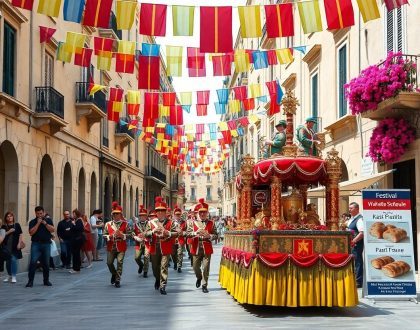
During the Feast of St. Publius, for example, the streets bloom with decorations, and the air fills with the sounds of traditional band marches and fireworks. Residents prepare feasts and open their doors, inviting visitors to experience authentic Maltese hospitality. These cultural celebrations not only preserve Mdina's traditions but also foster a sense of community that enhances the overall visitor experience, making it feel less like a tourist destination and more like a living, breathing city rich in stories and warmth.
Perspectives from Local Residents
Life Inside the Historic Walls of Mdina
Living within the ancient walls of Mdina offers a unique perspective filled with the charm of history and community. Residents cherish their close-knit environment, often experiencing a blend of modern life intertwined with medieval architecture. The narrow streets echo tales of times gone by, and the awe-inspiring views from the bastions create a living postcard. Many locals proudly engage in preserving the city's traditions while enjoying amenities that cater to today's lifestyle, making Mdina feel like both a sanctuary and a home.
The Balance Between Tourism and Community
Tourism saturates Mdina, drawing in over 500,000 visitors annually, and while this influx contributes significantly to the local economy, it also challenges residents' day-to-day lives. As local businesses thrive, some residents voice concerns over noise, crowding, and the commercialization of their heritage. This balance is delicate; residents advocate for initiatives that promote sustainable tourism yet maintain the integrity of their cherished community.
The dynamic between tourism and resident life is a focal point for many locals who appreciate the economic benefits but also desire a space that remains their own. Initiatives like guided night tours exclusively for locals highlight the potential of blending tourism with community needs. Likewise, community meetings allow residents to voice their concerns directly to city planners, advocating for policies that ensure that Mdina retains its character amid commercial pressures. By doing so, they aim to create a vibrant atmosphere that welcomes visitors while preserving the essence of life inside these historic walls.
Analyzing Mdina's Tourism Impact
Evaluating Economic Contributions to the Region
The influx of tourists to Mdina plays a significant role in Malta's economy, contributing over €2.4 billion annually to the national GDP. Local businesses such as restaurants, boutiques, and artisan shops benefit greatly, with many reporting a noticeable increase in sales during peak tourist seasons. Moreover, the demand for local craftsmanship and traditional Maltese products fosters job creation, supporting thousands of families in the region. Events like the annual Mdina Medieval Festival further enhance this economic landscape, drawing crowds and boosting entrepreneurial activities.
The Environmental Footprint of Increased Visitors
With tourism comes the challenge of managing environmental impacts. The rise in visitor numbers has led to escalated waste generation and strain on local resources. Over the past decade, Mdina witnessed a significant increase in foot traffic, leading to concerns about maintaining its historical integrity and natural surroundings. To combat these issues, local authorities have started implementing measures aimed at sustainable tourism, striving to balance economic growth with ecological preservation.
This environmental footprint is not merely a statistic but a tangible reminder of the pressures facing historical sites. For instance, some areas of Mdina have reported increased erosion and wear as a direct result of heavy foot traffic. In response, initiatives such as guided tours aimed at regulating visitor flow and preserving less-traveled pathways have emerged. Additionally, a commitment to eco-friendly practices, like waste reduction and responsible tourism campaigns, is necessary to ensuring that Mdina remains a heritage gem for future generations while still catering to the present-day tourist experience.
Comparisons with Other Historic Locations
| Location | Highlights |
|---|---|
| Ronda, Spain | Famous for its dramatic cliffside position and the Puente Nuevo bridge, Ronda offers breathtaking views and a rich Moorish history. |
| Toledo, Spain | A melting pot of Christian, Muslim, and Jewish influences, Toledo features medieval architecture and a vibrant artistic heritage. |
| Jerusalem, Israel | Steeped in religious significance, Jerusalem's Old City is characterized by ancient walls, sacred sites, and historical diversity. |
| Dubrovnik, Croatia | Known for its well-preserved Renaissance architecture and stunning coastal scenery, Dubrovnik boasts a rich maritime history. |
How Does Mdina Measure Up?
Mdina holds its own when compared to other renowned historic locations. Its unique blend of medieval architecture and vibrant history creates a sense of timelessness. While Ronda and Toledo feature dramatic landscapes and diverse cultural influences, Mdina's compact size makes it an intimate experience, allowing visitors to walk through centuries of history in just a few hours. From the moment you step through the city gates to the stunning viewpoints, Mdina provides a captivating journey that rivals many larger cities.
Lessons from Other Popular Destinations
Historic locations worldwide often face similar challenges regarding tourism management and preservation, and Mdina is no exception. Popular destinations demonstrate the importance of balancing visitor access while protecting historical integrity. For instance, cities like Jerusalem have implemented visitor caps during peak seasons to mitigate overcrowding, an approach that Mdina could consider to maintain its charm and avoid overwhelming its narrow streets.
Experiencing a place in-person fosters a deeper appreciation for its cultural significance. Mdina can learn from destinations like Dubrovnik, which has effectively utilized guided tours to enhance visitor knowledge while safeguarding key sites. By creating structured yet flexible tourist experiences, Mdina can provide insights into its history without sacrificing the city's serene ambiance, ensuring that its treasures endure for future generations to explore.
Reviews and Reactions: What Do Visitors Really Think?
Examining TripAdvisor Ratings and Comments
On TripAdvisor, Mdina boasts an impressive rating of 4.6 stars, with numerous reviews praising its enchanting ambiance and stunning architecture. Visitors frequently highlight the city's well-preserved medieval streets and panoramic views, calling it a ‘fairy-tale experience.' However, some comments reflect concerns about crowds during peak tourist seasons, with a handful noting that these factors detracted from the city's otherwise captivating allure. Overall, the consensus underscores Mdina as a must-visit gem, albeit one best explored with timing considerations in mind.
Personal Stories: Memorable Experiences Shared
Many travelers share heartfelt stories about their visits to Mdina, emphasizing the emotional connections forged in this ancient city. From couples recounting romantic walks under the warm Mediterranean sun to families who created lasting memories exploring the winding streets, each tale offers a unique glimpse into the magic of Mdina. One visitor described stumbling upon a small art exhibit tucked away in a quiet courtyard, which sparked an enlightening conversation with a local artist and truly encapsulated the spirit of the city. These personal anecdotes illustrate that Mdina's charm extends far beyond its stunning visuals; the experiences it fosters leave a lasting impact.
Hidden Corners of Mdina: The Unseen Attractions
Off the Beaten Path: Lesser-Known Spots
While the main streets of Mdina are bustling with visitors, plenty of lesser-known spots lie hidden in the shadows. Wander along the narrow side streets to discover quaint cafes, local artisan shops, and charming courtyards. The San Pawl Chapel, tucked away from the main thoroughfare, is a gem adorned with beautiful frescoes. Additionally, the quiet bastions offer serene views over the surrounding countryside, a perfect retreat from the crowd.
Secrets of Mdina: Legends and Lore
The rich tapestry of Mdina's history is woven with fascinating legends that add depth to its ancient walls. One of the most captivating tales is that of the ‘Phantom of Mdina'—an elusive figure said to haunt the City Gate, guiding lost souls through the shadows. Food enthusiasts might be intrigued by the legend of the ‘Knights' Feast,' where knights supposedly buried their treasures in the catacombs beneath the city. Each story enriches a visit, inviting exploration beyond the surface.
Others claim that the curse of the city's original name—'Melita'—brought misfortune upon its rulers. The mixed tales of love, betrayal, and valor have been passed down through generations, creating an alluring mystique around every corner. As historic sites like the Mdina Cathedral evoke a sense of reverence, these stories breathe life into the ancient stones, making every step a journey through time. Engaging with these legends gives visitors a deeper understanding of Mdina's significance and the cultural heritage that shapes the city today.
Practical Tips for Making the Most of Your Visit
Exploring the enchanting streets of Mdina can be an unforgettable experience, but planning your visit wisely can enhance it even further. From timing your trip to imperative pointers for navigating the city, these tips will ensure you get the most out of your journey.
Best Times to Visit for an Authentic Experience
Visiting Mdina during the early morning or late afternoon offers a serene atmosphere, allowing you to explore its stunning architecture without the heavy crowds. Aim for weekdays, particularly during the shoulder seasons of spring and autumn, to enjoy a more intimate experience of this historic city.
Essential Travel Tips: Navigating Mdina Like a Local
To truly immerse yourself in the essence of Mdina, consider going beyond the well-trodden paths. Start your exploration at the main gate, since the cobbled streets can be tricky to navigate without a good map, or follow your instincts and enjoy getting lost in the labyrinth of narrow alleys. Opt for walking rather than driving to keep the city's charm intact.
- Wear comfortable shoes; the uneven cobblestones can be quite challenging.
- Download a map app for navigation, as cellular service may be spotty.
- Local guides often provide insight into less-known historical tidbits.
- Bring a refillable water bottle to stay hydrated while exploring.
This approach allows you to discover hidden gems that most visitors overlook and connect with the history of the city on a deeper level.
- Visit the Mdina Dungeons Museum for a unique insight into the darker side of local history.
- Take time for leisurely coffee breaks at local cafés; it's a great way to soak in the atmosphere.
- Try to engage in conversations with locals for authentic recommendations.
- Check the calendar for any cultural events happening during your visit.
This will not only enrich your visit but may lead you to unforgettable experiences and insights about the city's vibrant culture.
Dissecting the ‘Facade' of Mdina's Reputation
Analyzing Common Criticisms of Mdina
Critics often label Mdina as overly commercialized, suggesting that the authenticity of its historical charm has been compromised. Some argue that the heavy tourist traffic and the proliferation of souvenir shops have diluted its allure. In particular, visitors voice concerns that some attractions feel staged, prioritizing entertainment over historical significance, which can lead to a superficial experience rather than immersing in the city's rich past.
The Truth Behind the Hype: Fact or Fiction?
A closer examination reveals that while some criticisms of Mdina hold weight, many aspects contribute to its reputation as a must-visit destination. The city's stunning architecture and panoramic views offer genuine historical and visual significance, drawing admiration from many travelers. Although commercialization exists, the allure of Mdina's narrow cobblestone streets and medieval structures cannot be easily dismissed.
Delving deeper into the truth behind the hype, Mdina's historical significance spans over 2,000 years, with roots tracing back to the Phoenicians. Its architecture showcases a blend of Norman, Baroque, and Arabic influences, providing an authentic glimpse into Malta's diverse cultural tapestry. Surveys and discussions among repeat visitors often highlight that experiencing Mdina at off-peak hours reveals a more serene and insular charm, allowing for a deeper appreciation of its storied past. Ultimately, the city's undeniable beauty and historical depth warrant a genuine visit, beyond the facade critics sometimes suggest.
What Lies Ahead: The Future of Mdina
Changes on the Horizon: Preservation vs. Progress
The intricate balance between preserving Mdina's historical significance and accommodating modern advancements poses a challenge for local authorities. With plans to enhance tourist facilities and infrastructure, the city must tread carefully, ensuring that any developments do not erode the charm that defines this medieval gem. Efforts to maintain the architectural integrity of its streets while introducing necessary amenities will shape the city's future.
Balancing Tourism Growth with Heritage Conservation
Mdina faces a dilemma that many popular tourist destinations grapple with—how to welcome increasing visitor numbers while safeguarding its rich heritage. Striking this balance means implementation of sustainable tourism practices that not only enhance the visitor experience but also protect sensitive areas of the city. Initiatives such as limiting visitor numbers during peak times, promoting guided tours that emphasize historical depth, and encouraging off-peak visitation can help mitigate the impact on Mdina's delicate environment.
In practice, Balancing Tourism Growth with Heritage Conservation requires collaboration between local stakeholders, including government bodies, conservationists, and businesses. Programs that educate tourists about the city's history can foster respect for its heritage while potentially reducing wear and tear on its most revered sites. Moreover, integrating technology, like virtual tours or augmented reality experiences, can engage visitors without necessitating physical changes to the landscape, thereby preserving its authenticity. As Mdina navigates this era of growth, thoughtful planning will be important to ensure that this enchanting city remains a treasured landmark for generations to come.
To wrap up
Presently, Mdina stands as a remarkable testament to Malta's rich history and architectural beauty, often exceeding expectations for visitors. Beyond its picturesque streets and medieval charm, the city offers a unique glimpse into the past, reflecting centuries of cultural evolution. While some may perceive it as merely a tourist hotspot, Mdina's layered narratives and tranquil atmosphere provide a profound experience. In the long run, Mdina is undoubtedly worth the hype, serving as a captivating destination that combines historical significance with scenic allure.
FAQs
Why is Mdina called the Silent City?
Mdina is known as the Silent City due to its peaceful atmosphere, quiet streets, and limited traffic, offering a stark contrast to bustling Valletta.
What is the historical significance of Mdina?
Founded around 700 BC, Mdina was Malta’s capital for centuries and reflects Phoenician, Roman, Byzantine, Arab, and medieval European influences.
What are the must-see attractions in Mdina?
Highlights include St. Paul’s Cathedral, Palazzo Falson, the bastion viewpoints, the Mdina Cathedral Museum, and the National Museum of Natural History.
How does Mdina differ from Valletta?
While Valletta is lively and modern, Mdina offers a quieter, more intimate experience with medieval streets, fewer crowds, and a slower pace of life.
What traditional Maltese foods can I try in Mdina?
Popular choices include rabbit stew (fenek), pastizzi filled with ricotta or peas, and sweet treats like torta tal-l-Ingliz.
Are there cultural events or festivals in Mdina?
Yes, Mdina hosts the annual Medieval Festival, religious feasts like the Feast of St. Publius, and various artisan fairs and processions throughout the year.
What museums are located in Mdina?
The National Museum of Natural History in Palazzo Vilhena and the Mdina Cathedral Museum are among the city’s top cultural attractions.
How does tourism affect life in Mdina?
Tourism boosts the local economy but also brings challenges like crowding and preservation concerns. Residents seek sustainable tourism to balance heritage and modern life.
How does Mdina compare to other historic cities in Europe?
Mdina is smaller and more intimate than cities like Toledo or Dubrovnik, allowing visitors to explore centuries of history in a compact setting.
Are there hidden or lesser-known spots in Mdina worth visiting?
Yes—quiet bastions with countryside views, side-street cafes, San Pawl Chapel, and local artisan shops offer a more personal experience away from the crowds.

Paula Nancy
Hello and Welcome to my profile. I'm a UK based entrenched full-time Blogger, Journalist, columnist and a certified writer with many years of sound writing experience. If you need a high-quality and original content, I'm here to provide you with the best writing services.
Related Posts
Malta luxury travel demand rises
April 11, 2026

Spring travel trends favor Malta
April 10, 2026

Malta welcomes older travellers
April 9, 2026
Malta’s heritage in spring
April 8, 2026
Malta spring tourism campaigns
April 7, 2026
Spring travel lifts Malta operators
April 6, 2026
Spring culture fuels Malta tourism
April 4, 2026

Airbnb demand rises in Malta spring
April 3, 2026

Spring tourism drives Malta’s rentals
April 2, 2026