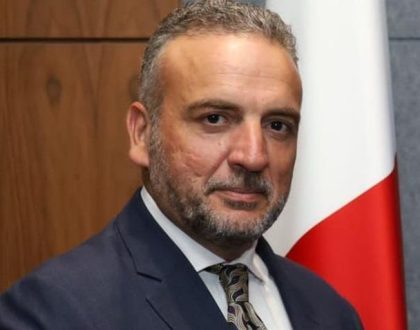
Jason Micallef faces criticism over Ta’ Qali intimidation

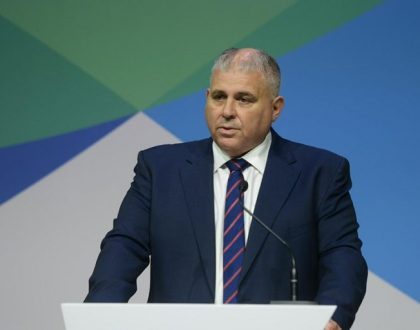
The controversy over the future of Malta’s open spaces has grown sharper after Jason Micallef, serving as the Prime Minister’s special delegate, announced his intention to pursue legal action against podcaster Trudy Kerr. His remarks, coupled with the broader controversy about public land management in Ta’ Qali, have prompted strong reactions from civil society and political stakeholders alike.
The origins of the dispute
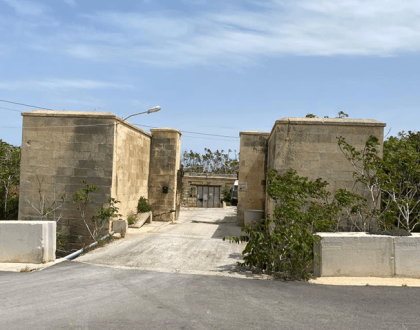
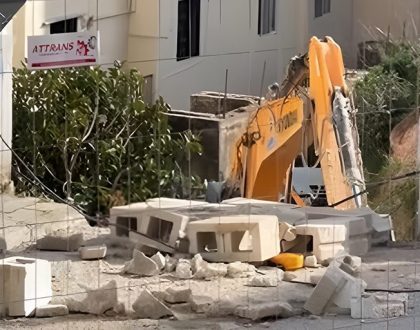
The controversy began when Trudy Kerr, a podcaster known for her commentary on environmental and social issues, published a video highlighting what she described as the “covering of a large green area in Ta’ Qali with gravel.” Her video captured the transformation of a well-loved picnic spot, where grassy areas and natural ground were said to have been covered with gravel, drastically changing the look and feel of the location.
Kerr’s video struck a chord with many Maltese residents who have long valued Ta’ Qali National Park as one of the few extensive open spaces available to the public. Families, walkers, and nature enthusiasts often gather there, making it a central feature of Malta’s recreational life.





















Momentum, a civil society organisation, quickly issued a statement defending Kerr’s video. It described the transformation of the area as turning “a popular public picnic area into a gravel wasteland.” Momentum argued that the video was an accurate representation of the situation and dismissed accusations of false reporting.
Jason Micallef’s reaction
Jason Micallef, in his capacity as both the head of Ta’ Qali National Park’s management and the Prime Minister’s appointed delegate for carrying out Labour’s electoral pledges, issued a forceful reply. He alleged that Trudy Kerr was circulating “fake news” and accused her of resorting to online harassment.
“I will be pursuing legal action against those who created the FAKE NEWS and malicious lie about the picnic area in Ta’ Qali,” Micallef declared publicly. He framed his response as a necessary intervention, arguing that government officials had been reluctant to challenge what he described as misinformation.
“I'm giving a warning because enough is enough,” Micallef stated. “Since this government is too afraid to confront the social media bullies, I'm not. The bullying by some on social media – where if you don't play their game, they can't make money – its time is up, and I will fight it with all my strength.”
His decision to threaten legal proceedings, however, sparked concern among journalists, activists, and opposition politicians. Critics argued that such tactics could silence legitimate debate and discourage citizens from raising environmental concerns.
Momentum’s response and solidarity with Trudy Kerr
Momentum strongly rejected Micallef’s accusations. Its general secretary, Mark Camilleri Gambin, emphasized that Kerr’s video was based on visible and verifiable facts.
“The situation depicted in the video is a verifiable fact, not fake news. Ms Kerr was rightfully pointing out the tragic loss of a beloved green space, and Jason Micallef is making a completely illogical accusation that aims to intimidate genuine citizens from speaking up,” Camilleri Gambin said.
Momentum underscored that Micallef himself had used social media as a platform to discredit Kerr, while simultaneously accusing her of bullying. The organisation pledged solidarity with Kerr and called on citizens to continue holding authorities accountable.
In addition, Momentum filed a Freedom of Information request with the public works authority. Through this request, it seeks transparency about the decision-making process that led to the gravelling of the Ta’ Qali site. The organisation has argued that citizens have a right to know how and why such changes were approved, given their long-term implications for public space use.
The Nationalist Party’s position
Shortly after Momentum’s statement, Malta’s Nationalist Party (PN) also issued a public condemnation of Micallef’s remarks. The party described his approach as intimidation aimed at silencing a journalist who was exercising her right to raise legitimate concerns.
The PN highlighted that Kerr was not alone in her criticism of the gravel works at Ta’ Qali. Many citizens have expressed dissatisfaction, with thousands signing a petition calling for accountability and reconsideration of the works.
“For merely posing legitimate questions about how this much-loved green space for families at Ta’ Qali was covered in gravel – in a video recorded on site – podcaster Trudy Kerr became the target of an attack by Jason Micallef,” the PN stated.
The party condemned Micallef’s description of Kerr as a “failed and phoney podcaster” and stressed that such language only served to inflame tensions. The PN further insisted that Prime Minister Robert Abela should not dismiss the matter as a mere “miscommunication issue.” Instead, the opposition called on Abela to formally condemn what it described as intimidation from his own appointed delegate.
Petition and public outcry
The controversy over Ta’ Qali has not remained confined to political statements. It has resonated widely among citizens, many of whom consider the site one of Malta’s most valuable green spaces.
Over 6,000 individuals have signed a petition calling for the protection of Ta’ Qali’s natural environment. A protest, organized by young activists, was scheduled at the park, underscoring how the issue has mobilized segments of the public concerned about environmental degradation and governance transparency.
For critics, the gravelling of Ta’ Qali represents more than just a change in landscaping. It symbolizes a broader trend of development and infrastructural decisions made without sufficient public consultation, often at the expense of cherished communal spaces.
Government silence and broader implications
Prime Minister Robert Abela has so far refrained from directly addressing the controversy. Reports indicate that he has treated the incident as a “miscommunication,” but critics argue that this minimizes the gravity of the intimidation claims.
The silence has raised questions about accountability and the relationship between appointed officials and the broader public. As Micallef holds a dual role—managing Ta’ Qali National Park and acting as a special delegate of the Prime Minister—critics argue that his words and actions carry significant weight.
Observers note that such disputes could have chilling effects on free expression, particularly when members of the public face legal threats for voicing concerns. Civil society organisations stress that citizens should not be made to fear reprisal when participating in discussions about public resources.
A debate about governance and public space
At its core, the controversy highlights deeper debates within Maltese society about governance, transparency, and environmental stewardship. Ta’ Qali, as a physical and symbolic space, has become the focal point of a clash between government-appointed administrators and citizens seeking greater accountability.
The accusations of intimidation made against Micallef illustrate the tensions that arise when public officials wield legal threats against critics. For Momentum, the PN, and many ordinary citizens, this episode represents a test case for whether Malta’s democratic institutions will protect open debate and the right to dissent.
As petitions circulate and protests gather momentum, the controversy is unlikely to fade quickly. Instead, it may shape broader conversations about how Malta balances development with the preservation of its limited green spaces.
Conclusion
The dispute over Ta’ Qali has become more than an argument about landscaping or park management. It now stands as a test of how Malta’s institutions respond to public dissent, criticism, and the exercise of free expression. Jason Micallef’s threat of legal action against Trudy Kerr has triggered widespread concern, not only because of its implications for one individual but also for the precedent it could set for how citizens engage with their government.
As thousands rally behind petitions and prepare for public demonstrations, the issue underscores the value Maltese society places on its few remaining open spaces. It also highlights the demand for accountability in how decisions affecting public land are taken. Whether or not the dispute leads to court proceedings, the debate has already expanded into broader questions of governance, transparency, and the balance between authority and civic participation.
In the end, Ta’ Qali has become a symbolic battleground—one where the protection of green spaces intersects with the protection of democratic freedoms. The government’s response, or lack thereof, may determine not just the future of this park, but also public trust in the country’s commitment to open dialogue and accountability.
FAQs
What triggered the controversy at Ta’ Qali?
The controversy began when podcaster Trudy Kerr posted a video showing that a green picnic area in Ta’ Qali had been covered with gravel, sparking public concern.
Why did Jason Micallef threaten legal action?
Micallef claimed that Kerr’s video was “fake news” and said he would pursue legal proceedings to combat what he described as social media bullying.
How did Momentum respond?
Momentum defended Kerr, stating that her video showed verifiable facts, and accused Micallef of using intimidation tactics against citizens who speak out.
What role does Jason Micallef hold?
He manages Ta’ Qali National Park and also serves as the Prime Minister’s special delegate responsible for implementing Labour’s electoral programme.
What did the Nationalist Party say about the issue?
The PN condemned Micallef’s remarks, expressed solidarity with Kerr, and urged Prime Minister Robert Abela to take a firm stance against intimidation.
How have citizens reacted?
Over 6,000 people signed a petition opposing the gravel works, and activists organized a protest to demand accountability and protection of Ta’ Qali.
Has the government commented?
Prime Minister Robert Abela reportedly downplayed the matter as a “miscommunication,” but has not directly addressed the intimidation concerns.
Why is Ta’ Qali significant?
Ta’ Qali National Park is one of Malta’s largest open spaces, popular for recreation, family outings, and community gatherings, making its management highly sensitive.
What are the legal concerns surrounding this case?
Critics worry that legal threats against citizens and journalists could discourage free speech and public scrutiny of government decisions.
What broader issues does this controversy raise?
The case underscores tensions between development and environmental preservation, as well as questions about governance, transparency, and accountability in Malta.

Ash
I like to keep it short. I am a writer who also knows how to rhyme his lines. I can write articles, edit them and also carve out some poetic lines from my mind. Education B.A. - English, Delhi University, India, Graduated 2017.