Joseph Muscat granted partial access to frozen accounts
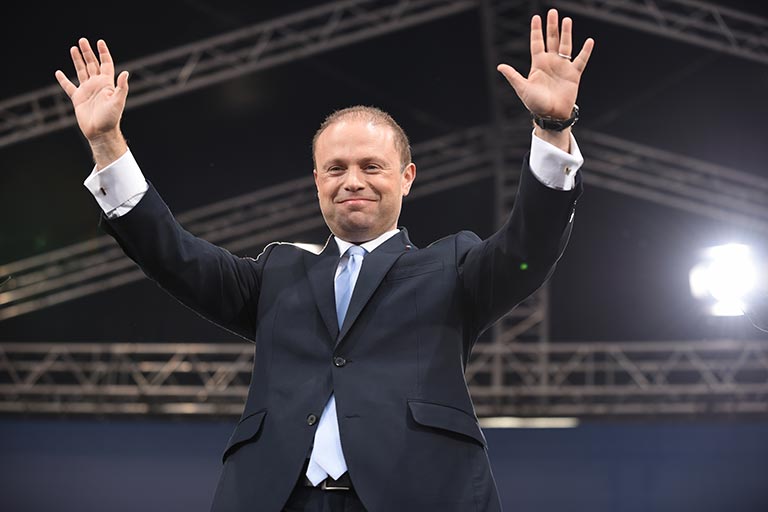
Malta’s former Prime Minister, Joseph Muscat, continues to be embroiled in a legal battle that has significant political and financial implications. His involvement in alleged corruption, bribery, and money laundering has made headlines both locally and internationally, as Malta grapples with the broader implications of governance and accountability.
Muscat, who led the Mediterranean island nation from 2013 to 2020, resigned under immense pressure following growing allegations of government-linked corruption. One of the most controversial scandals tied to his tenure involves the privatization of three state hospitals, a deal that has since been declared fraudulent by a court inquiry. The gravity of the situation was further underscored in 2023 when a €30 million asset freeze was imposed on him by the Maltese Criminal Court. This drastic measure affected his bank accounts, properties, and financial holdings, effectively limiting his access to his wealth while investigations and legal proceedings continued.
However, in a recent ruling, the Criminal Court has permitted Muscat partial access to his frozen funds, citing the need to cover essential financial obligations. The decision marks a significant development in the ongoing case, though the larger corruption allegations remain unresolved.





















Court Ruling: Limited Access to Frozen Bank Accounts
A court variation order, issued by Judge Edwina Grima, has allowed Muscat to access funds from three frozen accounts—two held at Bank of Valletta and another with EM@ney Plc. The ruling grants Muscat the ability to settle outstanding payments totaling approximately €187,000. However, strict conditions apply to how these funds can be used, ensuring they are allocated only to specific expenses.
Permitted Payments Under Court Order
The court ruling allows Muscat to utilize his accounts exclusively for the following financial commitments:
Tax Obligations:
- €118,298 for provisional tax owed to the Inland Revenue Department.
- €4,231 in outstanding stamp duties.
- €20,619 in unpaid VAT for 2024.
Education Fees:
- Over €25,000 to cover tuition for his twin daughters at the QSI International School in Mosta.
Personal Financial Obligations:
- Payments toward home loans, ensuring his mortgage remains in good standing.
- Health and home insurance premiums.
- Repayment of personal loans.
This ruling reflects a balancing act between ensuring Muscat can meet essential financial responsibilities while maintaining the integrity of the asset freeze order, which remains largely in place.
The Rationale Behind the €30 Million Asset Freeze
The asset freeze imposed on Muscat was a historic first for a former Maltese Prime Minister and underscores the seriousness of the allegations against him. The court acted on evidence suggesting Muscat personally benefited from illicit financial transactions linked to a fraudulent hospitals' concession deal.
The freeze was intended to prevent Muscat from transferring or concealing assets that could be subject to future confiscation or legal claims. Prosecutors have defended the €30 million valuation, arguing that it aligns with the magnitude of suspicious financial transactions linked to Muscat’s tenure.
Muscat’s legal team, however, has challenged this, arguing that the amount is grossly inflated. His lawyers maintain that the freeze should be limited to just €60,000, reflecting only three payments received from Accutor AG, a Swiss company implicated in the controversial hospital concession. This legal dispute over the appropriate scale of the asset freeze remains ongoing.
The Vitals Global Healthcare (VGH) Scandal: A Corruption Case Unraveled
The corruption charges against Muscat are directly tied to the highly controversial privatization of three Maltese state hospitals—St. Luke’s Hospital, Karin Grech Rehabilitation Hospital, and Gozo General Hospital. The Maltese government, under Muscat’s leadership, awarded the contract to Vitals Global Healthcare (VGH) in 2015.
From the outset, there were major red flags surrounding VGH. Despite securing the multi-million-euro contract, the company lacked experience in hospital management and failed to deliver on its promises. Investigative reports later revealed that VGH was financially unsustainable and incapable of managing such a large-scale healthcare concession.
By 2018, VGH transferred its contract to Steward Health Care, an American company, for a token sum of €1. This raised further suspicions, prompting deeper investigations into the deal’s legality and legitimacy.
Joseph Muscat’s Alleged Involvement and Financial Transactions
A forensic inquiry uncovered that Accutor AG, a Swiss firm involved in processing government payments related to the hospitals' deal, had funneled funds to Muscat. The timeline of these transactions raises significant concerns:
- Shortly after resigning in January 2020, Muscat received €15,000 payments in March and April from Accutor AG.
- These payments were flagged by UBS Bank, leading to the freezing of Accutor’s accounts due to suspicions of money laundering.
- After this, Muscat’s payments were redirected through Spring X Media AG, another Swiss entity controlled by Wasay Bhatti, the same businessman linked to Accutor AG.
- Additional payments followed before being halted once again due to financial institution concerns.
Prosecutors argue that these payments were kickbacks disguised as consultancy fees, while Muscat insists they were legitimate payments for advisory services.
Judicial Findings and Future Legal Ramifications
A Maltese court has since ruled that the hospitals’ privatization deal was fraudulent from the very beginning. Judge Francesco Depasquale declared that the agreement had been engineered to benefit specific individuals, pointing out that VGH had inside knowledge of government plans before the tender was even announced.
This ruling paves the way for potential further criminal charges against multiple parties, as investigators continue to uncover the full extent of corruption linked to the deal.
Public and Political Backlash
The Muscat corruption case has fueled public anger and ignited political protests across Malta. Opposition parties and anti-corruption groups have demanded stricter measures to hold current and former officials accountable. Meanwhile, transparency advocates are calling for major reforms to prevent similar abuses of power in the future.
The government now faces increasing pressure to recover lost public funds and ensure that those involved in corruption face the full force of the law.
What Lies Ahead?
As Muscat continues his legal battle, his reputation remains deeply tarnished. His access to limited financial resources does little to change the broader picture—he is still under investigation for one of the most significant corruption cases in Malta’s history.
With ongoing court challenges, public scrutiny, and political fallout, the final outcome of this case will have lasting implications for Malta’s political and legal landscape.
Conclusion
The legal proceedings against Joseph Muscat represent a pivotal moment in Malta’s political and judicial history. The partial unfreezing of his assets highlights the complexity of balancing legal accountability with financial obligations. As the corruption case unfolds, its implications extend beyond Muscat himself, shaping the nation’s approach to transparency, governance, and the fight against financial crime. The final outcome will not only determine Muscat’s fate but also influence Malta’s international reputation and its commitment to upholding the rule of law.
FAQs
What is the latest court ruling on Joseph Muscat’s frozen assets?
The court has allowed Muscat partial access to his frozen bank accounts to cover specific financial obligations, including taxes, tuition fees, and loan repayments.
Why was Joseph Muscat’s €30 million asset freeze imposed?
The asset freeze was implemented as part of a corruption and money laundering investigation linked to a fraudulent hospitals' privatization deal during his tenure as Prime Minister.
What expenses is Joseph Muscat allowed to pay from his frozen accounts?
He can only use the funds for provisional tax, VAT, stamp duties, tuition fees for his children, mortgage payments, insurance, and personal loan repayments.
What is the Vitals Global Healthcare (VGH) scandal?
The scandal involves the fraudulent privatization of three Maltese hospitals, where public funds were allegedly misused, and corruption links were uncovered.
How is Accutor AG linked to Joseph Muscat?
Accutor AG, a Swiss company, allegedly funneled payments to Muscat shortly after his resignation, raising suspicions of kickbacks and money laundering.
Did Joseph Muscat personally benefit from the VGH deal?
Investigations suggest he received payments linked to the hospital deal through Accutor AG, though Muscat denies they were bribes.
What was the court’s verdict on the hospitals’ privatization deal?
A Maltese court ruled the deal was fraudulent and should never have been approved, stating it primarily served private interests rather than public healthcare needs.
What penalties does Joseph Muscat face if found guilty?
If convicted, he could face significant financial penalties, confiscation of assets, and potential imprisonment for corruption and money laundering.
What impact has this scandal had on Malta’s political landscape?
The case has intensified calls for political accountability, anti-corruption reforms, and increased scrutiny of government contracts.
What are the next legal steps in Joseph Muscat’s case?
Muscat continues to challenge the asset freeze in court while prosecutors proceed with further investigations and potential additional charges.

Ash
I like to keep it short. I am a writer who also knows how to rhyme his lines. I can write articles, edit them and also carve out some poetic lines from my mind. Education B.A. - English, Delhi University, India, Graduated 2017.