Joseph Portelli Hal Far Project Faces Permit and Grant Risks

Recent developments in the Maltese industrial property sector have brought attention to Gozitan developer Joseph Portelli and his Hal Far warehouse project. Several potential investors have expressed concern after discovering that the warehouses being promoted by Portelli do not yet have the necessary planning permits. The situation has created significant uncertainty for prospective buyers and raises questions about compliance with Malta Enterprise grant schemes designed to support small and medium-sized enterprises (SMEs).
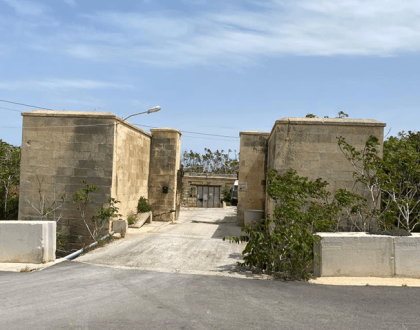
The Hal Far area, traditionally a field of agricultural and open land, has recently come under scrutiny due to ambitious development plans. Portelli’s project envisions the construction of more than 60 industrial warehouses, which would dramatically transform the landscape. While such development could potentially benefit the local economy by providing space for industrial and artisanal businesses, the absence of permits has placed both investors and the developer in a complex legal position.
Malta Enterprise Grant Scheme and Its Requirements
The Maltese government has introduced a grant scheme to assist SMEs in acquiring or renting industrial properties. This initiative is particularly important in the context of limited available industrial estate space. The scheme is designed to provide financial support to businesses looking to establish or expand their operations, with grants covering up to 50% of eligible costs, and a maximum government contribution of €300,000 over six years.





















The scheme is structured to provide direct cash support in the initial three years, followed by tax credits in the subsequent three years. Its intent is to stimulate the growth of small-scale industries, many of which focus on artisanal and niche production, and to compensate for the lack of available government-owned industrial spaces.
However, strict eligibility criteria apply. Only properties that have received a full industrial permit from the Planning Authority (PA) qualify for grants. Buildings that are still in the permit application stage, or those being marketed without a permit, are not eligible. This requirement ensures that public funds are allocated to projects that comply with planning regulations and reduces the risk of disputes or financial losses for SMEs.
Investor Experiences and Challenges
Several prospective buyers of Portelli’s warehouses reported encountering difficulties when applying for grants. They claim that agents representing the developer misled them by suggesting that they would qualify for the government’s grant program if they proceeded with the purchase.
“Malta Enterprise explicitly informed us that Portelli’s project in Hal Far is not eligible for any grants because it lacks a permit. This information is in stark contrast to what their agents told me when I expressed interest in acquiring a €700,000 warehouse,” one industrialist said.
Another potential investor expressed frustration about the misleading assurances: “It is unfair that these agents are making us believe that we can recover €300,000 from the government if we buy from them. What happens if a permit is not granted?” These accounts highlight the potential risks for buyers who rely on information from developers or agents without verifying permit status independently.
The Role of Planning Permits
Planning permits play a critical role in the Maltese real estate sector, particularly for industrial developments. They are intended to ensure that any construction complies with zoning laws, environmental regulations, and safety standards. The permit process also helps prevent illegal or unsafe development that could negatively impact the community or the broader economy.
In Portelli’s case, the Hal Far project has not yet received approval from the Planning Authority. Portelli submitted an application in March 2025 to convert the field into an industrial park, but the Planning Authority has not issued any recommendations or approvals. Without this permit, any sales or investment promises tied to government grants are considered premature and potentially misleading.
Historical Context of Permit Issues
Joseph Portelli’s approach is not entirely unprecedented. The developer has previously faced legal and regulatory challenges regarding planning permits. In Sannat, Gozo, permits for a row of penthouses constructed by Portelli were revoked by the courts due to irregularities in the planning process. Similar issues arose in a Mellieha development, where permits issued without proper compliance were annulled.
These past incidents underscore the risks associated with purchasing property from developers who market projects before securing full planning approval. Buyers who enter agreements without confirmed permits may encounter significant delays, financial losses, or even the need to reverse completed transactions if legal authorities intervene.
Broader Implications for the Real Estate Market
The Hal Far situation illustrates a wider challenge in the Maltese property market. Developers marketing properties without permits can create confusion and mistrust, discouraging investment and potentially slowing the growth of the SME sector.
For buyers, it has become increasingly important to conduct due diligence, including confirming planning permit status and verifying the legitimacy of marketing claims. Investors must be cautious, particularly when significant public grants are involved. The integrity of government grant programs depends on transparent practices and adherence to established legal frameworks.
Risks for Buyers and Investors
Purchasing property without confirmed permits exposes buyers to multiple risks. Financially, the buyer may lose deposits or payments made toward a property if the permit is denied or revoked. Legally, disputes may arise regarding misrepresentation or contractual obligations, potentially leading to litigation. Additionally, any construction or business activities undertaken on the property without proper permits could result in fines, forced demolition, or other regulatory actions.
Prospective investors should also consider the potential reputational risk associated with investing in properties sold without transparency. Associations with unapproved developments can affect public perception and credibility, particularly for SMEs seeking government support or partnerships with other businesses.
Recommendations for Prospective Buyers
Potential investors considering industrial properties in Hal Far or similar developments should take specific precautionary measures:
- Verify that the property has a full industrial permit issued by the Planning Authority before entering into any agreements.
- Consult legal professionals to assess the implications of purchasing properties without confirmed permits.
- Request all relevant documentation, including planning applications, approvals, and any communications with authorities.
- Evaluate the financial and operational risks of proceeding with a purchase before permit approval is granted.
- Ensure clear, written communication with the developer and agents regarding any claims about eligibility for government grants.
These steps help safeguard buyers against financial loss and legal complications while ensuring compliance with Maltese laws.
Ethical Considerations in Property Marketing
Beyond legal compliance, ethical conduct in property marketing is crucial. Developers have a responsibility to provide accurate and transparent information to potential buyers. Misleading claims about grant eligibility or the status of permits not only create legal risks but also erode trust within the property market.
Portelli’s case highlights the tension between aggressive marketing strategies and the necessity for compliance with regulatory standards. Transparency and ethical business practices are essential to maintaining confidence in the real estate sector and protecting both investors and the wider community.
Potential Economic Impacts
While Hal Far’s industrial development could offer opportunities for SMEs and create employment, the uncertainty surrounding permits and grant eligibility may dampen investor enthusiasm. If potential buyers hesitate due to legal uncertainties, the development could face delays, reducing its intended economic benefits.
Additionally, repeated incidents of unpermitted sales may influence government policy, prompting stricter enforcement of planning regulations and additional safeguards for grant schemes. Maintaining confidence in Malta’s industrial property market is essential to attract both domestic and foreign investment.
Conclusion
The Hal Far warehouse project led by Joseph Portelli exemplifies the challenges associated with property development without confirmed planning permits. While ambitious industrial projects can benefit SMEs and the local economy, they must adhere to legal requirements and maintain transparency in marketing and communications.
Prospective buyers and investors are advised to conduct thorough due diligence, consult legal advisors, and verify all permits before committing to purchases. Adhering to legal and ethical standards protects both investors and the integrity of government programs, ensuring that Malta’s industrial property sector develops in a sustainable and trustworthy manner.
FAQs
What is the status of Joseph Portelli’s Hal Far warehouse project?
The project is still in the planning application stage and does not have approved permits.
Can a property without a permit be sold in Malta?
Yes, but purchasing such a property carries financial and legal risks.
Who qualifies for the Malta Enterprise grant scheme?
SMEs purchasing or renting industrial properties with full planning permits qualify for the grants.
Why is a planning permit required for grant eligibility?
A permit ensures that the property complies with zoning, safety, and regulatory standards before government funds are allocated.
Has Joseph Portelli faced permit-related challenges before?
Yes, previous projects in Sannat and Mellieha had permits revoked due to irregularities.
What risks do buyers face without confirmed permits?
They may face financial loss, legal disputes, and operational restrictions if permits are denied or revoked.
How can investors protect themselves when buying property?
Verify permits, consult legal professionals, review documentation, and confirm grant eligibility before committing.
What impact could this situation have on Malta’s real estate market?
It could reduce buyer confidence and slow the pace of industrial property investments.
Are there ethical concerns in marketing properties without permits?
Yes, misleading buyers about grant eligibility or permits can erode trust and create legal complications.
What is the recommended approach for developers to comply with regulations?
Obtain all necessary permits before marketing properties and provide clear, transparent information to potential buyers.

Anna Amstill
I am an avid Blogger and Writer with more than 6 years of experience with Content Writing. An Online Marketing expert specializing in Blog writing, Article writing, Website content, SEO specific Keyword content and much more. Education B.A. - business management, York University, Canada, Graduated 2016.