Kottonera Foundation Board Bigger Than Its Workforce

The Kottonera Foundation was established to oversee the rehabilitation and regeneration of Malta's historic Kottonera region, which includes the cities of Cospicua, Senglea, and Vittoriosa. Tasked with improving infrastructure while preserving the area’s rich cultural heritage, the Foundation operates as an extension of local councils. However, concerns have been raised regarding its effectiveness, governance, and operational transparency.
Leadership and Organizational Structure
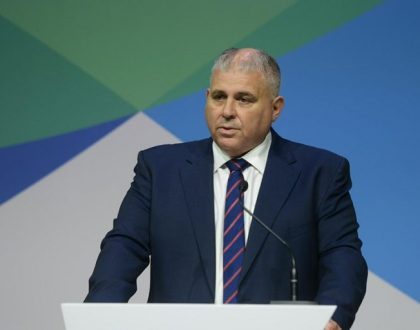
According to recent parliamentary disclosures, the Foundation's leadership structure includes a board of 12 members. The board is chaired by Joe Mizzi, a former Labour transport minister. His appointment followed his removal from the cabinet by Prime Minister Robert Abela, sparking speculation that his new role was a form of political compensation.
Mizzi receives an annual salary of approximately €40,000 in this position, in addition to his ministerial pension and a regular national insurance pension. The Foundation employs a total of 10 individuals, five of whom hold managerial positions, while the remaining five occupy junior roles. This raises concerns about the necessity of such a top-heavy structure and the actual day-to-day responsibilities of these employees.





















The Foundation’s Mandate and Objectives
The Kottonera Foundation was created with the goal of revitalizing the region, ensuring that its transformation maintains historical integrity while improving the quality of life for residents. The Foundation’s stated objectives include infrastructure development, cultural preservation, and sustainable urban renewal.
Beyond these broad aspirations, specific goals include environmental enhancements and the implementation of long-term initiatives to safeguard the region’s architectural heritage. However, public skepticism has emerged regarding whether these objectives are being met effectively.
Limited Public Engagement and Transparency
Despite its ambitious mandate, the Kottonera Foundation has faced criticism for its lack of transparency. The public remains largely unaware of its internal decision-making processes, and its communication strategy appears insufficient.
The Foundation's official website lists only two significant events in the past year—a concert in September and a New Year's Eve celebration. Such a minimal portfolio of initiatives raises questions about the extent of the Foundation’s actual impact on the region.
Financial Oversight and Resource Allocation
The Foundation operates on a budget of €800,000 for 2025. Given its stated mission, this budget should be used for infrastructure improvements, restoration projects, and public outreach efforts. However, with a large portion of resources seemingly allocated to administrative salaries and a relatively low number of projects undertaken, concerns over financial efficiency have surfaced.
Greater transparency in financial reporting, including public access to budget breakdowns and project expenditures, would be beneficial in building trust among residents and stakeholders.
Recent and Ongoing Projects
Despite concerns about its effectiveness, the Kottonera Foundation has been involved in several restoration efforts and urban renewal projects. Among the notable initiatives are:
Heritage Restoration Projects
- Restoration of Porto Salvo Gate and the Parish Church roof in Senglea.
- Repair and conservation of the Windmill of San Ġwann T’Għuxa in Cospicua.
- Preservation of the Notre Dame Gate and Auberge de France in Vittoriosa.
- Structural restoration of niches, bastions, and casemates at Fort Ricasoli in Kalkara.
Infrastructure and Public Space Enhancements
- Redevelopment of Pjazza Santa Margherita in Cospicua to include a play area, a kiosk, and a cultural centre.
- Enhancement of street lighting, public gardens, and waterfront areas in Senglea.
- Improvement of Vittoriosa’s Sensory Garden and pedestrian pathways.
- A proposed €15 million investment in Kalkara for promenade embellishments and the development of a pedestrian-friendly coastal route.
The Historical Importance of Kottonera
Kottonera has played a crucial role in Malta’s history, with its fortified cities serving as key strategic points during various conflicts. The Knights of St. John honored the region by granting each city a distinguished title—Cospicua as Città Cospicua, Senglea as Città Invicta, and Vittoriosa as Città Vittoriosa.
The region suffered extensive damage during World War II, and despite post-war reconstruction efforts, remnants of the devastation are still visible today. This historical context underscores the importance of preserving and revitalizing Kottonera with careful and well-planned initiatives.
Public Perception and Community Involvement
For the Kottonera Foundation to succeed in its mission, community engagement is essential. However, public perception of the Foundation has been mixed, with some residents questioning whether it has made a tangible impact. Open forums, public consultations, and increased transparency regarding decision-making processes could help bridge the gap between the Foundation and the community it serves.
Recommendations for Improved Governance
To enhance its effectiveness, the Kottonera Foundation should consider the following measures:
- Greater Transparency: Regular public updates on projects, financial reports, and decision-making processes.
- Stronger Community Engagement: Hosting town hall meetings and feedback sessions to incorporate public input.
- Accountability in Leadership: Ensuring that board members and executives are held to performance-based evaluations.
- More Focus on Execution: Shifting from administrative spending to actual project implementation.
Conclusion
While the Kottonera Foundation was established with noble intentions, its operational efficiency and financial transparency have come under scrutiny. With a significant budget and a board-heavy structure, there is growing concern over whether its leadership is prioritizing meaningful regeneration efforts. Moving forward, increased transparency, better financial oversight, and more engagement with the local community will be crucial in ensuring the Foundation achieves its intended impact.
Frequently Asked Questions
What is the Kottonera Foundation's main purpose?
The Foundation aims to rehabilitate and regenerate the Kottonera region while preserving its cultural and historical heritage.
Who is the chairman of the Kottonera Foundation?
The current chairman is Joe Mizzi, a former Labour transport minister.
How many employees work at the Kottonera Foundation?
The Foundation employs 10 individuals, including five in managerial roles and five in junior positions.
What is the annual budget of the Kottonera Foundation?
For 2025, the Foundation has an allocated budget of €800,000.
What projects has the Foundation undertaken?
The Foundation has been involved in restoration projects, infrastructure improvements, and cultural initiatives.
Why has the Kottonera Foundation faced criticism?
Criticism stems from concerns over financial transparency, a lack of visible projects, and an administrative-heavy structure.
What historical significance does Kottonera hold?
Kottonera is home to fortified cities with deep historical roots, including its role in World War II and its ties to the Knights of St. John.
How can the Foundation improve its effectiveness?
Greater transparency, stronger community engagement, and increased project execution are key areas for improvement.
Are there restoration projects currently in progress?
Yes, ongoing projects include the preservation of Fort Ricasoli, Notre Dame Gate, and other historical sites.
What measures could enhance financial accountability?
Regular public financial disclosures and audits would improve accountability and trust in the Foundation.

Ash
I like to keep it short. I am a writer who also knows how to rhyme his lines. I can write articles, edit them and also carve out some poetic lines from my mind. Education B.A. - English, Delhi University, India, Graduated 2017.
Related Posts


Spring travel trends favor Malta
April 10, 2026


Malta’s heritage in spring
April 8, 2026
Malta spring tourism campaigns
April 7, 2026