Labour MP’s New Role Sparks Political Criticism

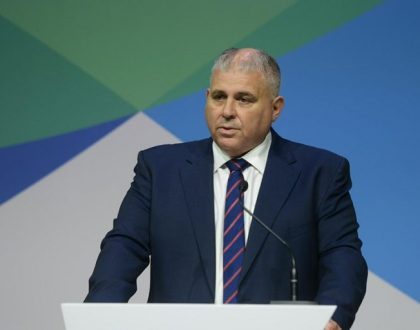
Former Labour MP Anthony Agius Decelis has been appointed chairman of Automated Revenue Management Services (ARMS Ltd), the government-owned entity responsible for managing Malta’s water and electricity billing system. This marks his second public appointment since losing his parliamentary seat in 2022, raising further concerns about political favoritism in government board appointments.
Agius Decelis, 59, was appointed by Energy Minister Miriam Dalli, despite his background as an ECG technician rather than a professional with extensive experience in financial or utility management. His appointment to this crucial entity adds to his already existing role as chairman of the Grand Harbour Regeneration Corporation (GHRC), another government-run entity that oversees infrastructural projects in the historic harbor area.
Political Connections Dominate ARMS Ltd Leadership
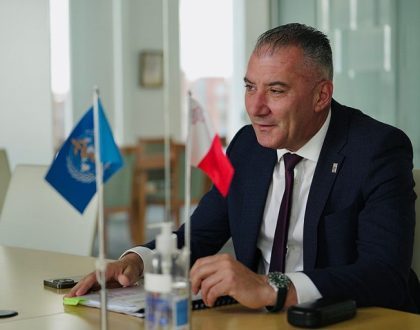
Anthony Agius Decelis will be joined on the ARMS Ltd board by deputy chair Ryan Pace, a close associate of Prime Minister Robert Abela. Pace, who was formerly Abela’s assistant at his private legal firm, has accumulated a staggering 11 government appointments, including his high-profile position as Chairman of the Malta Gaming Authority (MGA). His rapid rise to prominence has been widely criticized as emblematic of Malta’s culture of political patronage.





















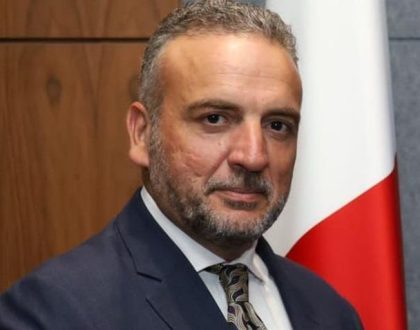
Adding to the controversy, the newly appointed company secretary, Ismael Psaila, is a young and relatively inexperienced lawyer. His primary claim to fame is his association with the legal defense team of disgraced former Prime Minister Joseph Muscat, who remains under investigation for corruption-related scandals.
Agius Decelis’ Expanding Portfolio of Public Roles
Despite losing his parliamentary seat in 2022, Agius Decelis has maintained a strong presence in the public sector. Apart from his chairmanship at ARMS Ltd and GHRC, he is also a member of the board of the Foundation for Social Welfare Services (FSWS). The FSWS is led by Alfred Grixti, a former Labour MP and a close associate of the ruling party.
In addition to these positions, Agius Decelis continues to hold a full-time government job and serves as a Labour local councillor in Mosta. His growing list of appointments has sparked criticism over the government’s practice of awarding political figures multiple public sector roles, often at the expense of merit-based selections.
A Web of Political Appointments at ARMS Ltd
The appointment of Agius Decelis is not an isolated case. ARMS Ltd has long been viewed as a stronghold of Labour Party-affiliated officials. The entity’s CEO, George Azzopardi, was previously the chief executive of the Labour Party before being handpicked by Prime Minister Robert Abela to lead ARMS Ltd. His transition from party administrator to government agency CEO is indicative of the blurred lines between the Labour Party and state institutions.
Other top officials at ARMS Ltd include Labour Treasurer Marisa Ciappara and Nikita Zammit Alamango, the president of the Labour Party’s women’s wing. Ciappara, in particular, has been at the center of controversy, as she was found to be managing a private business from her office at ARMS Ltd—an apparent violation of her employment contract. However, no disciplinary action was taken against her, further fueling concerns about preferential treatment for Labour-affiliated individuals within public institutions.
Replacing Another Political Insider
Agius Decelis replaces Nadia Pace as chair of ARMS Ltd. Pace, a known government insider, has now moved on to a consultancy role at Malta Enterprise, another state entity. Her partner, Anthony David Gatt, who previously worked as a Labour Party reporter, has also been appointed as a chief officer within the same agency. These appointments further highlight the trend of government roles being distributed among politically connected individuals.
Growing Concerns Over Political Patronage in Malta’s Public Sector
The pattern of government appointments based on political loyalty rather than professional expertise has been a long-standing issue in Malta. Critics argue that such practices weaken the efficiency and integrity of public institutions, as key positions are awarded based on partisan allegiance rather than merit. This has been particularly concerning in sectors such as energy, finance, and gaming, where strong, independent leadership is essential for transparency and accountability.
Several governance watchdogs and opposition figures have raised alarms over the increasing number of political figures being granted multiple government roles. They argue that such appointments consolidate political power within public entities and prevent fresh, independent voices from contributing to the country’s administration.
The Impact on Governance and Public Trust
The repeated appointment of former Labour politicians and affiliates to key positions has led to public skepticism about the fairness of Malta’s governance structures. Critics argue that such appointments create conflicts of interest, stifle innovation, and reduce public trust in state institutions.
Furthermore, these appointments raise concerns about the independence of regulatory bodies and state agencies. With figures closely aligned to the ruling party occupying critical roles, there is growing apprehension that decisions made by these entities may be politically motivated rather than based on sound governance principles.
Calls for Reform and Transparency
In light of these concerns, civil society groups and opposition parties have called for urgent reforms to ensure that public appointments are based on merit rather than political affiliation. Proposed reforms include:
- The introduction of an independent public appointments commission to oversee government nominations.
- Mandatory public disclosure of qualifications and selection criteria for key positions.
- Greater parliamentary scrutiny and public consultation on appointments to major government agencies.
- Stricter enforcement of conflict-of-interest policies to prevent political figures from holding multiple public roles.
While the government has consistently defended its appointment practices, arguing that those selected are qualified for their roles, public sentiment continues to lean toward the need for more transparency and accountability.
Conclusion
Anthony Agius Decelis’ appointment as chairman of ARMS Ltd is just the latest in a series of controversial government appointments that highlight the deep intertwining of politics and public administration in Malta. His growing list of roles, alongside the increasing concentration of political appointees in key state entities, raises critical questions about governance, transparency, and fairness in public sector management.
As Malta grapples with these issues, calls for reform continue to mount, with stakeholders pushing for a system that prioritizes competence and integrity over political connections. The coming months will likely determine whether the government chooses to address these concerns or continue its current approach to public sector appointments.
FAQs
Who is Anthony Agius Decelis, and what is his new role?
Anthony Agius Decelis is a former Labour MP who has been appointed chairman of ARMS Ltd, the state-owned billing company for water and electricity.
What other government positions does Anthony Agius Decelis hold?
He is also the chairman of the Grand Harbour Regeneration Corporation and a board member of the Foundation for Social Welfare Services.
Why is his appointment controversial?
His appointment has raised concerns about political patronage, as many government roles are being assigned to Labour Party affiliates.
Who else is involved in the leadership of ARMS Ltd?
The board includes Ryan Pace, a close associate of Prime Minister Robert Abela, and company secretary Ismael Psaila, a lawyer linked to Joseph Muscat.
What is Ryan Pace’s role in the government?
Ryan Pace holds 11 government positions, including chair of the Malta Gaming Authority, making him one of the most politically connected figures in the administration.
How has ARMS Ltd been linked to the Labour Party?
The CEO and top officials of ARMS Ltd are Labour Party figures, including former PL CEO George Azzopardi and Labour Treasurer Marisa Ciappara.
What criticisms have been raised about these appointments?
Critics argue that political patronage undermines merit-based selections, leading to inefficiency and conflicts of interest in public administration.
Has there been any action against controversial officials at ARMS Ltd?
No action was taken against Labour Treasurer Marisa Ciappara despite violating employment rules by running a private business from her office.
What reforms have been proposed to address political appointments?
Reforms include an independent appointments commission, stricter transparency rules, and greater parliamentary scrutiny of public sector nominations.
How has the government responded to these concerns?
The government defends its appointments, claiming that those selected are qualified, but critics continue to demand more transparency and accountability.

Anna Amstill
I am an avid Blogger and Writer with more than 6 years of experience with Content Writing. An Online Marketing expert specializing in Blog writing, Article writing, Website content, SEO specific Keyword content and much more. Education B.A. - business management, York University, Canada, Graduated 2016.