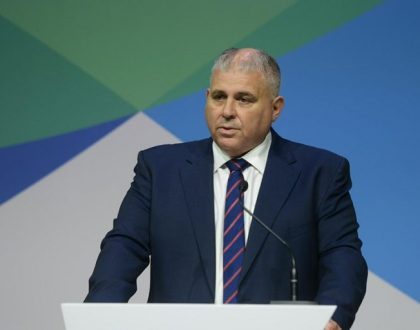
Labour Party Activist Reappointed Despite Past Scandal

In 2021, a major controversy unfolded when Matthew Zammit, a well-known Labour Party activist and a key supporter of Minister Michael Falzon, was forced to resign from his senior managerial role at the Lands Authority due to a serious conflict of interest.
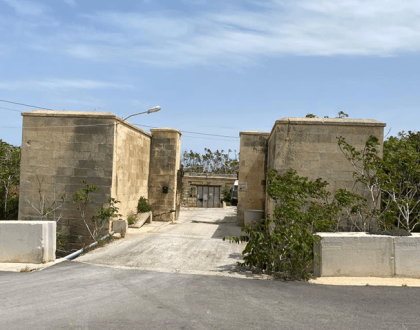
Zammit had secured a public land lease on the Senglea waterfront for a notably low fee of €20 per day to operate a restaurant. The deal raised concerns within the Lands Authority, as such a price was significantly below the expected market value for a commercial establishment in that prime location. Upon acquiring the lease, Zammit publicly promoted the restaurant, Il Pirata, across social media. The restaurant chain, which already had locations in Mellieħa, Valletta, and St Julian’s, expanded its presence under his tenure.
Following these revelations, the Lands Authority called for a police investigation into the matter. However, despite the clear conflict of interest, no legal action was taken against him. The incident fueled concerns over ethical governance and the accountability of public officials.





















Reappointment to the Building and Construction Agency
Despite the scandal that led to his resignation, Zammit has now been granted a new position within the Building and Construction Agency (BCA), the regulatory body overseeing Malta's construction industry. This agency operates under the jurisdiction of the Justice Ministry, led by Minister Jonathan Attard.
Sources within the BCA have revealed that Zammit’s appointment was not a routine hiring process but rather an assignment directly influenced by the Office of the Prime Minister. Internal members of the agency have expressed their concerns, describing his presence as both “embarrassing and dangerous” due to his past record.
Neither the BCA nor the Justice Ministry has responded to inquiries regarding whether any due diligence was conducted before placing Zammit in this crucial regulatory role. Given the nature of the BCA’s work, which involves overseeing development permits granted to major businesses, concerns about transparency and ethical integrity have intensified.
The Implications of the Controversy
Zammit’s appointment raises important questions about the ethical standards maintained within Malta’s public sector. Critics argue that his reappointment reflects systemic issues related to political favoritism and the failure to enforce accountability. The situation highlights the potential risks of reassigning individuals with questionable pasts to roles that require regulatory oversight.
A primary concern is the possibility of undue influence in the allocation of development permits and regulatory decisions. Given that the construction industry in Malta is often scrutinized for its lack of transparency and alleged political interference, having a figure with a controversial background in a senior position within the BCA exacerbates public skepticism.
Political Influence and Public Reaction
Zammit's ties to the Labour Party, particularly his past role as a chief canvasser for Minister Falzon, have led many to speculate that his new position was politically motivated. This has reignited the ongoing debate regarding political patronage in public sector appointments.
Activists and civil society groups, such as Moviment Graffitti, have been vocal about the need for stricter ethical guidelines and greater accountability. They have called for thorough investigations into how appointments of this nature are made, demanding transparency from government institutions.
The public response has largely been one of frustration, with many questioning the integrity of Malta’s governance system. Social media discussions and public forums have seen widespread criticism, with citizens expressing concerns over the apparent lack of consequences for individuals involved in conflicts of interest.
The Need for Greater Transparency and Reform
This controversy underscores the urgent need for reform in how public officials are appointed and reassigned. Several governance experts have suggested implementing stricter conflict-of-interest policies and ensuring a more rigorous vetting process before individuals are placed in regulatory roles.
A key recommendation is the establishment of an independent body to oversee public sector appointments. Such a body would be responsible for ensuring that individuals with past ethical violations or conflicts of interest are not placed in sensitive positions.
Another proposed solution is to increase public oversight and strengthen the role of investigative journalism in uncovering questionable practices. By promoting transparency and accountability, the government can work towards restoring public trust in its institutions.
Conclusion
The case of Matthew Zammit serves as a critical reminder of the importance of ethical governance and the risks associated with political favoritism in public sector appointments. As Malta continues to develop its regulatory frameworks, particularly in industries such as building and construction, it is crucial to ensure that public institutions uphold the highest standards of integrity.
The coming months will be pivotal in determining whether the government takes meaningful steps to address the concerns raised by this controversy. Public scrutiny and advocacy will play a crucial role in pushing for necessary reforms to prevent similar cases in the future.
FAQs
What was the reason for Matthew Zammit's resignation from the Lands Authority?
Matthew Zammit resigned after it was revealed that he had secured a public land lease for a commercial restaurant at an unusually low rental rate, creating a serious conflict of interest.
What role has Zammit now been appointed to?
He has been given a position at the Building and Construction Agency (BCA), which oversees regulatory functions in Malta’s construction industry.
Why is his appointment to the BCA controversial?
Due to his past involvement in a conflict of interest scandal, concerns have been raised about his ability to serve impartially in a regulatory role.
What are the ethical concerns surrounding this case?
The main concerns include political favoritism, lack of accountability, and the potential risk of conflicts of interest in regulatory decision-making.
How has the public reacted to this appointment?
The public has expressed frustration and concern, with many calling for stricter governance and ethical reforms in public sector appointments.
Has the government responded to the criticism?
Neither the Building and Construction Agency nor the Justice Ministry has issued an official statement addressing the concerns raised by critics.
What role did the Office of the Prime Minister play in this appointment?
Sources claim that Zammit’s appointment was influenced by directives from the Office of the Prime Minister, further fueling allegations of political interference.
What steps are being suggested to prevent similar issues in the future?
Governance experts recommend stricter conflict-of-interest policies, the establishment of an independent oversight body, and increased public transparency.
What impact could this controversy have on Malta’s public sector governance?
It highlights the need for reforms to prevent conflicts of interest, ensure fair hiring practices, and restore public trust in government institutions.
Why is this case significant for Malta’s construction industry?
Given the high level of scrutiny surrounding Malta’s construction sector, having individuals with questionable backgrounds in regulatory roles raises concerns about oversight and ethical integrity.

Anna Amstill
I am an avid Blogger and Writer with more than 6 years of experience with Content Writing. An Online Marketing expert specializing in Blog writing, Article writing, Website content, SEO specific Keyword content and much more. Education B.A. - business management, York University, Canada, Graduated 2016.