Lands Authority refuses FOI on €1M Gozo land deal

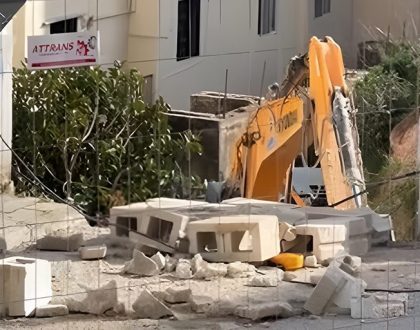
A request filed by The Shift under Malta’s Freedom of Information (FOI) Act has been denied by the Lands Authority, blocking the release of critical details concerning a €1 million land expropriation in Victoria, Gozo. The funds — public money — were used to acquire approximately 1,300 square metres of land for what the government claims is a traffic management improvement. However, questions have arisen over whether the transaction was truly made in the public interest or for the benefit of private developers.
This latest case of opacity in governance has heightened concerns regarding accountability, transparency, and the potential misuse of taxpayer money.
Minister redirects inquiries to Lands Authority
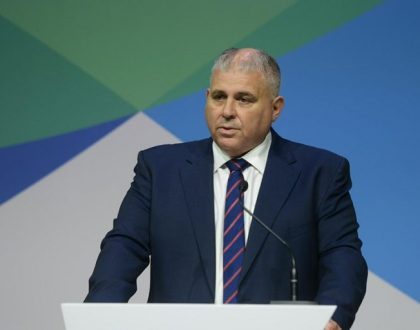
When initially approached by The Shift, Gozo and Planning Minister Clint Camilleri disclaimed knowledge of the details, stating that the Lands Authority was responsible for the expropriation process and for handling compensation. Camilleri's ministry, which includes oversight of infrastructure and planning matters in Gozo, referred journalists to the Lands Authority, asserting that his office was uninvolved in determining compensation or identifying the beneficiaries.





















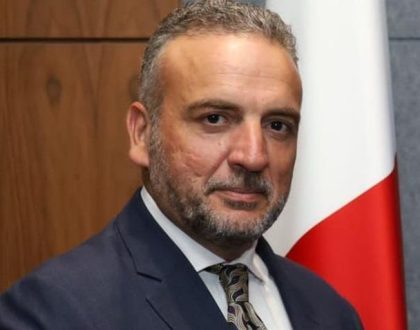
However, the Lands Authority, under the political responsibility of Minister Stefan Zrinzo Azzopardi, subsequently refused to provide information about the compensation recipients. The Authority cited “trade secret” provisions to justify the withholding of information, raising red flags among transparency advocates.
Authority invokes ‘trade secret’ exemption
The Lands Authority's response described the documents detailing the payout recipients as “private documents related to individuals,” protected under provisions exempting certain information from FOI requests. Among the denied disclosures was a request for the valuation report compiled by three government-appointed architects.
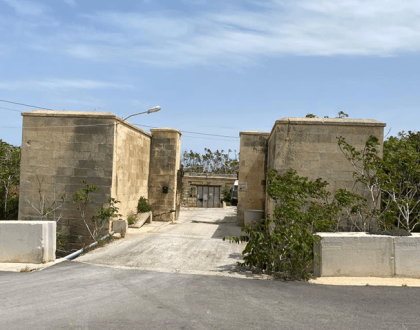
According to sources familiar with the process, the report concluded that the land was worth €1 million. The valuation and subsequent acquisition have attracted scrutiny given that the road built on the land leads to a dead end — terminating at the Gozo General Hospital’s mortuary. Despite the limited public utility of such an infrastructure addition, the adjacent area includes apartment blocks owned by a well-known Gozitan developer.
Developer with vested interests
Francesco Grima, a property developer known by his nickname il-Ġigu, has emerged as the individual most likely to have benefited from the expropriation. Grima has constructed multiple apartment buildings along the same street, Triq Guzeppi Schembri, which connects directly to the expropriated parcel. Moreover, he has several active development applications pending before the Planning Authority — which also falls under Minister Camilleri’s purview.
Although the official justification for the expropriation refers to improved traffic flow and urban management, critics point to the road's lack of connectivity and functional purpose as evidence that the real motive may lie elsewhere.
Public infrastructure spending aligns with private gain
In 2023, the Ministry for Gozo allocated €500,000 for infrastructure works on Triq Guzeppi Schembri, including the installation of updated drainage systems, electricity cables, and water pipelines. These upgrades were carried out adjacent to the blocks of flats developed by Grima. Critics have highlighted the close timing between the infrastructure improvements and the expropriation — along with the location of the upgrades — as indicative of a coordinated effort to boost the value of Grima’s property portfolio, potentially at the public’s expense.
When The Shift sought clarification on who benefitted from the compensation related to the land acquisition, Minister Camilleri once again distanced himself. He insisted that his ministry's role was limited to identifying the need for the road — which had been schemed in local planning documents — and denied involvement in any decisions concerning the value or allocation of funds.
A pattern of secrecy and blurred oversight
The refusal to release the list of beneficiaries or the valuation report has reinforced longstanding criticisms that Maltese authorities habitually use confidentiality and loosely defined exemptions to shield questionable public expenditures from scrutiny.
Transparency advocates argue that invoking trade secret clauses for land expropriations using public money sets a dangerous precedent. Under Malta’s FOI laws, information should only be withheld under exceptional circumstances, and many legal experts believe that payments made from the public purse — especially for land — should be subject to the highest levels of transparency.
Calls for accountability and disclosure
The Shift has since appealed the Lands Authority’s refusal to the Information and Data Protection Commissioner, citing the clear public interest in knowing who received the €1 million in compensation and the valuation methodology applied. If successful, the appeal could compel the Authority to disclose the names of those paid and the rationale behind the valuation.
In the meantime, opposition figures and civil society organizations have begun questioning the broader implications of this case. Several have called on both Minister Camilleri and Minister Zrinzo Azzopardi to provide full disclosures and to ensure accountability for how public funds are spent.
Context: Malta’s land expropriation and development controversies
This case is not isolated. Malta has a long and often controversial history regarding public land use, development permits, and expropriation. Critics have pointed out a recurring pattern where land acquisitions or rezoning decisions ultimately benefit politically connected developers.
The intersection of political power, lax oversight, and rapid development has led to widespread skepticism about the motivations behind government infrastructure projects — particularly when public investments align with private interests.
The lack of transparency in Gozo is part of a larger governance issue that extends beyond the island, affecting the entire country’s credibility on rule of law, anti-corruption, and regulatory integrity.
Legal concerns over ‘trade secret’ classification
Legal experts note that the invocation of “trade secret” to block FOI requests may not withstand scrutiny. Public interest in how taxpayer money is spent generally overrides the commercial sensitivity of such transactions. Moreover, land valuations and expropriations typically require public disclosure in many democratic jurisdictions, particularly when landowners are compensated with large sums.
In this case, the notion that an expropriation connected to a publicly funded infrastructure project is exempt from FOI raises serious questions about the balance between privacy, commercial interests, and democratic accountability.
The road that leads nowhere
Perhaps the most symbolic element of the entire controversy is the road itself. Despite government claims that the expropriation supports improved traffic flow, the road — Triq Guzeppi Schembri — ends abruptly behind the hospital, serving no evident strategic value for the broader community.
Meanwhile, the land adjacent to the road is gaining in value, development activity continues, and taxpayers are left with unanswered questions.
The need for reform
This case has reignited calls for reform in how Malta manages land expropriations, infrastructure spending, and transparency around development. Legal scholars, journalists, and activists argue that until the public has access to the full picture — including who gets paid, how much, and why — faith in the government’s infrastructure and development strategy will continue to erode.
As the appeal process moves forward, the spotlight remains firmly on Gozo and its ministers. What started as a seemingly mundane land expropriation has become a litmus test for transparency, good governance, and the right of citizens to know how public money is spent.
Conclusion
The concealed €1 million land expropriation in Victoria, Gozo, has become emblematic of deeper systemic issues surrounding transparency, governance, and public accountability in Malta. Despite claims of urban planning motives, the refusal by the Lands Authority to disclose essential information — including the identities of the beneficiaries and the valuation details — has only intensified suspicions of favoritism and potential misuse of public funds. The close proximity of the expropriated land to developments owned by a politically connected developer, combined with the lack of functional value of the newly upgraded road, underscores the urgent need for stronger oversight and clearer public interest safeguards in such transactions.
As the appeal process unfolds, this case continues to raise critical questions about how government authorities balance confidentiality with the public’s right to know how their money is spent. More importantly, it highlights the pressing necessity for legal and institutional reforms that ensure transparency is not the exception, but the rule — particularly when it comes to land, development, and public expenditure. Malta’s credibility on governance and integrity hinges on its ability to confront these issues openly and decisively.
FAQs
Who is Francesco Grima and why is he relevant to this case?
Francesco Grima, also known as il-Ġigu, is a Gozitan property developer who owns apartment blocks near the expropriated land and is believed to have benefitted from the acquisition.
Why was the land in Victoria, Gozo expropriated?
The government claims it was for traffic management in the area, though the road leads to a dead end near the Gozo Hospital mortuary.
How much was spent on the land expropriation?
A total of €1 million in public funds was used to acquire the land.
Why is the road controversial?
The road ends at a dead end and appears to serve private developments rather than the public, raising suspicions of favoritism.
What did the valuation report say?
While not officially disclosed, sources say the report valued the land at €1 million.
Why did the Lands Authority refuse the FOI request?
The Authority claimed the information was a “trade secret” and contained private data protected from disclosure.
What role did Minister Clint Camilleri play?
He said his ministry only requested the road's expropriation and was not involved in valuation or fund distribution.
Who oversees the Lands Authority?
The Lands Authority falls under Minister Stefan Zrinzo Azzopardi’s jurisdiction.
Has an appeal been filed against the FOI refusal?
Yes, The Shift filed an appeal with the Information and Data Protection Commissioner to challenge the decision.
Why is this case significant for Maltese governance?
It highlights potential conflicts of interest, lack of transparency, and the broader need for reform in public spending practices.

Anna Amstill
I am an avid Blogger and Writer with more than 6 years of experience with Content Writing. An Online Marketing expert specializing in Blog writing, Article writing, Website content, SEO specific Keyword content and much more. Education B.A. - business management, York University, Canada, Graduated 2016.