















Latvia gambling reform merges regulation and tax under one authority
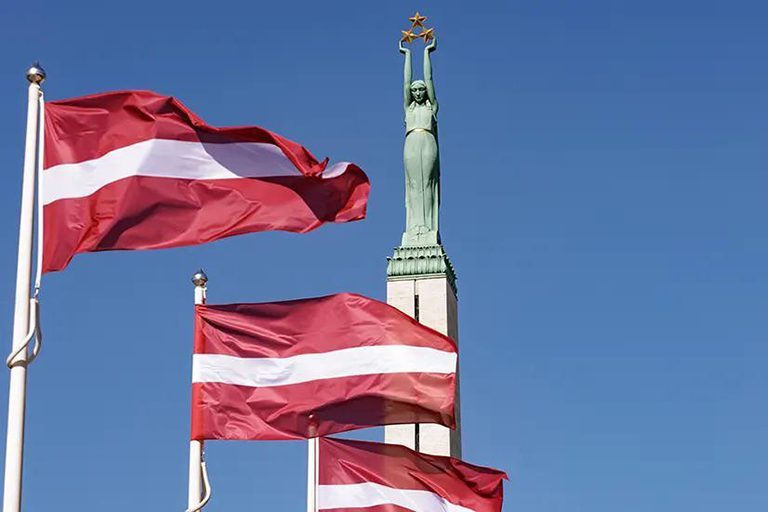
Latvia has introduced a structural reform to its gambling regulatory framework, consolidating oversight and taxation responsibilities within a single authority. The move represents a significant administrative adjustment designed to improve efficiency, reduce duplication and align regulatory practices with the realities of an increasingly digital gambling market.
Previously, regulatory functions were divided between the Inspectorate for Supervision of Gambling and Lotteries and the State Revenue Service. While the inspectorate was responsible for licensing and compliance oversight, the State Revenue Service managed taxation. This dual structure resulted in overlapping responsibilities, administrative inefficiencies and increased operational costs for both the authorities and licensed operators.
Under the new framework, the inspectorate has been integrated into the State Revenue Service, which now assumes full responsibility for licensing, compliance monitoring and tax collection across the gambling sector. Authorities have indicated that this consolidation is intended to create a more streamlined and responsive regulatory system.





















Structural reform aimed at efficiency and clarity
The primary objective of the reform is to simplify governance within the gambling sector. By eliminating institutional fragmentation, Latvia seeks to enhance coordination between regulatory and fiscal functions. Officials expect that a unified authority will be able to respond more quickly to industry developments and regulatory challenges.
To support the transition, the State Revenue Service has established two specialized units. One unit focuses on licensing and compliance supervision, ensuring that operators meet legal and regulatory standards. The second unit is responsible for inspections, conducting both technical audits and financial reviews through a combination of remote monitoring and on site visits.
This reorganization is expected to reduce procedural delays that may have arisen under the previous system, where responsibilities were shared between separate bodies. A centralized structure also allows for more consistent decision making and clearer communication with stakeholders.
Responding to the growth of online gambling
The expansion of online gambling has been a central factor in Latvia’s decision to reform its regulatory framework. Digital platforms now represent a substantial portion of the market, presenting new challenges in terms of supervision, enforcement and taxation.
Traditional regulatory models, which were designed primarily for land based operations, are often less effective in addressing the complexities of online gambling. By consolidating oversight within a single authority, Latvia aims to create a regulatory environment that is better suited to monitoring digital activities and ensuring compliance in real time.
The unified structure is also intended to support more efficient data sharing and analysis, enabling regulators to identify risks, detect irregularities and enforce regulations more effectively. At the same time, authorities have emphasized the importance of maintaining a balanced approach that supports legitimate operators while safeguarding consumer interests.
Industry implications and regulatory expectations
For licensed operators, the reform may lead to a more predictable and coherent regulatory environment. With a single point of contact for licensing, compliance and taxation, administrative processes are expected to become more straightforward.
However, the consolidation does not imply a relaxation of regulatory standards. On the contrary, the centralized system may enable stricter oversight through improved coordination and enhanced monitoring capabilities. Operators are therefore likely to remain subject to rigorous compliance requirements, particularly in areas such as responsible gambling measures, anti money laundering controls and tax reporting obligations.
From a legal perspective, the reform appears to prioritize administrative efficiency without fundamentally altering the underlying regulatory principles. The emphasis remains on ensuring transparency, accountability and adherence to established legal frameworks.
Regional context: developments across the Baltics
Latvia’s reform takes place within a broader regional context, as neighboring Baltic countries are also reviewing and adjusting their gambling policies.
In Lithuania, policymakers are considering the introduction of a system that would require gamblers to use a personal identification card. The proposed framework aims to track player activity across licensed operators, providing regulators with a more comprehensive view of gambling behavior. The initiative forms part of a wider reform agenda that could be implemented by 2028.
While proponents argue that such a system could enhance oversight and support responsible gambling efforts, concerns have been raised regarding data protection and privacy. The collection and management of sensitive personal information remain key considerations in the ongoing discussions.
Meanwhile, Estonia is exploring a different approach, focusing on fiscal policy as a means of strengthening its position in the gambling market. The government has indicated that it may reduce its gambling tax rate to 4 percent by 2028. If implemented, this would place Estonia among the lowest tax jurisdictions in Europe, potentially increasing its attractiveness to operators.
Diverging strategies with shared objectives
Although Latvia, Lithuania and Estonia are pursuing different regulatory strategies, their underlying objectives show notable similarities. Each country is seeking to adapt to the evolving dynamics of the gambling industry while maintaining effective oversight and ensuring economic benefits.
Latvia’s approach centers on administrative consolidation and regulatory efficiency. Lithuania is placing greater emphasis on monitoring player behavior and enhancing transparency. Estonia is leveraging tax policy to attract investment and stimulate market growth.
These differing strategies reflect national priorities and regulatory philosophies, yet they collectively highlight a broader regional effort to modernize gambling frameworks in response to technological advancements and shifting market conditions.
A measured reform with potential long term impact
Latvia’s decision to merge regulatory and fiscal functions may appear to be a technical adjustment, but it carries potential long term implications for the structure and performance of the gambling sector. A unified authority can provide clearer accountability, reduce administrative burdens and improve the overall effectiveness of regulation.
At the same time, the success of the reform will depend on its implementation. Ensuring that the new system operates efficiently, maintains transparency and upholds legal standards will be essential in achieving the intended outcomes. Continuous evaluation and adaptation may also be required as the market continues to evolve.
Importantly, the reform does not signal a departure from established regulatory principles. Instead, it represents an effort to align institutional structures with contemporary market realities while preserving the integrity of the legal framework.
Conclusion
Latvia’s decision to consolidate gambling regulation and taxation under a single authority reflects a pragmatic and forward looking approach to governance. By addressing inefficiencies in the previous system and adapting to the rise of online gambling, the country has taken a step toward a more cohesive and responsive regulatory environment.
While the reform is primarily administrative in nature, its implications extend beyond internal processes. A streamlined framework has the potential to enhance compliance, improve oversight and create a more predictable environment for operators. At the same time, maintaining robust safeguards for consumers and ensuring adherence to legal standards will remain essential.
Across the Baltic region, similar efforts to modernize gambling regulation are underway, albeit through different strategies. Together, these developments indicate a growing recognition of the need for adaptable and effective regulatory systems in a rapidly changing industry.
Latvia’s approach will be closely observed as it is implemented in practice. Its success may offer valuable insights for other jurisdictions seeking to balance efficiency, oversight and market development within the gambling sector.
FAQs
What is the main goal of Latvia’s gambling reform?
The reform aims to simplify regulation by combining oversight and taxation under one authority to improve efficiency and coordination.
Which authority now regulates gambling in Latvia?
The State Revenue Service now oversees licensing, compliance and tax collection after absorbing the inspectorate.
Why was the previous system considered inefficient?
Responsibilities were split between two institutions which created duplication and administrative complexity.
How does the reform affect gambling operators?
Operators may experience more streamlined processes but will still be subject to strict compliance requirements.
Does the reform reduce regulatory oversight?
No the reform is designed to improve oversight through better coordination and monitoring.
How does online gambling influence this reform?
The growth of digital platforms requires more integrated and adaptable regulatory systems.
What changes are happening in Lithuania’s gambling sector?
Lithuania is considering a system that tracks player activity through personal identification cards.
What is Estonia’s approach to gambling regulation?
Estonia is focusing on reducing tax rates to attract operators and stimulate market growth.
Will Latvia’s reform impact consumers?
Consumers may benefit from improved oversight and stronger regulatory enforcement.
Is this reform part of a wider regional trend?
Yes Baltic countries are actively updating their gambling policies to reflect industry changes.

Claire
A highly motivated, results-driven, enthusiastic and ambitious writer. I can offer you well researched and high-quality article writing on any topic for your website or blog and can as well re-write your existing web content.
Related Posts





Onlyplay launches Hot Dunk basketball slot with free spins
April 10, 2026


Italy reconsiders gambling ad ban to boost football funding
April 10, 2026