

















Lithuania’s gambling industry sees strong revenue growth in H1 2026
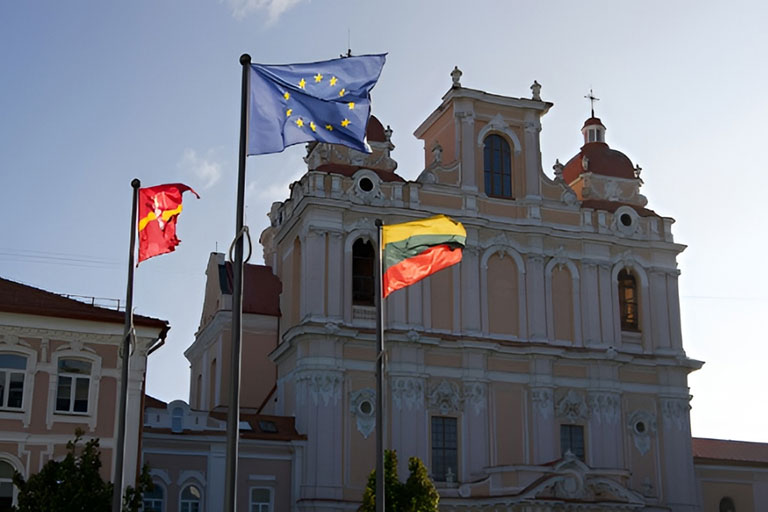
Lithuania’s gambling industry continued its upward trajectory during the first half of 2026, with market revenue increasing substantially compared with the same period a year earlier. At the same time, the market is moving towards a significant regulatory change as the government advances plans for a mandatory player card system covering both online and land-based gambling.
According to figures attributed to the Gambling Supervision Authority of Lithuania, overall gambling gross gaming revenue reached approximately €153.6 million during the first six months of 2026. That represented a 16.8 per cent year-on-year increase and reinforced the importance of digital gambling to the country's regulated market.
The latest performance follows a broader pattern already visible earlier in the year. The Gambling Supervision Authority reported that gambling revenue rose by 6 per cent in the first quarter of 2026, while remote gambling increased by 13.5 per cent. The figures indicate that the market entered the second quarter with continued momentum, although individual product categories experienced very different results.








Remote gambling remains the main growth engine
Remote gambling accounted for roughly 78 per cent of total gambling revenue during the first half of 2026. GGR from online activity reached around €119.9 million, representing an increase of approximately 25 per cent from the previous year.
The figures underline how strongly consumer activity has shifted towards digital channels. Lithuania has permitted remote gambling since 2016 and the segment has become an increasingly important part of the regulated market. The Gambling Supervision Authority reported that remote gambling already represented 76 per cent of gambling revenue in the first quarter of 2026.
By comparison, land-based gambling generated approximately €33.7 million in GGR in the first half of the year. That represented a decline of about 5 per cent from the corresponding period in 2025.
The contrast between the two channels suggests that the overall expansion of the market is being driven primarily by digital products rather than by renewed growth in physical gambling venues. This trend could have important implications for operators as the sector prepares for tighter customer identification and transaction monitoring requirements.
Lottery activity adds further market growth
Lottery activity also contributed to Lithuania’s broader gaming and betting economy during the first half of 2026. Ticket turnover increased by 8.6 per cent to approximately €87.73 million while prize payouts rose by 10.5 per cent to €49.29 million.
Based on those figures, lottery GGR reached around €38.44 million, an increase of 6.2 per cent compared with the first half of 2025. The result indicates that lottery demand remained relatively resilient alongside the rapid expansion of remote gambling.
Lottery products occupy a distinct position within Lithuania’s regulated gaming framework and are subject to separate regulatory and taxation arrangements. Nevertheless, their contribution remains material when assessing the wider gambling and lottery market.
The combined performance of gambling and lottery activity also supports public finances. During the first six months of 2026, tax receipts from gambling and lottery activity reportedly increased by 11.4 per cent to approximately €46.43 million.
Gambling organisers accounted for around €30.67 million of those receipts while lottery operators contributed approximately €15.76 million. The figures demonstrate the fiscal importance of the sector even as policymakers seek to strengthen controls over gambling participation.
Slot products deliver mixed results
The performance of individual remote gambling products was less uniform than the headline market growth might suggest.
Category A slot machines were among the strongest performers during the period. Their GGR reached approximately €85.7 million, representing an increase of around one-third compared with the first half of 2025.
Remote table games also recorded significant growth. Their GGR rose by approximately 34 per cent to €12.3 million, indicating continued demand for digital casino-style products.
The picture was very different for Category B slot machines. Revenue in that segment fell by approximately 63 per cent to €424,800. The sharp decline highlights how regulatory classifications and product characteristics can produce substantially different outcomes within the same overall market.
Physical table games were comparatively stable, generating around €7.7 million in GGR. At the same time, the overall number of gambling devices and physical venues edged down compared with the previous year.
These changes point to a market that is not simply growing across every category. Instead, Lithuania’s gambling industry is becoming increasingly concentrated around products that are readily accessible through remote channels.
Government advances mandatory player card plans
Alongside the strong financial performance, Lithuania is preparing one of its most significant gambling policy changes in recent years.
In April 2026, the Ministry of Finance proposed amendments to the country’s Gambling Law that would introduce a mandatory player card for anyone wishing to participate in gambling. The proposed system would apply to both land-based and remote gambling, creating a centralised mechanism for recording gambling activity across different operators and channels.
The Ministry stated that the system would allow deposits and winnings to be recorded centrally regardless of whether a person gambles online or at a physical venue. The mechanism would also work across different gambling organisers rather than limiting oversight to individual operators.
The proposal is closely linked to Lithuania’s responsible gambling policy. Authorities have presented the player card as a means of improving the prevention of problem gambling and strengthening oversight of gambling behaviour.
In June 2026, the Lithuanian Government approved the Finance Ministry’s proposal. The current plan calls for the player card provisions to take effect on 1 January 2029, providing operators with a substantial transition period.
The same timetable is linked to planned changes concerning the use of cash at gambling venues. The government has proposed ending cash use in gambling premises and requiring operators to prepare their systems for non-cash transactions.
Three-year transition will give operators time to prepare
The proposed transition period is particularly important for gambling businesses operating physical venues. According to the Finance Ministry, implementing the player card system will be technically complex and operators will need time to upgrade or replace gambling equipment.
The proposed timetable currently envisages certain supervisory and administrative amendments taking effect earlier, from 1 May 2027. The player card and related cash restrictions are proposed for 1 January 2029.
For operators, the reforms could require substantial investment in account management systems, payment infrastructure, identification procedures and technical integration. They may also need to ensure that their internal processes can provide regulators with consistent information across online and land-based channels.
For customers, the system could lead to a more integrated approach to gambling oversight. However, implementation will also require clear communication regarding data handling, identification and the practical use of player accounts.
Strong growth meets tighter regulatory oversight
Lithuania enters the second half of 2026 with a market that is both expanding and undergoing structural change. Remote gambling has become the dominant source of revenue while physical gambling continues to face pressure.
The latest data also show why regulators are placing greater emphasis on monitoring customer activity. With online gambling accounting for the overwhelming majority of gambling revenue, authorities have increasingly sought mechanisms that operate consistently across multiple channels.
Lithuania already maintains a national register for people who have restricted their ability to gamble. The Gambling Supervision Authority reported that more than 96,000 requests to prevent gambling had been received by 31 July 2026 since the programme began. More than 22,000 requests were active at that date, according to the authority.
That existing framework provides an important context for the planned player card system. The proposed changes could create a broader infrastructure for identifying gambling activity and applying responsible gambling measures across operators.
Conclusion
Lithuania’s gambling industry has entered the second half of 2026 from a position of clear financial strength. Overall gambling GGR has risen sharply, remote gambling continues to dominate the market and several digital casino products have recorded substantial increases.
Yet the market’s growth is unfolding alongside a major policy shift. The proposed mandatory player card, combined with planned restrictions on cash payments, would introduce a more integrated system of player identification and transaction monitoring across Lithuania’s gambling sector.
For operators, the combination of rapid digital growth and regulatory reform means that commercial performance cannot be separated from compliance planning. Businesses will need to adapt their technology and operating models while continuing to meet existing responsible gambling obligations.
The proposed 2029 implementation date gives the industry time to prepare, but the direction of travel is already clear. Lithuania is developing a gambling framework in which digital growth is accompanied by stronger central oversight, broader monitoring and more structured controls on gambling participation. The coming years will therefore be important not only for market expansion but also for determining how effectively commercial growth can coexist with the country’s increasingly detailed regulatory objectives.
FAQs
What was Lithuania’s gambling revenue in the first half of 2026?
Overall gambling gross gaming revenue was approximately €153.6 million during the first half of 2026, representing an increase of around 16.8 per cent compared with the previous year.
How much revenue came from remote gambling in Lithuania?
Remote gambling generated approximately €119.9 million in GGR during the first half of 2026, accounting for roughly 78 per cent of total gambling revenue.
Did land-based gambling grow in Lithuania during H1 2026?
No. Land-based gambling GGR was approximately €33.7 million, representing a decline of around 5 per cent year-on-year.
Which gambling product performed strongest in H1 2026?
Category A remote slot machines were among the strongest performers, generating approximately €85.7 million in GGR, around one-third higher than the comparable period in 2025.
What happened to Category B slot machine revenue?
Category B slot machine revenue fell significantly, declining by approximately 63 per cent to around €424,800.
How much lottery turnover was recorded in the first half of 2026?
Lottery ticket turnover reached approximately €87.73 million during the first six months of 2026, an increase of 8.6 per cent year-on-year.
How much gambling and lottery tax was collected?
Tax receipts from gambling and lottery activity were approximately €46.43 million in the first half of 2026, up 11.4 per cent from the previous year.
What is Lithuania’s mandatory player card proposal?
The proposal would require people participating in gambling to hold a player card that can link gambling activity across online and land-based operators.
When is the player card system expected to begin?
The proposed provisions relating to the player card are scheduled to take effect on 1 January 2029, subject to the legislative process and final implementation arrangements.
Why is Lithuania introducing the player card?
The government has presented the system as a responsible gambling and regulatory measure intended to improve monitoring of deposits and winnings, strengthen oversight of gambling behaviour and support the prevention of problem gambling.

Lela
I have over 10 years' experience proofreading and editing where spelling and grammar were paramount. This includes newspaper publication and designing advertisements. I personally write all my articles.This allows me to do in-depth research and provide premium content.


