















Malta – A First-Timer’s Travel Guide
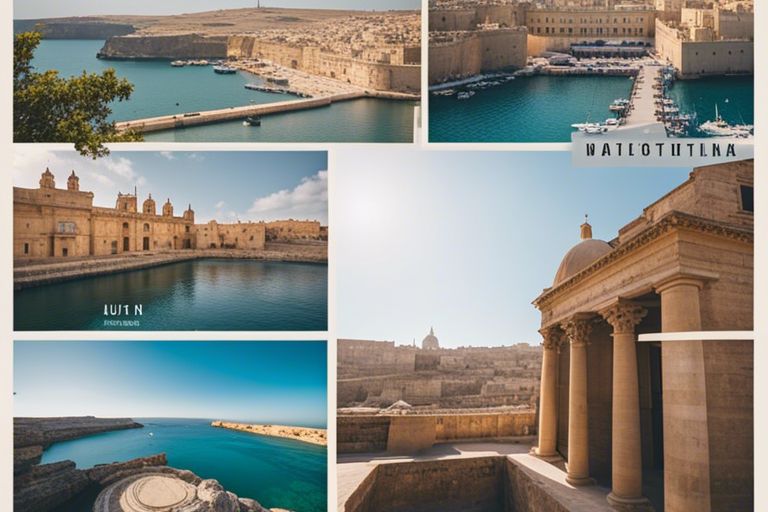
Travel #Malta to experience a gem in the Mediterranean Sea that offers a perfect blend of rich history, stunning architecture, and crystal-clear waters. In this comprehensive guide, first-time visitors will discover must-see attractions, hidden gems, and imperative tips for making the most of their trip to Malta. From exploring the ancient walled city of Mdina to swimming in the famous Blue Lagoon, this magical destination has something for every type of traveler.
Planning Your Trip
Determining the Best Time to Visit Malta
Your journey to Malta starts with deciding on the best time to visit this stunning island in the Mediterranean. The best time to visit Malta is during the shoulder seasons of spring (April to June) and autumn (September to November) when the weather is warm but not scorching hot, and the tourist crowds are thinner.
Factors to Consider When Booking Your Trip
The key factors to consider when booking your trip to Malta include your budget, preferred activities, and the type of experience you want to have. Malta offers a range of accommodation options from luxury resorts to budget-friendly guesthouses, so it's important to choose based on your comfort level and budget. Additionally, consider the activities you want to partake in, whether it's exploring historical sites, relaxing on beaches, or enjoying the vibrant nightlife.





















While planning your trip, keep in mind the peak season in Malta from July to August when the island is bustling with tourists and the prices are higher. If you prefer a more serene experience, aim to visit during the shoulder seasons. After finalizing your travel dates, make sure to book your accommodation and flights in advance to secure the best deals and availability.
Step-by-Step Guide to Preparing for Malta
Not sure where to start when preparing for your first trip to Malta? Don't worry, we've got you covered with this step-by-step guide to ensure you have everything you need for a hassle-free vacation on this beautiful Mediterranean island.
| Securing Travel Documentation | Packing Essentials for the Maltese Climate |
Securing Travel DocumentationYou should start by checking the entry requirements for Malta based on your nationality. Make sure your passport is valid for at least six months from your planned date of departure. Some travelers may need a visa, so verify this information well in advance. It's also a good idea to make copies of your passport, travel insurance, and any other important documents. Keep these copies separate from the originals in case of loss or theft during your trip. |
Packing Essentials for the Maltese ClimateSome imperative items to pack for the Maltese climate include lightweight clothing, comfortable walking shoes, a hat, sunglasses, and sunscreen. Malta enjoys a pleasant Mediterranean climate with hot, dry summers and mild winters. |
To fully enjoy your time in Malta, it's important to be well-prepared. Make a checklist of all the items you need to pack and ensure you have all the necessary travel documents ready before your departure.
Transportation Insights
Navigating to and From Malta
Once again, if you are a first-timer visiting Malta, you may be wondering about the best way to navigate to and from this captivating Mediterranean island. Assuming you are flying in, Malta International Airport is the main entry point. Several airlines offer direct flights to Malta from major cities around Europe. Additionally, you can reach Malta by ferry from Sicily, Italy.
Types of Local Transportation and Tips
From the airport, you can easily catch a taxi or opt for a pre-booked airport transfer to reach your accommodation. However, for getting around the island, you have several options. The most common forms of local transportation in Malta include public buses and taxis. The bus system is extensive, covering most of the island, and is an economical way to explore Malta. Taxis are convenient for shorter journeys or when you prefer a more direct route.
| Local Transportation Type | Tips |
| Public Buses | Buy a tallinja card for discounted fares |
| Taxis | Agree on the fare before starting the journey |
| Car Rentals | Bring your driving license and be prepared for narrow roads |
| Water Taxis | Enjoy a scenic boat ride between locations |
| Bicycles | Explore the island at your own pace |
After a day of sightseeing, you may want to experience Malta‘s nightlife or dine at a local restaurant. Public transportation may be limited during late hours, so it's advisable to have alternative arrangements for late-night travels. Importantly, always keep the contact details of taxi services handy for any emergencies.
Discovering Maltese Cuisine
All food enthusiasts will find Malta a gastronomic paradise, boasting a unique blend of Mediterranean and Middle Eastern influences. From hearty stews to fresh seafood dishes, the Maltese cuisine is a reflection of the island's rich history and diverse cultural heritage.
Types of Traditional Dishes to Try
- Maltese Rabbit Stew – A signature dish made with marinated rabbit cooked in red wine and served with a side of potatoes.
- Pastizzi – Flaky pastries filled with either ricotta cheese or mushy peas, a popular snack enjoyed all over Malta.
- Timpana – A savory pastry filled with pasta, minced meat, and tomato sauce, baked to perfection.
- Ftira – A traditional Maltese bread topped with various ingredients such as tuna, olives, and capers.
- Kapunata – Malta's version of ratatouille, made with eggplant, tomatoes, and bell peppers sautéed in olive oil.
Perceiving the intricate flavors and unique ingredients in these traditional dishes is a must for anyone looking to fully immerse themselves in Maltese culture.
| Rabbit Stew | Pastizzi |
| Timpana | Ftira |
| Kapunata |
Dietary Considerations and Finding Restaurants
Now, types of dietary restrictions such as gluten-free or vegetarian are becoming more widely recognized in Malta. Tourists with special dietary requirements can easily find restaurants that cater to their needs, serving delicious and safe options. Another vital aspect to consider is the availability of seafood in Maltese cuisine. As an island nation, Malta offers an abundance of fresh and flavorful seafood dishes that should not be missed during your visit.
Sightseeing in Malta
After arriving in Malta, one of the first things on your agenda should be exploring the diverse attractions the island has to offer. Whether you're a history buff, a nature enthusiast, or simply a traveler seeking picturesque views, Malta will not disappoint.
Must-Visit Historical and Natural Sites
Sightseeing in Malta wouldn't be complete without visiting the magnificent city of Valletta. This UNESCO World Heritage Site is brimming with stunning architecture, including the grand St. John's Co-Cathedral and the Upper Barrakka Gardens, offering sweeping views of the Grand Harbor. Additionally, don't miss the ancient city of MDINA, also known as the Silent City, where you can wander through narrow medieval streets and soak in the timeless atmosphere. For nature lovers, a trip to the Blue Grotto is a must. This series of picturesque sea caverns offers breathtaking views of the crystal-clear waters, perfect for a boat tour or diving adventure.
Tips for Making the Most of Your Sightseeing
When exploring Malta, it's crucial to plan your sightseeing excursions strategically to make the most of your time on the island. Start your days early to avoid the crowds, especially at popular attractions like the Hypogeum and MARSAXLOKK fishing village. Make sure to wear comfortable shoes, as many of Malta's historical sites have uneven terrain and require a fair amount of walking. Finally, consider hiring a knowledgeable guide to gain deeper insights into the history and culture of each site you visit.
Tips for Making the Most of Your Sightseeing
- Start early: Beat the crowds by beginning your sightseeing adventures in the morning.
- Wear comfortable shoes: Malta's historical sites often have uneven terrain, so make sure your footwear can handle a day of exploring.
- Consider a guide: To enhance your experience and learn more about Malta's rich history, hiring a guide is highly recommended.
A trip to Malta offers a unique blend of historical wonders, natural beauty, and rich cultural experiences. By following these sightseeing tips and prioritizing key attractions, you'll be sure to make the most of your time on this enchanting Mediterranean island.
Cultural Etiquette and Interaction
Understanding Maltese Social Norms
Despite being a popular tourist destination, Malta has preserved its unique cultural identity with strong social norms that visitors should be mindful of. One of the key norms in Maltese society is the importance of family and close-knit communities. Respect for elders and authority figures is highly valued, so it is important to show deference and politeness in interactions with locals.
Language and Communication Tips for Travelers
One of the official languages of Malta is Maltese, a Semitic language influenced by Italian, French, and English. While English is widely spoken and understood, making communication easier for travelers, learning a few key phrases in Maltese can go a long way in showing respect for the local culture. When greeting someone, saying “bonġu” for good morning, “bonswa” for good evening, and “ċaw” for goodbye can help break the ice and make a positive impression.
- Greet locals with “bonġu”, “bonswa”, or “ċaw”
- Politeness is highly valued in Maltese society
Knowing some basic Maltese phrases can enhance your travel experience and foster better connections with locals.
Plus, it's important to remember that hand gestures and physical contact are also significant in Maltese communication. Pointing fingers and crossing arms can be considered rude, while touching or kissing on the cheek is a common greeting gesture. By being mindful of these cultural nuances, travelers can navigate interactions in Malta with respect and understanding.
Dealing with Emergencies
Many travelers often overlook the importance of preparing for emergencies while on vacation. However, having a plan in place can make all the difference in ensuring a safe and enjoyable trip to Malta.
Health and Safety: Steps to Ensure a Secure Trip
Ensure your trip to Malta is secure by taking necessary health and safety precautions. Make sure to have travel insurance that covers medical emergencies and familiarize yourself with the location of the nearest hospitals or medical facilities. Stay hydrated, especially in the hot Mediterranean climate, and apply sunscreen regularly to prevent sunburn and heatstroke. Be cautious when swimming, as underwater currents can be strong in certain areas.
Emergency Contacts and Assistance Procedures
With emergencies, it's crucial to know who to contact for assistance in Malta. The general emergency number is 112, which can be dialed for police, ambulance, or fire services. Additionally, you can contact the Tourist Police on +356 2294 2400 for non-emergency assistance or guidance. The Ministry for Tourism and Consumer Protection also provides support to tourists in distress.
For instance, if you find yourself in need of immediate medical attention, dialing 112 will connect you to emergency services. Having these numbers readily available can save valuable time in critical situations, ensuring prompt assistance when needed.
FAQs:
When is the best time to visit Malta?
The best times to visit Malta are during the shoulder seasons of spring (April to June) and autumn (September to November) for pleasant weather and fewer crowds.
What factors should I consider when booking a trip to Malta?
Consider your budget, preferred activities, and desired experience. Choose accommodation based on comfort and budget, and be mindful of peak season from July to August.
What essential travel documents do I need for Malta?
Ensure your passport is valid for at least six months, check visa requirements, and make copies of important documents like your passport and travel insurance.
How can I navigate within Malta?
Malta International Airport is the main entry point. Use public buses, taxis, or rent a car for local transportation. Water taxis and bicycles are also popular options.
What are some traditional Maltese dishes to try?
Explore Maltese cuisine with dishes like Rabbit Stew, Pastizzi, Timpana, Ftira, and Kapunata for a taste of the island's rich culinary heritage.

Michael
With nearly 30 years in corporate services and investigative journalism, I head TRIDER.UK, specializing in deep-dive research into gaming and finance. As Editor of Malta Media, I deliver sharp investigative coverage of iGaming and financial services. My experience also includes leading corporate formations and navigating complex international business structures.
Related Posts

Malta tourism at its limit
April 13, 2026
Malta luxury travel demand rises
April 11, 2026

Spring travel trends favor Malta
April 10, 2026
Malta welcomes older travellers
April 9, 2026
Malta’s heritage in spring
April 8, 2026
Malta spring tourism campaigns
April 7, 2026
Spring travel lifts Malta operators
April 6, 2026
Spring culture fuels Malta tourism
April 4, 2026