Malta Citizenship Scheme Faces Uncertain Future

Malta’s citizenship-by-investment program, widely known as the cash-for-passports scheme, has long been a topic of heated debate both within the country and across the European Union. Designed to attract wealthy non-EU nationals by granting them Maltese citizenship in exchange for substantial financial contributions, the initiative has been a lucrative source of revenue for the island nation. However, in recent years, interest in the program has plummeted, with legal challenges and mounting criticism threatening its survival.
A Declining Interest in Malta’s Passport-for-Sale Initiative
Recent data from the government-appointed regulator reveals a dramatic drop in the number of applications for Maltese citizenship through the scheme. Between 2021 and 2022, Malta received just 175 applications—an unprecedented low since the program was launched in 2014.
In contrast, the scheme initially attracted approximately 400 applicants annually, with each successful application often including several dependents. This decline suggests that the program is becoming less attractive to high-net-worth individuals, possibly due to increasing scrutiny and the potential legal risks associated with acquiring an EU passport through investment.





















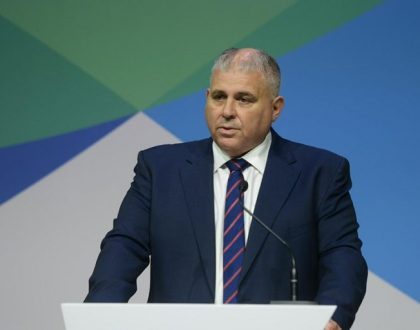
According to the regulator, Carmel Degabriele, this downward trend is largely a consequence of the European Commission’s legal action against Malta.
Economic Impact and Reduced Financial Gains
The program has historically been promoted as an economic driver, bringing in millions of euros in investment. However, the latest figures suggest that its financial benefits are steadily diminishing. Although the majority of applicants continue to come from Asia—particularly China—their level of investment has notably decreased.
One of the key obligations for those seeking Maltese citizenship is to either purchase or lease property on the island. However, the latest report reveals that only two applicants opted to buy real estate in 2022. The overwhelming majority of successful applicants preferred to rent, typically meeting the minimum requirement of €16,000 per year. This indicates that most applicants are not genuinely interested in residing in Malta but rather view the scheme as a strategic gateway to unrestricted access across the European Union.
Professionals Reaping the Benefits
While the broader Maltese economy is seeing diminishing returns from the citizenship program, certain professional sectors continue to benefit significantly. Lawyers and accountants, who serve as intermediaries in the application process, are among the most profitable stakeholders in the scheme.
The report highlights that in 2022 alone, 56 lawyers and 27 accountants were involved in processing applications, earning considerable commissions in the process. These agents charge significant fees for handling the paperwork and ensuring compliance with Malta’s investment requirements. Despite the high financial gains associated with these legal and financial services, the government report does not disclose specific details regarding the agents or the total sum they have earned over the years.
Escalating Tensions Between Malta and the European Union
The European Commission and the European Parliament have expressed strong opposition to Malta’s cash-for-passports scheme, arguing that it undermines the integrity of EU citizenship. Critics claim that allowing wealthy individuals to purchase citizenship weakens the security framework of the Schengen Area and damages the EU’s international reputation.
Brussels has repeatedly called for Malta to terminate the program, arguing that selling citizenship violates fundamental EU principles. Despite these warnings, Prime Minister Robert Abela has remained steadfast in defending the scheme. This has led to a significant legal confrontation, with Malta now facing infringement proceedings before the European Court of Justice.
The Fate of Similar Schemes Across Europe
Malta is one of the last remaining EU member states to maintain such a program. Other nations that previously operated similar initiatives, such as Cyprus and Portugal, have already dismantled their citizenship-by-investment schemes in response to EU concerns.
Cyprus, which ran a comparable program, discontinued its golden passport initiative following scandals that exposed abuses and corruption within the system. Portugal, once a major player in investment-based residency and citizenship programs, has also revised its policies under EU pressure, restricting access to foreign investors seeking fast-track citizenship.
With these developments, Malta finds itself increasingly isolated in its efforts to continue offering passports for sale. The ongoing legal battle with the EU could ultimately force the country to abandon the initiative, aligning it with other member states that have phased out similar programs.
Origins and Political Controversy
The citizenship-by-investment program was first introduced in 2014 under the leadership of then-Prime Minister Joseph Muscat. Notably, the scheme was not included in the Labour Party’s electoral manifesto but was instead launched as a strategic initiative to attract foreign capital.
To promote the program, Muscat’s administration partnered with Henley & Partners, a firm specializing in investment migration. The former prime minister personally traveled extensively to market Malta’s citizenship program, highlighting its benefits to potential investors worldwide. However, the aggressive marketing tactics and the nature of the scheme itself have led to persistent concerns over transparency, ethics, and national security risks.
Corruption Allegations and Ethical Concerns
Over the years, Malta’s citizenship scheme has been plagued by allegations of corruption and misconduct. Some critics argue that the initiative has provided a legal loophole for individuals with questionable backgrounds to acquire EU passports, raising concerns about due diligence and oversight.
One of the most high-profile cases linked to the scheme involves Keith Schembri, the former chief of staff to Joseph Muscat. Schembri has been accused of receiving commissions from wealthy applicants and agents facilitating citizenship sales. He has denied any wrongdoing, but the allegations have further damaged the credibility of the program.
The Uncertain Future of Malta’s Citizenship Program
With mounting legal challenges, declining application numbers, and increasing EU pressure, the future of Malta’s citizenship-by-investment scheme remains uncertain. If the European Court of Justice rules against Malta, the country may be forced to discontinue the initiative altogether.
Furthermore, as other EU nations have already phased out similar schemes, Malta’s resistance to change could ultimately work against it. The dwindling interest from high-net-worth individuals, coupled with reputational concerns, suggests that the financial viability of the program is eroding.
Conclusion
Malta’s citizenship-by-investment program, once a booming enterprise, is now facing its most significant challenges yet. With legal battles escalating, economic benefits waning, and EU opposition growing stronger, the scheme’s days may be numbered. Whether Malta chooses to defend the program to the last or ultimately bows to EU pressure remains to be seen. However, the trend across Europe indicates that the era of golden passports is rapidly coming to an end.
FAQs
What is Malta’s citizenship-by-investment scheme?
It is a program that allows wealthy non-EU nationals to obtain Maltese citizenship by making significant financial contributions and investments.
Why has the program seen a decline in interest?
Legal challenges from the EU and increasing scrutiny have deterred many potential applicants.
How does the scheme benefit Malta financially?
It generates revenue through investment requirements, but recent trends suggest diminishing economic gains.
Who benefits the most from the program?
Lawyers and accountants handling applications receive substantial commissions.
What are the main criticisms of the program?
Critics argue it facilitates money laundering, threatens EU security, and undermines the integrity of EU citizenship.
How has the EU responded?
The European Commission has initiated legal proceedings against Malta, urging it to terminate the program.
Has Malta’s government shown willingness to end the program?
No, Prime Minister Robert Abela has vowed to defend it.
What other countries had similar programs?
Cyprus and Portugal previously had golden passport schemes but have since shut them down.
Are there corruption allegations linked to the scheme?
Yes, high-profile officials have been accused of receiving commissions from applicants and agents.
What is the future of Malta’s citizenship scheme?
Its survival is uncertain, and legal pressures may eventually force its closure.

Esther
I am a professional writer with 8 years of experience in this field and I can provide you with the best-written content you can find. Education B.A. - English, George Washington University, United States, Graduated 2011.