















Malta: Explore Its Beauty and Heritage

Malta, a Mediterranean gem, is renowned for its stunning landscapes, rich history, and vibrant culture. With its golden rocks, crystal-clear waters, and an array of historical sites, it attracts millions of tourists every year. However, Malta offers much more than just picturesque views. From megalithic temples and mesmerizing snorkeling spots to a rich blend of cultures reflected in its cuisine and architecture, this island nation has something for everyone.
Location and Geography of Malta
So, where is Malta? This question is frequently searched by those curious about this beautiful island. Malta is located in the central Mediterranean Sea, south of Italy and north of Libya. The country consists of several islands, with Malta being the largest and most populated. This island nation serves as a bridge between Europe and North Africa, making it a vital historical and cultural crossroads. The official languages are Maltese and English, and the currency used is the Euro.
Seasonal Appeal
Malta is a year-round destination, but it is particularly popular during the summer months, especially July and August. Tourists flock to the island to enjoy its warm climate, beautiful beaches, and vibrant nightlife. Regardless of the season, Malta’s charm is undeniable, making it a must-visit destination for travelers.





















The Allure of Popeye Village
One of Malta's unique attractions is Popeye Village, originally built as a film set for the 1980 movie Popeye, starring Robin Williams. Located in Anchor Bay, just three kilometers from Mellieha, this whimsical village has been transformed into a family-friendly tourist spot. Visitors can explore the colorful buildings, participate in various activities, enjoy free wine tastings, and even take part in theatrical performances. The charming atmosphere and scenic views make it a delightful stop for families and fans of the beloved cartoon character.
Interestingly, Malta is devoid of forests, which led to the sourcing of wood for the village from the Netherlands. Today, Popeye Village stands as a testament to creativity and resourcefulness, drawing in visitors from around the world.
Marsaxlokk: A Fishing Village Paradise
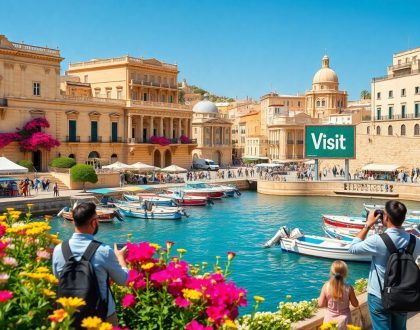
Another iconic spot in Malta is the fishing village of Marsaxlokk. Renowned for its colorful fishing boats, known as luzzu, and stunning turquoise waters, Marsaxlokk offers a picturesque setting. A visit to this village is best planned for Sunday when the local fish market comes alive with vendors and customers. Here, tourists can purchase fresh fish or savor delicious seafood dishes in one of the many restaurants lining the harbor.
The lively atmosphere and vibrant colors of the luzzu boats provide excellent photo opportunities, making it a favorite spot for both locals and tourists alike. Furthermore, Marsaxlokk offers a more relaxed experience compared to the bustling capital, Valletta.
Mdina: The Silent City
Step back in time in Mdina, Malta’s ancient capital, which served as the capital until the 16th century. With its narrow, winding streets and stunning architecture, Mdina offers a serene escape from the modern world. Visitors can explore historical sites such as St. Paul’s Cathedral, dedicated to Malta's patron saint, and the impressive Vilhena Palace.
Often referred to as the “Silent City,” Mdina is known for its tranquility, particularly in the evening when the streets are illuminated by soft lights. This enchanting atmosphere allows visitors to fully appreciate the beauty and history of this fortified town.
Relaxing at St. Peter’s Pool and Golden Bay
For those seeking adventure, Malta's stunning natural pools and beaches are a must-visit. St. Peter’s Pool, a natural swimming pool formed by erosion, is a popular spot for sunbathing and swimming. The striking contrast of white-gold rocks against the deep blue sea makes for a breathtaking backdrop. Visitors should note that the primary access to the pool is via jumping from the surrounding rocks or using a ladder, and it is important to be cautious as there is minimal natural shade.
For sandy beach lovers, Golden Bay is the perfect destination. With its golden sands and a plethora of water sports options, this beach is ideal for those looking to relax under the sun or engage in thrilling activities. Balluta Bay in Sliema is another excellent spot for swimming and enjoying the vibrant atmosphere of the area.
Valletta: The Jewel of Malta
Valletta, the capital of Malta, is one of the smallest capitals in the world yet boasts an incredible wealth of history and culture. With a population of only 6,000, Valletta is home to over 320 monuments, making it a UNESCO World Heritage Site. The city’s architecture, which dates back to the 16th century, showcases a blend of different styles influenced by various cultures.
Strolling through Valletta, visitors can explore iconic landmarks such as the Grandmaster’s Palace and the Upper Barracca Gardens, which offer panoramic views of the Grand Harbor and the Three Cities: Cospicua, Vittoriosa (Birgu), and Senglea. A visit to St. John’s Co-Cathedral is essential, where the breathtaking baroque interior houses masterpieces by Caravaggio.
Additionally, Valletta’s waterfront is perfect for leisurely walks, and visitors can also indulge in boat tours around the grand harbor, enhancing their understanding of the city’s maritime heritage. Film enthusiasts will recognize Valletta as a filming location for Game of Thrones, adding to its allure.
The Enchantment of Comino and the Blue Lagoon
No trip to Malta would be complete without a visit to the idyllic island of Comino, known for its stunning Blue Lagoon. The lagoon’s crystal-clear turquoise waters and rocky coastlines create a paradise for swimmers, snorkelers, and divers. Visitors can explore the underwater world, teeming with marine life and remnants of historical shipwrecks.
Comino is also a great spot for a relaxing day trip, providing opportunities for hiking, picnicking, and sunbathing. The island's natural beauty is awe-inspiring, and it remains one of Malta’s most popular attractions.
Nightlife in St. Julian’s
For those seeking vibrant nightlife, St. Julian’s, particularly the district of Paceville, is the place to be. This area is known for its lively bars, nightclubs, and casinos, making it an ideal destination for those looking to enjoy a night out. Visitors can experience the energetic atmosphere, mingle with locals and fellow travelers, and immerse themselves in Malta's social scene.
St. Julian's also offers a variety of dining options, allowing visitors to indulge in delicious Maltese cuisine while enjoying the beautiful coastal views.
Natural Wonders: The Blue Grotto and Dingli Cliffs
Malta's natural landscapes are breathtaking, particularly at the Blue Grotto and Dingli Cliffs. The Blue Grotto is famous for its stunning rock formations and crystal-clear waters, making it a popular spot for boat trips and sightseeing. Visitors can admire the mesmerizing colors created by sunlight reflecting off the water, making it a photographer’s dream.
For those seeking a more elevated viewpoint, Dingli Cliffs, the highest point in Malta, offers spectacular views of the Mediterranean Sea. Standing at 250 meters above sea level, the cliffs provide a perfect backdrop for hiking and exploring the surrounding areas. Visitors are encouraged to take pictures but should exercise caution, especially during windy conditions.
The Catacombs of St. Paul in Rabat
A visit to Malta would not be complete without exploring the Catacombs of St. Paul in Rabat. This complex of underground cemeteries represents some of the oldest evidence of Christianity in Malta, dating back to Punic, Byzantine, and Roman times. Covering an area of 2,000 square meters, these catacombs are a fascinating glimpse into the island's rich religious history.
According to legend, St. Paul spent three months in Malta after a shipwreck, during which he converted many locals to Christianity. The catacombs are believed to be connected to this pivotal moment in Malta’s history.
Day Trip to Gozo: A Hidden Gem
For those looking to explore beyond Malta, a day trip to the island of Gozo is highly recommended. Just a 15-minute ferry ride away, Gozo is known for its stunning landscapes, rich history, and a unique blend of Roman, African, Arab, and British influences. Visitors can explore the capital city of Victoria, with its impressive Citadel offering panoramic views of the island.
The island is home to several beautiful beaches and lagoons, including the Crystal Lagoon, which is perfect for swimming and snorkeling. Gozo also features megalithic temples older than the Egyptian pyramids, such as the Ggantija Temples, which date back to 3600–3000 BC, making it a fascinating destination for history enthusiasts.
Mosta Dome: A Church with a Miracle
The Mosta Dome, a remarkable Roman Catholic church, is one of Malta’s architectural marvels. Inspired by the Pantheon in Rome, it is renowned for having one of the largest unsupported domes in the world. A significant event in its history occurred during World War II when a bomb fell through the dome while mass was being held but miraculously did not detonate. This event is regarded as a miracle by many, and a replica of the bomb can still be seen in the church today.
Visitors to the Mosta Dome can admire its stunning interior and learn about its historical significance, making it a worthwhile addition to any itinerary.
Indulging in Maltese Cuisine
Maltese cuisine is a delicious fusion of Mediterranean flavors, influenced by British, Italian, French, Spanish, and Turkish cooking styles. One must-try dish is pastizzi, a flaky pastry filled with ricotta cheese, which is a popular snack among locals. Fresh seafood is abundant, with grilled octopus, sea bream, fresh tuna, and sea bass being common choices. Additionally, rabbit stew, known as fenek, is a traditional dish that visitors should not miss.
For dessert, kwarezimal, a sweet almond biscuit, is a favorite, especially during Lent. Maltese wine, particularly the local varieties made from indigenous grapes, is highly regarded and complements the flavors of the local cuisine.
Conclusion
Malta is a captivating destination that beautifully blends history, culture, and natural beauty. From its stunning landscapes and rich historical sites to its vibrant culinary scene, this Mediterranean jewel offers a unique experience for every traveler. Whether exploring the ancient streets of Mdina, relaxing on the shores of Golden Bay, or savoring local delicacies, Malta promises an unforgettable journey filled with enchanting moments.
FAQs
What is the best time to visit Malta?
The best time to visit Malta is during the spring (April to June) and fall (September to October) when the weather is pleasant, and tourist crowds are smaller.
How can I get around Malta?
You can get around Malta using public buses, taxis, or renting a car. The bus network is extensive and connects major attractions and towns.
What currency is used in Malta?
The currency used in Malta is the Euro (€).
Is English widely spoken in Malta?
Yes, English is one of the official languages in Malta and is widely spoken by locals.
What are the must-visit historical sites in Malta?
Must-visit historical sites include Mdina, Valletta, the Megalithic Temples, and the Catacombs of St. Paul.
Are there any good beaches in Malta?
Yes, some of the best beaches in Malta include Golden Bay, Mellieha Bay, and St. Peter's Pool.
What types of cuisine should I try in Malta?
You should try local dishes like pastizzi, rabbit stew (fenek), fresh seafood, and traditional desserts like kwarezimal.
Can I visit Gozo on a day trip?
Yes, Gozo can be easily visited on a day trip via a short ferry ride from Malta.
Is Malta a safe destination for tourists?
Yes, Malta is considered a safe destination for tourists, with low crime rates and friendly locals.
What activities are available for adventure seekers in Malta?
Adventure seekers can enjoy scuba diving, snorkeling, hiking, and water sports like jet skiing and paragliding.

Esther
I am a professional writer with 8 years of experience in this field and I can provide you with the best-written content you can find. Education B.A. - English, George Washington University, United States, Graduated 2011.
Related Posts
Malta luxury travel demand rises
April 11, 2026



Spring travel trends favor Malta
April 10, 2026
Malta welcomes older travellers
April 9, 2026
Malta’s heritage in spring
April 8, 2026
Malta spring tourism campaigns
April 7, 2026
Spring travel lifts Malta operators
April 6, 2026