Malta Faces Trial Delays as 206 Await Court Proceedings

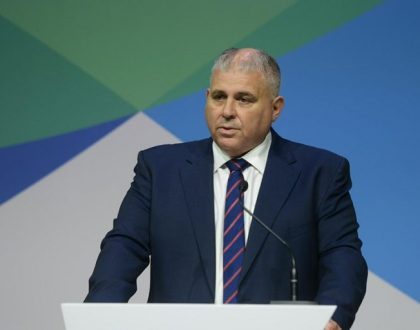
Malta's justice system continues to face mounting pressure as new data presented in parliament reveals that 206 individuals are currently awaiting trial for alleged criminal offenses. Justice Minister Jonathan Attard disclosed the figures in response to a parliamentary question by opposition Nationalist MP Graziella Attard Previ, underscoring systemic delays that critics say undermine the constitutional right to a timely and fair trial.
The information, which is current up to the end of May 2025, paints a concerning picture of long-standing procedural inefficiencies within the country’s judicial infrastructure. Of the 206 individuals still pending trial, a significant portion—76 people—have been awaiting proceedings for more than five years. Another 48 individuals have been waiting between two and five years, 44 for approximately one year, and 38 for at least six months.
The prolonged delays in trial commencement have prompted legal professionals and civil rights observers to raise fresh concerns regarding the impact on the accused’s rights, court administration, and public confidence in the legal process.





















Legal implications of prolonged trial delays
Under both Maltese constitutional law and European human rights standards, every person charged with a criminal offense is entitled to a fair and timely trial. Article 6 of the European Convention on Human Rights (ECHR), which Malta has ratified, explicitly provides for the right to be tried within a “reasonable time.” Prolonged pre-trial delays can lead not only to potential human rights violations but may also jeopardize the strength of criminal cases as evidence deteriorates over time and witnesses become unavailable or unreliable.
Legal experts have long warned that excessive delay could serve as a mitigating factor in sentencing or, in extreme cases, lead to dismissal of charges due to breaches of the right to a fair hearing. Although the Maltese legal system allows for flexibility in scheduling complex trials, an average wait of several years places both the accused and the victims in an ongoing state of uncertainty, which can significantly hinder the course of justice.
State response and infrastructure investment
Minister Attard acknowledged the challenges facing the judiciary and confirmed that the government has made targeted investments in the court infrastructure to address the problem. In particular, the Valletta law courts recently expanded their facilities to include a new courtroom suitable for jury trials.
This new hall supplements the already existing Hall 22, which has traditionally served as Malta’s primary venue for jury-based proceedings and is the largest courtroom in the country. According to the minister, three jury trials were successfully conducted in the newly added hall in recent weeks, while another took place simultaneously in Hall 22.
The expansion aims to ease the bottleneck that often affects serious criminal trials, which require a jury and are typically lengthier and more procedurally complex. However, critics argue that while infrastructure expansion is a step in the right direction, it does little to address the root causes of the backlog, such as shortages in judicial staff, procedural inefficiencies, and limited prosecutorial resources.
Challenges facing the Maltese judicial system
The backlog of trial cases is not an isolated issue. Over the past decade, Malta’s judicial system has been the subject of multiple reviews and recommendations from European legal bodies, including the Council of Europe’s Group of States against Corruption (GRECO) and the European Commission’s Rule of Law reports. Both institutions have stressed the need for structural reforms, increased judicial independence, and greater efficiency in case management.
According to local lawyers familiar with the matter, there are often procedural delays at multiple stages—ranging from police investigations and arraignment to preliminary hearings and final trial scheduling. These issues are exacerbated by limited availability of judges specialized in criminal cases and the heavy caseload assigned to magistrates.
Another common bottleneck is the frequency of adjournments due to technicalities, absences, or procedural objections. Each delay may appear minor in isolation but collectively contributes to a culture of prolonged litigation.
The human cost of judicial delays
The effects of such delays extend beyond institutional concerns and impact the lives of real individuals—both defendants and victims. For those accused of crimes, extended periods of legal uncertainty can cause reputational damage, financial distress, and psychological strain, especially if they remain in custody while awaiting trial.
Conversely, victims and their families may be left in limbo for years, unable to achieve closure or see justice served. Legal observers have cautioned that such delays risk undermining public trust in the judiciary and may weaken the deterrent effect of criminal law.
Political and public scrutiny
The issue of judicial delays has increasingly entered the political arena. Opposition MPs, including Graziella Attard Previ, have pressed the government to offer greater transparency on judicial timelines and to propose reforms aimed at improving trial efficiency.
Calls for reform have included proposals such as introducing statutory time limits for initiating trials, expanding the use of digital case management systems, and increasing investment in legal aid and prosecution resources.
In response, Minister Attard reiterated the government’s commitment to ongoing reform and modernization of the justice system. He emphasized that the newly inaugurated courtroom facilities are only the first step in a broader plan to reduce delays and enhance access to justice.
A systemic issue requiring long-term solutions
While the recent data highlights the current number of pending trials, legal professionals caution that these figures may only reflect the tip of a much larger systemic problem. According to unofficial estimates by legal NGOs, many additional cases may face similar delays during preliminary or investigative phases before formal trial dates are set.
Addressing the issue of delayed trials will likely require a multifaceted approach involving legislative reform, increased funding, recruitment of judicial personnel, and better procedural coordination among law enforcement, prosecution, and the judiciary.
International comparisons and legal standards
Malta is not alone in facing trial delays, but the extent and consistency of the problem places it among jurisdictions that have struggled to meet European standards. Countries such as Ireland, Greece, and Italy have faced similar criticisms in past years, often prompting intervention by the European Court of Human Rights (ECtHR) when delays amounted to a breach of Article 6.
Experts in comparative law have emphasized the importance of implementing time management protocols, such as “case tracking systems,” judicial performance metrics, and regular reporting obligations that hold judicial officers accountable for prolonged timelines.
Conclusion
The revelation that over 200 individuals are awaiting trial—some for more than five years—raises serious questions about the efficiency and fairness of Malta’s criminal justice system. While the government has taken steps to expand courtroom capacity and improve the scheduling of jury trials, systemic challenges remain.
Meaningful reform will require long-term planning, resource allocation, and a commitment to transparency and judicial accountability. Ensuring that justice is both swift and fair must remain a core priority for policymakers and legal stakeholders in Malta, particularly as the country continues to align its legal system with broader European standards.
FAQs
What does the data on trial delays in Malta show?
As of May 2025, 206 people in Malta are awaiting trial, including 76 individuals who have been waiting more than five years.
Why are the trial delays in Malta considered problematic?
Such delays can breach the right to a fair and timely trial under both Maltese and European law, potentially compromising justice for both the accused and victims.
What steps has the Maltese government taken to address the delays?
The government has invested in courtroom infrastructure, including a new jury hall in Valletta, to help ease the backlog.
How many courtrooms in Malta are equipped for jury trials?
There are currently two courtrooms—Hall 22 and a newly inaugurated hall—used for jury trials in Malta.
Who raised the issue in parliament?
The figures were disclosed in response to a parliamentary question by Nationalist MP Graziella Attard Previ.
What impact do these delays have on accused individuals?
Long delays can lead to reputational harm, financial strain, and legal uncertainty for the accused, especially if held in custody.
Are there any legal risks for Malta due to these delays?
Yes, prolonged delays may violate Article 6 of the European Convention on Human Rights, potentially exposing the state to legal challenges.
What systemic issues contribute to the backlog?
Factors include a shortage of judges, procedural inefficiencies, frequent adjournments, and limited prosecutorial resources.
What further reforms are being proposed?
Recommendations include implementing statutory time limits, improving digital case management, and expanding legal aid and judicial staff.
How does Malta compare to other EU countries?
While other countries also face delays, Malta’s persistent backlog and length of delays place it among jurisdictions under heightened scrutiny from European legal bodies.

Anna Amstill
I am an avid Blogger and Writer with more than 6 years of experience with Content Writing. An Online Marketing expert specializing in Blog writing, Article writing, Website content, SEO specific Keyword content and much more. Education B.A. - business management, York University, Canada, Graduated 2016.