Malta Grants Citizenship to 28,000 Individuals
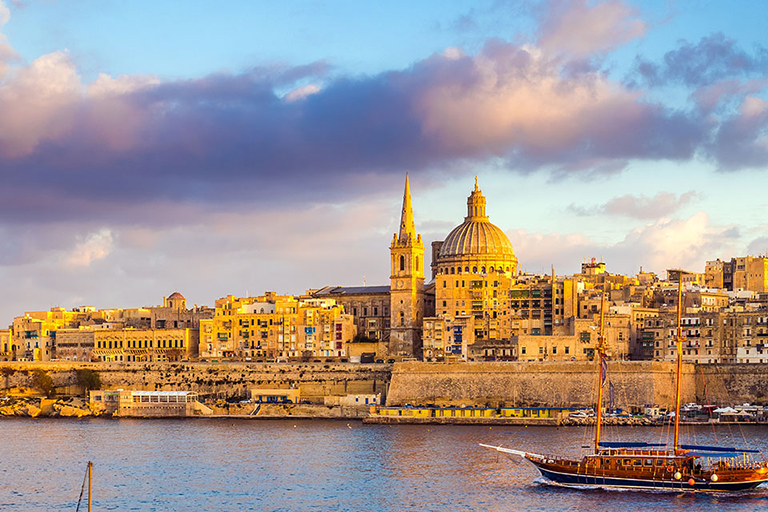
Between 2013 and 2024, a remarkable 28,045 individuals were granted Maltese citizenship. This milestone, disclosed by Home Affairs Minister Byron Camilleri, highlights the growing appeal of Malta as a global destination. The information was revealed in response to a parliamentary inquiry by PN MP Chris Said, who sought annual data and the countries of origin for these new citizens. However, the data provided did not distinguish between the three primary methods of acquiring citizenship, leaving room for further analysis of Malta's citizenship policies.
Three Avenues to Maltese Citizenship
Maltese citizenship can be attained through three distinct pathways:
By Descent: Individuals with Maltese heritage can claim citizenship through familial lineage. This option has historically been a significant channel for those with ancestral ties to the island.





















Naturalisation: Foreign residents who have lived in Malta for an extended period and meet specific legal criteria can apply for citizenship through this route. This pathway underscores Malta's commitment to integrating long-term residents into its community.
Investment-Based Citizenship: The introduction of the Malta Individual Investor Programme (MIIP) in 2014 created a unique opportunity for affluent individuals to gain citizenship. By making substantial financial contributions to Malta's economy, these applicants secure citizenship, aligning with the government’s economic development goals.
The MIIP, in particular, has drawn considerable attention, significantly influencing the annual citizenship figures since its inception.
Trends in Citizenship Grants: A Year-by-Year Breakdown
Over the past decade, the number of people obtaining Maltese citizenship has varied substantially, reflecting broader socio-economic and policy changes:
2013: The year saw modest numbers before the introduction of the MIIP, which would later reshape the landscape of citizenship applications.
2014-2015: Following the launch of the MIIP, the numbers began to climb, with 902 individuals granted citizenship in 2014 and 949 in 2015. This upward trajectory marked the start of Malta's more prominent role in the global citizenship-by-investment market.
2016: A significant surge occurred, with 2,125 individuals acquiring citizenship. This dramatic increase reflected the growing popularity of Malta’s investment scheme and its appeal to international applicants.
2017-2018: These years marked the peak, with 3,186 individuals in 2017 and a record-breaking 3,610 in 2018. These figures underscore Malta’s attractiveness as a destination for both investment and residence.
2019-2024: While there was a gradual decline after 2018, the numbers stabilized in recent years. For instance, 2,652 individuals gained citizenship in 2023, followed by a slight increase to 2,795 in 2024, showing continued interest in Maltese citizenship.
Economic and Social Impacts of the MIIP
The MIIP has been a game-changer for Malta, providing significant economic benefits while also sparking debates over the ethics and long-term implications of investment-based citizenship.
Economic Contributions:
The MIIP has generated substantial revenue, funding national infrastructure projects, social programs, and economic development initiatives. By attracting high-net-worth individuals, Malta has positioned itself as a premier destination for those seeking global mobility and stability.
Social and Ethical Considerations:
Despite its economic advantages, the MIIP has faced criticism. Opponents argue that it commodifies citizenship, potentially undermining the value of Maltese nationality. Concerns over transparency and the vetting process for applicants have also been raised, with calls for stricter oversight and clearer criteria.
Regional Origins of New Citizens
Although the official response did not specify the countries of origin, trends suggest that applicants hail from diverse regions. These include Europe, the Middle East, Asia, and Africa. For many, Maltese citizenship offers a gateway to the European Union, providing access to a wide range of opportunities, including business, education, and travel.
Citizenship Trends and Malta’s Global Appeal
The surge in citizenship applications reflects Malta’s transformation into a global hub for business, investment, and tourism. Its strategic Mediterranean location, robust financial sector, and EU membership make it an attractive option for individuals and families seeking new opportunities.
Malta’s appeal extends beyond economic benefits. The country’s rich history, vibrant culture, and high quality of life are significant draws. Additionally, its strong governance and political stability enhance its reputation on the international stage.
Policy Challenges and Future Outlook
As Malta continues to grant citizenship at a steady pace, policymakers face critical decisions about the future of its citizenship programs. Striking a balance between economic growth, national security, and public trust will be essential. Transparency and fairness in the application process will remain key priorities to maintain both domestic and international confidence.
Conclusion
Over the past decade, Malta has granted citizenship to more than 28,000 individuals, reflecting its growing role as a global destination. While the MIIP and other pathways have brought significant benefits, they also present challenges that require careful navigation. As Malta looks to the future, its citizenship policies will undoubtedly continue to evolve, shaping the nation’s identity and place in the world.
FAQs
What are the main pathways to acquire Maltese citizenship?
Citizenship can be obtained through descent, naturalisation, or investment via the Malta Individual Investor Programme.
How many people acquired Maltese citizenship between 2013 and 2024?
A total of 28,045 individuals gained Maltese citizenship during this period.
What is the Malta Individual Investor Programme (MIIP)?
The MIIP allows individuals to acquire Maltese citizenship through significant financial contributions, introduced in 2014.
What year saw the highest number of citizenship grants?
2018 recorded the highest figure, with 3,610 individuals granted citizenship.
Why is the MIIP controversial?
Critics argue that it commodifies citizenship and raises concerns about transparency and national security.
What are the economic benefits of the MIIP?
The programme generates revenue for national development projects and attracts high-net-worth individuals to Malta.
Where do most new Maltese citizens come from?
Applicants typically hail from Europe, Asia, the Middle East, and Africa, though exact origins vary annually.
Why is Maltese citizenship attractive?
It offers EU membership benefits, global mobility, and access to Malta’s thriving economy and stable political environment.
What challenges do Malta’s citizenship policies face?
Key challenges include balancing economic benefits with transparency, ethical concerns, and public trust.
How has citizenship policy evolved in Malta over the years?
Policies have shifted to accommodate global demand, particularly with the introduction of the MIIP in 2014.

Ash
I like to keep it short. I am a writer who also knows how to rhyme his lines. I can write articles, edit them and also carve out some poetic lines from my mind. Education B.A. - English, Delhi University, India, Graduated 2017.