Malta Migrant Centres Still Face Rights Concerns

The Council of Europe’s Committee for the Prevention of Torture and Inhuman or Degrading Treatment or Punishment (CPT) has published its latest report on the situation in Malta’s immigration detention system. While the committee acknowledged that there had been tangible improvements in infrastructure and population management at various facilities, it also issued a series of serious criticisms about the treatment and living conditions of migrants, particularly in terms of daily routines, human dignity, and procedural safeguards.
The report, released in July 2025, is based on the CPT’s sixth periodic visit to Malta, which occurred between September and October 2023. It follows previous reviews conducted in 2015 and 2020, providing continuity in monitoring Malta’s compliance with human rights standards in custodial and detention settings.
Fewer detainees and facility refurbishments noted
One of the positive developments highlighted by the CPT was the significant reduction in the number of individuals held in both open and closed migrant reception centres. During the committee’s visit, official figures from the Maltese government showed that 260 migrants were held in open centres and 221 in closed centres, with numbers remaining within the facilities’ capacities. These lower figures are attributed to various factors, including changes in migration routes and international agreements with third countries such as Libya and Bangladesh.





















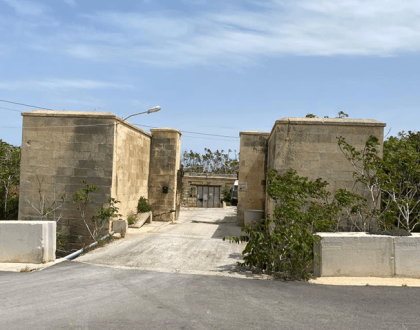
The CPT noted that Malta had undertaken some physical refurbishments at detention centres, particularly at the Safi Detention Centre and the Hal Far Initial Reception Centre. Improvements included the renovation of dormitories, better access to hygiene facilities such as hot water and showers, new mattresses and bedding, and upgraded communal areas in certain sections, especially the female block at Safi.
Government authorities stated that much of the Safi Centre had undergone extensive renovation by the time of the committee’s visit, including changes to its layout and a reduction in overcrowding. They also reported staffing increases and a change in operational management, which were acknowledged by the committee.
Criticism of overly carceral environment
Despite these infrastructural improvements, the CPT raised major concerns about the overall environment and treatment of detainees in both open and closed centres. The committee described the atmosphere as “carceral” – too closely resembling that of a prison – and cited a severe lack of meaningful daily activities or rehabilitative programs for detainees.
This assessment applied particularly to the Safi Detention Centre and the Hal Far Initial Reception Centre. The CPT emphasised that the detention regime remained underdeveloped and that safeguards were inadequate, particularly for vulnerable groups such as unaccompanied minors awaiting age assessments or appealing age determination outcomes.
The committee called for “concerted action” to establish humane treatment standards and ensure that detention conditions aligned with international human rights norms. It noted that such changes were urgently needed to provide detained individuals with structure, autonomy, and respect for their dignity.
Use of numbers instead of names raises human dignity concerns
One of the most pointed criticisms concerned the continued practice of referring to detainees by their assigned immigration numbers rather than by name, a measure that the CPT deemed dehumanising. Detainees were also required to wear standardised clothing issued by the detention facility, which the committee likened to a uniform, further eroding personal identity.
The CPT stated that such practices “rob detained foreign nationals of a sense of personal identity” and recommended that staff should address residents by their names and allow them to wear their own clothing where feasible.
In response, Maltese authorities explained that the use of numbers within dormitory settings was a logistical necessity due to frequent instances of detainees sharing identical names, particularly among individuals from similar cultural or religious backgrounds. However, they asserted that during individual assessments, medical reviews, and other formal interactions, detainees were always addressed by their names. Authorities also noted that many detainees arrived in Malta without personal belongings and thus depended entirely on staff for clothing and hygiene kits.
Limited access to education and purposeful activities
Another recurring theme in the CPT’s report was the lack of structured or educational activities within the centres. The committee found that detainees spent much of their day idle, with limited opportunities to engage in work, education, or recreation.
At the Safi Centre, aside from weekly football sessions, detainees reportedly had little to no access to meaningful programming. Libraries were either non-existent or inadequately stocked with reading material, particularly in the languages spoken by detainees. Televisions were available in shared corridors but did little to offer educational or mental stimulation.
The committee described this regime as “unacceptably poor” and urged authorities to implement a regular schedule of purposeful activities, including language classes, life skills training, and recreational options.
Maltese authorities responded that some efforts were underway to address this issue. Weekly physical activity sessions were being organised in collaboration with the Malta Football Association, and plans were being developed to introduce training classes on life skills. Authorities also claimed that each residential block had outdoor areas and access to TV and digital content, including YouTube.
Hal Far centre offers limited outdoor access
At the Hal Far Initial Reception Centre, the CPT reported similar concerns. Although detainees were, in theory, permitted to access outdoor yards for two to three hours per day, the actual time spent outside was reportedly far shorter – typically around 45 minutes in the morning and 30 minutes in the afternoon, if at all.
The committee also criticised the lack of basic shelter or recreational facilities in the exercise areas, calling for improvements such as the provision of benches, shaded areas, and sports equipment. Authorities acknowledged the recommendation and said they intended to include it in their future planning.
Allegations of excessive force following 2023 escape incident
In addition to structural and procedural concerns, the CPT report documented serious allegations of ill-treatment by detention centre staff, particularly in relation to an escape attempt at the Hal Far Initial Reception Centre in May 2023.
According to the CPT, several detainees claimed they were subjected to excessive force during and after the incident, including being punched, kicked, and tightly handcuffed, even when already lying on the ground. These allegations were said to involve not only the escapees but other detainees as well, with claims suggesting the intent was to deter future escape attempts.
Some of these allegations reportedly aligned with medical records reviewed by the CPT, although the committee noted that many claims involved incidents that took place outside the reach of CCTV cameras or were not formally recorded.
Maltese authorities strongly disputed these allegations, stating that thorough investigations had found no substantiated evidence of abuse. They explained that medical records, court documents, and video surveillance did not corroborate the claims. In particular, they highlighted one case where an individual reported ear pain five months after the incident, despite having had multiple medical check-ups in the interim without raising any concerns.
Authorities added that any injuries observed were consistent with escape-related factors, such as navigating rough terrain barefoot or coming into contact with barbed wire, rather than any alleged physical abuse.
Committee urges broader legal and procedural reforms
While recognising that progress had been made in some areas, the CPT’s overall assessment underscores a need for systemic reform in Malta’s approach to immigration detention. The committee reiterated that detention should be a measure of last resort and that conditions must always meet the minimum standards for human dignity and well-being.
Among its broader recommendations, the CPT called for:
- Establishing legal safeguards for vulnerable individuals, especially unaccompanied minors
- Ensuring adequate medical care and mental health support within detention facilities
- Strengthening independent oversight and complaint mechanisms
- Providing legal aid and access to timely judicial review for detained migrants
- Offering structured education, vocational training, and recreational activities
Malta’s government has committed to reviewing the committee’s recommendations and has emphasised its cooperation with international human rights bodies. However, the implementation of these reforms remains subject to resource constraints and political considerations, both domestically and in the context of broader European Union migration policy.
A continuing human rights challenge
The CPT’s report highlights the delicate balance Malta must strike between fulfilling its border management responsibilities and upholding its human rights obligations. While certain physical improvements are noteworthy, the continued perception of migrants being treated as prisoners rather than protected individuals underscores the persistent challenges in the country’s migration system.
How Malta responds to this latest round of criticism will not only influence future CPT reports but may also shape its standing in European and international human rights discussions in the years to come.
Conclusion
The Council of Europe’s latest report on Malta’s immigration detention centres offers a sobering yet constructive assessment of the country's treatment of migrants in custodial settings. While the Maltese government has made tangible progress in reducing overcrowding, upgrading facilities, and improving administrative management, the persistent issues raised by the Committee for the Prevention of Torture underscore deeper systemic shortcomings that remain unresolved.
The continued use of practices that diminish detainees’ personal identity—such as referring to them by number and requiring standardised clothing—combined with a lack of meaningful daily activities and educational opportunities, reflects a detention model still too rooted in punitive traditions rather than humanitarian principles. Allegations of ill-treatment following the 2023 escape incident, even if contested by Maltese authorities, highlight the need for stronger accountability mechanisms and independent oversight.
Ultimately, the report serves as a call for Malta to adopt a more rights-based approach to immigration detention. Addressing the deficiencies identified by the CPT will not only improve the dignity and well-being of those detained but will also strengthen Malta’s commitment to upholding international human rights obligations. The road ahead will require sustained political will, adequate resourcing, and a shift in institutional culture—from one of control and containment to one of care and compliance with fundamental rights.
FAQs
What is the Council of Europe’s Committee for the Prevention of Torture?
It is a human rights body that monitors detention conditions across Europe to prevent torture and inhumane or degrading treatment.
Why did the committee visit Malta in 2023?
The visit was part of a periodic review of Malta's detention conditions, following previous visits in 2015 and 2020.
What were the main concerns raised in the 2023 report?
The committee criticised the prison-like conditions, lack of activities for detainees, and treatment that undermines detainees’ dignity.
Has Malta improved its detention centres since the last visit?
Yes, there have been infrastructure improvements and fewer detainees, but significant concerns about the regime and treatment remain.
What did the committee say about the Safi Detention Centre?
While acknowledging refurbishment, it criticised the continued use of numbers instead of names and the absence of meaningful daily activities.
How did the government respond to the allegations of ill-treatment?
Authorities denied the allegations, stating that evidence including CCTV and medical records did not support claims of abuse.
What activities are provided to detainees?
Aside from limited recreational options like football and television, most centres lack structured educational or vocational programming.
What are the concerns regarding unaccompanied minors?
The committee noted insufficient safeguards for minors awaiting age assessments or appealing age decisions, raising protection issues.
Did the report mention any escape attempts?
Yes, it detailed a May 2023 escape attempt at Hal Far and associated allegations of excessive force by detention staff.
Will Malta implement the committee's recommendations?
While authorities have acknowledged the report, it remains to be seen how comprehensively the recommendations will be implemented.

Anna Amstill
I am an avid Blogger and Writer with more than 6 years of experience with Content Writing. An Online Marketing expert specializing in Blog writing, Article writing, Website content, SEO specific Keyword content and much more. Education B.A. - business management, York University, Canada, Graduated 2016.