Malta SMEs Struggle with Staffing and Competition

Small businesses in Malta are increasingly under pressure, as shown in the latest survey conducted by the Malta Chamber of SMEs. The survey results highlight significant challenges faced by small and medium-sized enterprises (SMEs), with 43% of businesses identifying an employee shortage as their primary concern. Other notable issues include unfair competition, mentioned by 22% of respondents, and traffic congestion, affecting 18%. These findings reflect critical obstacles impeding growth, impacting business operations, and creating concerns for future investment.
The SME Barometer survey, conducted in the third quarter of 2024, gathered input from 432 businesses of varying sizes—ranging from micro to large. The data provides an important overview of the challenges that SMEs in Malta currently face and underscores the implications for policy and business strategy.
Growing Employee Shortage a Top Concern
The survey indicates that Malta’s labor market is under significant strain, with a pronounced shortage of skilled employees affecting a vast number of SMEs. This shortage appears particularly severe for micro-enterprises, which constituted the largest segment of survey respondents at 50.5%. Smaller enterprises are especially vulnerable, as they often lack the resources of larger corporations to attract and retain talent.





















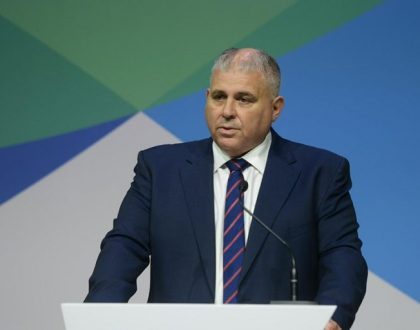
In response, the President of the Malta Chamber of SMEs, Paul Abela, emphasized the urgent need for effective measures to address the employment crisis. He explained that the shortage is not only impacting business growth but also complicating day-to-day operations and hindering potential innovation.
According to the chamber, many businesses have been forced to delay or cancel projects due to a lack of staff. Moreover, the hiring challenges are further aggravated by issues such as high employee turnover and competition for qualified workers with larger companies, which can often offer higher wages and benefits.
Unfair Competition and Its Economic Implications
Unfair competition is another pressing concern that has surfaced prominently in this survey, with 22% of respondents identifying it as a major challenge. This issue is frequently cited by business owners who feel disadvantaged by competitors that may not adhere to industry regulations or employ low-cost practices, often at the expense of quality or ethics. Abela explained that this unfair competition not only impacts revenue but also has a long-term effect on the reputation and sustainability of SMEs in Malta.
Unfair practices, including unregulated operations and tax evasion, pose challenges for compliant businesses that struggle to match the prices and services offered by less regulated entities. This disparity threatens to erode the integrity of the market and, consequently, the confidence of Malta’s business community.
Traffic Congestion: A Daily Obstacle
Malta’s traffic congestion remains a recurrent issue, with 18% of SMEs indicating that it significantly disrupts their operations. Many business owners have reported that traffic delays lead to logistical inefficiencies, increased operational costs, and a reduction in customer satisfaction.
The challenge of traffic congestion is also linked to the broader issue of overpopulation. The influx of people to Malta has strained the island’s infrastructure, resulting in congested roadways and longer commute times. These factors negatively impact businesses that rely on timely delivery and accessibility. According to the survey, traffic congestion contributes to employee lateness, disrupts delivery schedules, and ultimately reduces productivity, which collectively affect business profitability.
National Issues Impacting Business Confidence
Apart from the specific concerns affecting daily operations, the survey also delved into broader national issues that influence business confidence. Overpopulation, which has recently emerged as a critical topic, was noted by 39% of respondents as a primary concern, second only to governance issues. Overpopulation places strain on resources and infrastructure, exacerbating challenges like housing, transportation, and public services, which in turn affect the business climate.
Governance issues, cited by 41% of respondents, remain an ongoing source of concern. Many SMEs in Malta feel that there is a lack of sufficient policy support, transparency, and regulatory enforcement, which leaves businesses vulnerable to unfair competition and operational challenges. Respondents expressed a desire for the government to address these governance issues through stricter enforcement of regulations, support for compliant businesses, and a fairer, more equitable marketplace.
Investment Uncertainty Among SMEs
The survey results also reveal a prevailing sentiment of uncertainty among business owners regarding future investments. When asked about their investment plans over the next 12 months, 57% of SMEs expressed doubt about the economic climate, with only 13% indicating a positive outlook. These results point to a cautious approach among SMEs as they navigate the uncertainties surrounding workforce availability, competitive pressures, and infrastructure constraints.
Several factors contribute to this hesitation, including inflationary pressures, political uncertainty, and the perceived lack of governmental support. Lawrence Zammit, Director of Misco, which partnered with the Chamber for the survey, suggested that digital transformation and automation could offer a solution to these challenges. By investing in technology, businesses may find ways to reduce their reliance on labor, improve productivity, and remain competitive.
Governmental Support and Potential Solutions
The Malta Chamber of SMEs is calling on the government to take urgent measures to alleviate the employee shortage by enhancing training programs, increasing support for hiring local talent, and implementing policies to ease the hiring process for skilled foreign workers. The chamber has also recommended that the government promote digitalization initiatives for SMEs, which could enable businesses to function more efficiently with fewer human resources.
Furthermore, to address issues of unfair competition, the chamber advocates for stricter regulatory enforcement and greater penalties for businesses operating outside the legal framework. Addressing this challenge would create a more balanced playing field and restore confidence in the marketplace.
In tackling overpopulation and traffic congestion, the chamber suggests infrastructure improvements, such as expanding public transportation and creating incentives for remote work options. These measures could ease the strain on Malta’s roads, reduce congestion, and create a more business-friendly environment.
Looking Forward
The SME Barometer survey underscores the critical issues that Malta’s small businesses are grappling with, and it highlights the importance of strategic support from both policymakers and business leaders. With a focused approach to workforce development, regulatory reforms, and infrastructure improvements, the challenges outlined in the survey may become more manageable. These efforts will be essential in fostering a vibrant, resilient SME sector in Malta, ultimately strengthening the broader economy.
Conclusion
The Malta Chamber of SMEs survey sheds light on critical challenges facing small businesses, particularly the employee shortage, unfair competition, and traffic congestion. These issues not only disrupt daily operations but also hinder long-term growth and investment confidence. Addressing these concerns requires coordinated efforts from the government and industry stakeholders to implement workforce development programs, enforce fair market regulations, and improve infrastructure. With strategic support, Malta’s SMEs can navigate these challenges, fostering a more sustainable and competitive environment for businesses and strengthening the local economy.
As Malta’s SMEs continue to adapt to these pressing issues, the Chamber of SMEs remains committed to advocating for the needs of its members, working to ensure that small businesses can thrive despite the challenges they face.
FAQs
What is the primary concern for SMEs in Malta?
Malta’s SMEs are most concerned about an employee shortage, which impacts growth and operational efficiency.
How many businesses participated in the Malta Chamber of SMEs survey?
A total of 432 businesses participated, covering micro, small, medium, and large enterprises.
What other challenges are affecting Malta’s SMEs?
Aside from employee shortages, unfair competition and traffic congestion are major concerns for SMEs in Malta.
Why is overpopulation a concern for Malta’s SMEs?
Overpopulation strains infrastructure, leading to issues like traffic congestion and higher operational costs for businesses.
How does unfair competition affect small businesses?
Unfair competition hinders compliant businesses by creating unequal market conditions, impacting revenue and market sustainability.
How are traffic issues affecting business operations in Malta?
Traffic congestion leads to delivery delays, increased operational costs, and lower customer satisfaction.
What are SMEs’ views on investing in the near future?
Most SMEs express uncertainty or pessimism about investing over the next 12 months due to current economic challenges.
What solutions does the SME Chamber propose for employee shortages?
The chamber recommends government support for training programs, hiring policies, and promoting digitalization to reduce dependency on labor.
How can digitalization help Malta’s SMEs?
Digitalization can improve productivity, streamline operations, and allow businesses to operate effectively with fewer employees.
What infrastructure improvements could benefit Malta’s SMEs?
Expanded public transport and incentives for remote work could ease traffic congestion and create a more efficient business environment.

Anna Amstill
I am an avid Blogger and Writer with more than 6 years of experience with Content Writing. An Online Marketing expert specializing in Blog writing, Article writing, Website content, SEO specific Keyword content and much more. Education B.A. - business management, York University, Canada, Graduated 2016.