















Spring travel trends favor Malta
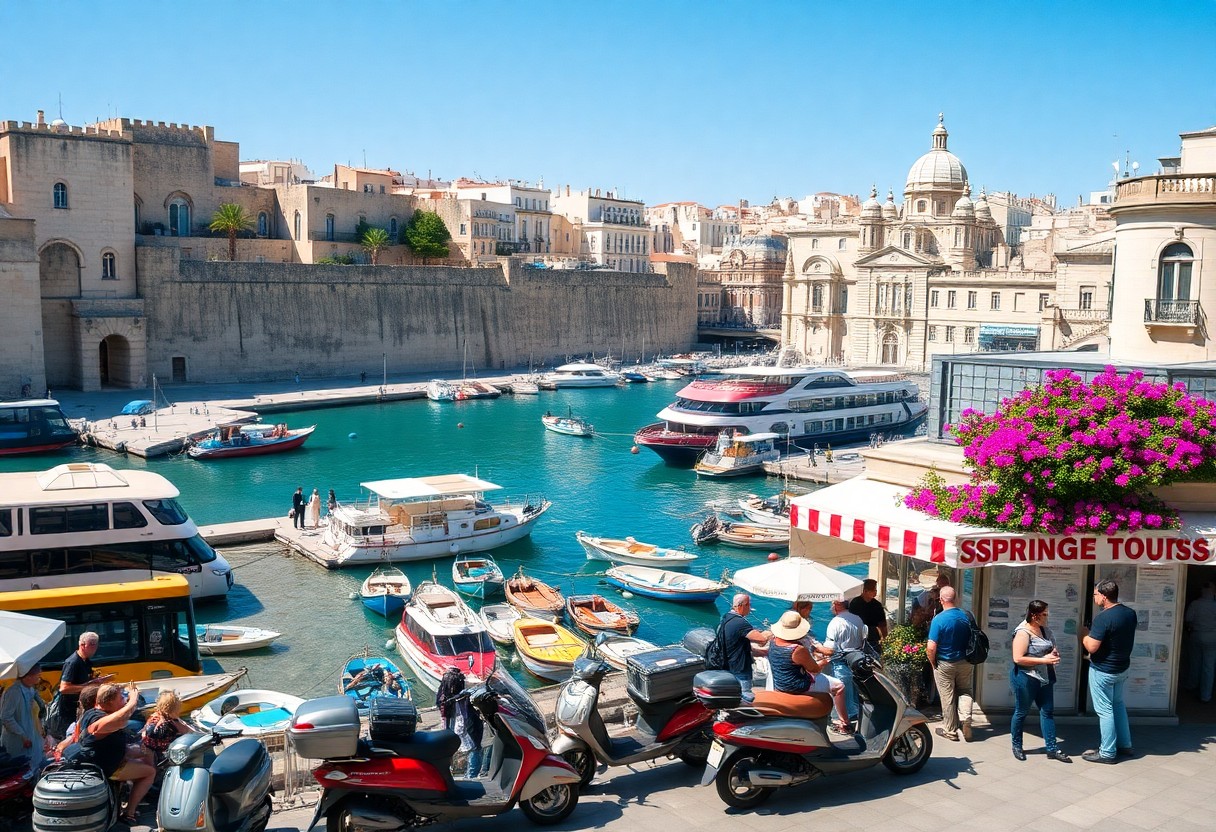
Over the years, Malta has sharpened its tourism strategies to capture the growing spring demand within the Mediterranean. By enhancing attractions, promoting cultural events, and leveraging its unique climate, Malta positions itself as a prime destination for travelers seeking early-season experiences.
The Strategic Geography of Malta in the Mediterranean Basin
Central location as a gateway between Europe and North Africa
Malta's strategic position offers direct access to both Europe and North Africa, acting as a natural hub for travelers. This advantageous location attracts tourists seeking convenient connections to a variety of Mediterranean destinations.
Microclimatic advantages: Comparing spring temperatures with regional rivals
Malta enjoys mild spring temperatures that appeal to tourists looking for pleasant weather. Compared to neighboring regions, it often boasts warmer and more stable conditions, enhancing its attractiveness in the spring season.





















Malta benefits from a mild and stable spring climate, which plays a key role in attracting early-season visitors. During spring, temperatures on the island typically range between 17°C and 20°C, offering comfortable conditions for sightseeing, outdoor activities, and coastal experiences.
In comparison, nearby destinations such as Southern Italy usually see spring temperatures between 15°C and 18°C, while Greece and Spain’s Balearic Islands tend to range from 16°C to 19°C. Although the differences may seem small, Malta’s slightly warmer and more consistent weather provides a noticeable advantage.
This marginal climatic edge enhances Malta’s appeal for travelers seeking pleasant conditions without the heat of peak summer, making it a preferred choice for spring getaways in the Mediterranean.
Connectivity and accessibility via the Malta International Airport hub
Malta International Airport serves as a key gateway, offering extensive flight connections to major European cities and various international destinations. This accessibility enhances the island's appeal for spring tourists.
Offering numerous flights from various carriers, Malta International Airport ensures easy access for travelers. City breaks, cultural tours, and outdoor adventures are within reach, bolstering Malta's competitive edge in the spring tourism market.
Cultural Heritage as a Competitive Differentiator
Leveraging 7,000 years of history: From Megalithic temples to Valletta
Malta offers a trove of historical treasures, from ancient Megalithic temples to the stunning architecture of Valletta. Visitors can explore a diverse array of sites that convey the island's rich tapestry of influences, making it a unique cultural hotspot in the Mediterranean.
Religious tourism and the significance of Holy Week traditions
Holy Week traditions in Malta attract numerous visitors, showcasing the island's deep-rooted Catholic faith. Elaborate processions and vibrant celebrations provide a captivating experience for tourists seeking spiritual connections or cultural insights.
During Holy Week, Malta transforms into a living tableau of religious fervor, with towns adorned in vibrant decorations and nightly processions. Participants re-enact biblical events, engaging both locals and tourists alike. This deeply ingrained tradition not only fosters a sense of community but also highlights Malta's unique blend of history and spirituality, enticing cultural enthusiasts from around the world.
The role of UNESCO World Heritage sites in attracting high-value travelers
UNESCO World Heritage sites play a significant role in increasing Malta's appeal to high-value travelers. These designated locations serve as markers of cultural significance, enhancing the island's status as a premier tourist destination.
Recognition from UNESCO elevates Malta in the competitive tourism market by showcasing its historical and architectural merit. Travel enthusiasts are drawn to the island’s celebrated sites, such as the megalithic temples and Valletta's fortified city, seeking authentic experiences that connect them to the broader narrative of human achievement and cultural exchange. This prestige not only enhances visitor experiences but also encourages longer stays and increased spending.
The MICE Segment: Spring as the Peak Season for Business Travel
Infrastructure for Meetings, Incentives, Conferences, and Exhibitions
Malta boasts modern venues equipped with cutting-edge technology, catering to diverse MICE needs. Key facilities like the Malta Fairs and Conventions Centre and luxurious hotels provide flexibility for various event scales, ensuring that business travelers enjoy a conducive atmosphere for networking and collaboration.
Government incentives and tax rebates for international corporate events
The Maltese government actively promotes international corporate events through financial incentives and tax rebates. These initiatives make Malta an appealing destination for companies seeking to reduce costs while enhancing their event experiences.
Specific incentives include tax breaks for eligible conferences and exhibitions, significantly lowering the financial barrier for hosting large-scale events. Eligible organizations can benefit from refunds on VAT and other fees, promoting Malta as an attractive option for international business meetings.
Networking opportunities within the burgeoning iGaming and Fintech sectors
Spring provides a prime opportunity for professionals in the iGaming and Fintech industries to network at conferences and events across Malta. The island's rising profile in these sectors attracts key players, fostering collaborative discussions and partnerships.
Engagement with industry leaders during various spring events allows participants to share insights and learn about the latest innovations, further positioning Malta as a hub for iGaming and Fintech. These interactions cultivate a vibrant community, encouraging the exchange of ideas and potential collaborations among businesses.
Niche Market Specialization: Diving and Outdoor Adventure
Spring visibility and water temperatures in the Gozo and Comino channels
Visibility in the Gozo and Comino channels during spring ranges from 10 to 30 meters, while water temperatures hover around 17°C to 20°C. Ideal for divers, this combination creates a vibrant underwater experience.
Water Conditions in Spring
| Visibility | 10 – 30 meters |
| Water Temperature | 17°C – 20°C |
The development of trekking and rock climbing trails in the Maltese countryside
Growth in trekking and rock climbing trails has transformed the Maltese countryside into an outdoor enthusiast's paradise during spring.
Increasing investment in trekking and rock climbing trails has made Malta an attractive destination for adventure seekers. With routes winding through scenic landscapes and historical sites, the trails cater to various skill levels, enhancing the overall tourist experience while promoting sustainable tourism practices.
Marketing the “Active Spring” campaign to Northern European demographics
Targeted marketing efforts highlight Malta's idyllic conditions for outdoor activities during the spring season to Northern European tourists.
Focused campaigns aim to attract Northern Europeans seeking warmer weather and outdoor adventures. Through social media, partnerships with travel influencers, and engaging advertisements, Malta showcases its unique adventures, appealing directly to the interests of this demographic, thus enhancing seasonal tourism growth.
Gastronomy and Agritourism: The Farm-to-Table Appeal
Seasonal culinary festivals celebrating local produce and viticulture
Seasonal culinary festivals in Malta showcase the island's rich agricultural heritage, highlighting local produce and wines. These events attract food enthusiasts eager to experience traditional dishes prepared with fresh ingredients, promoting both tourism and cultural appreciation.
The rise of boutique farmstays in rural Gozo
Increasingly, boutique farmstays in rural Gozo offer unique accommodations that blend comfort with local agriculture. Visitors appreciate immersive experiences that connect them with nature while enjoying personalized farm-to-table dining.
Rural Gozo has seen a surge in boutique farmstays, attracting tourists seeking authentic experiences. These accommodations often provide tours of nearby farms and vineyards, allowing guests to interact with local producers. This trend not only promotes sustainable tourism but also fosters a deeper understanding of the region's agricultural practices.
Fusion cuisine: Blending Mediterranean flavors to attract food-motivated tourists
Fusion cuisine in Malta combines Mediterranean flavors with global culinary techniques, creating innovative dishes that captivate tourists. This trend continues to grow, appealing to adventurous eaters seeking unique gastronomic experiences.
Blending traditional Maltese ingredients with international flavors, local chefs craft imaginative dishes that surprise and delight. Restaurants increasingly experiment with flavors from Asia, Africa, and beyond, enhancing Malta's culinary scene. This creative approach not only attracts food-motivated tourists but also positions Malta as a burgeoning gastronomic destination in the Mediterranean.
Digital Nomadism and Long-Stay Spring Residencies
The Nomad Residence Permit and its impact on shoulder-season occupancy
The Nomad Residence Permit allows remote workers to live in Malta for up to a year, boosting occupancy rates during the spring shoulder season. This initiative attracts long-term visitors, helping local businesses and accommodations thrive at a time typically marked by lower tourist numbers.
Co-working spaces and the digital infrastructure of the Maltese islands
Extensive co-working spaces and reliable digital infrastructure in Malta cater to the demands of digital nomads. These setups provide vital resources, facilitating a productive work environment for remote professionals.
Various co-working spaces across the islands offer high-speed internet, meeting rooms, and networking events tailored for remote workers. Locations like Valletta and Sliema feature vibrant hubs where individuals can collaborate and share ideas, further enriching the experience for those seeking both work and leisure in Malta.
Community building initiatives for remote workers during the spring months
Community building initiatives thrive during spring, offering networking events and workshops for remote workers. These programs help individuals connect and grow professionally while enjoying Malta’s unique culture and environment.
Events such as meetups, skill-sharing workshops, and social gatherings create a welcoming atmosphere for newcomers. These initiatives not only enhance collaboration among digital nomads but also facilitate their integration into local culture, fostering a sense of belonging in the community during their stay.
Luxury and Boutique Hospitality Trends
The transformation of historic palazzos into high-end accommodation
Historic palazzos in Malta are undergoing stunning renovations, becoming luxurious hotels that blend heritage with modern amenities. This transformation preserves the architectural elegance while offering travelers an exclusive and authentic experience that reflects the island's rich cultural history.
Exclusive yachting and maritime services in the Grand Harbour
The Grand Harbour boasts exclusive yachting and maritime services that attract affluent travelers seeking luxury. Private berths, personalized services, and high-end amenities ensure a distinctive maritime experience, setting Malta apart in Mediterranean tourism.
Service offerings include custom yacht charters, expert crew hiring, and exclusive maritime excursions. The waterfront area's luxurious vibe complements its historical significance, providing a perfect backdrop for leisure and adventure. Travelers can indulge in gourmet dining, bespoke events, and captivating seaside experiences, enhancing the allure of Malta's yachting scene.
Concierge excellence and personalized experiences for the affluent traveler
Concierge services in Malta excel in delivering personalized experiences tailored to the affluent traveler. High-end hotels offer dedicated staff who curate bespoke itineraries, ensuring each visitor enjoys a unique blend of luxury, spontaneity, and cultural exploration.
These concierges go beyond standard offerings, arranging private tours, gourmet dining experiences, and exclusive access to local events. By emphasizing personalization and attention to detail, they enhance the overall travel experience, fostering a sense of privilege and satisfaction for discerning guests. This level of service significantly boosts Malta's appeal in the competitive spring tourism market.
Environmental Sustainability and Eco-Tourism Initiatives
Managing carrying capacity in sensitive ecological zones like the Blue Lagoon
Maintaining the delicate balance in zones like the Blue Lagoon is necessary for preserving both the environment and visitor experience. Strict visitor limits and monitored access ensure that this natural gem remains unspoiled while providing a sustainable tourism model that can be replicated in other vulnerable areas.
National strategies for “Green Tourism” and carbon-neutral hospitality
Efforts to promote “Green Tourism” focus on minimizing environmental impact through eco-friendly practices and facilities. Collaborations between government and private sectors aim for carbon-neutral options that attract eco-conscious travelers, ensuring Malta remains a competitive destination.
Comprehensive guides and promotional campaigns highlight the importance of sustainable practices in the hospitality sector. Partnerships with local businesses encourage the use of renewable energy, waste reduction, and organic products, enhancing Malta’s allure for environmentally minded tourists. This strategic approach not only addresses ecological concerns but also positions Malta as a leader in sustainable travel in the Mediterranean.
The impact of the Eco-Contribution tax on infrastructure development
The Eco-Contribution tax plays a pivotal role in funding sustainable infrastructure improvements. Revenues generated are allocated towards projects that enhance environmental protection, benefiting both tourists and residents.
Investment from the Eco-Contribution tax has led to upgraded waste management systems and enhanced public transport options aimed at reducing carbon footprints. By prioritizing sustainability in development funding, Malta ensures a more resilient infrastructure that supports both its natural landscape and the needs of growing tourist numbers, promoting a greener future for the island.
Marketing Strategies and Global Branding Campaigns
Visit Malta digital outreach: Targeting the shoulder season specifically
“Visit Malta” focuses on reaching audiences during the shoulder season through targeted online campaigns. Emphasizing the allure of spring weather and unique cultural events, this initiative aims to convert browser interest into booking actions, incentivizing travel during off-peak months.
Strategic partnerships with low-cost carriers and legacy airlines
Strategic alliances with both low-cost carriers and legacy airlines enhance connectivity to Malta. These partnerships facilitate competitive pricing and increased flight availability, making it easier for tourists to choose Malta as a spring destination.
By collaborating with carriers like Ryanair and Air Malta, the tourism board ensures a steady influx of visitors during the spring season. Promotional co-marketing campaigns further amplify reach, enabling affordable travel options and enticing package deals, thus positioning Malta as an attractive getaway.
Influencer marketing and the visual appeal of the Maltese spring landscape
Influencer marketing capitalizes on the stunning visuals of Malta's spring scenery. Engaging social media influencers allows for authentic representations of the destination, generating buzz and excitement among potential travelers looking for picturesque getaways.
This marketing strategy employs visually-driven content that highlights Malta’s blooming flowers, historical sites, and vibrant cultural experiences. Influencers share captivating photos and personal stories, creating an aspirational narrative that resonates with audiences, effectively driving travel interest and encouraging bookings for the spring season.
Competitive Analysis: Malta vs. Cyprus, Sicily, and the Greek Isles
Price point comparisons and value-for-money metrics
Price Comparisons
| Destination | Average Daily Cost (USD) |
| Malta | $120 |
| Cyprus | $115 |
| Sicily | $130 |
| Greek Isles | $150 |
Diversification of offerings: Why Malta wins on compact accessibility
Compactness enhances Malta's appeal, making it easy for tourists to explore diverse attractions within a short timeframe.
Accessibility benefits visitors wishing to maximize their experience. Malta's small size allows travelers to traverse historical sites, vibrant cities, and coastal areas without lengthy transfers. This convenience attracts those seeking a comprehensive yet manageable itinerary, ensuring value and engagement throughout their stay.
Seasonal readiness: Operational capacity in March, April, and May
Malta showcases extensive operational readiness during the spring months, positioning itself for increased tourist demand.
Robust infrastructure and a high volume of seasonal accommodations allow Malta to handle the influx of visitors effectively. In March, April, and May, the island ramps up services, ensuring attractions and accommodations are well-prepared. This proactive approach creates a welcoming environment, allowing visitors to fully enjoy Malta’s offerings during the spring season.
The English Language Teaching (ELT) Sector
Malta as a premier destination for spring language immersion programs
Known for its rich linguistic heritage, Malta attracts students seeking immersive English language experiences each spring. Its unique combination of vibrant culture and skilled educators makes it ideal for language learners looking to combine study with exploration.
Economic contribution of international students during the off-peak season
International students significantly boost Malta's economy during the off-peak spring months. Their spending on accommodation, meals, and activities helps support local businesses and services, creating a ripple effect throughout the economy.
International students contribute millions to Malta's economy every year, bridging financial gaps during the traditionally quieter spring months. Their presence stimulates demand in sectors such as hospitality, retail, and transportation, creating job opportunities and sustaining local economies that may otherwise experience a downturn.
Synergies between educational tourism and cultural exploration
Combining language learning with cultural experiences enhances the appeal of Malta as a destination. Students not only improve their language skills but also engage deeply with Malta's history, traditions, and social environment.
Educational tourism in Malta intertwines with cultural experiences, enriching students' understanding of the language in a practical context. By participating in local festivals, visiting historical sites, and enjoying culinary experiences, learners gain valuable insights that complement their studies and create lasting memories.
Festivals and Event-Led Tourism
The Malta International Fireworks Festival and its economic impact
The Malta International Fireworks Festival attracts thousands of visitors annually, generating significant revenue for the local economy. Hotels, restaurants, and shops see a surge in business during the event, showcasing Malta's rich cultural heritage while promoting tourism in spring.
Music and arts festivals: From Isle of MTV to local village festas
Music and arts festivals create a diverse cultural experience, appealing to various demographics. Events like the Isle of MTV draw international crowds, while local village festas foster community spirit and highlight Maltese traditions.
Combining international acts with local talent, these festivals celebrate Malta's unique cultural identity. The Isle of MTV showcases world-renowned artists, while traditional village festas captivate attendees with fireworks, processions, and food stalls, enhancing the overall visitor experience and solidifying Malta's status as a vibrant spring destination.
Sports tourism: Spring marathons and international cycling events
Spring marathons and international cycling events establish Malta as a competitive sports tourism destination. These activities attract athletic enthusiasts from around the globe, contributing to both tourism and local wellness initiatives.
Races such as the Malta Marathon and various cycling tours not only promote physical fitness but also foster camaraderie among participants. Athletes and spectators alike contribute to the economy, as local businesses capitalize on the influx of visitors seeking accommodations, meals, and experiences, enhancing Malta's appeal during the spring season.
Infrastructure Investment and Urban Regeneration
Upgrading transport links: The role of ferry services and public transit
Enhanced ferry services and upgraded public transit are pivotal for Malta’s tourism appeal. These improvements ensure easy access to popular destinations, making travel more efficient for visitors and encouraging exploration of the islands’ diverse offerings.
Restoration of the Three Cities and the regeneration of the Cottonera
Investment in the restoration of the Three Cities and the Cottonera is vital for revitalizing Malta's heritage. These efforts enhance the value of cultural attractions, promoting tourism while preserving the rich history that defines the area.
Restoration projects focus on rehabilitating historical buildings and improving public spaces. By modernizing infrastructure while respecting historical integrity, the government aims to attract visitors interested in culture and history, ultimately increasing foot traffic and boosting local businesses in these areas.
Smart city initiatives and the modernization of tourist zones
Innovative smart city initiatives are reshaping tourist zones in Malta. Technology integration enhances visitor experience through improved services, real-time information, and environmental sustainability efforts.
Modernizing tourist areas involves implementing smart technologies such as mobile apps for navigation and digital signage for event information. These advancements not only streamline the tourist experience but also contribute to the overall efficiency of urban infrastructure, attracting more visitors and enhancing Malta’s appeal as a spring destination.
Summing up
As a reminder, Malta effectively attracts Mediterranean spring tourism through its diverse attractions, rich history, and vibrant culture. With competitive pricing and strategic marketing, the island positions itself as an appealing destination, capitalizing on favorable weather and unique experiences that resonate with travelers seeking both relaxation and adventure.
FAQs
What makes Malta attractive for spring tourism?
Malta offers mild temperatures, fewer crowds, rich cultural heritage, and diverse outdoor activities, making it ideal for early-season travel in the Mediterranean.
How does Malta’s climate compare to other Mediterranean destinations?
Malta typically enjoys slightly warmer and more stable spring temperatures than regions like Southern Italy, Greece, and the Balearic Islands, giving it a competitive edge.
Why is Malta’s location important for tourism?
Its central position between Europe and North Africa makes it easily accessible and a convenient hub for travelers exploring multiple Mediterranean destinations.
What role does Malta International Airport play in tourism growth?
The airport provides strong connectivity with major European cities, enabling easy and affordable travel, which boosts visitor numbers during spring.
How does Malta use its cultural heritage to attract tourists?
Malta promotes its 7,000 years of history, UNESCO sites, and events like Holy Week to attract culturally motivated and high-value travelers.
What is the importance of the MICE sector in Malta?
The Meetings, Incentives, Conferences, and Exhibitions sector drives business tourism in spring, supported by modern infrastructure and government incentives.
Are there outdoor and adventure activities available in spring?
Yes, Malta offers excellent conditions for diving, trekking, and rock climbing, especially around Gozo and Comino, attracting adventure tourists.
How does Malta appeal to food and wine enthusiasts?
Through culinary festivals, farm-to-table experiences, and fusion cuisine, Malta attracts tourists interested in gastronomy and local culture.
What initiatives support digital nomads in Malta?
Programs like the Nomad Residence Permit, co-working spaces, and community events make Malta a popular destination for remote workers during spring.
How does Malta promote sustainable tourism?
Malta invests in eco-friendly initiatives, green tourism strategies, and infrastructure improvements funded by the Eco-Contribution tax to protect its environment.

Claire
A highly motivated, results-driven, enthusiastic and ambitious writer. I can offer you well researched and high-quality article writing on any topic for your website or blog and can as well re-write your existing web content.
Related Posts
Malta luxury travel demand rises
April 11, 2026
Malta welcomes older travellers
April 9, 2026
Malta’s heritage in spring
April 8, 2026
Malta spring tourism campaigns
April 7, 2026
Spring travel lifts Malta operators
April 6, 2026
Spring culture fuels Malta tourism
April 4, 2026
Airbnb demand rises in Malta spring
April 3, 2026