Malta tennis complex opens after delays and rising public costs

Prime Minister Robert Abela formally inaugurated a long-anticipated tennis complex in Pembroke, marking the completion of a public infrastructure project that has drawn attention due to its extended timeline and increased expenditure. The opening ceremony highlighted the government’s continued investment in sports facilities, though broader questions surrounding project management, budgeting and delivery timelines remain part of the public discourse.
The facility, initially proposed in 2019, was originally intended to support the Games of the Small States of Europe in 2023. However, the complex was delivered approximately three years later than expected and at a significantly higher cost than first projected.
Project timeline and financial development
At the outset, the Pembroke tennis complex was estimated to cost around €1.3 million. Upon completion, the total expenditure reached approximately €2.8 million. No detailed public breakdown has been formally presented to explain the increase, although such variations in infrastructure projects can arise from a range of factors, including material costs, design changes and project scope adjustments.





















Construction work officially commenced in April 2021, following a planning and approval period that extended beyond initial expectations. By late 2022, it had become increasingly clear that the facility would not be ready in time for the 2023 sporting event. Public statements at the time acknowledged progress but did not explicitly confirm a revised completion date.
The complex itself was designed in two phases. The first phase included excavation works, six tennis courts and supporting parking infrastructure. The second phase expanded the site with administrative offices, lounge areas and additional storage facilities, aimed at supporting both athletes and operational staff.
Government perspective on sports infrastructure
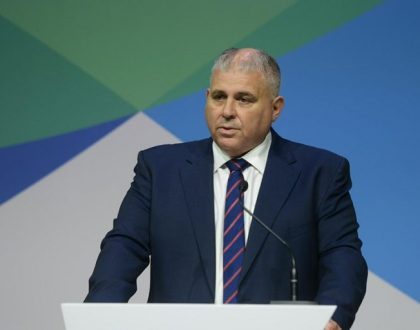
During the inauguration, Prime Minister Robert Abela emphasised the importance of continued public investment in sports infrastructure as part of a broader national strategy to promote physical activity and community engagement. The presence of Mark Cutajar, representing Sport Malta, underscored the institutional role in delivering such projects.
Public investment in sports facilities is often framed within wider policy goals, including youth development, tourism enhancement and international sporting participation. In this context, the Pembroke complex is positioned as a long-term asset that may support both local training and potential regional events.
Stakeholder reactions and sector feedback
Feedback from within the local tennis community has reflected a mixture of relief and concern. While the completion of the facility provides a new venue for players and organisers, some stakeholders have expressed reservations regarding the length of the development process and the escalation in costs.
One source familiar with the project described the extended timeline as indicative of broader inefficiencies that can affect public infrastructure delivery. Such views, while not officially verified, highlight the importance of transparent communication and effective project management in maintaining public confidence.
It is important to note that large-scale infrastructure projects frequently encounter unforeseen challenges. These may include technical complications, regulatory adjustments or external economic pressures, all of which can influence final timelines and budgets.
Comparison with other national projects
The Pembroke tennis complex forms part of a broader portfolio of sports infrastructure initiatives undertaken in recent years. Comparable projects have also experienced delays and budgetary revisions, reflecting a pattern that has been observed in various public works.
For instance, a major aquatic centre in Gozo was completed several years later than initially planned and at a higher cost than originally forecast. Similarly, a proposed racing track in Ħal Far, announced in 2022, has yet to enter its construction phase.
In another case, a direct order valued at approximately €7 million was awarded to Elbros Group for the development of a drag racing facility. This project has also encountered delays, though detailed timelines have not been publicly finalised.
Broader governance considerations
The recurring theme of delays and cost adjustments in public infrastructure projects has prompted wider discussions around governance, procurement practices and oversight mechanisms. Effective project planning, clear contractual frameworks and consistent monitoring are often cited as essential components in mitigating such challenges.
Transparency in reporting remains a key factor in fostering accountability. Providing detailed explanations for cost variations and timeline changes can contribute to a more informed public dialogue, while also strengthening institutional trust.
At the same time, it is important to recognise that infrastructure delivery is inherently complex. Governments must balance financial constraints, technical requirements and evolving public needs, often within dynamic economic conditions.
The role of sports infrastructure in national development
Despite the challenges associated with delivery, investment in sports infrastructure continues to play a significant role in national development strategies. Facilities such as the Pembroke tennis complex can contribute to increased participation in physical activity, support talent development and enhance the country’s capacity to host regional competitions.
The inclusion of modern amenities and multi-purpose spaces within the complex reflects an effort to align with contemporary standards in sports facility design. Over time, the success of such projects is likely to be measured not only by their construction metrics but also by their utilisation and community impact.
Future outlook for infrastructure delivery in Malta
Looking ahead, the experience of the Pembroke project may inform future approaches to infrastructure planning and execution. Lessons related to timeline management, cost estimation and stakeholder engagement could prove valuable in improving outcomes for subsequent developments.
Public authorities may also consider strengthening coordination between government bodies, contractors and sector representatives to ensure more efficient project delivery. Enhanced transparency and proactive communication could further support public understanding and confidence.
Conclusion
The inauguration of the Pembroke tennis complex marks the completion of a project that has been several years in the making. While the facility represents a tangible addition to Malta’s sports infrastructure, its development journey has also highlighted the complexities associated with public project delivery.
The discussion surrounding delays and increased costs reflects broader considerations that extend beyond a single project. Issues of governance, transparency and efficiency remain central to the successful execution of infrastructure initiatives.
As Malta continues to invest in sports and community facilities, the focus is likely to remain on balancing ambition with effective management. The long-term value of such projects will ultimately depend on their ability to serve the public, support athletes and contribute positively to national development.
FAQs
What is the Pembroke tennis complex?
The Pembroke tennis complex is a public sports facility in Malta featuring multiple tennis courts and supporting infrastructure for athletes and visitors.
When was the project first announced?
The project was first announced in 2019 as part of a broader plan to enhance sports facilities in Malta.
Why was the project delayed?
While no single official reason has been detailed, delays in infrastructure projects can arise from planning, construction or logistical challenges.
How much did the project cost?
The final reported cost reached approximately €2.8 million, compared to an initial estimate of €1.3 million.
Was the complex used for the 2023 GSSE?
No, the facility was not completed in time for the 2023 Games of the Small States of Europe.
Who oversaw the project?
The project involved government entities and Sport Malta, which plays a central role in sports infrastructure development.
What facilities are included in the complex?
The complex includes six tennis courts, parking areas, offices, lounges and storage facilities.
Are there similar projects with delays?
Yes, other infrastructure projects in Malta have experienced delays and cost revisions, which has contributed to broader public discussion.
What is the purpose of the complex?
The complex aims to support local tennis development, training and potential regional sporting events.
Will this impact future projects?
Experiences from this project may inform future planning and management approaches to improve efficiency and transparency.

Paula Nancy
Hello and Welcome to my profile. I'm a UK based entrenched full-time Blogger, Journalist, columnist and a certified writer with many years of sound writing experience. If you need a high-quality and original content, I'm here to provide you with the best writing services.
Related Posts

Spring travel trends favor Malta
April 10, 2026



Malta’s heritage in spring
April 8, 2026

Malta spring tourism campaigns
April 7, 2026