Malta’s Agricultural Growth rose 2.4% in 2023
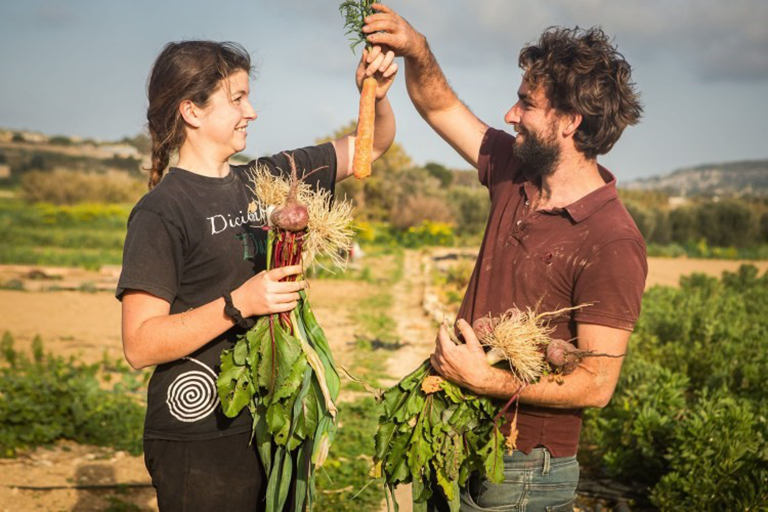
The agricultural sector is a vital component of Malta's economy, contributing to both food security and employment. According to recent figures released by the National Statistics Office (NSO), Malta's total agricultural output demonstrated notable growth in 2023, achieving a 2.4% increase compared to the previous year. This growth translates to a total agricultural output value of €138.7 million. The sector's gross value added also experienced an upward trend, rising by 1.0% to reach €51.6 million.
Driving Factors Behind Agricultural Output
The increase in agricultural output in Malta can be attributed to several key factors, most notably the significant rise in crop production. Crop production experienced an impressive surge of 11.9%, reflecting favorable conditions for cultivation and a potential increase in the range and quality of crops produced. The performance of this segment plays a critical role in the overall health of the agricultural sector, as crops form the foundation of agricultural activities.
Additionally, products derived from secondary activities by agricultural holdings also saw an increase, growing by 3.2%. These secondary activities may include value-added products such as processed foods, artisanal goods, or eco-tourism initiatives that enhance the economic viability of farming operations. However, it is essential to note that while these segments flourished, there were declines in other areas of agriculture. Specifically, outputs from livestock and animal products saw reductions of 6.4% and 0.4%, respectively, indicating challenges that certain sub-sectors may have faced during the year.





















Financial Dynamics of the Agricultural Sector
On the expenditure side, intermediate consumption, which encompasses the costs incurred by agricultural holdings for inputs, saw a rise of 3.2%, totaling €87.2 million. This increase indicates that agricultural operations are investing more in their production processes, which can be both a positive and negative sign depending on the context. The largest contributor to this increase was livestock feeding costs, which surged by 4.0%. This rise may reflect increased feed prices or a strategic decision by farmers to enhance their livestock’s productivity through better nutrition.
Moreover, crop cultivation expenses also rose, albeit at a slightly lower rate of 2.6%. These figures underscore the importance of maintaining sustainable cost structures within the agricultural sector. Meanwhile, other miscellaneous expenses increased by 3.5%, suggesting a general trend of rising operational costs across the board. Interestingly, these upward pressures on costs were somewhat mitigated by a 1.2% reduction in energy and fuel expenses, which could provide farmers with some relief in their operational budgets.
Financial Support and Sector Growth
One of the most significant developments for the agricultural sector in 2023 was the substantial increase in financial support from both EU and government sources. This financial backing rose dramatically by 32.8%, culminating in a total of €21.0 million. Such support is crucial for bolstering the resilience of the agricultural sector, particularly in times of market volatility or adverse environmental conditions. The influx of funds has likely contributed to a positive shift in the sector's net operating surplus, which increased by 8.0% to €58.2 million.
This increase reflects a healthier financial position for agricultural holdings and suggests that many farms were able to navigate the economic landscape more effectively. After considering a negative net property income of €1.0 million, net entrepreneurial income also saw a positive trend, rising by 8.2% to reach €57.2 million. This figure indicates that farmers are not only surviving but potentially thriving in an increasingly competitive market.
Employment and Investment in Agriculture
In 2023, the wage expenses within the agricultural sector saw a notable rise, with agricultural holdings reporting a 20.6% increase in total wages, bringing the figure to €7.3 million. This surge in wages may reflect the sector's commitment to attracting and retaining skilled labor, which is vital for maintaining productivity and ensuring the quality of agricultural outputs. Moreover, it demonstrates an investment in human capital, which is essential for the sector's long-term sustainability and growth.
Additionally, consumption of fixed capital inputs advanced by 2.0% to €7.1 million. This growth in capital investment suggests that farmers are investing in equipment, infrastructure, and technology to enhance their operations. Such investments are critical for improving efficiency and adapting to modern agricultural practices.
Challenges Facing the Sector
Despite the positive growth figures, it is important to acknowledge the challenges that the agricultural sector faces. The declines in livestock and animal product outputs raise questions about the sustainability of these sub-sectors. Factors such as changing consumer preferences, environmental impacts, and market access could all play roles in shaping the future of livestock farming in Malta.
Furthermore, rising costs associated with agricultural inputs could put pressure on profit margins, particularly for smaller holdings that may struggle to absorb increased expenses. It is crucial for stakeholders within the agricultural sector to collaborate on strategies to address these challenges, ensuring that growth is inclusive and sustainable.
The Future of Agriculture in Malta
Looking ahead, the agricultural sector in Malta stands at a crossroads. The growth in crop production and financial support signals a potential for further expansion and innovation. However, it is imperative for policymakers, industry leaders, and farmers to focus on sustainable practices that balance economic growth with environmental stewardship.
Investments in technology, research and development, and training programs can help address the challenges of rising costs and declining outputs in certain areas. By fostering a culture of innovation and sustainability, Malta's agricultural sector can build resilience against future challenges while continuing to contribute to the nation's economy and food security.
In conclusion, Malta's agricultural sector showcased a commendable performance in 2023, marked by an increase in total agricultural output and significant financial support. As the sector navigates its challenges, a collaborative approach will be vital in ensuring its long-term sustainability and success.
FAQs
What is the total agricultural output of Malta in 2023?
Malta's total agricultural output reached €138.7 million in 2023.
How much did crop production increase in 2023?
Crop production increased by 11.9% in 2023.
What contributed to the increase in agricultural output?
Higher output values in crop production and secondary activities drove the increase.
Did livestock and animal product outputs grow in 2023?
No, livestock outputs declined by 6.4%, and animal product outputs decreased by 0.4%.
What was the total intermediate consumption in the agricultural sector?
Intermediate consumption rose to €87.2 million in 2023.
How much financial support did the agricultural sector receive?
Financial support from EU and government sources increased to €21.0 million, a rise of 32.8%.
What was the change in the net operating surplus for 2023?
The net operating surplus increased by 8.0%, totaling €58.2 million.
How much did total wages paid by agricultural holdings increase?
Total wages increased by 20.6%, reaching €7.3 million.
What are the challenges facing the agricultural sector in Malta?
Challenges include declining livestock outputs and rising operational costs.
What should be the focus for the future of agriculture in Malta?
The focus should be on sustainable practices, innovation, and collaboration among stakeholders.

Esther
I am a professional writer with 8 years of experience in this field and I can provide you with the best-written content you can find. Education B.A. - English, George Washington University, United States, Graduated 2011.