Malta’s €15 million traffic plan faces growing doubts

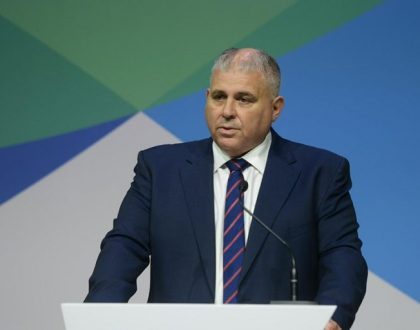
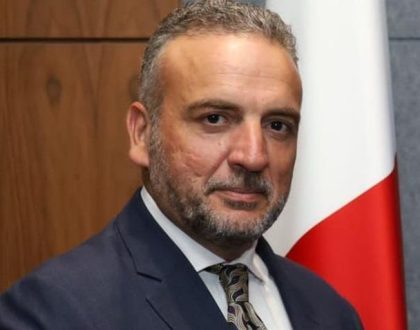
Newly presented statistics in Malta’s parliament have raised serious concerns about the viability of a €15 million scheme aimed at tackling the island’s persistent traffic congestion. Transport Minister Chris Bonett unveiled the initiative, but the latest data suggests that its impact could be minimal, potentially becoming obsolete within two months of implementation. These revelations have prompted widespread debate regarding the effectiveness of such a proposal.
The ‘Cash-for-Licence' Scheme: Details and Implications
At the heart of the proposal is a ‘cash-for-licence' scheme designed to incentivize vehicle owners to give up their driving licenses and vehicle number plates in exchange for a payment of €25,000 spread over five years. This sum would be disbursed in annual installments of €5,000, intended to offset the inconvenience of relinquishing a vehicle.
However, the scheme has drawn significant scrutiny from various quarters, particularly regarding its potential long-term effectiveness in addressing Malta’s growing traffic woes. Transport Minister Bonett, in response to inquiries by Nationalist Party (PN) MP Mark Anthony Sammut, confirmed that between 2018 and 2024, over 164,000 new vehicles were registered by Transport Malta—many of which were second-hand. This translates to an average of 64 new vehicles added to Malta’s already congested roads each day.





















Financial Feasibility: Limited Impact and Long-Term Costs
The crux of the problem lies in the numbers. With a total budget of €15 million allocated for the scheme, the maximum number of vehicles that could be removed from the roads is estimated at just 3,000. This is based on the assumption that the entire budget will be spent within a year, which, at the current rate, would remove only a small fraction of the vehicles contributing to the traffic problem. Over a five-year period, sustaining this initiative could cost the government a staggering €75 million—a considerable amount for a project with questionable outcomes.
Furthermore, the scheme’s ability to significantly reduce traffic congestion remains highly questionable. Experts have noted that even if the full €15 million is spent, the number of vehicles removed from Malta’s roads would be insufficient to address the island’s traffic crisis. This raises concerns about whether the scheme will actually contribute meaningfully to solving the problem or if it will merely serve as a short-term, largely symbolic gesture.
Internal Opposition to the Scheme
Reports suggest that the scheme has come under internal scrutiny within the government. Both Transport Malta and the Ministry of Finance have raised concerns, with some officials urging Minister Bonett to reconsider or abandon the plan entirely. Finance Minister Clyde Caruana has reportedly expressed his opposition to the initiative, describing it as a poor use of public funds. He has pointed out that the scheme does not adequately address the core issues contributing to traffic congestion and that the money could be better spent elsewhere.
Despite the internal opposition, Prime Minister Robert Abela continues to support Minister Bonett’s initiative. Sources close to the Prime Minister have indicated that his support stems from a desire to be seen as addressing the pressing issue of traffic congestion, even if the measures proposed do not provide a long-term solution. It appears that the government is under pressure to demonstrate action on this issue, regardless of the limited scope of the scheme’s impact.
Government Pressure and Calls for Revisions
Government insiders have confirmed that the scheme has faced mounting pressure from multiple sources to be revised or scrapped. Both Transport Malta and the Ministry of Finance have reportedly urged Minister Bonett to reconsider the initiative’s structure and propose a more effective solution. The Finance Ministry has made it clear that securing additional funding for the scheme will depend on the presentation of a revised plan that demonstrates a more substantial impact on traffic reduction.
These developments have raised questions about the degree of consensus within the government regarding the effectiveness of the scheme. While some officials believe that it could provide a temporary solution, others argue that it is a mere symbolic gesture that will do little to address the real underlying issues facing Malta’s road infrastructure.
National Statistics and the Growth of Traffic Congestion
The latest figures from the National Statistics Office (NSO) paint a worrying picture of Malta’s growing traffic problem. By the end of 2024, there were 445,711 registered vehicles in Malta—a figure that continues to rise as new vehicles are added to the road network. While some improvements have been made to the island’s infrastructure, such as the construction of new arterial roads, these efforts have been largely offset by the continual influx of new vehicles.
As Malta’s population continues to grow, so too does the demand for vehicles, exacerbating the already severe traffic congestion that plagues the island. The current road network, despite some improvements, remains ill-equipped to handle the growing volume of vehicles, leading to persistent gridlock and delays.
Potential Alternatives: Addressing the Root Causes of Congestion
While the ‘cash-for-licence' scheme may be well-intentioned, experts suggest that more comprehensive solutions are needed to address Malta’s traffic issues. Among the most frequently mentioned alternatives is the development of a more robust public transportation system, which could help reduce the dependence on private vehicles. Investing in sustainable and efficient public transport options, such as buses, trams, and trains, would offer a long-term solution to traffic congestion by providing residents with viable alternatives to driving.
Additionally, policymakers could consider measures to encourage the use of electric vehicles, which produce fewer emissions and would help alleviate air pollution in urban areas. Providing incentives for the purchase of electric cars and investing in charging infrastructure could help shift the focus away from traditional vehicles that contribute to both traffic and environmental issues.
The Future of Malta’s Traffic Problem
As Malta grapples with the challenges of traffic congestion, it is clear that more decisive and effective measures will be needed to tackle the problem. While the ‘cash-for-licence' scheme may provide some short-term relief, it is unlikely to be sufficient to address the broader issues facing the country’s transportation system.
The pressure on Transport Minister Bonett to revise or abandon the plan underscores the need for a more comprehensive and sustainable solution. Whether Malta’s government will be able to develop a more effective approach to tackling traffic congestion remains to be seen, but it is clear that urgent action is needed to address this pressing issue.
Conclusion
Malta’s traffic congestion crisis requires more than just temporary fixes. The €15 million scheme presented by Minister Chris Bonett, though well-intentioned, appears unlikely to provide a lasting solution. The government’s internal debate over the plan’s effectiveness highlights the need for more comprehensive measures that address the root causes of traffic congestion, rather than relying on symbolic gestures that may have minimal impact.
As Malta’s population and vehicle numbers continue to grow, the pressure to find sustainable and effective solutions to the country’s traffic woes will only intensify. It remains to be seen whether the government will heed the calls for a more robust and long-term approach, or whether the ‘cash-for-licence’ scheme will remain a short-lived, ineffective initiative.
FAQs
What is the ‘cash-for-licence’ scheme proposed by Malta's Transport Minister?
The ‘cash-for-licence' scheme offers vehicle owners €25,000 over five years to give up their driving licences and vehicle number plates.
How much does the government plan to spend on this scheme?
The government has allocated €15 million for the scheme, which aims to reduce traffic congestion by removing vehicles from Malta’s roads.
How many vehicles are expected to be removed from the roads under this scheme?
The scheme could potentially remove a maximum of 3,000 vehicles, based on the total budget and current rates of expenditure.
Why is the scheme facing internal government opposition?
The Finance Ministry and Transport Malta have raised concerns, questioning the scheme's effectiveness in reducing traffic congestion.
What are the broader concerns about the scheme’s impact?
The scheme is seen by critics as a symbolic gesture that will have minimal effect on Malta’s chronic traffic issues, with limited long-term benefits.
What alternative solutions are being discussed to address Malta’s traffic problems?
Alternatives include investing in public transportation infrastructure and promoting the use of electric vehicles.
How does the growth of registered vehicles impact Malta’s traffic congestion?
The increase in registered vehicles—an average of 64 new vehicles added to the roads daily—has exacerbated congestion despite some infrastructure improvements.
What role does the Finance Ministry play in the scheme’s future?
The Finance Ministry has reportedly opposed the scheme, urging the Transport Minister to revise or abandon it, especially due to concerns about wasteful spending.
How does the Prime Minister view the traffic scheme?
Prime Minister Robert Abela continues to support the scheme, emphasizing the need to be seen as addressing traffic problems, even if the proposed measures are not particularly effective.
What are the long-term goals for improving Malta’s road infrastructure?
The focus is on finding sustainable, long-term solutions that address the root causes of congestion, such as improving public transportation and encouraging the use of electric vehicles.

Ash
I like to keep it short. I am a writer who also knows how to rhyme his lines. I can write articles, edit them and also carve out some poetic lines from my mind. Education B.A. - English, Delhi University, India, Graduated 2017.