















The Changing Face of Malta’s Coastal Walks
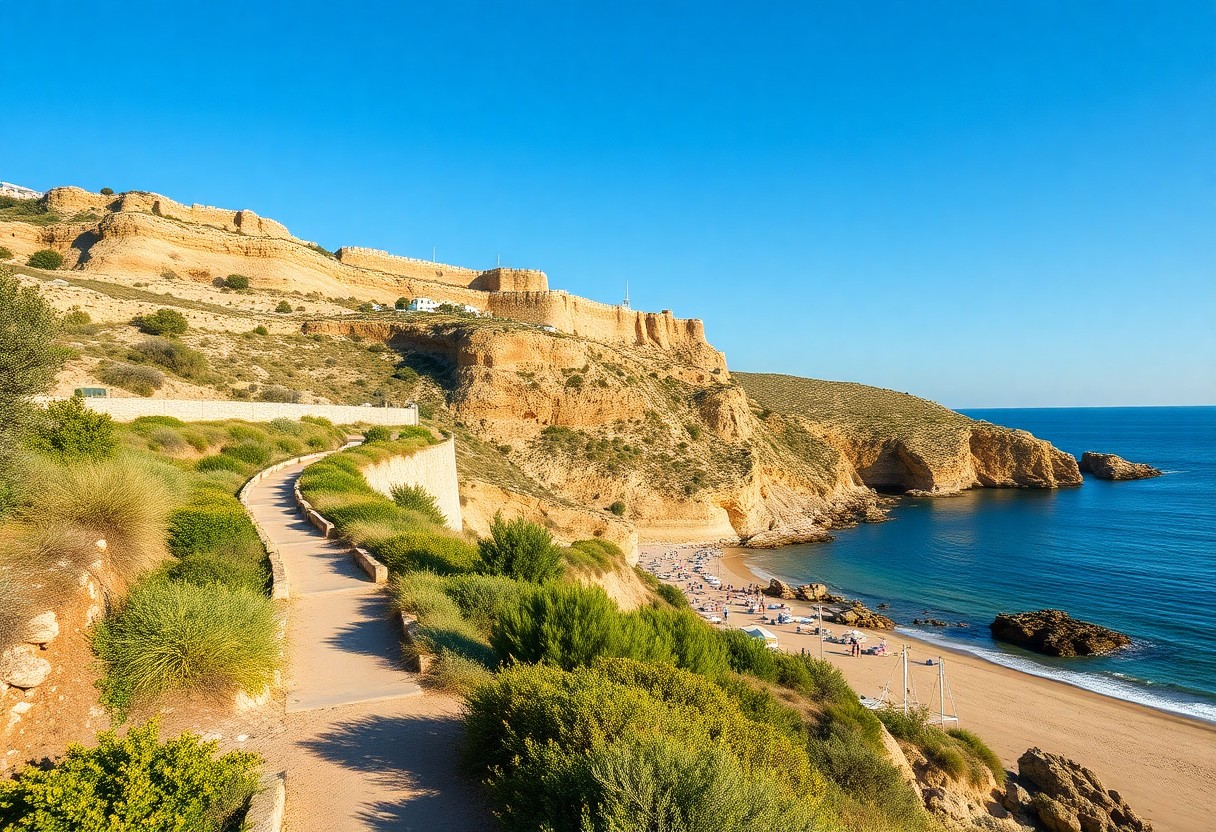
Coastal walks in Malta have evolved significantly over the years, reflecting both environmental changes and the growing interest in sustainable tourism. As more people seek to experience the stunning Mediterranean landscapes, local authorities are enhancing pathways and accessibility while addressing ecological concerns. This post examines into the transformation of these scenic trails, exploring their historical context, current developments, and what the future holds for walkers on Malta's picturesque coastlines.
The Evolution of Malta's Walking Trails
Historical Context of Coastal Walks
Coastal walks in Malta have a long history, rooted in the island's maritime culture. Previously, fishermen and farmers traversed these paths, connecting villages and trade routes. The remnants of ancient trails can still be seen today, reflecting centuries of human interaction with the stunning landscapes. These pathways were often used for more than just transportation; cultural exchanges and community gatherings took place along these routes, enriching the lives of those who walked them.
The Influence of Tourism and Local Culture
The impact of tourism on Malta's coastal walks cannot be overstated. As more travelers seek to immerse themselves in the natural beauty of the island, authorities have begun to invest in upgrading and maintaining these trails. Local festivals, showcasing traditional Maltese culture, now often incorporate guided coastal walks as part of their programming, bridging the gap between tourism and local heritage.





















This synergy has transformed the coastal walks into a vibrant experience reflecting Malta's cultural tapestry. For instance, the annual coastal clean-up initiatives not only preserve the trails but also engage locals and tourists alike in environmental stewardship. Furthermore, pop-up markets featuring artisanal crafts along main walking routes allow visitors to interact with residents, fostering an appreciation for local customs and flavors. The integration of these cultural elements turns a simple walk into a rich narrative, intertwining history, nature, and community spirit.
The Environmental Impact of Coastal Walks
Erosion and Conservation Efforts
Erosion poses a significant threat to Malta's coastal landscapes. Popular walking routes often experience wear and tear from foot traffic, leading to soil degradation and loss of vegetation. In response, local conservation initiatives have been implemented, focusing on reinforcing trail pathways and restoring native plant life. Efforts such as the establishment of designated trails help to mitigate erosion while encouraging sustainable tourism practices. Educational signage along these routes further emphasizes the importance of environmental preservation for future generations.
Biodiversity Challenges Along the Routes
Biodiversity along Malta's coastal walks faces numerous challenges, with habitat fragmentation and invasive species being primary concerns. The islands' unique ecosystems support various endemic flora and fauna, which are increasingly threatened by human activity. As walkers traverse these paths, disturbances to nesting sites and disruption to wildlife patterns can occur. This not only impacts local biodiversity but also diminishes the overall experience for nature enthusiasts.
Factors such as the introduction of non-native species often jeopardize native populations, leading to a decline in biodiversity. The presence of invasive plants, for instance, can outcompete native species for resources, while human footprints can disturb sensitive nesting areas for birds along the coastal cliffs. Proactive management strategies are crucial to preserve these fragile ecosystems, encouraging local communities and tourists alike to adopt practices that minimize their impact. By fostering awareness and appreciation for these habitats, Malta can work towards a balance that allows for enjoyment of its stunning coastal walks while protecting the rich biodiversity that makes the islands so special.
The Role of Local Communities in Trail Maintenance
Community Initiatives for Trail Preservation
Local communities play a vital role in maintaining the beauty and functionality of Malta's coastal trails. Various initiatives, such as organized clean-up events and educational workshops, engage residents in preserving their natural heritage. Examples include monthly beach clean-ups where volunteers not only remove litter but also gather data on marine debris, highlighting the environmental impact and fostering stewardship among participants. These grassroots movements empower residents to take ownership of their local trails, ensuring they remain accessible and enjoyable for everyone.
Collaborations Between NGOs and Local Authorities
The partnership between non-governmental organizations (NGOs) and local authorities has proven invaluable for the upkeep of coastal trails in Malta. This collaboration combines resources, knowledge, and community outreach, creating a robust framework for trail management. For instance, organizations like Nature Trust Malta work closely with local councils to establish maintenance schedules, monitor trail conditions, and promote awareness campaigns about the ecological importance of these spaces.
This synergy often results in joint projects that enhance the user experience along the trails while ensuring sustainable practices are enforced. One noteworthy outcome occurs during annual “Nature Walks,” where guided tours not only explore the breathtaking scenery but also emphasize conservation efforts. Additionally, funding from local authorities can help support initiatives proposed by NGOs, creating a loop of support that benefits both parties and, more importantly, the environment. Through shared responsibility and resources, these collaborations can effectively address issues such as erosion, waste management, and biodiversity conservation, ensuring that Malta's coastal walks remain a treasured asset for generations to come.
The Emergence of Eco-Tourism
How Coastal Walks Support Sustainable Practices
Coastal walks in Malta are increasingly designed with sustainability in mind, reinforcing the balance between tourism and conservation. Local initiatives often incorporate natural signage that demarcates trails, educates walkers about native flora and fauna, and minimizes environmental impact. Artificial structures are kept to a minimum to preserve the pristine state of these areas, encouraging visitors to engage with nature directly and responsibly. This symbiotic relationship enhances biodiversity while fostering both respect for the environment and a sense of stewardship among walkers.
The Appeal of Nature-Based Travel to Modern Tourists
Modern travelers are drawn to nature-based experiences as a counterbalance to urban living and digital noise. The rising interest in eco-tourism is evidenced by a 65% increase in eco-friendly accommodations in Malta over the last five years. Tourists seek authenticity and adventure, embracing immersive experiences that allow them to connect with the landscape, its history, and local culture through activities like hiking coastal trails or exploring secluded beaches.
This shift towards nature-based travel aligns with broader lifestyle trends prioritizing health and wellness. Many visitors find that walking along Malta's stunning coastlines not only offers physical exercise but also mental rejuvenation. Engaging with the natural environment has been proven to reduce stress and enhance creativity. In response, tour operators are developing packages that include guided eco-walks, educational workshops on local ecosystems, and opportunities for conservation volunteering, further appealing to eco-conscious travelers eager to make a positive impact during their stay.
Trends in Trail Design and Accessibility
Innovative Trail Features for Different Abilities
Malta's coastal trails are increasingly incorporating innovative design features to cater to diverse mobility needs. Trails are being developed with smooth, wide paths, rest areas, and sensory experiences tailored for varying abilities. Examples include specially designed benches with sea views, tactile paving for visually impaired walkers, and interactive elements that engage all visitors in the beauty of the coastline. These enhancements not only promote inclusivity but also elevate the experience of reconnecting with nature for everyone.
The Use of Technology in Trail Mapping
The integration of technology in trail mapping is transforming how prospective hikers explore Malta's coastal walks. Interactive maps, available through dedicated mobile apps, offer up-to-date information on trail conditions, safety tips, and points of interest. These tools help walkers plan their journeys more efficiently by providing real-time data and trail ratings depending on ability and interest.
These applications ensure a seamless trail experience, utilizing GPS technology to track positions and suggest routes. Advanced features like augmented reality highlight specific landmarks and historical sites along the coast, enhancing the educational aspect of the walk. Additionally, user-generated reviews and photos create a communal resource for others looking to explore, making trail navigation more accessible and encouraging a sense of community among trail enthusiasts. With the growing reliance on smartphones, Malta's coastal walks are becoming smarter, more engaging, and ultimately, more enjoyable for everyone.
Safety First: Navigating Malta's Coastal Walks
Weather Considerations and Preparedness
Malta's weather can shift rapidly, especially near the coast. Sudden rain showers or strong winds can catch unprepared walkers off guard. Always check weather forecasts before setting out, and consider dressing in layers. Lightweight, waterproof clothing and proper footwear can enhance comfort during unpredictable conditions, while a small backpack with water and snacks ensures you remain energized and hydrated throughout your trek.
Wildlife Encounters and Precautionary Measures
While exploring coastal paths, encountering local wildlife is common, particularly around nesting sites and nature reserves. Snakes, lizards, and various seabirds inhabit the landscape, so vigilance is key. Knowing how to behave around these creatures can ensure a safe and enjoyable experience for both you and the wildlife.
Encounters with wildlife can enhance the allure of coastal walks, but understanding local fauna is crucial. For instance, the Maltese wall lizard is often spotted, while seabirds like the blue rock thrush may nest near cliffs. Staying on marked paths minimizes disturbance to their habitats. If you spot a snake, back away slowly; most are non-venomous, but it's wise to maintain a respectful distance. Keeping dogs on leashes and not feeding wildlife further protects these native species and preserves the natural beauty of Malta's coastlines.
Cultural Landmarks Along the Coastline
Historical Sites That Enhance the Walking Experience
Walking along Malta's coastal paths brings you face-to-face with a tapestry of historical sites that enrich the experience. Each stop unravels stories from the past, including the impressive medieval fortifications of Valletta or the ancient temples like Mnajdra and Ħaġar Qim, both nestled along the southern coast. These landmarks not only create stunning backdrops for your hike but also serve as poignant reminders of Malta's rich cultural heritage, making each stroll not just a physical journey but a passage through time.
Local Myths and Legends Tied to Coastal Areas
The coastal areas of Malta are steeped in local myths and legends, infusing the trails with an extra layer of intrigue. From tales of mermaids luring sailors to their doom by the Azure Window to the haunting stories of lost treasure buried along the shores, these narratives animate the landscape, captivating both locals and visitors alike. Such legends reflect the intertwined relationship between the sea and those who dwell along its shores, enriching each coastal trek.
Intriguingly, the legend of the “Kalkara Mermaid” continues to enchant many. Locals believe that this elusive figure was sighted near the Kalkara coast, drawing fishermen and adventurers alike, both hopeful and apprehensive of encountering her. Stories like this not only offer entertainment but also serve to connect contemporary walkers with Malta's vibrant oral history, emphasizing a cultural narrative that continues to thrive along the picturesque coastal walks.
Comparative Analysis: Malta vs. Other Mediterranean Destinations
| Criteria | Malta |
|---|---|
| Coastal Length | 1,478 km |
| Scenic Variety | Cliffs, sandy beaches, and rocky coves |
| Historical Sites | Numerous, including ancient temples and fortifications |
| Accessibility | Well-marked paths, public transport links |
| Wildlife & Flora | Unique species, e.g., Maltese rock-centaury |
| Tourism Impact | Growing, year-round tourism |
Unique Qualities of Malta's Coastal Walks
Malta's coastal walks are distinct due to their combination of breathtaking natural beauty and rich historical context. Trails often weave through UNESCO World Heritage sites, such as the Megalithic Temples, and offer stunning views of the Mediterranean Sea, making the walking experience not just physically rewarding but culturally enriching as well. Additionally, the country's relatively small size allows hikers to explore diverse landscapes within a short timeline, creating a unique walking experience that is both convenient and awe-inspiring.
Lessons from Other Countries' Coastal Management
Several Mediterranean countries have implemented successful coastal management strategies that can inform Malta's approach. For instance, Italy's Cinque Terre National Park has enhanced its trail infrastructure while minimizing environmental impact through strict zoning laws and conservation programs. Similarly, Spain's Costa Brava employs sustainable tourism practices that not only preserve ecological integrity but also promote local culture and economies. These examples offer valuable insights for Malta as it seeks to balance tourism growth with sustainability.
Spain's Costa Brava showcases a noteworthy model of integrated coastal management, blending conservation with tourism. The region's focus on sustainable practices, such as beach preservation and wildlife protection, has ensured that its natural beauty remains intact while also supporting local economies. These practices in Italy and Spain highlight the necessity of developing clear regulations that protect natural resources while maximizing visitor experiences, offering Malta strategies to mitigate the adverse effects of increased tourism on its coastal paths.
The Future of Coastal Walks in Malta
Predictions for Trail Development Through 2030
By 2030, Malta's coastal trails are expected to see significant enhancements, with plans for the creation of over 100 kilometers of new paths connecting various scenic areas. With the government's focus on sustainable tourism, funding initiatives will likely prioritize projects that promote eco-friendly travel and community engagement, leading to a transformation in how locals and visitors experience the coastline.
Potential Challenges and Opportunities Ahead
Facing Malta's evolving coastal trails are both challenges and unique prospects. As infrastructure expands, balancing environmental protection with tourism growth will be imperative. Opportunities lie in the increasing demand for eco-tourism, allowing local businesses to thrive while fostering a greater appreciation for Malta's natural heritage.
Growth in trail networks presents diverse challenges, such as managing the impact of increased foot traffic on fragile ecosystems. Proper surveillance and maintenance will be vital to upkeep trail integrity and surrounding habitats. Moreover, community involvement is key to ensuring that developments reflect local culture and biodiversity, providing educational opportunities for visitors. Engaging stakeholders from local organizations can also enhance conservation efforts while creating sustainable economic pathways for nearby communities. Balancing these elements will ultimately shape the coastal walking experience in Malta for future generations.
Practical Tips for Coastal Walkers
- Stay hydrated; carry enough water for your trek.
- Wear appropriate footwear; supportive hiking boots are ideal.
- Dress in layers to adjust to changing weather conditions.
- Bring a map or GPS device; many trails can be remote.
- Keep an eye on the tides; some paths can be impassable during high tide.
- Plan your route ahead of time to ensure a safe and enjoyable experience.
Recognizing the diverse terrain and fluctuating weather, preparation enhances your coastal walking experience.
Essential Gear for a Comfortable Experience
Comfortable walking shoes are a must, providing necessary support on rocky trails. Sunscreen and a hat protect against the Mediterranean sun, while a small backpack can carry importants. A lightweight jacket is beneficial for unexpected weather changes, and walking poles can offer stability on uneven surfaces. Always include a first-aid kit for unforeseen incidents.
Suggested Itineraries for Various Skill Levels
Individuals can explore diverse walking routes tailored to their fitness levels. Beginners might enjoy the gentle trails along the Sliema promenade, nestled against scenic views and local cafes. Intermediate walkers could tackle the rugged paths of the Dingli Cliffs, which rewards with stunning vistas. Advanced hikers might venture onto the trails around Gozo, encompassing more challenging terrain and breathtaking coastal views.
Offering a mixture of terrains and experiences, suggested itineraries provide options for every skill level. Each path not only highlights Malta's natural beauty but also fits the walkers' capabilities, ensuring that everyone can find the right balance between challenge and enjoyment. With landmarks, historical sites, and beach access, the variety stimulates a deeper appreciation of Malta's rich coastal heritage.
Bridging the Gap: Connecting Different Parts of Malta
Creating a Cohesive Walking Experience
Uniting the various coastal trails into a cohesive network transforms the walking experience in Malta. Strategically placed trail markers, interconnected pathways, and wayfinding signs are key components in guiding walkers smoothly from one section of the coast to another. By integrating local villages and historical sites along the routes, walkers can enjoy both scenic vistas and cultural enrichment, enhancing their overall experience.
Infrastructure Improvements to Enhance Connectivity
Recent infrastructure developments aim to improve connectivity between distinct coastal paths, making it easier for walkers to navigate while enjoying the stunning Maltese scenery. Upgrades include new paths and bridges, ensuring safer and more accessible routes for pedestrians. Expanding facilities such as rest areas, observation decks, and interpretation panels gives tourists a chance to rest and learn about local heritage, enriching their coastal walk.
Investments of over €3 million have been allocated to enhance walking networks within Malta, focusing on expanding existing paths and improving public transport accessibility to trailheads. These developments facilitate a seamless transition between urban and natural landscapes, inviting not just seasoned hikers but also families and casual walkers. The addition of bicycle lanes and shared pedestrian zones further promotes eco-friendly transportation, making Malta's coastal walks more inviting for all users. With these improvements, the dream of a fully connected coastal walking experience is becoming a tangible reality.
The Economic Impact of Coastal Walking Trails
Local Business Growth Linked to Trail Access
As more walking trails are developed along Malta's stunning coastline, local businesses have emerged as significant beneficiaries. Cafés, restaurants, and shops situated near popular trailheads have reported increased foot traffic, drawing in both walkers and hikers eager to refresh after their adventures. Areas such as Għajn Tuffieħa have seen a surge in patronage, with establishments reporting revenue growth of over 30% during peak walking seasons, emphasizing the symbiotic relationship between outdoor recreation and local commerce.
Funding Sources for Trail Development Projects
Financing the development of coastal walking trails often involves a combination of local and European Union funding opportunities. Regional governments leverage EU grants aimed at improving sustainable tourism, offering financial support to communities that prioritize environmental and heritage conservation through well-planned trail systems.
One key funding program is the European Regional Development Fund (ERDF), which has allocated substantial resources for projects that promote eco-friendly tourism. For instance, recent initiatives on Malta's northern coast received €1 million through ERDF, impacting local employment and encouraging the conservation of natural landscapes. Additionally, local municipalities often collaborate with NGOs to secure donations or sponsorships that further fuel these development projects, demonstrating a concerted effort to enhance Malta's outdoor infrastructure while boosting the economy.
Personal Stories: Voices from the Trail
Testimonials from Regular Walkers
Regular walkers share a deep appreciation for Malta's coastal trails, often describing them as more than just paths for exercise. “Every time I walk the coast, I discover something new—whether it's a hidden cove or unique wildlife,” says Maria, a local walker who frequents the Victoria Lines trail. Others have expressed how the trails foster a sense of community, with friendly greetings exchanged along the way and informal meet-ups becoming treasured rituals for many.
Perspectives from Local Guides
Local guides offer invaluable insights into Malta's coastal walks, blending knowledge of history, culture, and natural beauty. They emphasize that each path is a journey through time, with ancient fortifications and remnants of bygone eras visible along the way. “Guiding people along these trails allows me to share the stories behind the landscapes,” shares John, a seasoned guide. He highlights how local flora and fauna often capture the interest of tourists, with many guides incorporating educational elements into their tours to deepen the connection between walkers and the environment.
Summing up
Drawing together the elements of Malta's coastal walks reveals a dynamic transformation influenced by environmental changes, tourism demands, and urban development. As these pathways evolve, they reflect both the island's natural beauty and the need for sustainable practices. The ongoing efforts to balance access with conservation will shape the future of these iconic routes, ensuring that they remain accessible and enjoyable for both residents and visitors alike. Understanding this evolving landscape allows for a deeper appreciation of Malta's unique coastal heritage.
FAQs
What are Malta's coastal walks known for?
Malta’s coastal walks are known for their scenic views, historical landmarks, and integration with local culture and biodiversity.
How have Malta’s coastal trails changed over time?
They evolved from utilitarian paths used by locals into well-maintained eco-tourism routes enhanced for accessibility and conservation.
Are Malta’s coastal walks suitable for beginners?
Yes, many trails cater to all skill levels, with signage, rest areas, and clear paths to accommodate varying physical abilities.
What environmental challenges affect Malta’s trails?
Erosion, habitat loss, and invasive species are key issues, prompting conservation efforts like designated paths and habitat restoration.
What role do communities play in maintaining trails?
Local communities organize clean-ups, workshops, and collaborate with NGOs to preserve trails and promote responsible tourism.
How does Malta promote sustainable tourism through walking trails?
By offering eco-walks, using educational signage, and designing trails that minimize environmental impact while promoting local culture.
Are Malta’s trails accessible via public transport?
Yes, most popular trails are reachable through Malta’s public transport network, making them convenient for tourists and locals alike.
Can I encounter wildlife on Malta's coastal walks?
Yes, species like lizards, seabirds, and native plants are common. Staying on trails helps protect their habitats.
What historical sites can I see along coastal walks?
Walkers may encounter ancient temples, medieval fortifications, and other heritage sites, enhancing the cultural experience.
How does Malta compare to other Mediterranean hiking spots?
Malta offers a dense mix of history, biodiversity, and accessibility, often within shorter distances than other Mediterranean regions.

Anna Amstill
I am an avid Blogger and Writer with more than 6 years of experience with Content Writing. An Online Marketing expert specializing in Blog writing, Article writing, Website content, SEO specific Keyword content and much more. Education B.A. - business management, York University, Canada, Graduated 2016.
Related Posts
Malta luxury travel demand rises
April 11, 2026


Spring travel trends favor Malta
April 10, 2026

Malta welcomes older travellers
April 9, 2026
Malta’s heritage in spring
April 8, 2026
Malta spring tourism campaigns
April 7, 2026
Spring travel lifts Malta operators
April 6, 2026
Spring culture fuels Malta tourism
April 4, 2026

Airbnb demand rises in Malta spring
April 3, 2026