Why Malta is Key for Global Financial Services
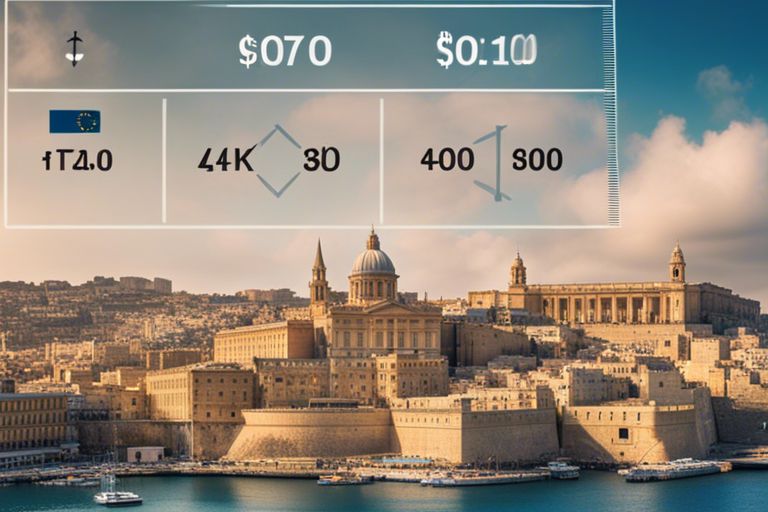
Over the years, Malta has emerged as a key player in the global financial sector, offering a strategic gateway for businesses looking to expand internationally. With its robust regulatory framework, attractive tax incentives, and skilled workforce, Malta has positioned itself as a hub for financial services, fintech, and blockchain industries. In this blog post, we will explore why Malta's financial sector is a preferred choice for businesses seeking to establish a presence in the global market.
Overview of Malta's Financial Landscape
Key Components of Malta's Financial Sector
While Malta's financial sector is diverse and robust, its key components include banking, insurance, investment services, and fintech companies. These sectors play a crucial role in facilitating international trade, investment, and economic growth.
Historical Development and Current Status
One of the key factors in Malta's financial sector's development was joining the European Union in 2004, which opened up opportunities for financial services companies. Today, Malta is known for its sound regulatory framework, attractive tax incentives, and skilled workforce that make it an ideal location for global financial services providers.





















It has steadily evolved into a reputable financial hub, attracting international businesses seeking a secure and stable jurisdiction to establish their operations. The sector's growth has been supported by continuous efforts to enhance regulatory standards and promote innovation in financial services.
Malta as a Gateway for Global Business
Now, let's explore why Malta is positioned as a strategic gateway for global business.
Strategic Location and Connectivity
Any business looking to expand into international markets will appreciate Malta's central location in the Mediterranean, a mere few hours flight from major European cities. With excellent connectivity through a state-of-the-art airport and a busy seaport, Malta serves as a convenient hub for companies with global ambitions.
Regulatory Environment and International Compliance
Location wise, Malta is a member of the European Union and operates under a robust regulatory framework that adheres to international standards. The country boasts a reputable financial services sector that upholds strict compliance measures, ensuring transparency and security for businesses operating on a global scale.
Regulatory compliance is further reinforced by Malta's alignment with EU directives and frameworks for anti-money laundering (AML) and countering the financing of terrorism (CFT). This commitment to international compliance not only enhances Malta's reputation as a trustworthy business destination but also provides businesses with assurance when navigating the global financial landscape.
Investment Opportunities in Malta
Banking and Financial Services
With its stable political environment and pro-business regulations, Malta provides a conducive setting for investments in banking and financial services. The country's robust regulatory framework and access to the European market attract international investors looking to establish a presence in the region.
Emerging Markets and Sectors
Emerging markets and sectors in Malta, such as fintech, blockchain, and digital assets, offer lucrative investment opportunities for forward-thinking investors. The government's support for innovation and technology-driven industries has positioned Malta as a hub for companies seeking to capitalize on emerging trends and disruptive technologies.
Another burgeoning sector in Malta is the real estate market, particularly in commercial and residential properties. With a booming tourism industry and a growing economy, the demand for quality real estate projects is on the rise, making it an attractive investment opportunity for both local and foreign investors.
Challenges and Future Outlook
Potential Risks and Considerations
Future challenges in Malta's financial sector may include compliance with international regulations, cybersecurity threats, and managing reputational risks. It is vital for businesses to stay updated on regulatory changes and implement robust security measures to ensure the sustainability of their operations.
Projections and Strategic Developments
Considerations for the future of Malta's financial sector encompass enhancing fintech capabilities, fostering innovation in financial services, and promoting sustainable investments. Strategic partnerships, investments in technology, and continuous upskilling of the workforce will be key to driving growth and competitiveness in Malta's financial landscape.
Potential collaborations with global fintech players and investment in research and development can position Malta as a hub for cutting-edge financial services, attracting international businesses and fostering economic growth in the region.
Final Words
Now, it is evident that Malta's financial sector serves as a gateway for global business, offering numerous opportunities for investors seeking a stable and secure jurisdiction. With a robust regulatory framework, strategic location, and skilled workforce, Malta continues to attract businesses from around the world looking to benefit from its pro-business environment. As Malta progresses further in enhancing its financial services industry, it remains a compelling choice for those looking to establish an international presence.
FAQs
What makes Malta a preferred choice for businesses in the financial sector?
Malta's robust regulatory framework, attractive tax incentives, strategic location, and skilled workforce make it an ideal hub for global financial services.
How has Malta's financial sector evolved over the years?
Since joining the EU in 2004, Malta's financial sector has developed into a reputable hub with sound regulations, fostering innovation and international compliance.
What are the key components of Malta's financial sector?
The key components include banking, insurance, investment services, fintech companies, and blockchain industries, all contributing to the sector's growth.
How does Malta’s location benefit businesses looking to expand?
Malta's central location in the Mediterranean offers excellent connectivity to major European cities, making it a convenient gateway for international business.
How does Malta ensure international compliance in its financial sector?
Malta adheres to international regulations and EU directives on anti-money laundering (AML) and countering terrorism financing (CFT), ensuring secure and transparent operations.
What are the emerging sectors in Malta's financial services?
Fintech, blockchain, digital assets, and real estate are burgeoning sectors offering investment opportunities, with government support driving innovation and technology.
What investment opportunities exist in Malta's financial sector?
Investors can benefit from opportunities in banking services, fintech, blockchain, and the growing real estate market in both commercial and residential properties.
What challenges could Malta’s financial sector face in the future?
Potential challenges include compliance with evolving international regulations, cybersecurity risks, and managing reputational issues.
What is Malta’s future outlook in the financial sector?
The focus will be on expanding fintech capabilities, fostering innovation, promoting sustainable investments, and establishing strategic partnerships with global players.
Why should businesses consider establishing operations in Malta?
Malta offers a stable political environment, a pro-business regulatory framework, and access to European markets, making it a secure and attractive destination for global businesses.

Lela
I have over 10 years' experience proofreading and editing where spelling and grammar were paramount. This includes newspaper publication and designing advertisements. I personally write all my articles.This allows me to do in-depth research and provide premium content.
Related Posts


Spring travel trends favor Malta
April 10, 2026

Malta’s heritage in spring
April 8, 2026
Malta spring tourism campaigns
April 7, 2026

Spring culture fuels Malta tourism
April 4, 2026