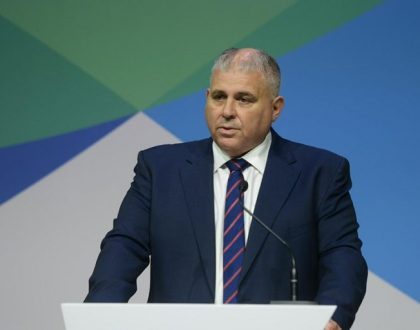
Malta’s Nominee for EU Commissioner Faces Scrutiny

The nomination process for the European Commission has once again brought Malta into the spotlight, with the recent selection of Glenn Micallef as Malta’s proposed commissioner generating considerable controversy. Prime Minister Robert Abela's decision to nominate Micallef, who is relatively inexperienced compared to other candidates, has ignited speculation and criticism, particularly from supporters of the incumbent, Helena Dalli. This article delves into the complexities surrounding Malta's EU commissioner nomination and the implications of Micallef's appointment.
Helena Dalli's Last-Ditch Effort
Helena Dalli, Malta's current EU Commissioner, has made a fervent attempt to secure another term. Despite the challenges and criticism surrounding her performance in Brussels, Dalli has actively sought a second mandate. Sources within the Maltese government suggest that Dalli’s campaign to extend her tenure intensified after Deputy Prime Minister Chris Fearne faced criminal charges, which led to a sudden change in Malta’s nominee for the European Commission.
According to senior government officials, Dalli's maneuvering involved significant efforts to influence Abela’s decision through media and political channels. The shift in nomination from Dalli to Micallef was seen by some as a strategic move, with Dalli’s allies reportedly leveraging their connections to exert pressure on Malta’s decision-makers. However, Abela's firm stance against Dalli reflects a broader discontent with her tenure and performance in the EU.





















The Controversy Surrounding Glenn Micallef
Prime Minister Abela’s choice of Glenn Micallef, a 34-year-old Head of Secretariat with limited political experience, has sparked debate and concern among political observers. Micallef’s nomination is viewed as a gamble, particularly given his lack of substantial experience in high-level political roles. His appointment stands in stark contrast to the seasoned politicians nominated by other EU member states, raising questions about Malta's representation in the European Commission.
The nomination has been met with skepticism, both within Malta and across the EU. Critics argue that Micallef's lack of experience could undermine Malta's influence in Brussels and potentially lead to his rejection by the European Parliament. The scrutiny he will face during the parliamentary approval process is expected to be intense, given the tradition of thorough vetting for commissioner nominees.
EU Commission Approval Process
Under the EU Treaties, the Commission President does not have the authority to dictate Malta's nominee but can influence the approval process. All designated commissioners must undergo a rigorous examination by the European Parliament. This process includes hearings where MEPs assess the nominees’ qualifications, experience, and suitability for their proposed roles.
Historical precedents indicate that several nominees fail to secure approval, leading to their replacement by their respective countries. Malta's position as the smallest EU member state, coupled with Micallef’s relative inexperience, suggests a heightened risk of rejection. The outcome of his vetting process will be closely watched, as it could significantly impact Malta’s role in the European Commission.
Comparative Analysis: Malta's Nominee vs. Other EU Candidates
The contrast between Micallef’s background and that of nominees from other EU member states highlights Malta's unique position in this nomination cycle. While countries like Germany, France, and Italy have re-nominated experienced commissioners or proposed high-profile politicians, Malta’s choice of Micallef appears to be an anomaly.
An analysis by The Shift reveals that Micallef is the least experienced among the nominees for the EU executive positions. This lack of experience, combined with Malta's relatively minor standing within the EU, may affect the weight and significance of Malta's representation in the Commission.
Implications for Malta's EU Representation
Malta's nomination of Micallef raises broader questions about the country's strategy and influence within the European Union. The selection of a less experienced candidate may limit Malta's ability to secure a significant portfolio within the Commission, similar to Dalli’s previous assignment to the equality portfolio, which was perceived as relatively minor.
The broader implications of Micallef’s appointment could affect Malta’s diplomatic leverage and its ability to advocate for its interests within the EU. As the only nominee without a ministerial background, Micallef’s role and effectiveness in the Commission will be closely scrutinized.
Conclusion
The nomination of Glenn Micallef as Malta's EU Commissioner has introduced a new layer of complexity and debate into the European Commission’s selection process. The contrasting experiences and political profiles of Malta’s nominee compared to those from other EU member states underscore the challenges Malta faces in this critical juncture. As the approval process unfolds, the outcome will be pivotal for Malta’s future role and influence in the European Commission.
FAQs
What is the current controversy surrounding Malta's EU Commissioner nominee?
The controversy centers around Glenn Micallef, Malta's nominated commissioner, whose lack of experience compared to other nominees has sparked debate and concern.
Why did Helena Dalli attempt to secure another term as EU Commissioner?
Helena Dalli sought another term in a bid to maintain her position, despite criticisms of her performance during her current tenure in Brussels.
What role does the European Parliament play in the commissioner nomination process?
The European Parliament reviews and approves commissioner nominees, assessing their qualifications and suitability through a rigorous vetting process.
How does Malta's nomination of Micallef compare to other EU member states' choices?
Micallef’s nomination is notable for his lack of high-level political experience, contrasting with the seasoned politicians and former ministers nominated by other countries.
What are the risks associated with Micallef’s nomination?
Micallef’s inexperience raises concerns about his potential rejection by the European Parliament and the impact on Malta’s influence in the Commission.
How did the criminal charges against Chris Fearne influence Malta’s nomination?
Fearne’s indictment led to the sudden nomination of Micallef, replacing Helena Dalli and highlighting the shifting dynamics within Malta’s political landscape.
What is the significance of the European Commission’s approval process?
The approval process is crucial for validating nominees and ensuring they meet the required standards, affecting their eventual roles and responsibilities.
What are the expectations for Malta’s representation in the European Commission?
Given Micallef’s background, there are concerns that Malta might receive a less significant portfolio, similar to the role previously assigned to Dalli.
How does Malta’s nomination affect its diplomatic leverage within the EU?
The choice of a less experienced nominee could potentially limit Malta’s ability to effectively advocate for its interests and exert influence within the EU.
What are the broader implications of this nomination for Malta?
The outcome of Micallef’s approval will impact Malta’s role in the European Commission and its future representation and influence within the EU.

Lisa
Welcome. I am an experienced writer and I am ready to help you with all forms of writing needs you require. Education B.A. - linguistics, University of Wisconsin-Whitewater, United States, Graduated 2006.