Malta’s OHSA Faces Conflict of Interest Allegations

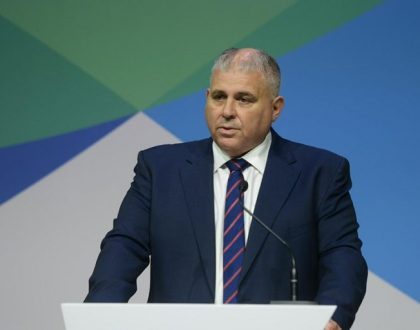
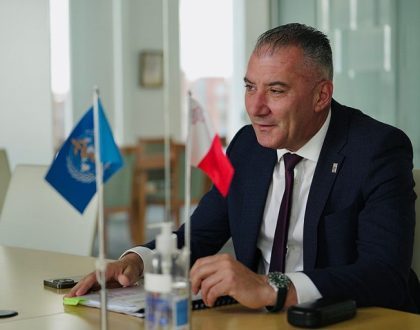
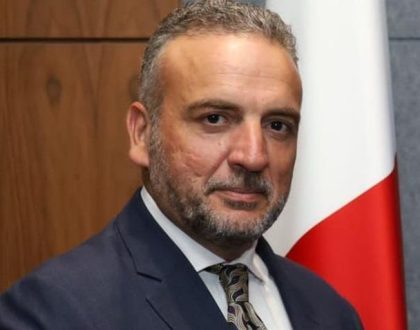
The Occupational Health and Safety Authority (OHSA), the key regulator for workplace health and safety in Malta, is facing significant criticism over an apparent conflict of interest involving its recently appointed Deputy Chairperson, Adrian Cauchi. Cauchi, a seasoned expert in occupational health and safety, also owns a private consultancy firm that provides advisory services to companies, including those subject to regulation by the OHSA. This dual role has raised questions about potential conflicts of interest and the integrity of the Authority’s leadership.
Cauchi was appointed to his role by Minister Jonathan Attard in November last year. His consultancy, Safety Management Malta, was founded in 2021 and continues to operate under his ownership. Notably, Cauchi actively markets himself on social media as both the Deputy Chairperson of the OHSA and the proprietor of his private firm, which some stakeholders view as an inappropriate blending of public service and private business interests.
Ethical Concerns and Public Reaction
Industry insiders and sources within the OHSA have voiced concerns about the implications of Cauchi’s dual roles. They question whether it is appropriate for someone in his position to be offering consultancy services to entities that the OHSA regulates and potentially investigates. One anonymous source from within the Authority expressed frustration, stating, “How can the Deputy Chairperson advise companies who are also subject to regulatory oversight and potential investigation by the same Authority?” This sentiment reflects a broader unease about the erosion of public trust in the OHSA’s impartiality.





















Silence from the Ministry
Despite these mounting concerns, Minister Jonathan Attard has remained silent on the issue. When approached for comments, the Minister declined to confirm whether he was aware of Cauchi’s private business interests prior to his appointment or whether these interests had been disclosed. This lack of transparency has further fueled criticism, with observers arguing that the government’s failure to address these concerns undermines confidence in its commitment to ethical governance.
Broader Challenges Within the OHSA
The controversy surrounding the Deputy Chairperson is not an isolated issue. The OHSA’s leadership structure has come under broader scrutiny, with similar concerns being raised about its Chairperson and CEO. The current Chairperson, Pierre Fava, is a businessman with a portfolio of private interests, which some argue could interfere with his ability to make impartial decisions in his regulatory role.
Additionally, the OHSA’s CEO, Dr. Josianne Cutajar, has faced allegations of maintaining her private general practitioner practice while serving as the full-time head of the Authority. This arrangement appears to contravene the Office of the Prime Minister’s (OPM) policies, which typically prohibit such dual roles in public service positions. Dr. Cutajar, a medical doctor by profession, was previously the CEO of the St. Vincent De Paul Residence, where she was linked to procurement scandals and controversies involving direct orders. Her appointment as CEO has further intensified scrutiny of the OHSA’s leadership.
Historical Weaknesses in Enforcement
The OHSA has faced systemic challenges for years, with critics pointing to its inability to adequately enforce health and safety regulations. Despite being established decades ago, the Authority has struggled with limited resources, insufficient expertise, and a lack of operational tools necessary to fulfill its mandate effectively. As a result, a culture of lax enforcement and impunity has taken root, undermining the OHSA’s credibility as a regulator.
One industry expert described the situation as dire, stating, “These conflicts of interest only deepen the public’s perception that the OHSA is not fit for purpose. Leadership should be setting an example of integrity, but instead, we’re seeing the opposite.”
Calls for Reform and Greater Transparency
The controversies surrounding the OHSA’s leadership have prompted widespread calls for reform. Governance experts argue that without meaningful changes to address conflicts of interest and enhance accountability, the Authority risks losing what remains of its credibility.
Several key measures have been proposed to address these issues:
- Stronger Conflict of Interest Policies: Senior officials should be required to disclose all business interests and abstain from activities that could create real or perceived conflicts of interest.
- Independent Oversight Mechanisms: An external oversight committee could be established to monitor the activities of OHSA’s leadership and ensure compliance with ethical standards.
- Enhanced Resources for Enforcement: The OHSA needs additional funding, advanced training for inspectors, and modern technology to effectively regulate workplace safety.
Implications for Workplace Safety
The stakes are high for the OHSA, as workplace safety is a critical issue across industries. Malta’s economy relies heavily on sectors such as construction, manufacturing, and tourism, all of which require robust health and safety oversight to protect workers and maintain high standards of operation. The Authority’s ability to function effectively is vital not only for worker safety but also for Malta’s reputation as a competitive and responsible business environment.
Transparency International, a global organization dedicated to combating corruption, has emphasized the importance of public trust in regulatory bodies. In a recent statement, the organization noted, “For a regulator to function effectively, its leadership must be beyond reproach. The presence of conflicts of interest, whether real or perceived, erodes confidence in the system and hampers enforcement efforts.”
Public Expectations for Accountability
The OHSA’s leadership controversies come at a time when the public is demanding greater accountability and transparency from government institutions. As workplaces become more complex and safety-critical, the need for a well-functioning health and safety regulator has never been more pressing.
The government’s response—or lack thereof—to these controversies will likely shape public perceptions of its commitment to good governance. Stakeholders are urging immediate action to restore trust in the OHSA, starting with a thorough review of its leadership and governance practices.
The Path Forward
As scrutiny continues to mount, the OHSA faces a critical juncture. Will it seize the opportunity to reform and rebuild public confidence, or will it remain mired in controversy? The answer to this question will determine not only the Authority’s future but also the safety and well-being of workers across Malta.
Conclusion
The controversies surrounding the OHSA’s leadership highlight critical issues of governance, transparency, and accountability within Malta’s key regulatory bodies. Addressing these conflicts of interest and operational challenges is essential to restoring public trust and ensuring the Authority’s effectiveness in safeguarding workplace health and safety. The stakes are high, not only for workers and businesses but also for Malta’s reputation as a nation committed to ethical and robust regulatory practices.
FAQs
What is the role of the OHSA?
The Occupational Health and Safety Authority is responsible for enforcing workplace safety laws and regulations in Malta.
Why is the Deputy Chairperson under scrutiny?
The Deputy Chairperson, Adrian Cauchi, owns a consultancy firm that advises companies regulated by the OHSA, raising concerns about a conflict of interest.
What is the controversy surrounding the OHSA’s CEO?
The CEO, Dr. Josianne Cutajar, has been criticized for maintaining her private GP practice while serving in a full-time public service role.
Why are there concerns about the OHSA’s enforcement capabilities?
The OHSA has struggled with limited resources, insufficient training, and outdated tools, leading to inadequate enforcement of health and safety laws.
What steps can be taken to improve the OHSA?
Implementing stricter conflict of interest policies, enhancing resources, and establishing independent oversight could improve the OHSA’s effectiveness.
How do conflicts of interest affect regulatory bodies?
Conflicts of interest undermine public trust and can compromise the impartiality and effectiveness of a regulator.
What industries depend on strong health and safety oversight in Malta?
Key sectors such as construction, manufacturing, and tourism rely on robust health and safety regulations to ensure worker protection and operational standards.
What is the government’s response to these controversies?
The government has so far remained silent on the issues, prompting criticism and calls for greater transparency.
Why is public trust important for regulators?
Public trust ensures that regulatory bodies can enforce laws effectively and maintain credibility in their oversight functions.
What role does transparency play in addressing conflicts of interest?
Transparency helps identify and address conflicts of interest, ensuring accountability and fostering confidence in regulatory bodies.

Anna Amstill
I am an avid Blogger and Writer with more than 6 years of experience with Content Writing. An Online Marketing expert specializing in Blog writing, Article writing, Website content, SEO specific Keyword content and much more. Education B.A. - business management, York University, Canada, Graduated 2016.