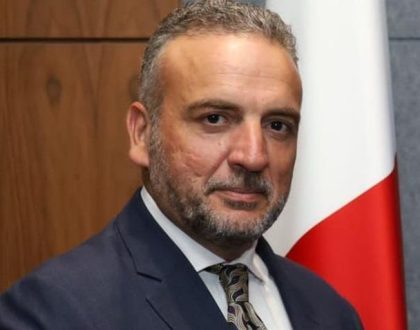
Malta’s Public Sector Needs Upskilling, Not Downsizing

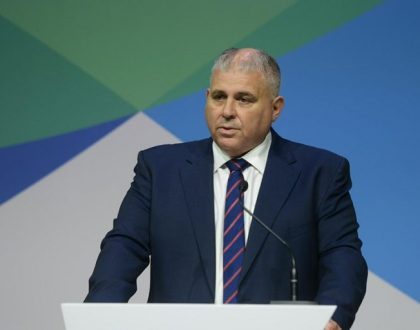
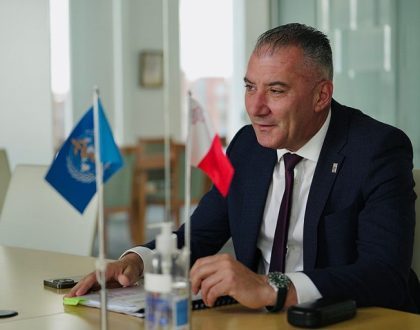
The General Workers’ Union (GWU) Secretary General Josef Bugeja has firmly dismissed claims that Malta’s public sector is bloated or overstaffed. Instead, Bugeja emphasized the urgent need for strategic upskilling, particularly in light of Malta’s demographic evolution. With a growing and ageing population, he argues, the country must urgently expand and enhance its workforce in essential sectors such as healthcare, education, and elderly care.
“Downsizing would be counterproductive,” Bugeja asserted in a recent interview, pointing to the country's increased demand for nurses, carers, and teachers. Rather than reducing headcount, the focus should be on improving the quality and adaptability of the workforce through training and development.
Future-proofing the workforce through training
Recognizing early on the looming impact of digital transformation, the GWU has taken proactive steps over the years. Bugeja revealed that the union integrated competence-based salary structures into collective agreements decades ago, a move designed to reward skill development and performance over mere tenure.





















In response to recent developments, the GWU has now established a specialized branch focused on training initiatives in areas such as artificial intelligence, digitalisation, and cross-cultural communication. These skills are increasingly seen as critical in modern public service, especially as Malta continues to embrace technological change.
Addressing the summer half-day debate
Public debate has also emerged regarding the tradition of summer half-days within the public administration. Some have argued for its removal, particularly as private sector employees typically continue to work full-time hours during the summer months, often relying on government services in the afternoons.
However, Bugeja clarified that this arrangement applies to just 30% of public administration workers—distinct from the broader public sector. These employees accumulate additional hours during winter months to qualify for shorter summer schedules. He also stressed that many essential workers, such as those in healthcare and immigration services, operate according to demand, not seasonal schedules.
“Flexibility and the art of compromise are key,” he said, highlighting how different work structures can coexist through mutual understanding and negotiation.
Finding balance in a changing labor environment
Bugeja cited previous examples of successful compromise, such as when supermarkets began opening on Sundays. Existing employees retained their original schedules, while new hires were contractually aligned with Sunday work. This model of negotiation could inform future discussions on working hours and conditions.
When discussing recently proposed government traffic-reduction measures, Bugeja reiterated the need for compromise. He acknowledged that GWU members in delivery roles have voiced concerns about the practicality of these measures, and that discussions with both the government and private sector stakeholders are ongoing to define workable off-peak hours.
Health and safety concerns also play a role in these discussions. “I will not advocate for 2 p.m. to be classified as off-peak,” Bugeja said, citing health authority guidelines warning against exposure to extreme summer heat between 11 a.m. and 2 p.m.
“No one should be working in that heat. Public health must be considered,” he insisted, emphasizing the need for common-sense solutions.
Compensation for unsocial hours
Asked whether workers required to operate during designated off-peak hours should receive extra pay, Bugeja responded affirmatively.
“If someone is working anti-social hours, the union will see to it that they get extra remuneration,” he stated. He also pushed back against the common misconception that most government employees benefit from summer half-days, calling it “absolutely false.”
“These workers are not taking anything from anyone else,” Bugeja said, reaffirming that he sees no reason to oppose the system, provided it is structured fairly.
Traffic solutions: Shared transport for industrial areas
Malta's traffic congestion remains a pressing concern, and Bugeja believes that everyone shares responsibility for the problem. “We complain about traffic, yet we won’t ditch our cars,” he said. “It’s often our first major investment, and we rely on it exclusively.”
To address this, the GWU has proposed collective transport solutions, particularly targeting remote industrial zones such as Ħal Far, which lack adequate public transport links. A pilot initiative has already shown promise, but logistical challenges remain, especially since only a limited number of companies currently have the necessary vehicles.
Workers have clearly expressed their need for a transport service that is reliable, affordable, and punctual. The GWU’s long-term aim is to expand the program to other major industrial areas such as Bulebel, Mrieħel, and Mosta.
Reforming the MCESD for greater impact
Turning to institutional reforms, Bugeja addressed criticisms that the Malta Council for Economic and Social Development (MCESD)—on which the GWU sits—is a toothless body. “It’s not a talking shop,” he said firmly.
He cited the council’s critical role during national crises, such as the COVID-19 pandemic and the 2023 summer power outages. Meeting almost three times per month, the MCESD influences key national policies, including the Labour Migration Policy.
The council is now undergoing reforms to become more relevant and resourceful. Legislation is being discussed to better align the MCESD with today’s social and economic realities. Bugeja noted that employers and unions alike need more expert support to develop data-driven proposals and adopt informed policy positions.
Shaping Malta’s 2050 Vision
Bugeja also took pride in the GWU’s long-standing advocacy for a national vision for Malta, which was eventually adopted by the government as part of its Malta 2050 Vision strategy. He emphasized that this must be a shared blueprint, reflecting collective aspirations and outlining a roadmap for long-term development.
The evolving landscape of labor migration
A major area of policy discussion is labor migration. Bugeja acknowledged the complexity of the issue, stressing that the new Labour Migration Policy is designed to balance the country’s need for foreign workers with the risks of oversupply.
“Employers must first try to recruit Maltese or EU nationals,” Bugeja explained. Only if these efforts fail should third-country nationals (TCNs) be considered. Unfortunately, previous policies led to indiscriminate recruitment of foreign workers, regardless of sectoral needs.
“It doesn’t stop at hiring,” Bugeja said. “Foreign workers deserve guaranteed fair wages and decent working conditions. Otherwise, we’re simply importing modern-day slavery.”
He estimated that between 100,000 to 120,000 foreign workers currently reside in Malta, with certain sectors like healthcare depending heavily on their contribution. However, he also pointed out that Maltese families increasingly encourage their children to aspire to higher-skilled, better-paying jobs—further reducing local interest in certain essential roles.
Protecting foreign workers from exploitation
Bugeja expressed concern over the risks of over-recruitment, which can result in poor working conditions and disproportionate employer power. Previously, foreign workers had just 10 days to find new employment after losing their job, or face deportation. The new Labour Migration Policy has extended this to 60 days—a change Bugeja praised as vital.
“Without that window, people turned to the black economy and were exploited even more,” he said. The longer period allows for a healthier turnover rate and reduces churn among foreign workers.
He strongly condemned exploitative employers, stating: “They are human beings like us. I can never accept abuse.”
The enduring importance of Workers’ Day
Reflecting on the recent celebration of Workers’ Day, Bugeja emphasized its continuing relevance. “We celebrate workers not just for past victories, but for their contributions today and their role in shaping the future.”
He called the holiday a tribute to labor’s history and a reaffirmation of the commitment to progress. “Workers’ Day is about remembering where we came from, and pledging to move forward together.”
Conclusion
In conclusion, the ongoing efforts of the General Workers Union (GWU) to address critical issues facing the public sector, including workforce upskilling, labour migration, and social infrastructure, are crucial for the continued development and prosperity of Malta. Josef Bugeja’s leadership highlights the need for a balanced approach in managing the growing demands of Malta’s population while ensuring that workers are supported through fair wages, adequate working conditions, and opportunities for professional development.
Furthermore, the GWU's push for reforms in the Malta Council for Economic and Social Development (MCESD) and its advocacy for a national vision are steps in the right direction to create a more cohesive and forward-thinking society. As Malta continues to evolve, embracing flexibility in work arrangements, supporting foreign workers, and ensuring sustainability in all sectors will be essential in shaping a prosperous future.
The discussions and proposals set forth by Bugeja and the GWU demonstrate the critical importance of compromise, collaboration, and foresight in addressing the country’s workforce needs. Looking ahead, it is clear that collective effort will be key to navigating the challenges of the future and ensuring a balanced and equitable work environment for all.
FAQs
What is Josef Bugeja's position on downsizing the public sector?
He believes downsizing would be counterproductive and stresses the need for upskilling rather than reducing staff.
Do most public sector workers in Malta get summer half-days?
No, only about 30% of public administration workers do, and they earn it through extra winter hours.
What sectors need more workers according to the GWU?
Healthcare, education, and elderly care are among the sectors most in need due to demographic changes.
What initiatives has the GWU launched to upskill workers?
They’ve created a branch focused on training in AI, digitalisation, and cross-cultural communication.
Is the GWU in favor of eliminating summer half-days?
No, Bugeja supports the system and sees no reason to change it, provided it's fairly structured.
How does the GWU propose to reduce traffic in industrial areas?
By offering collective transport solutions to areas not serviced by public transport.
What role does the MCESD play in Malta’s policy-making?
It contributes to critical discussions and decisions on national issues like pandemics and energy.
What is the GWU’s stance on foreign labor?
Foreign labor is necessary, but it must be well-regulated with fair conditions and pay.
How has the Labour Migration Policy changed recently?
It now allows foreign workers 60 days to find a new job, reducing exploitation risks.
Why is Workers’ Day still relevant today?
It honors past labor struggles and reinforces the commitment to protect workers' rights into the future.

Claire
A highly motivated, results-driven, enthusiastic and ambitious writer. I can offer you well researched and high-quality article writing on any topic for your website or blog and can as well re-write your existing web content.