















Malta’s Rich Religious Heritage
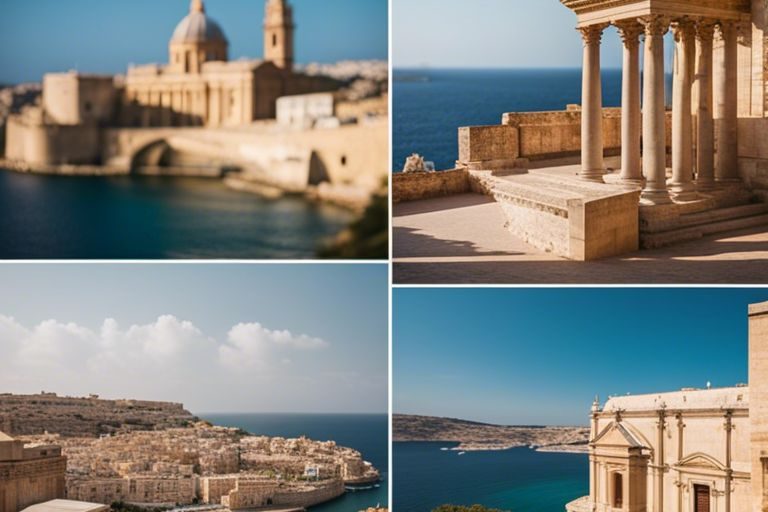
Over centuries of rich history and cultural significance, #Malta's religious #heritage stands as a testament to the island's enduring faith and spiritual devotion. Each church and chapel scattered across the archipelago tells a story of #tradition, #artistry, and devotion that has been meticulously preserved through the ages. From ornate baroque architecture to humble village chapels, Malta's religious sites offer a glimpse into the island's deep-rooted religious traditions.
Exploring Malta's religious heritage provides a window into the soul of this Mediterranean gem, showcasing a unique blend of influences from various civilizations that have left their mark on the island. The churches and chapels serve as sanctuaries of peace and reflection, inviting visitors to experience the spiritual tranquility that permeates these sacred spaces. Each religious site offers a glimpse into Malta's storied past, with architectural details and artistic treasures that captivate the imagination and stir the soul.
Whether you are a history enthusiast, a devout pilgrim, or simply seeking to immerse yourself in the cultural tapestry of Malta, exploring the island's religious heritage is a journey not to be missed. With a wealth of historical significance and artistic beauty waiting to be discovered, Malta's churches, chapels, and religious sites offer a profound and enlightening experience that will leave a lasting impression on all who visit.





















You will be amazed by Malta's religious heritage, a treasure trove of churches, chapels, and other religious sites that date back centuries. The tiny Mediterranean island of Malta is home to an impressive number of beautiful and historically significant religious buildings that reflect the island's long and storied history. From grand cathedrals to humble chapels, each religious site in Malta tells a unique story and offers a glimpse into the island's rich cultural and religious past.
Exploring Malta's religious heritage is not only a journey through time but also a chance to appreciate the architectural marvels and artistic treasures that these sacred sites hold. The intricate designs, priceless artworks, and religious relics found in Malta's churches and chapels are a testament to the deep faith and devotion of the Maltese people throughout the ages. Whether you are a history buff, an art enthusiast, or a religious pilgrim, Malta's religious heritage has something to offer everyone who seeks to examine into the island's fascinating past.
Join us on a virtual tour of Malta's religious heritage as we uncover the hidden gems and lesser-known facts about these sacred sites. From the stunning St. John's Co-Cathedral in Valletta to the charming village chapels scattered across the Maltese countryside, each stop on our journey will reveal something new and intriguing about Malta's religious landscape. Get ready to be inspired, amazed, and transported back in time as we examine into the heart and soul of Malta's religious heritage.
The Foundations of Malta's Religious Heritage
Historical Overview of Religion in Malta
The religious heritage of Malta dates back thousands of years, with evidence of ancient temples and cultic practices that show the island's deep spiritual roots. These temples, such as the megalithic structures of Ġgantija and Ħaġar Qim, exemplify the early religious practices of the Maltese people. Over time, Malta encountered various influences from Phoenician, Roman, Arab, and Norman civilizations, all of which left their mark on the religious landscape of the island.
Key Periods in Maltese Religious History
Malta has a rich and diverse religious history that has been shaped by key periods of influence. From the early Christian era when St. Paul brought Christianity to the islands, to the Arab occupation and subsequent Norman conquest, each period contributed to the development of Malta's unique religious identity. The Knights of St. John, who ruled Malta for centuries, also played a significant role in shaping the religious landscape, leaving behind a legacy of grand churches and religious institutions.
One of the most important aspects of Malta's religious history is the Great Siege of 1565, during which the Knights successfully defended the island from the Ottoman Empire. This event not only solidified Malta's Catholic identity but also established the Knights as heroes of the Christian faith. The Baroque period that followed was a time of great religious fervor, leading to the construction of some of Malta's most beautiful churches and chapels that still stand today as testaments to the island's enduring faith.
The Historical Roots of Maltese Religious Heritage
Prehistoric Religious Sites in Malta
Religious practices in Malta date back to the prehistoric era, with the islands being home to some of the oldest religious sites in the world. The prehistoric temples of Ġgantija in Gozo and Ħaġar Qim in Malta are not only architectural marvels but also believed to have served as places of worship and rituals. These megalithic structures, dating back to around 3600-2500 BC, highlight the importance of religion in early Maltese society.
Archaeological evidence suggests that the prehistoric inhabitants of Malta had a rich and complex religious belief system that involved animal sacrifices, fertility rites, and the veneration of a mother goddess figure. The intricate carvings and statues found within these temples provide valuable insights into the spiritual practices and beliefs of the ancient Maltese people.
The prehistoric religious sites in Malta stand as a testament to the profound spiritual connection that the Maltese people have had with their land for millennia. These awe-inspiring structures are not only significant from an archaeological standpoint but also serve as a reminder of the enduring legacy of religious practice on the islands.
The Arrival of Christianity
Maltese religious heritage took a significant turn with the arrival of Christianity in the 1st century AD. According to tradition, the Apostle St. Paul shipwrecked on the island in 60 AD and introduced Christianity to the Maltese people. This event marked a pivotal moment in Malta's history, as Christianity gradually replaced the pagan beliefs that had dominated the islands for centuries.
Over the centuries, Christianity became deeply ingrained in Maltese society, shaping not only religious practices but also cultural norms and traditions. The Roman Catholic Church, in particular, played a central role in governing the spiritual and moral life of the Maltese people, exerting a strong influence on political and social affairs.
The spread of Christianity in Malta brought about the construction of numerous churches and religious institutions, many of which still stand today as testimony to the enduring legacy of faith on the islands. The fusion of Christian beliefs with Malta's rich cultural heritage gave rise to a unique religious landscape that continues to define the spiritual identity of the Maltese people.
The Arab Influence and Religious Syncretism
Roots of Maltese religious heritage also bear the influence of the Arab period of the islands' history. During the Arab rule of Malta from 870 to 1090 AD, Islamic cultural and religious practices made an indelible mark on the Maltese society. This period of Arab influence contributed to a rich tapestry of religious syncretism, where Islamic, Christian, and indigenous Maltese beliefs coexisted and intermingled.
The Arab influence brought about an exchange of ideas, architectural styles, and religious practices that shaped the religious landscape of Malta in profound ways. The fusion of different religious traditions during this period laid the groundwork for a diverse and inclusive approach to spirituality that continues to resonate in Maltese religious practices today.
The Arab period in Malta's history serves as a testament to the resilience and adaptability of the Maltese people in assimilating diverse religious influences and creating a unique religious identity that reflects the island's multicultural heritage.
The Impact of the Knights Hospitaller
Hospitaller Order of the Knights of St. John, also known as the Knights Hospitaller, played a crucial role in shaping Malta's religious landscape during their rule from 1530 to 1798. The Knights, a Catholic military order, were tasked with defending the island against Ottoman attacks and spreading the influence of the Roman Catholic Church in the region.
Under the patronage of the Knights Hospitaller, Malta witnessed a period of religious fervor and spiritual renewal. The Knights commissioned the construction of numerous churches, chapels, and religious monuments, transforming the island into a bastion of Catholic faith in the Mediterranean. The legacy of the Knights' religious zeal is evident in the grandeur and opulence of the churches they built, which remain as enduring symbols of Malta's religious heritage.
The Knights' emphasis on religious orthodoxy and devotion to the Catholic Church left a lasting impact on Maltese society, influencing everything from religious practices to cultural norms. Their patronage of the arts and architecture also played a significant role in shaping the aesthetic landscape of Malta, leaving behind a rich legacy of religious art and craftsmanship that continues to captivate visitors to the island.
The Architecture of Maltese Churches
There's a rich history of architectural influences that have shaped the churches of Malta, making them a unique blend of styles that reflect the country's diverse cultural heritage. From Baroque masterpieces to the use of local stone in construction, Maltese churches boast a distinctive charm that sets them apart from their counterparts in other countries.
Baroque Influences
Baroque architecture has had a significant impact on Maltese churches, especially during the 17th and 18th centuries. Characterized by its elaborate ornamentation, curved forms, and dramatic use of light and shadow, Baroque elements can be seen in the intricate facades, ornate interiors, and stunning ceiling paintings of many churches across the island. The influence of renowned Baroque architects such as Francesco Borromini and Gian Lorenzo Bernini is evident in the grandeur and opulence of Malta's religious buildings.
The Works of Lorenzo Gafà
Any discussion of Maltese church architecture would be incomplete without mentioning Lorenzo Gafà, one of the most celebrated architects of the Baroque period. Gafà's works, including the stunning St. John's Co-Cathedral in Valletta, showcase his mastery of Baroque design principles and his ability to create spaces that inspire awe and reverence. His intricate stonework, elaborate sculptures, and skillful use of light and shadow have left an indelible mark on Malta's architectural landscape.
Another notable example of Gafà's work is the Church of St. Paul's Shipwreck in Valletta, which features a magnificent Baroque facade and a dome adorned with colorful frescoes. Gafà's architectural legacy continues to attract visitors from around the world who marvel at the beauty and craftsmanship of his creations.
Distinctive Features of Maltese Ecclesiastical Architecture
With its strategic location at the crossroads of Europe, Africa, and the Middle East, Malta has been influenced by a diverse array of architectural styles over the centuries. This unique blend of influences can be seen in the distinctive features of Maltese ecclesiastical architecture, including the use of local limestone, colorful marble, and intricate Baroque detailing that adorn many churches and chapels across the island.
The churches of Malta are also known for their soaring bell towers, elaborate frescoes, and ornate altars that reflect the country's deep religious beliefs and artistic heritage. The intricate carvings, decorative pilasters, and intricate masonry work found in many Maltese churches speak to the craftsmanship and skill of the artisans who built these magnificent structures.
The Use of Local Stone in Church Construction
The abundant local limestone has been a key element in the construction of Maltese churches, giving them their distinctive golden hue and timeless beauty. The use of this durable and versatile material has allowed architects and builders to create intricate facades, elegant columns, and elaborate decorations that have stood the test of time.
The Cultural Significance of Chapels in Malta
The Role of Chapels in Village Life
Keep carefully in mind that chapels hold a special place in the hearts of Maltese villagers. These small religious structures can be found scattered throughout the countryside, each with its own unique history and significance. Chapels are not just places of worship but also serve as landmarks that contribute to the cultural identity of each village.
For many Maltese communities, the chapel is the focal point of village life, serving as a gathering place for religious celebrations, festivals, and community events. The patron saint of the village is often honored in the chapel, bringing together residents in a shared sense of faith and tradition. Chapels play a crucial role in preserving the cultural heritage of Malta and fostering a sense of unity among its people.
Additionally, chapels often serve as meeting points for social gatherings and discussions, further strengthening the bonds within the community. The architectural beauty of these chapels, combined with their historical significance, makes them integral to the fabric of Maltese society.
Chapels as Centers of Devotion
The chapels in Malta are not merely architectural marvels; they are also centers of devotion and spirituality. Many chapels house revered religious artifacts and artworks, attracting pilgrims and tourists alike. The serene atmosphere of these chapels provides a place for reflection and prayer, allowing visitors to connect with their spiritual side.
To further enhance the spiritual experience, chapels often host religious ceremonies and processions, drawing worshippers from near and far. The annual feasts dedicated to patron saints are particularly popular, with chapels adorned in colorful decorations and filled with the sound of hymns and prayers. Chapels truly encapsulate the deep-rooted religious fervor of the Maltese people.
Preservation and Restoration of Chapels
Chapels in Malta require ongoing care and attention to ensure their preservation for future generations. Preservation efforts involve regular maintenance, structural repairs, and conservation of artworks to safeguard the cultural heritage embodied by these sacred spaces.
Restoration projects aim to revive the original beauty of the chapels while incorporating modern techniques to ensure their longevity. Expert craftsmen and conservators work tirelessly to preserve the intricate frescoes, sculptures, and architectural features of these chapels, emphasizing their importance in Malta's religious and cultural landscape.
The government and local communities collaborate to fund these restoration initiatives, recognizing the invaluable role that chapels play in preserving Malta's rich heritage. Through these collective efforts, chapels are protected and cherished as significant cultural assets.
Chapels Dedicated to Patron Saints
The patron saints hold a revered position in Maltese culture, and chapels dedicated to these saints are sites of particular significance. These chapels not only serve as places of worship but also as focal points for the annual festivities that celebrate the lives and miracles of the patron saints.
The preservation of these chapels is paramount, as they serve as tangible links to Malta's religious traditions and history. The annual feasts dedicated to the patron saints are deeply ingrained in Maltese culture, drawing locals and visitors alike to partake in the colorful processions, music, and culinary delights that characterize these joyous occasions.
Major Cathedrals and Basilicas
St. John's Co-Cathedral: A Baroque Masterpiece
For centuries, St. John's Co-Cathedral has stood as a testament to the grandeur of Baroque architecture in Malta. Built between 1572 and 1577, this cathedral is a true masterpiece, showcasing the work of renowned artists such as Mattia Preti and Caravaggio. The interior is adorned with intricate carvings, magnificent frescoes, and a stunning marble floor that is considered one of the finest in the world.
St. John's Co-Cathedral is not only a place of worship but also a treasure trove of art and history. Visitors can marvel at the intricate designs of the vaulted ceilings, the detailed paintings that adorn the walls, and the beautiful chapels dedicated to various saints. The cathedral's ornate beauty has made it a must-visit destination for those interested in Malta's rich religious heritage.
Today, St. John's Co-Cathedral continues to be a symbol of Malta's cultural identity and a living testament to the island's spiritual past. Its significance extends beyond its religious importance, serving as a cultural hub that attracts tourists and art enthusiasts from around the world.
The Metropolitan Cathedral of Malta
An iconic landmark in Valletta, The Metropolitan Cathedral of Malta is a stunning example of Maltese Baroque architecture. Designed by the renowned architect Lorenzo Gafa, the cathedral's façade is a sight to behold, with its intricate carvings, imposing columns, and majestic bell towers. The interior is just as impressive, featuring ornate decorations, beautiful paintings, and a sense of grandeur that is truly awe-inspiring.
The Metropolitan Cathedral of Malta serves as the seat of the Archbishop of Malta and is a focal point for religious ceremonies and celebrations. Its rich history and architectural beauty make it a popular destination for both visitors and worshippers alike, offering a glimpse into Malta's deep-rooted Catholic heritage.
Cathedrals like The Metropolitan Cathedral of Malta stand as architectural marvels and sacred sites, embodying the spiritual essence of the Maltese people and serving as beacons of faith in the heart of the Mediterranean.
The Architectural Evolution of Mdina's Cathedrals
Architectural enthusiasts will be fascinated by the evolution of Mdina's cathedrals throughout history. From the early days of Roman rule to the present, these cathedrals have undergone numerous transformations, reflecting the changing styles and influences of the times. The Cathedral of St. Paul, in particular, stands out as a blend of medieval and Baroque architecture, with its imposing façade and intricate adornments.
The architectural evolution of Mdina's cathedrals tells a story of cultural exchange and artistic innovation, showcasing the talents of master builders and artisans who left their mark on these sacred structures. Visitors can marvel at the intricate details of the cathedrals' interiors, from the majestic domes to the elaborate altars, gaining a deeper appreciation for Malta's rich architectural heritage.
Exploring the architectural evolution of Mdina's cathedrals offers a glimpse into the island's past and its enduring commitment to preserving its cultural and religious legacy. These cathedrals are not just architectural wonders but also living testaments to Malta's vibrant history and enduring faith.
Minor Basilicas and Their Histories
Minor basilicas in Malta may be lesser-known than the major cathedrals, but they hold a wealth of history and significance. These basilicas, such as the Basilica of Our Lady of Mount Carmel and the Basilica of St. Dominic, are steeped in tradition and serve as important religious sites for worshippers and pilgrims.
Each minor basilica has its own unique story to tell, with intricate artwork, sacred relics, and centuries-old traditions that continue to be passed down through generations. These basilicas are not only places of worship but also cultural landmarks that shed light on Malta's deep-rooted Catholic heritage.
Visiting these minor basilicas offers a deeper understanding of Malta's religious roots and a chance to experience the spiritual essence of the island. Whether admiring the architectural details or participating in religious ceremonies, these basilicas provide a unique glimpse into Malta's diverse and fascinating history.
Religious Festas and Their Impact on Maltese Identity
The Tradition of Village Festas
After the colonization by the Knights of St. John and the influence of Catholicism on the Maltese Islands, religious festas have become an integral part of Maltese culture and identity. The tradition of village festas is a deeply rooted practice that brings communities together to celebrate their patron saint through religious events, processions, music, and fireworks.
For centuries, these festas have served as a way for Maltese people to showcase their religious devotion and strengthen the bonds within their communities. Villages spend months preparing for these events, decorating their streets with elaborate banners, statues, and lights. The festa usually culminates in a grand procession where the statue of the patron saint is paraded through the streets, accompanied by marching bands and traditional religious hymns.
The tradition of village festas not only highlights the religious heritage of Malta but also serves as a reminder of the resilience and unity of the Maltese people throughout history. These celebrations provide a sense of belonging and identity for the locals and offer a unique glimpse into the rich cultural tapestry of the island.
Religious Processions and their Ritual Significance
With roots in the medieval period, religious processions have played a crucial role in Maltese religious practices and have significant ritual significance. These processions symbolize the community's faith and devotion to their patron saint, marking important milestones in the religious calendar.
Processions are a spectacle of sight and sound, with colorful banners, intricate statues, and the rhythmic beat of drums and trumpets filling the air. Participants often wear traditional costumes and carry religious artifacts, adding to the solemn atmosphere of the event. The act of processing through the streets is seen as a form of penance and devotion, with many participants walking barefoot as a sign of sacrifice and humility.
These processions not only serve as a religious display but also as a means of communal expression and collective identity, reflecting the deep-rooted religious beliefs and cultural practices of the Maltese people. The ritual significance of these events continues to play a vital role in maintaining the religious traditions and heritage of Malta.
Artistic Legacy within Maltese Places of Worship
Frescoes and Wall Paintings
All across Malta, places of worship are adorned with exquisite frescoes and wall paintings that depict religious scenes and stories. These intricate artworks often date back centuries and offer a glimpse into the rich artistic heritage of the island. The vibrant colors and detailed craftsmanship found in these frescoes add to the spiritual ambiance of the churches and chapels, creating a truly awe-inspiring experience for visitors and worshippers alike.
Sculptures and Religious Iconography
To complement the frescoes, sculptures and religious iconography play a significant role in Maltese places of worship. These sculptures, whether in the form of statues, reliefs, or intricate carvings, serve as visual representations of revered figures and symbols in the Christian faith. The attention to detail and the skill of the artists who created these works are evident in each piece, adding to the overall beauty and reverence of the religious spaces.
In addition to the traditional sculptures found in churches and chapels, Malta is also home to a unique collection of religious iconography, including the renowned works of local and international artists. These religious icons serve as focal points for prayer and contemplation, further enhancing the spiritual significance of the sacred spaces they adorn.
The Altarpiece Tradition
Paintings have always held a special place in the Maltese art scene, and within places of worship, they take on a sacred role through the altarpiece tradition. These large paintings, often depicting religious scenes or figures, serve as the centerpiece of the church's altar, drawing the eyes of worshippers and guiding their focus towards contemplation and prayer. The intricate details and symbolism found in these paintings add depth and meaning to the religious experience.
Any visitor to a Maltese church or chapel cannot help but be struck by the beauty and grandeur of the altarpieces that adorn these sacred spaces. From intricate gold leaf detailing to delicate brushwork, these paintings reflect the dedication and skill of the artists who created them, serving as a testament to Malta's artistic legacy and religious devotion.
Preservation of Religious Artifacts
Understanding the importance of preserving Malta's religious artifacts is crucial to ensuring that future generations can appreciate and learn from these priceless treasures. The delicate nature of frescoes, sculptures, paintings, and other religious artworks requires careful maintenance and conservation efforts to protect them from deterioration and damage.
An ongoing commitment to the preservation of these religious artifacts is vital to maintaining Malta's cultural heritage and religious traditions. Through partnerships with conservation experts, funding for restoration projects, and educational initiatives, efforts are being made to safeguard these invaluable pieces of history for years to come.
The Inquisition in Malta and Ecclesiastical Authority
The Establishment of the Inquisition in Malta
Now, Malta's history is intricately linked with the Inquisition, a powerful institution established to combat heresy and enforce religious orthodoxy. The Inquisition in Malta was officially established in 1562, making it one of the earliest branches of the Inquisition outside the Iberian Peninsula. Led by the Grand Inquisitor, the Maltese Inquisition operated with significant authority, overseeing religious matters and ensuring strict adherence to Catholic doctrine.
The establishment of the Inquisition in Malta brought about a period of intense scrutiny and control over the religious practices of the Maltese population. The Grand Inquisitor wielded immense power, with the authority to investigate and prosecute individuals suspected of heresy or religious non-conformity. This era marked a significant shift towards a more centralized religious authority in Malta, shaping the religious landscape for centuries to come.
During this time, the Maltese Inquisition played a crucial role in maintaining religious order and upholding the authority of the Catholic Church. It acted as a powerful tool for the Church to suppress dissent and maintain its influence over the local population. The legacy of the Inquisition in Malta is still evident today in the island's religious institutions and cultural practices.
Notable Inquisitors and Their Impact
To understand the impact of the Inquisition in Malta, it is important to examine the key figures who shaped its history. Notable inquisitors such as Pietro Dusina and Fra Angelo Ragazzini played instrumental roles in enforcing religious orthodoxy and prosecuting heretics. Their zealous pursuit of heresy left a lasting impact on the religious landscape of Malta, instilling fear and obedience among the populace.
Inquisitors like Pietro Dusina were known for their uncompromising stance against heresy, leading to widespread censorship and persecution of dissenting voices. Their methods were often ruthless and controversial, earning them a reputation for religious tyranny. Despite facing criticism from some quarters, these inquisitors operated with a sense of duty and fervor, believing they were safeguarding the purity of the Catholic faith.
The influence of these notable inquisitors reverberated throughout Maltese society, leaving a legacy of religious orthodoxy and control. Their impact continues to be felt in the historical consciousness of Malta, reminding us of a time when ecclesiastical authority held immense power over the hearts and minds of the people.
Inquisitors: The Grand Inquisitor and his appointed officials wielded immense power and authority, shaping the religious landscape of Malta through their relentless pursuit of heresy and dissent.
Censorship of Books and Ideas
Their role extended beyond the prosecution of individuals, encompassing the censorship of books and ideas deemed heretical or subversive. The Inquisition in Malta maintained a tight grip on intellectual freedom, monitoring and controlling the dissemination of knowledge to ensure conformity to Catholic doctrine.
It is important to recognize the far-reaching impact of censorship on the intellectual development of Malta during this period. The suppression of dissenting voices stifled innovation and critical thinking, hindering the free exchange of ideas and contributing to a climate of fear and self-censorship.
Despite the controversial nature of censorship, the Inquisition's control over books and ideas remained a potent tool for maintaining religious authority and upholding the supremacy of Catholic doctrine. This aspect of the Inquisition's activities underscores the complexities of ecclesiastical power and its impact on intellectual freedom in Malta.
The Inquisitor's Palace: History and Evolution
Inquisition in Malta left an indelible mark on the architectural landscape of the island, most notably through structures like the Inquisitor's Palace. This imposing edifice served as the headquarters of the Maltese Inquisition, symbolizing its authority and dominance over religious matters.
With its somber corridors and austere chambers, the Inquisitor's Palace stands as a reminder of a dark chapter in Malta's history, where ecclesiastical power reigned supreme. The evolution of the palace over the centuries mirrors the shifting fortunes of the Inquisition, from its peak of influence to its eventual decline and abolishment.
With its historical significance and architectural grandeur, the Inquisitor's Palace remains a testament to the power and reach of the Inquisition in Malta, serving as a tangible link to a bygone era of religious fervor and control.
Pilgrimage Sites and Religious Tourism
Once again, Malta's religious heritage shines through in its pilgrimage sites, attracting visitors from all over the world seeking spiritual fulfillment and a deeper connection to their faith. These sacred sites are not only places of worship but also landmarks of historical and cultural significance, adding to the richness of Malta's religious tapestry.
The Sanctuary of Our Lady at Mellieha
Lady of Mellieha is one of the most revered pilgrimage sites in Malta, drawing pilgrims and tourists alike to its tranquil surroundings and stunning views of the Mediterranean Sea. The Sanctuary, perched atop a hill, is dedicated to the Virgin Mary and is believed to have miraculous powers. Pilgrims climb the steps to the sanctuary, often on their knees, as a sign of devotion and penance.
Ta' Pinu: A National Shrine of Prayer
Mellieha is also home to Ta' Pinu, a national shrine that holds a special place in the hearts of the Maltese people. This pilgrimage site is dedicated to the Blessed Virgin of Ta' Pinu and is known for its healing powers and miracles. Pilgrims come here to seek solace, offer prayers, and light candles in a gesture of faith and hope.
Sanctuary of Ta' Pinu is a beacon of spirituality and a symbol of Malta's strong Catholic identity. The shrine's architectural beauty, with its intricate mosaics and peaceful surroundings, creates an atmosphere of reverence and tranquility, inviting visitors to pause and reflect on their spiritual journey.
Pilgrimage Trails and Routes
Any visit to Malta's pilgrimage sites would be incomplete without exploring the network of trails and routes that connect these sacred places. These paths, often ancient and steeped in history, offer pilgrims and hikers a unique opportunity to experience Malta's religious and natural heritage while forging a personal connection with their faith.
Trails wind through picturesque landscapes, quaint villages, and historic sites, providing a backdrop for a meditative and transformative journey. Pilgrims walking these routes not only strengthen their spiritual resolve but also contribute to the preservation of Malta's religious traditions and the promotion of sustainable tourism in the region.
The Impact of Religious Tourism on the Economy
Tourism plays a significant role in Malta's economy, with religious tourism contributing to the country's cultural and heritage sector. Pilgrims and visitors who come to explore Malta's religious sites inject capital into the local economy through accommodation, dining, transportation, and the purchase of religious artifacts and souvenirs.
Religious tourism also creates employment opportunities and supports small businesses in the hospitality and tourism industries. Additionally, it helps to preserve Malta's religious heritage by funding the maintenance and restoration of historic churches, chapels, and pilgrimage sites, ensuring that future generations can continue to experience the spiritual richness of Malta's religious landscape.
Religious Orders and Monastic Life in Malta
Despite Malta's small size, the island has a rich history of religious orders and monastic life that have played a significant role in shaping its cultural and spiritual heritage. The presence of orders such as the Franciscans, Dominicans, and Carmelites have left a lasting impact on the religious landscape of Malta.
The Franciscan Presence
Malta has been home to the Franciscan Order since the 15th century. The Franciscans have been instrumental in providing spiritual guidance, running charitable initiatives, and promoting a message of peace and simplicity. Their presence is felt in various churches, chapels, and monasteries across the island, attracting pilgrims and tourists alike.
The Franciscans in Malta continue to uphold the values of their founder, St. Francis of Assisi, through their dedication to serving the marginalized and spreading the message of love and compassion. Their commitment to poverty, humility, and faithfulness remains a cornerstone of Maltese religious life.
Over the centuries, the Franciscans have played a vital role in shaping Malta's spiritual identity, contributing to the island's religious festivals, traditions, and spiritual practices. Their influence can be seen in the devotion of the Maltese people to St. Francis and the Franciscan way of life.
The Dominicans and Their Influence
The Dominicans have also established a strong presence in Malta, with their roots dating back to the 13th century. The Dominicans have been known for their emphasis on preaching, education, and scholarship, shaping the intellectual and spiritual life of the island.
To this day, the Dominicans continue to be actively involved in promoting theological studies, engaging in pastoral work, and fostering a sense of community among the faithful. Their commitment to preaching the Word of God and defending the faith has earned them a revered place in Maltese society.
Understanding the Dominicans and their influence in Malta provides insight into the importance of intellectual rigor, spiritual discipline, and a deep contemplative life. Their legacy continues to inspire generations of Maltese Catholics to seek knowledge, deepen their faith, and proclaim the Gospel.
Carmelite Spirituality and Its Heritage
One of the oldest religious orders in Malta, the Carmelites have a long history of promoting contemplative prayer, devotion to the Blessed Virgin Mary, and a sense of community among their members. Carmelite spirituality has deeply influenced Maltese religious practices and traditions.
Malta has several Carmelite churches and monasteries that serve as centers of prayer and spiritual reflection for the faithful. The Carmelites continue to offer retreats, spiritual direction, and pastoral care to those seeking a deeper relationship with God and a greater understanding of their faith.
The Carmelites have left a profound mark on Malta's religious landscape, emphasizing the importance of prayer, simplicity, and devotion to God. Their legacy of spirituality and service continues to inspire individuals to seek a closer union with the Divine and live out their faith in meaningful ways.
The Role of Convents in Maltese Society
Religious convents have played a crucial role in Malta's social fabric, providing education, healthcare, and spiritual guidance to the community. The nuns who reside in these convents dedicate their lives to prayer, service, and support for those in need, embodying the values of compassion and selflessness.
Understanding the impact of convents on Maltese society highlights the integral role of religious women in shaping the welfare, education, and spiritual well-being of the community. Their commitment to serve the marginalized and vulnerable reflects a deep-seated tradition of charity and solidarity in Maltese culture.
Secularization and the Church's Future in Malta
Contemporary Attitudes Toward Religion
Unlike previous generations, contemporary attitudes toward religion in Malta have shifted significantly. The influence of the Catholic Church, which was once deeply ingrained in every aspect of Maltese society, has waned as secularization takes hold. While the Church still holds a prominent place in the lives of many Maltese people, an increasing number of citizens are identifying as non-religious or are exploring alternative spiritual beliefs.
For younger generations in particular, traditional religious practices may not hold the same significance as they did for their ancestors. The Church is facing challenges in engaging with a population that is more diverse in its beliefs and less tethered to conventional religious institutions. As Malta continues to modernize and globalize, the Church must adapt to these changing attitudes in order to remain relevant and connected to the community.
Despite these shifts, it is important to acknowledge that Malta's religious heritage is deeply rooted in its history and culture. While the influence of the Church may be evolving, its legacy in shaping Maltese society cannot be understated. As the country navigates this period of transition, it is crucial to strike a balance between preserving tradition and embracing change.
The Separation of Church and State
The separation of church and state is a critical issue in Malta as the country grapples with defining the boundaries between religious influence and political governance. Over the years, there have been debates and movements advocating for a clearer distinction between the Church and the state, with calls for greater secularization in public spheres.
Future policy decisions will play a pivotal role in shaping the relationship between the Church and the Maltese government. As Malta looks towards the future, finding a balance that respects both religious freedom and democratic principles will be important. The Church's role in public affairs and policymaking is likely to undergo further scrutiny and reevaluation as the country continues its journey towards a more secular society.
Understanding the complexities of this issue requires careful consideration of historical, cultural, and societal factors at play. Balancing the preservation of Malta's religious heritage with the promotion of modern values and principles will be an ongoing challenge that demands thoughtful and nuanced approaches.
The Church's Role in Modern Maltese Society
Church's influence on various aspects of Maltese society, including education, healthcare, and social services, has been significant throughout history. However, as the country modernizes and diversifies, the Church's role faces increasing scrutiny and debate. Some argue that the Church should adapt to changing societal needs and values, while others maintain that its traditional presence is important for maintaining cultural identity.
Modern challenges, such as gender equality, LGBTQ+ rights, and ethical dilemmas, have placed the Church in the spotlight as it navigates complex issues in a rapidly changing world. The Church in Malta must navigate these challenges with sensitivity and open dialogue to effectively engage with the evolving beliefs and values of its members.
As Malta continues to evolve, the Church's role in shaping social norms, ethical standards, and community cohesion will be a topic of ongoing discussion and reflection. Striking a balance between tradition and progress will be crucial for the Church to remain a relevant and respected institution in modern Maltese society.
Preserving Maltese Religious Heritage for Future Generations
Church's efforts to preserve Malta's religious heritage are important for ensuring that future generations continue to appreciate and value the country's rich history and traditions. The preservation of churches, chapels, and religious artifacts plays a vital role in connecting Maltese people to their cultural roots and identity.
As tourism and development continue to shape Malta's landscape, there is a growing need to protect and maintain religious sites that hold historical and spiritual significance. Balancing the demands of modernization with the need for cultural preservation will be crucial in safeguarding Malta's religious heritage for generations to come.
The Church, in collaboration with government and cultural organizations, plays a key role in the stewardship of Malta's religious heritage. By promoting awareness, conservation efforts, and sustainable practices, the Church can ensure that these irreplaceable treasures remain accessible and appreciated by both locals and visitors alike.
Summing up
In summarization, Malta's religious heritage is a unique and fascinating aspect of the island's cultural identity. The churches and chapels scattered throughout the Maltese landscape not only serve as places of worship but also as historical treasures that showcase the rich history and architectural beauty of the region. From the grandeur of St. John's Co-Cathedral to the simplicity of the country chapels, each religious site tells a story of Malta's deep-rooted faith and religious traditions.
Visitors to Malta have the opportunity to explore these religious sites and immerse themselves in the country's spiritual history. Whether it's attending a traditional religious festival, admiring the intricate artwork inside a Baroque church, or simply taking in the peaceful ambiance of a secluded chapel, Malta's religious heritage offers a unique glimpse into the island's past and present. It is a testament to the enduring importance of religion in Maltese culture and society.
Overall, Malta's churches, chapels, and religious landmarks are not just architectural wonders but also significant symbols of faith and devotion. They serve as reminders of Malta's storied past and continue to be integral parts of the island's cultural fabric. As visitors and locals alike continue to cherish and preserve these religious sites, Malta's religious heritage will remain a vital aspect of the country's identity for generations to come.
FAQs:
What is Malta's religious heritage known for?
Malta's religious heritage is renowned for its ancient temples, Baroque churches, and cultural significance spanning centuries.
Why should I explore Malta's churches and chapels?
Exploring Malta's churches offers insights into its rich history, architectural beauty, and deep-rooted religious traditions.
What are some notable religious sites in Malta?
St. John's Co-Cathedral, Mdina Cathedral, and the prehistoric temples of Ġgantija are among Malta's notable religious landmarks.
How has Malta's religious landscape been influenced over time?
Malta's religious landscape has been shaped by Christianity, Arab rule, the Knights of St. John, and Baroque art and architecture.
What can I expect from a visit to Malta's religious sites?
Visitors can expect to see intricate artworks, historical artifacts, and experience a sense of spiritual tranquility at Malta's religious sites.

Michael
With nearly 30 years in corporate services and investigative journalism, I head TRIDER.UK, specializing in deep-dive research into gaming and finance. As Editor of Malta Media, I deliver sharp investigative coverage of iGaming and financial services. My experience also includes leading corporate formations and navigating complex international business structures.
Related Posts
Malta luxury travel demand rises
April 11, 2026

Spring travel trends favor Malta
April 10, 2026
Malta welcomes older travellers
April 9, 2026
Malta’s heritage in spring
April 8, 2026
Malta spring tourism campaigns
April 7, 2026

Spring travel lifts Malta operators
April 6, 2026
Spring culture fuels Malta tourism
April 4, 2026

Airbnb demand rises in Malta spring
April 3, 2026

Spring tourism drives Malta’s rentals
April 2, 2026