















Authenticity in Malta Souvenirs
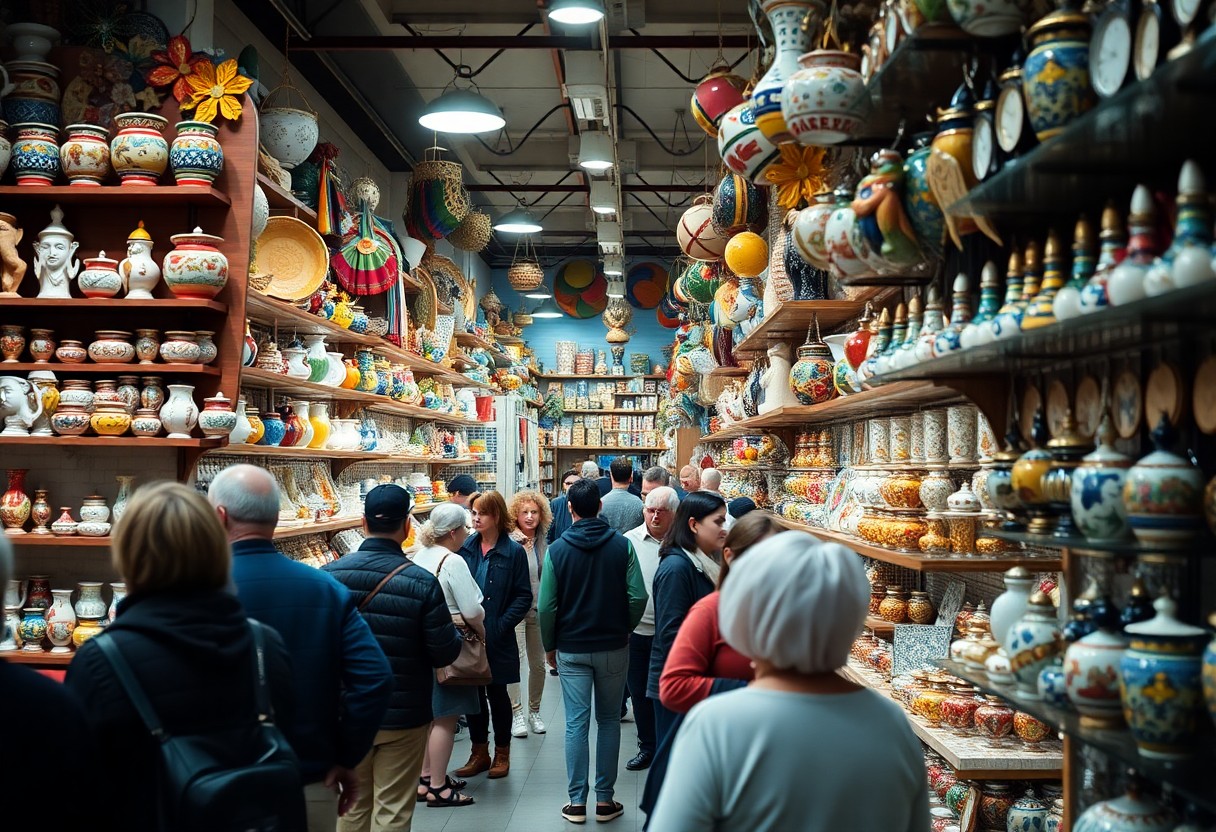
Most travelers believe that souvenirs purchased during their trips are authentic representations of local culture and craftsmanship. However, when it comes to Malta, the reality is often more complicated. This informative exploration into Malta's souvenir shops reveals a layered narrative about what makes an item truly “local” and how commercialization has shaped the offerings. By examining the origins, production methods, and marketing strategies behind popular souvenirs, we uncover the broader implications of authenticity in tourism and the importance of supporting genuine local artisans.
The Allure of Malta: A Tourist's Paradise
The Unique Charms of Malta
Malta's charm lies in its remarkable blend of history, culture, and stunning landscapes. From the ancient walled city of Mdina to the azure waters of the Blue Lagoon, the archipelago offers a picturesque escape. Visitors are often captivated by the intricately designed limestone architecture, fascinating prehistoric temples, and vibrant Mediterranean markets that showcase local crafts. The annual celebrations, enriched by traditional music and dance, further enhance the island's appeal, making Malta not just a destination, but a living tapestry of experiences waiting to be explored.
How Tourism Shapes Local Economies
The impact of tourism on Malta's economy is profound, contributing approximately 27% to the nation's GDP. With thousands of visitors flocking to the island each year, sectors like hospitality, retail, and transport thrive. Local businesses, from family-run restaurants to artisanal shops, rely heavily on tourist spending, helping create jobs and sustain livelihoods. However, as tourist numbers continue to rise—over 2.7 million arrivals recorded in 2019—local resources and infrastructure are often strained, sparking discussions around sustainable tourism practices that can help balance economic growth with cultural preservation.





















The Anatomy of a Souvenir Shop in Malta
Traditional vs. Contemporary Souvenirs
In Malta's souvenir shops, a vibrant dichotomy exists between traditional and contemporary items. Traditional souvenirs often encompass locally-crafted items like there traditional Maltese filigree jewelry and intricate lacework, representing the island's craftsmanship. Meanwhile, contemporary souvenirs, such as quirky postcard designs or modern pottery, reflect current trends and tourist preferences, catering to an evolving market that seeks Instagrammable keepsakes over timeless artifacts.
The Role of Artisans and Craftsmen
Artisans and craftsmen hold a significant place in Malta's souvenir ecosystem, acting as custodians of age-old techniques while adapting to modern demands. These skilled individuals often blend creativity with tradition, offering tourists a glimpse into the island's rich cultural heritage through their work.
The role of artisans in Malta extends beyond mere craftsmanship; it is about preserving stories and cultural narratives through tangible representations. For instance, browsing a shop in Valletta reveals unique pottery crafted by local artists, often depicting historical Maltese scenes. This craft tradition not only supports the local economy but also fosters a sense of community, as many artisans collaborate to keep their practices alive. By purchasing their work, tourists not only take home a piece of Malta, but they also contribute to the sustainability of these invaluable skills that might otherwise fade into obscurity.
The Illusion of Authenticity: Are Souvenirs Truly Local?
Supply Chains Behind Malta's Souvenir Market
Many souvenirs that appear to embody the essence of Malta are often products of complex supply chains that span across continents. The intricate network of wholesalers, importers, and manufacturers obscures their origins, leading consumers to believe they are purchasing authentic Maltese goods. In fact, locally made items represent only a fraction of the inventory found in tourist-demanding shops, with the majority sourced from mass production facilities globally.
The Rise of Imported Goods
The surge in imported souvenirs has transformed Malta's market, with shops increasingly favoring cost-effective foreign products over locally sourced alternatives. Data from tourism reports reveal that nearly 70% of souvenirs sold in popular districts originate from countries like China and Turkey, driven by lower production costs and higher profit margins. This shift highlights a growing disconnect between the desired local charm and the reality of standardized imports.
This trend not only undermines the intention of capturing Malta's unique character but also raises questions about sustainability and ethical consumerism. Tourists seeking a piece of Maltese culture might inadvertently support the very industries and practices that detract from genuine craftsmanship. For instance, a decorative piece labeled as “Maltese pottery” might be little more than an imported trinket, produced in an overseas factory without any real ties to the traditions or artistry of the island. The allure of a “local” souvenir is ultimately ensnared in a web of globalization, leaving consumers to ponder the true value of their purchases.
The Impact of Globalization on Local Craftsmanship
Competing with Mass-Produced Items
Artisans in Malta face formidable challenges as they try to compete with mass-produced goods that flood the market. These inexpensive, factory-made items are often sold at price points that undercut local craftsmanship. Shoppers drawn to low-cost options may overlook handcrafted products, viewing authenticity as less relevant than financial savings. In response, local artisans have adapted by emphasizing quality and storytelling behind their creations, highlighting their unique cultural significance.
The Diminishing Craft Culture
The craft culture in Malta is gradually eroding as younger generations gravitate toward careers that promise financial security rather than those in traditional arts and crafts. Schools and workshops are seeing fewer students interested in honing skills that have been passed down through generations. The proliferation of digital technologies and online marketplaces, while beneficial in some ways, has also led to a detachment from the traditional hands-on crafting techniques that define Maltese heritage.
As access to global markets increases, a disconnect emerges between local artisans and the craft's roots. Notably, between 2000 and 2020, the number of practicing craftsmen in Malta dwindled by nearly 30%, signaling a significant cultural shift. Workshops that once bustled with activity are now often silent and void of apprentices eager to learn. As global influences continue to dominate, it's vital to recognize the impact this has on not just the economy but on the preservation of Malta's rich artisanal traditions, which are at risk of being lost to a world enamored with instant gratification and mass consumption.
Fakes, Forgeries, and Cultural Appropriation
Identifying Genuine Artifacts
Recognizing authentic Maltese artifacts requires a discerning eye. Genuine items often bear unique craftsmanship, featuring local motifs such as the intricate filigree of traditional silverwork or the vibrant colors of hand-painted ceramics. To ensure the piece you're buying isn't a mass-produced imitation, inquire about the artist's background, request certificates of authenticity, and look for local makers' marks that signify the artifact's origin.
The Ethical Considerations of Souvenir Shopping
Purchasing souvenirs raises ethical questions about cultural appropriation and the impact on local communities. Souvenirs that are mass-produced can undermine the livelihoods of traditional artisans, leading to a loss of cultural heritage as unique crafts struggle to survive amidst cheaper alternatives. Making informed choices helps preserve local art forms and supports the community's economy.
The ripple effect of tourism on local culture is significant, as it not only influences the types of products available but can also distort the original meanings behind cultural symbols. When travelers purchase low-cost, mass-produced items labeled as “local,” they contribute to a cycle that can commodify cultural identity. By choosing to support artisans directly or purchasing authentic works, visitors can play a role in sustaining Malta's rich cultural heritage while fostering ethical tourism practices that truly reflect the island's spirit.
Price Tag Paradoxes: The Cost of “Local” Goods
What Price Pays for Authenticity?
The allure of authenticity often comes with a hefty price tag in Malta. Visitors frequently encounter handcrafted pottery, traditional lacework, and artisanal food products marketed as “local.” Yet, the authenticity they seek can lead to paying several times more than similar goods abroad. Items that reflect Malta's crafts and culture are often priced not for the materials or labor alone but also for the narrative of local heritage they embody, sparking a complexity in consumer expectations versus spending.
Understanding Markups in Tourist Markets
In tourist-heavy areas, prices for supposedly local goods can be inflated substantially compared to local shops off the beaten path. A bottle of olive oil from a market stall can vary from 5 euros in a grocery store to 15 euros in a souvenir shop. This price divergence is often justified by the perceived need to cater to tourists' desire for unique and exclusive gifts. Many tourist-oriented retailers include substantial markups to cover overhead costs, high foot traffic, and packaging that appeals to visitors.
Exploring this further, many souvenir shops capitalize on the “local” labels, driving prices upward while justifying it through marketing strategies. Home-grown products might be adorned with beautiful packaging or presented with backstories about local artisans, effectively transforming a simple item into a prized possession. For instance, a piece of maltese glass may sell for 30 euros at a seaside shop, while equivalent items can be found for half that price in less frequented areas. Here, the combination of scarcity, presentation, and the irresistible lure of a tangible piece of history culminate in price points that often leave tourists questioning what they truly paid for.
The Psychology of Souvenir Shopping
Emotional Attachment to Items
Visiting Malta can evoke a multitude of emotions, and souvenirs play a significant role in cementing those feelings. Tourists often develop an emotional connection to items that remind them of their experience — from the texture of local pottery to the colors of handwoven lace. This attachment isn't merely superficial; it reflects a deeper desire to preserve memories. For many, these tangible artifacts serve as physical reminders of cherished moments, creating a strong bond that transcends time and region.
The Concept of ‘Trophy Souvenirs'
The concept of “trophy souvenirs” reveals a fascinating aspect of the souvenir shopping experience. Tourists often seek out unique, standout items that symbolize their travels, much like hunters displaying their conquests. These trophies aren't just ornaments; they signify the journey taken and the cultural richness encountered. Whether it's a Maltese cross or a piece of traditional craftsmanship, these items represent not only a destination but a personal achievement in exploration and adventure.
Trophy souvenirs can diverge from traditional mementos, as they embody status and uniqueness. In a world connected by social media, the need to showcase experiences has heightened, prompting travelers to hunt for items that stand out in their gatherings. For instance, a rare piece of Maltese glass not only recalls a memorable trip but also serves as a conversation starter, elevating the owner's status among peers. This deeper significance amplifies the motivations for purchasing these items, intertwining the material with identity and experience, making them sought-after treasures long after the journey ends.
Insights from Local Artisans: Voices from the Ground
Experiences of Craft Makers
Local artisans in Malta often share stories of their journeys, highlighting the blend of tradition and innovation that fuels their work. Many began crafting as children, inheriting techniques from family members who passed down skills over generations. Each item created tells a unique story, linking the artisan to both their personal history and their community's cultural heritage, fostering pride and a deep connection to their surroundings.
Balancing Tradition with Modernity
Artisans recognize the need to adapt traditional techniques to meet contemporary demands, carefully navigating the balance between preserving heritage and embracing innovation. This has led to the incorporation of modern materials alongside age-old practices, creating products that resonate with both local and international audiences. Craft-makers experiment with design, refining their offerings to appeal to evolving tastes while ensuring authenticity remains at the heart of their processes.
In practice, this balance manifests in various ways, such as using traditional Maltese limestone for contemporary jewelry or repurposing ancient weaving techniques for contemporary textiles. These innovative products not only elevate the artisan's brand but also attract tourists seeking authentic experiences. The challenge lies in ensuring that these adaptations do not dilute the cultural significance of the crafts, as artisans strive to communicate their story while appealing to a broader market. In doing so, they reinforce Malta's rich cultural tapestry while paving the way for future generations of artisans.
Regulations and Guidelines for Souvenir Sellers
Ensuring Fair Trade Practices
Regulations are in place to promote fair trade practices among souvenir sellers in Malta, aiming to discourage exploitation and ensure a transparent supply chain. Sellers are required to disclose the provenance of their products, allowing consumers to make informed choices. These measures also help protect local artisans from unfair competition by imposing a standard that must be adhered to, ensuring that genuine local crafts are valued and rewarding skilled craftsmanship.
Protecting Cultural Heritage
Malta's regulatory framework also emphasizes the importance of safeguarding the island's rich cultural heritage. Lawmakers established guidelines that support artisanal practices while prohibiting the sale of counterfeit goods that mislead tourists into believing they are purchasing authentic local items.
By promoting genuine handicrafts and traditional arts, these regulations discourage mass-produced souvenirs that lack cultural significance. For example, the Ministry for the National Heritage, the Arts, and Local Government collaborates with local artisans to offer certification for items that truly reflect Maltese culture. This initiative not only preserves local craftsmanship but also enriches the cultural tapestry of Malta, ensuring that visitors leave with meaningful keepsakes that honor the island's unique identity.
Innovations in Souvenir Retail: The Role of Technology
E-commerce and Digital Marketplaces
E-commerce has revolutionized how souvenirs are sold in Malta, allowing artisans and small vendors to reach a global audience. Platforms like Etsy and local equivalents enable crafters to list their products online, making it easier for tourists to purchase authentic Maltese items even after they leave the island. This shift not only enhances sales potential for sellers but also increases accessibility for buyers seeking unique, locally made souvenirs.
Enhancing the Shopping Experience
Technology plays a pivotal role in transforming the traditional souvenir shopping experience into something more engaging and memorable. Smart integrations like augmented reality (AR) apps allow customers to visualize how certain items will fit into their homes, while virtual tours of shops enhance the allure of physical stores. Additionally, features such as mobile payment solutions streamline transactions, enabling quick and effortless purchases that cater to the needs of modern consumers.
A notable example is the use of AR in select souvenir shops across Malta, where customers can scan product labels to access information about the artisan or the history of the craft. This added layer of interaction not only educates buyers but also fosters a deeper connection to the items they choose to purchase. Furthermore, many shops have adopted customer feedback systems via social media or apps, allowing them to refine their offerings based on shopper preferences and trends. As technology continues to evolve, so too does the potential for a more personalized and inviting shopping experience in Malta's bustling souvenir market.
Niche Markets: Uncovering Hidden Treasures
Specialty Shops with Unique Offerings
Malta boasts a variety of specialty shops that stand out in a sea of generic souvenirs. From artisanal food products like locally sourced honey and handmade olive oil to unique ceramics crafted by skilled potters, these shops curate offerings that tell the story of Maltese culture and craftsmanship. For instance, shops in the quaint village of Mdina feature hand-blown glass and intricate lacework, allowing visitors to take home not just items, but pieces of Maltese heritage.
Collaborations Between Local Artists and Businesses
Collaborative efforts between local artists and businesses are creating waves within Malta's souvenir scene. By joining forces, these creatives offer one-of-a-kind products that reflect the island's artistic flair. Shops feature limited-edition prints and handcrafted items, often with stories connected to the area's rich tradition.
This collaboration has birthed a renaissance in Malta's creative community, as artists work alongside local craftspeople to create novel souvenirs that are both aesthetic and meaningful. For example, partnerships between painters and traditional textile producers have resulted in unique tapestries that showcase Malta's iconic landscapes. Such collaborations not only provide a platform for local talent but also encourage visitors to purchase items that truly embody the essence of Maltese culture. By nurturing these relationships, shops foster an appreciation for the artistry behind each piece, making them genuine keepsakes rather than mass-produced trinkets.
How to Navigate the Souvenir Shopping Maze
Tips for Authentic Finds
To discover genuine souvenirs that reflect Malta's rich culture, keep an eye out for artisanal shops that showcase local craftsmanship. Look for items crafted by local artisans, and consider asking shop owners about the origins of their products. Supporting these businesses not only yields unique treasures but also supports the local economy.
- Visit local markets for handmade goods.
- Seek out lesser-known neighborhoods with boutique shops.
- Engage with shopkeepers to learn about their offerings.
- Opt for items that are sourced or created in Malta.
After exploring several shops, you may find that the most memorable keepsakes are often those with meaningful stories behind them.
Avoiding Tourist Traps
Navigating the souvenir shopping landscape in Malta requires discernment, especially when it comes to avoiding tourist traps. Shops crowded with visitors often prioritize high-volume sales over authenticity. When exploring popular tourist sites like Valletta or the Blue Lagoon, steer clear of lounges filled with mass-produced trinkets that bear little resemblance to genuine Maltese culture. Instead, seek out shops located a few streets away from main attractions where the focus shifts towards quality over quantity. Often tucked in alleys or lesser-known districts, these shops hide unique selections that tell Malta's true story.
The Role of Local Government in Supporting Craft Traditions
Policies Promoting Local Souvenirs
Local government initiatives play a vital role in shaping policies that advocate for the production and sale of authentic Maltese souvenirs. By implementing regulations that prioritize local artisans and their traditional crafts, the government encourages both the preservation of culture and economic growth. Programs focusing on the designation of authentic products increase consumer awareness about the importance of supporting local craftsmanship, ultimately fostering a stronger connection between visitors and the unique heritage of Malta.
Funding and Resources for Artisans
The government has also established funding programs aimed at supporting artisans in their pursuit of craft development. These schemes provide imperative financial backing for local makers, enabling them to invest in new materials, workshops, and promotional efforts. This financial assistance not only helps sustain small businesses but also maintains the skills and techniques passed down through generations.
Some specific funding initiatives include grants and low-interest loans, which can cover workshops to enhance skills or equipment upgrades for production. The Creative Industries Fund and other cultural grant programs have been set up to assist artisans in their transition between traditional craftsmanship and modern business practices. Additionally, workshops organized by local governments have equipped artisans with imperative business skills, empowering them to navigate the increasingly competitive retail landscape. By integrating support for artisans directly into economic policy, Malta helps ensure that its rich cultural heritage remains vibrant and accessible.
Final Words
Presently, Malta's souvenir shops embody the complexities of cultural authenticity and commercialization. While many gifts claim to represent the island's rich heritage, the increasing globalization of merchandise often blurs the lines between genuine local craftsmanship and mass-produced items. Shoppers seeking a true sense of Malta may find themselves navigating this intricate landscape, recognizing that the concept of “local” can vary greatly. Ultimately, a discerning eye and informed choices are vital for those wishing to authentically capture the spirit of Malta through their souvenirs.
FAQs
Are souvenirs sold in Malta truly made by local artisans?
Not always. While some are handcrafted by Maltese artisans, a significant portion is mass-produced abroad and marketed as local.
What are traditional Maltese souvenirs?
Traditional souvenirs include filigree jewelry, handwoven lace, Maltese glass, and ceramics that reflect the island’s cultural heritage.
How can I identify an authentic Maltese souvenir?
Look for makers' marks, certificates of authenticity, and ask the seller about the item's origin and the artist behind it.
Why are imported souvenirs more common in Malta?
Imported items are often cheaper to produce and more profitable, leading many shops to prioritize them over locally made crafts.
How does tourism affect local artisans in Malta?
While tourism boosts demand, it also introduces competition from mass-produced goods, making it harder for artisans to sustain their work.
Are there regulations protecting Malta’s cultural crafts?
Yes, Malta has fair trade and cultural protection laws that require sellers to disclose product origins and promote authentic crafts.
Why do authentic souvenirs cost more than imported ones?
Handcrafted items reflect local skills, time, and tradition, which contribute to higher prices compared to factory-made imports.
What ethical concerns are tied to buying fake “local” souvenirs?
Buying imitations can harm local economies and cultural preservation, as it diverts support away from genuine artisans.
What is a “trophy souvenir”?
A trophy souvenir is a standout, often rare item bought to symbolize a unique travel experience and personal achievement.
Where can I find authentic souvenirs in Malta?
Visit artisan markets, craft fairs, or certified shops in towns like Valletta or Mdina where artists sell directly to customers.

Ash
I like to keep it short. I am a writer who also knows how to rhyme his lines. I can write articles, edit them and also carve out some poetic lines from my mind. Education B.A. - English, Delhi University, India, Graduated 2017.
Related Posts
Malta luxury travel demand rises
April 11, 2026


Spring travel trends favor Malta
April 10, 2026

Malta welcomes older travellers
April 9, 2026
Malta’s heritage in spring
April 8, 2026
Malta spring tourism campaigns
April 7, 2026
Spring travel lifts Malta operators
April 6, 2026
Spring culture fuels Malta tourism
April 4, 2026