















Malta’s Street Art and Urban Culture
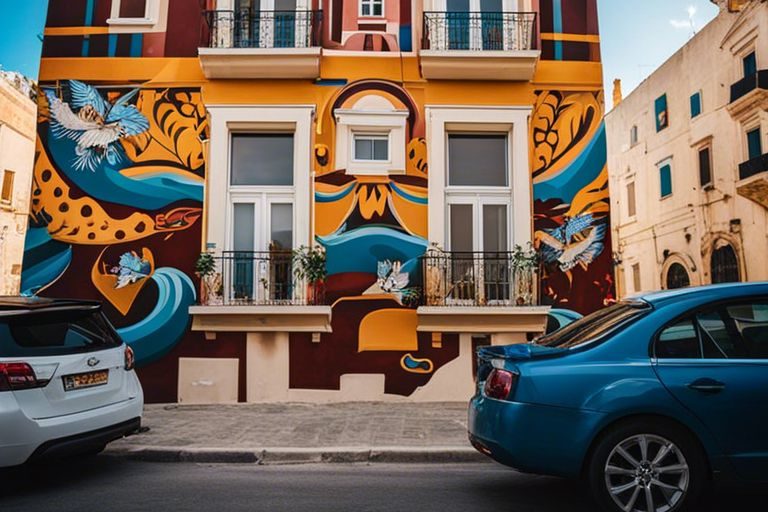
Many visitors to Malta may not be aware of the vibrant street art scene that adorns the walls and alleys of this beautiful Mediterranean island. In recent years, Malta has become a hub for urban culture enthusiasts looking to explore the creativity and expression found in its streets.
From the bustling streets of Valletta to the hidden corners of Sliema, Malta’s street art offers a glimpse into the contemporary art scene of the island. This guide will take you on a journey through Malta’s urban landscape, uncovering the most impressive murals, the most influential artists, and the stories behind the art that make up Malta’s street art culture.
Whether you're a seasoned art enthusiast or simply curious about the creative side of Malta, this guide will provide you with insider tips on where to find the best street art, how to appreciate the diverse styles on display, and why exploring Malta’s urban culture is an necessary part of any visit to this charming island nation.





















The Evolution of Street Art in Malta
Historical Influences
The history of street art in Malta is a rich tapestry woven through various influences. Malta’s long history of being conquered and ruled by different civilizations such as the Phoenicians, Romans, Arabs, Normans, Knights of St. John, French, and British has created a unique cultural melting pot. This rich heritage has played a significant role in shaping the artistic landscape of the country, providing a diverse backdrop for the development of street art.
The traditional Maltese craft of “qahwa”, intricate street decorations made from colored sawdust and flower petals, has also had an influence on the local street art scene. The vibrant colors and detailed designs seen in qahwa have inspired many street artists in Malta, contributing to the unique visual language of the country’s urban art.
The modern street art movement in Malta has also been influenced by international trends, with local artists drawing inspiration from global street art capitals like London, Berlin, and New York. This cross-pollination of ideas has led to a dynamic and evolving street art scene in Malta, blending local traditions with contemporary styles.
From Vandalism to Acceptance
An important milestone in the evolution of street art in Malta has been the shift from viewing graffiti and street art as vandalism to recognizing it as a legitimate form of artistic expression. In recent years, there has been a growing acceptance and appreciation for street art as a valuable cultural asset, with many local authorities commissioning murals and street art projects to enhance public spaces.
Local street artists have played a crucial role in this transformation, using their talent and creativity to beautify neighborhoods and raise awareness about social and environmental issues. Through their work, they have helped to change perceptions about street art, demonstrating its power to inspire, provoke thought, and bring communities together.
With increased recognition and support from the government and the public, the street art scene in Malta is flourishing. Street art festivals, workshops, and exhibitions are becoming more common, providing opportunities for both established and emerging artists to showcase their creativity and contribute to the cultural vibrancy of the island.
The Various Types of Street Art Found in Malta
While exploring the vibrant streets of Malta, one can encounter a diverse range of street art forms that contribute to the urban culture of the island. These artworks are not only visually captivating but also reflect the socio-political issues, cultural heritage, and artistic expressions of the local community.
| Murals and Large-Scale Works | Graffiti and Tags |
| Stencil Art and Sticker Art | Sculptures and Installations |
| Digital Projections and Light Art |
Murals and Large-Scale Works
Malta is known for its impressive murals and large-scale works that adorn the walls of buildings, alleys, and public spaces. These artworks often feature intricate details, bold colors, and powerful messages that resonate with viewers. Artists use this form of street art to make bold statements and beautify urban landscapes.
After appreciating the murals in Malta, one can see how they have transformed ordinary spaces into vibrant showcases of creativity and talent. These large-scale works serve as landmarks and cultural symbols that add character to the streets.
Graffiti and Tags
The streets of Malta are also adorned with graffiti and tags, which represent a more raw and spontaneous form of expression. While graffiti is often associated with rebelliousness and urban underground culture, tags serve as the artist's signature or mark. Despite their controversial nature, these forms of street art contribute to the overall visual tapestry of the city.
The graffiti and tags found in Malta showcase the diverse talents and perspectives of local artists. While some may view them as vandalism, others appreciate them as authentic expressions of creativity and individuality.
Stencil Art and Sticker Art
With the rise of stencil art and sticker art, Malta's street art scene has evolved to include more intricate and detailed works. Artists use stencils to create repetitive patterns or elaborate designs, while stickers are used to add a touch of whimsy to urban spaces.
Works created using stencils and stickers often convey meaningful messages or thought-provoking images that prompt viewers to reflect on various social issues. These smaller-scale artworks showcase the versatility and creativity of street artists in Malta.
Sculptures and Installations
One can also find sculptures and installations scattered throughout Malta's streets, offering a tactile and immersive experience for viewers. These three-dimensional artworks range from small sculptures to larger installations that interact with the surrounding environment.
Large-scale sculptures and installations in Malta provide a unique opportunity for artists to engage with the public and create interactive art pieces that spark conversations and contemplation. These artworks challenge traditional notions of art and invite viewers to experience creativity in a new way.
Digital Projections and Light Art
Any discussion of street art in Malta would be incomplete without mentioning digital projections and light art, which add a dynamic and futuristic element to urban spaces. Artists use technology to project images and animations onto buildings, creating a mesmerizing spectacle of light and color.
Light art installations in Malta often transform ordinary structures into dazzling displays that captivate audiences and invite them to see the city in a new light. These digital interventions blur the line between art and technology, offering a sensory experience that is both visually striking and thought-provoking.
Exploring Urban Culture in Malta
Interaction of Street Art with Maltese Culture
Many street artists in Malta draw inspiration from the rich history and cultural heritage of the island. The intricate designs and vibrant colors often seen in Maltese street art reflect the country's diverse influences, including Phoenician, Roman, Arab, Norman, and British. Artists use the walls of buildings as their canvas to tell stories of Malta’s past and present, creating a unique blend of traditional and contemporary art.
Culture: The fusion of traditional Maltese elements with modern street art has become a symbol of cultural pride and identity for many Maltese people. It serves as a platform for artists to express their views on societal issues and celebrate the island’s heritage in a creative and visually impactful way.
Impact: This interaction between street art and Maltese culture has not only transformed the urban landscape but also sparked important conversations about history, identity, and social issues within the community.
Street Performances and Music
There's a vibrant street performance scene in Malta, with musicians, dancers, and other performers entertaining locals and tourists alike in popular urban hubs. From traditional Maltese folk music to contemporary genres, the streets come alive with the sounds of talented performers showcasing their skills and adding to the dynamic urban atmosphere.
Urban Fashion and Lifestyles
Any exploration of urban culture in Malta would be incomplete without delving into the world of urban fashion and lifestyles. Young Maltese individuals are increasingly embracing urban streetwear trends, blending international styles with local influences to create a unique fashion identity. From street markets to boutique stores, urban fashion has carved a niche for itself in Malta's urban landscape.
Malta: The rise of urban fashion in Malta has not only influenced the way people dress but also the way they express themselves creatively and navigate the urban environment. It has become a form of self-expression and a means of connecting with like-minded individuals who share a passion for urban culture.
The Impact of Tourism on Urban Culture
Now a popular tourist destination, Malta's urban culture has been significantly impacted by the influx of visitors seeking to explore the island's historical sites, beautiful beaches, and vibrant urban scene. The integration of tourists into local urban spaces has led to a cultural exchange, with visitors bringing new perspectives and experiences that shape Malta's evolving urban identity.
Impact: While tourism has brought economic benefits to the island, it has also raised concerns about the preservation of Malta's cultural heritage and authenticity in the face of increasing commercialization and development. Striking a balance between catering to tourists and safeguarding the integrity of Malta's urban culture remains a challenge for local authorities and residents.
A Step-by-Step Guide to Discovering Maltese Street Art
Once again, exploring Malta's vibrant street art scene can be an exciting and enriching experience. To make the most out of your journey, follow this step-by-step guide to discovering the best of Maltese urban culture.
| Planning Your Route | Best Times to Visit Street Art Locations |
| Your exploration of Malta's street art should begin with thorough research and planning. Look up popular street art hotspots and create a route that allows you to visit multiple locations in a day. | Step by step, plan your visits to street art locations during the early morning or late afternoon to avoid the harsh midday sun. This will not only make your experience more comfortable but also provide the best lighting for capturing the artwork. |
Planning Your Route
Your exploration of Malta's street art should begin with thorough research and planning. Look up popular street art hotspots and create a route that allows you to visit multiple locations in a day. Consider transportation options such as walking, biking, or public transport to move between sites efficiently. Keep in mind the opening hours of any galleries or museums you might want to visit along the way. By planning your route in advance, you can make the most out of your time and ensure you don't miss any must-see pieces.
Best Times to Visit Street Art Locations
Step by step, plan your visits to street art locations during the early morning or late afternoon to avoid the harsh midday sun. This will not only make your experience more comfortable but also provide the best lighting for capturing the artwork. Additionally, visiting during these off-peak hours can help you avoid crowds, allowing you to immerse yourself fully in the beauty of the street art. Take advantage of the quieter times to appreciate the details and meanings behind each piece.
Times when the light is softer, such as early morning or late afternoon, can enhance the colors and details of the street art, making your photos more vibrant and captivating. Be mindful of any scheduled events or festivals that might draw larger crowds to these locations, and plan your visits accordingly to enjoy a more serene experience.
Cultural Etiquette and Respect
One of the most important aspects of exploring Malta's street art scene is respecting the artists and their work. Avoid touching or vandalizing the artwork, and always ask for permission before taking photos if the artist is present. Be mindful of your surroundings and avoid blocking pathways or causing disturbances to the local community. Remember that street art is a form of expression and should be appreciated with respect and consideration for the artists and their creative vision.
Tools for a Better Experience
Experience Malta's street art scene to the fullest by bringing important tools such as a camera or smartphone to capture the vibrant artwork. Consider bringing along a notebook to jot down the locations or artists' names for reference later. Comfortable walking shoes, sunscreen, and a reusable water bottle are also important items to ensure a pleasant and safe exploration of the city's urban art landscape.
Tips for Photographing Street Art in Malta
Not only is Malta a treasure trove of vibrant street art, but it also offers a unique backdrop of historical buildings and stunning landscapes to juxtapose with the modern urban artworks. To capture the essence of Malta’s street art scene through your lens, here are some important tips for photographing street art in Malta.
Understanding Lighting and Composition
There's no denying the impact that lighting has on photography, especially when capturing the colors and textures of street art. In Malta, the intense Mediterranean sunlight can create harsh shadows and overexposure. To combat this, visit the street art sites during the golden hours of sunrise and sunset for softer, more flattering light. Experiment with different angles and perspectives to create dynamic compositions that highlight the details and scale of the artworks.
Permission and Legal Considerations
To ensure a smooth and ethical photography experience in Malta, it is crucial to obtain permission before photographing street art, especially if the artwork is on private property. Local artists and communities invest time and effort into creating these murals, and respecting their work by seeking permission shows your appreciation for their art. Additionally, be aware of any legal restrictions regarding photography in certain areas to avoid any potential conflicts.
To further enhance your understanding of the legalities surrounding street art photography in Malta, research the local regulations and guidelines regarding public art documentation. This will not only help you navigate the streets confidently but also foster a sense of respect and collaboration with the local street art community.
Editing and Sharing Your Photographs Respectfully
There's an art to editing and sharing street art photographs responsibly. While enhancing your images through editing software can bring out the vibrant colors and intricate details of the artwork, it is important to respect the original intent of the artist. Avoid overly manipulating the photos to the point where they misrepresent the artwork, and always credit the artist when sharing your photographs on social media or public platforms.
Legal implications can arise if you infringe upon the intellectual property rights of the street artist by misrepresenting or profiting from their work without consent. By editing and sharing your street art photographs respectfully, you not only showcase your photography skills but also uphold the integrity of the street art culture in Malta.
Tips from Local Photographers
- Lighting: Pay attention to the natural light conditions and how they interact with the street art to capture the best shots.
- Composition: Experiment with different angles, perspectives, and framing techniques to create visually engaging photographs.
- Respect: Always seek permission and give credit to the artists whose work you are photographing.
Though capturing street art in Malta may present its challenges, the rewards of documenting these vibrant murals and graffiti are immeasurable. By following these tips and guidelines, you can not only improve your street art photography skills but also contribute positively to the urban art culture in Malta.
Factors Influencing the Development of Malta's Urban Culture
Socioeconomic Influences
After analyzing the development of Malta's urban culture, it becomes evident that socioeconomic factors play a significant role. The economic status of a community directly impacts the resources available for artistic endeavors. Income inequality, access to education, and job opportunities all contribute to the vibrancy of urban art scenes. Additionally, gentrification can lead to the displacement of artists and the homogenization of neighborhoods, impacting the diversity of expression in urban art.
Any efforts to support local artists and provide accessible spaces for creative expression are necessary in fostering a dynamic urban culture. By addressing underlying socioeconomic disparities, Malta can create an environment where artists from all backgrounds can thrive and contribute to the cultural landscape.
Political and Legislative Factors
Some political and legislative decisions can either enable or hinder the growth of urban culture. Policies related to public art funding, permission processes for street art, and preservation of cultural heritage all shape the urban artistic scene. Furthermore, government support for initiatives that promote artistic diversity and community engagement can have a significant impact on the development of urban culture.
- Government support
- Public art funding
- Cultural heritage preservation
After addressing the regulatory frameworks and political climate, Malta can create a conducive environment for the growth of urban culture, ensuring that diverse artistic expressions have the space to flourish.
Role of Local Communities and Organizations
Communities and organizations play a crucial role in shaping the urban culture of Malta. By fostering collaboration between artists, providing creative spaces for expression, and organizing cultural events, local initiatives can enrich the artistic landscape. These grassroots efforts help create a sense of belonging and pride within communities, fostering a vibrant urban culture.
For instance, community-led mural projects and neighborhood clean-ups not only beautify urban spaces but also create opportunities for residents to engage with local artists and contribute to the cultural fabric of their surroundings.
Influence of International Trends
Now, more than ever, Malta's urban culture is influenced by international trends in street art and urban expression. Global movements, such as graffiti art festivals and public art installations, shape the creative landscape and inspire local artists to experiment with new techniques and styles. The exchange of ideas and collaboration with artists from around the world enriches Malta's urban culture and brings a diverse range of artistic influences.
Trends in street art and urban culture are constantly evolving, and staying attuned to global developments can help Malta's artistic community remain relevant and innovative in a rapidly changing world.
Pros and Cons of Street Art in Malta
| Pros of Street Art in Malta | Cons of Street Art in Malta |
|---|---|
| Enhances urban aesthetics | Can be seen as vandalism |
| Encourages community engagement | Legal issues and fines |
| Supports local artists | Poses challenges for conservation and urban development |
| Acts as a platform for social commentary | Can perpetuate negative stereotypes |
| Boosts tourism and cultural identity | Resource-intensive to maintain |
| Promotes creativity and expression | May not always align with local regulations |
The Positive Impacts on Community and Space
Street art in Malta positively impacts the community and urban space in various ways. It fosters a sense of belonging and pride among residents, as they witness their neighborhoods transform into vibrant art galleries. Engaging with street art can also spark conversations and interactions among people, creating a stronger sense of community and social cohesion.
Furthermore, street art provides a platform for local artists to showcase their talents and gain recognition, contributing to the cultural landscape of Malta. This form of public art attracts tourists and locals alike, adding to the city's appeal and making it a more visually stimulating place to live and visit.
The presence of street art also revitalizes neglected or rundown urban areas, transforming them into shared spaces that encourage public engagement and interaction. Overall, the positive impacts of street art on the community and space are undeniable, contributing to a more vibrant and lively urban environment.
The Negative Stigma and Legal Issues
An ongoing challenge for street art in Malta is the negative stigma associated with it, often seen as a form of vandalism rather than art. This perception can lead to legal issues, fines, and conflicts with authorities who view street art as unauthorized and disruptive to public spaces.
Understanding the legal frameworks around street art in Malta is crucial for artists and enthusiasts to navigate the complexities of permissions and regulations. While some may appreciate the spontaneity and creativity of street art, others perceive it as a threat to urban order and aesthetics, leading to restrictions and skepticism towards this form of expression.
In navigating the negative stigma and legal challenges surrounding street art in Malta, there is an opportunity for dialogue and collaboration between artists, communities, and authorities to find common ground that respects the artistic freedom while addressing concerns about public space and legality.
Conservation of Artwork vs. Urban Development
While street art in Malta enriches the urban landscape, the conservation of these artworks poses challenges in the face of urban development and gentrification. As cities evolve and grow, there is a risk of artistic heritage being erased or destroyed in the name of progress.
Street art's ephemeral nature means that artworks are subject to wear and tear, requiring ongoing maintenance and preservation efforts to ensure their longevity. Balancing the need to conserve these cultural assets with the demands of development and urban renewal is a delicate challenge faced by local authorities and communities.
One approach to addressing the conservation of street art in Malta is to integrate these artworks into urban planning and development projects, preserving them as valuable heritage while enhancing the cultural and aesthetic appeal of the city. This strategy requires a collaborative effort from various stakeholders to balance the artistic and developmental aspects of urban spaces.
Street Art’s Role in Social Commentary and Change
Street art in Malta serves as a powerful tool for social commentary and catalyst for change. Artists use public spaces to express political views, social injustices, and cultural identities, sparking conversations and raising awareness among the public.
How to Respect and Support the Street Art Community
Engaging with Local Artists and Collectives
Street art is a vibrant form of expression that thrives on community engagement and support. All visitors to Malta can contribute positively to the street art scene by engaging with local artists and collectives. Take the time to learn about the artists behind the murals and graffiti, their inspirations, and the stories they want to tell through their art. By showing genuine interest and respect for their work, you not only support the artists but also help foster a deeper connection to the local street art culture.
Participating in Workshops and Events
Now is the time to immerse yourself in Malta's vibrant urban culture by participating in workshops and events organized by local street art collectives. These activities provide a hands-on experience that allows you to learn about different techniques, styles, and the creative process involved in street art. Whether you're a beginner or a seasoned artist, these workshops offer a unique opportunity to engage with the local art community and contribute to the thriving street art scene in Malta.
This hands-on approach not only enhances your understanding and appreciation of the craft but also allows you to connect with like-minded individuals who share a passion for street art. By participating in these workshops and events, you are supporting the local street art community and helping to sustain its growth and vitality.
Contributing to Preservation Efforts
This section focuses on the importance of contributing to preservation efforts to safeguard Malta's street art heritage for future generations. As street art is often temporary and subject to the elements, it is crucial to support initiatives that aim to protect and conserve these urban artworks. By getting involved in preservation projects, you can help ensure that the cultural significance and artistic value of street art are recognized and preserved.
While street art is inherently ephemeral, there are ways to document and promote its legacy through photography, digital archiving, and advocacy for its recognition as a legitimate art form. By actively participating in preservation efforts, you contribute to the longevity and appreciation of street art in Malta, empowering the local community and artists to continue creating and inspiring others.
Cultural Appreciation vs. Cultural Appropriation
To truly respect and support the street art community in Malta, it is vital to understand the difference between cultural appreciation and cultural appropriation. Cultural appreciation involves recognizing and valuing the artistic, historical, and social context of street art without exploiting or misrepresenting it. It involves engaging with the art form in a respectful manner, acknowledging its cultural roots, and supporting the communities from which it derives.
If individuals or organizations seek to engage with street art for commercial gain or personal benefit without regard for its cultural significance or the communities it represents, it can lead to cultural appropriation. This harmful practice exploits marginalized communities and dilutes the authenticity of the art form. As responsible global citizens, it is imperative to educate ourselves about the impact of our actions and choices on the street art community and to ensure that our interactions are based on respect, appreciation, and ethical engagement.
The Future of Street Art and Urban Culture in Malta
Emerging Artists and New Movements
Unlike other larger cities known for their street art scenes, Malta is still in the process of cultivating its own community of emerging artists and new movements. The island's small size and unique cultural influences have resulted in a diverse range of artistic styles emerging in recent years. From traditional graffiti to stencil art and muralism, Maltese street artists are experimenting with different techniques and themes, adding a fresh perspective to the local urban art scene.
The younger generation of artists is embracing technology and social media to showcase their work and connect with a wider audience. Platforms like Instagram and Facebook have become virtual galleries for these artists, allowing them to gain recognition beyond the confines of traditional art spaces. This digital age has enabled collaborations and cross-cultural exchanges that were previously limited by geographical boundaries, opening up new possibilities for the future of street art in Malta.
As these emerging artists continue to push boundaries and explore new artistic frontiers, Malta's street art scene is poised for exciting growth and evolution. By embracing innovation and new technologies, these artists are redefining what street art means in the digital age and shaping the future of urban culture on the island.
The Role of Technology and Innovation
There's no denying that technology and innovation play a crucial role in shaping the future of street art and urban culture in Malta. Artists are increasingly incorporating digital tools and techniques into their practice, blurring the lines between traditional and contemporary art forms. Augmented reality, interactive installations, and digital mapping are just a few examples of how technology is being harnessed to create immersive and dynamic street art experiences.
The use of technology extends beyond the creation process, influencing how street art is consumed and experienced by audiences. Art tours guided by augmented reality apps, online galleries showcasing digital street art, and interactive street art festivals are transforming the way people engage with urban art. These innovative approaches are not only democratizing art but also attracting a new generation of art enthusiasts and cultural tourists to Malta.
Potential for Art, Culture, and Tourism Synergy
Synergy between art, culture, and tourism presents a significant opportunity for Malta to position itself as a vibrant cultural hub in the Mediterranean. The island's rich history, stunning landscapes, and burgeoning art scene create a unique blend that has the potential to attract art lovers and tourists alike. Collaborations between local artists, cultural institutions, and the tourism sector can further enhance Malta's appeal as a destination for art and culture enthusiasts.
Innovation in curating street art events, leveraging digital platforms for cultural promotion, and incorporating art into public spaces can foster a dynamic ecosystem that benefits artists, residents, and visitors. By harnessing the synergies between art, culture, and tourism, Malta can unlock new economic opportunities, revitalize urban areas, and cultivate a strong sense of community pride and identity.
Environmental Considerations and Sustainability
For the future of street art and urban culture in Malta to thrive sustainably, environmental considerations must be integrated into artistic practices and city planning. Street art that promotes environmental awareness, sustainability, and conservation can serve as a powerful tool for raising awareness about pressing environmental issues and inspiring positive change. Artists can use their platform to advocate for eco-friendly practices and contribute to a more sustainable future for Malta.
FAQs
What is the history of street art in Malta?
Malta’s street art scene is influenced by its rich history, with cultural elements from various civilizations like the Phoenicians, Romans, and British, creating a unique artistic landscape.
Where can I find the best street art in Malta?
The best street art can be found in the bustling streets of Valletta, the hidden corners of Sliema, and other urban areas across the island.
How has street art evolved in Malta?
Street art in Malta has evolved from being seen as vandalism to a celebrated form of artistic expression, with local authorities and the public now recognizing its cultural value.
What types of street art can I see in Malta?
Malta features a variety of street art forms, including murals, graffiti, stencil art, sculptures, and digital projections, each reflecting the island’s diverse artistic influences.
Are there street art tours available in Malta?
Yes, guided street art tours are available, offering insights into the most significant artworks, the artists behind them, and the cultural context of Malta's urban art scene.

Michael
With nearly 30 years in corporate services and investigative journalism, I head TRIDER.UK, specializing in deep-dive research into gaming and finance. As Editor of Malta Media, I deliver sharp investigative coverage of iGaming and financial services. My experience also includes leading corporate formations and navigating complex international business structures.
Related Posts
Malta luxury travel demand rises
April 11, 2026

Spring travel trends favor Malta
April 10, 2026
Malta welcomes older travellers
April 9, 2026
Malta’s heritage in spring
April 8, 2026
Malta spring tourism campaigns
April 7, 2026
Spring travel lifts Malta operators
April 6, 2026
Spring culture fuels Malta tourism
April 4, 2026
Airbnb demand rises in Malta spring
April 3, 2026