AML audits now mandatory for certain high-risk operators
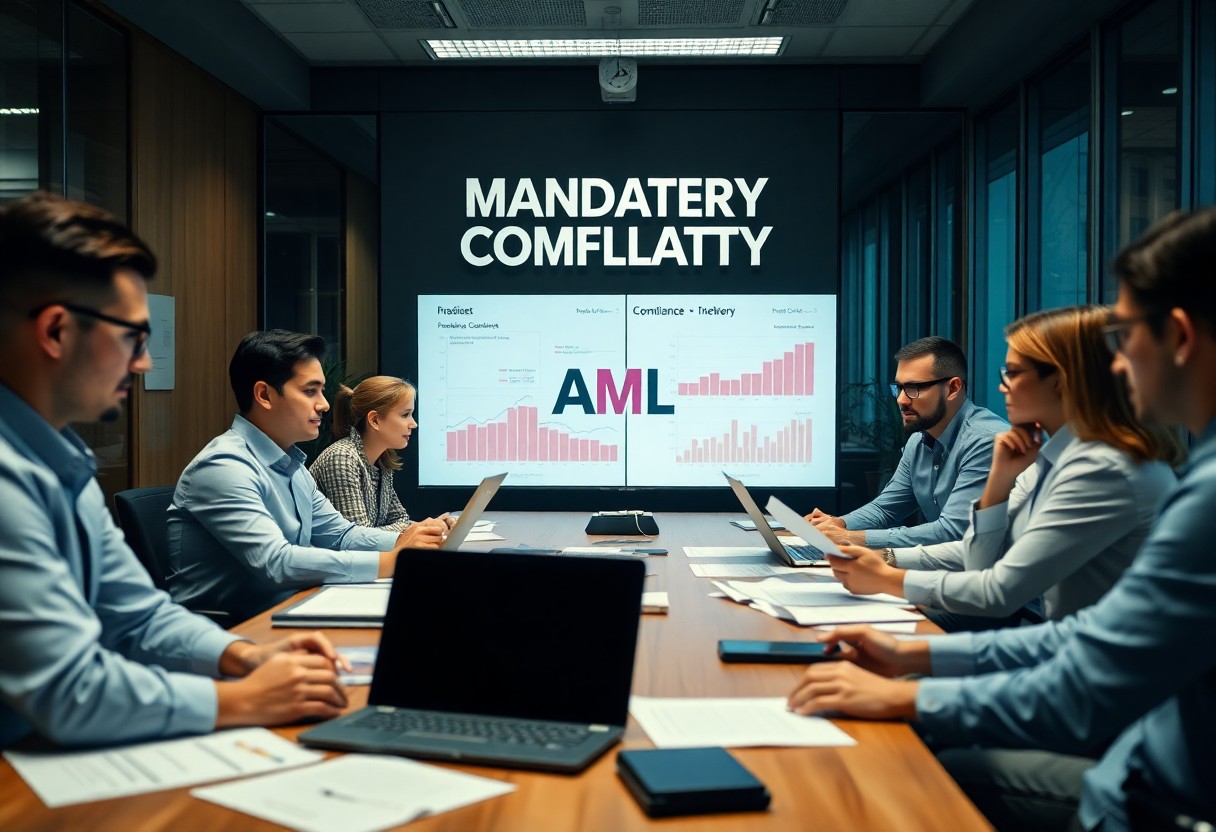
With new regulatory measures implemented, anti-money laundering (AML) audits have become mandatory for specific high-risk operators across various industries. This initiative aims to strengthen compliance and mitigate the risks associated with financial crimes. Organizations classified as high-risk must now undergo comprehensive audits to ensure adherence to AML regulations, promoting transparency and accountability in their operations. As the landscape of financial regulation evolves, understanding these requirements is important for maintaining organizational integrity and avoiding potential penalties.
The Catalyst for Change: Regulatory Shifts in AML Requirements
Historical Context of AML Regulations
The foundation of anti-money laundering regulations dates back to the 1980s, driven by international efforts to combat drug trafficking and the increase in financial crimes. The Bank Secrecy Act of 1970 in the U.S. established key reporting requirements, setting the stage for stricter measures in subsequent decades. Significant legislative milestones, such as the USA PATRIOT Act post-9/11, expanded the scope of AML compliance and increased accountability for financial institutions worldwide.
The Rise of High-Risk Operators and Their Impact
The emergence of high-risk operators, particularly in sectors like cryptocurrency, gambling, and luxury goods, has exponentially intensified the scrutiny of AML regulations. These entities often exhibit complex transaction patterns that create vulnerabilities to money laundering and terrorist financing.






















High-risk operators, due to their innovative yet opaque business models, present unique challenges for regulators. For instance, the cryptocurrency market has grown to over $2 trillion, prompting concerns about its potential misuse for illicit activities. Similarly, the gambling industry, with its rapid online expansion, has been linked to numerous high-profile money laundering cases, illustrating the need for enhanced oversight. As a result, regulatory bodies are pushing for stringent AML audits, ensuring these high-risk operators are held to rigorous compliance standards to mitigate financial crime risks effectively.
Identifying High-Risk Operators: Who Falls Under the New Mandate?
Characteristics and Sectors of High-Risk Operators
High-risk operators typically belong to sectors such as gaming, finance, real estate, and certain import/export businesses. Characteristics include large cash transactions, geographical exposure to high-risk jurisdictions, and services that are difficult to monitor. For instance, online gambling platforms often attract scrutiny due to their opaque nature and the potential for laundering funds.
Criteria for Determining Risk Levels
Risk levels are assessed based on various factors, including transaction volume, customer demographics, and the nature of services offered. Operators displaying patterns indicative of potential money laundering, such as rapid fund movement without clear sourcing, are flagged as high-risk. Specific thresholds have been established, such as annual transaction volumes exceeding certain amounts, which trigger mandatory audits.
Additionally, regulatory bodies may consider historical data, adverse media coverage, and previous compliance issues when determining risk levels. For example, a financial institution with a history of regulatory sanctions may receive a higher risk rating, warranting more intensive oversight. Monitoring systems must be robust enough to adapt to the evolving landscape of risk factors, ensuring that high-risk operators are accurately identified and audited as necessary.
The Mechanics of AML Audits: What to Expect
Core Components of an AML Audit
AML audits typically encompass several core components, including risk assessments, transaction monitoring, internal controls, and compliance testing. Auditors will evaluate the effectiveness of existing AML programs, assess customer due diligence processes, and review employee training records. The examination of suspicious activity reports (SARs) is also fundamental, ensuring that organizations are properly identifying and reporting potential money laundering activity in accordance with regulatory expectations.
Key Stakeholders Involved in the Audit Process
Various stakeholders play a vital role in the AML audit process, including compliance officers, internal auditors, external auditors, and regulatory agencies. Collaboration among these parties facilitates a comprehensive and effective audit that addresses regulatory requirements and operational shortcomings. Each stakeholder contributes unique insights and expertise, enhancing the quality and scope of the audit.
Compliance officers lead the charge by ensuring that the organization's policies align with regulatory standards. Internal auditors assess adherence to these policies while identifying areas for improvement. External auditors bring an independent perspective, often revealing insights missed internally. Regulatory agencies oversee compliance and may offer guidance or impose sanctions if deficiencies are found. Together, these stakeholders create a multifaceted approach to AML audits, reinforcing the integrity of financial systems.
The Cost of Compliance: Financial Implications for High-Risk Operators
Direct Costs of Implementing AML Audits
Implementing AML audits entails direct expenditures that can significantly impact a high-risk operator's budget. Costs arise from hiring specialized compliance personnel, investing in technology solutions for transaction monitoring, and engaging third-party audit firms. For example, establishing a robust AML framework can exceed $100,000 annually for mid-sized entities, depending on the complexity and volume of transactions.
Potential Indirect Costs and Economic Impact
Indirect costs associated with AML compliance often manifest in the form of operational disruptions and reduced revenue opportunities. High-risk operators may face increased scrutiny from regulators, leading to longer transaction processing times and potential business losses. The broader economic impact includes diminished investor confidence and a possible downturn in market presence, especially if compliance issues result in reputational damage.
The implications of potential indirect costs are substantial. A 2022 study revealed that businesses facing compliance challenges reported a 10-20% decrease in new client acquisitions due to perceived risk. Furthermore, regulatory penalties can lead to erosion of profit margins. Companies might also divert resources from growth-oriented initiatives to address compliance, stunting innovation and market competitiveness. Overall, the financial landscape for high-risk operators is heavily shaped by these indirect consequences, underscoring the need for strategic compliance investment.
Navigating the Audit Process: Best Practices for High-Risk Operators
Preparation Strategies for a Successful Audit
Establishing robust internal controls and maintaining comprehensive documentation are vital preparation strategies for a successful AML audit. High-risk operators should conduct regular self-assessments, ensuring policies align with current regulations and identifying any gaps. Training personnel on audit protocols and AML processes promotes awareness, while simulations can enhance readiness. Additionally, engaging external consultants for a pre-audit review can unearth potential weaknesses, paving the way for better outcomes during official audits.
Common Pitfalls and How to Avoid Them
Lack of preparation, inadequate documentation, and insufficient employee training frequently lead to audit failures. Operators often underestimate the importance of continuous compliance monitoring and neglect to keep abreast of regulatory changes. Establishing a culture of compliance and regularly updating procedures can significantly improve audit performance. A proactive approach, such as frequent internal audits and external reviews, can mitigate risks associated with these common pitfalls.
High-risk operators frequently overlook the importance of meticulous record-keeping, leading to discrepancies during audits. Failure to maintain complete transactional records, for instance, can draw scrutiny and result in regulatory penalties. Inadequate training of staff on AML policies often leads to misinterpretation during audits, exacerbating compliance issues. Conducting routine training sessions can ensure employees are well-versed in current regulations and audit expectations. Implementing a continuous monitoring system will also help operators identify deficiencies early, thus fostering a stronger compliance environment and reducing risks associated with non-compliance.
The Future of AML Audits: Evolving Standards and Technologies
Innovations in AML Compliance Solutions
New technologies are transforming AML compliance, with machine learning and artificial intelligence leading the charge. These innovations allow organizations to automate transaction monitoring, detecting anomalous patterns that may signal money laundering activities more efficiently than traditional methods. Solutions such as real-time analytics and blockchain for transparent transactions provide operators with proactive tools to bolster their compliance frameworks, enhancing both speed and accuracy in audits.
Anticipated Changes in Regulatory Frameworks
Regulatory frameworks surrounding AML audits are expected to undergo significant changes as jurisdictions respond to evolving threats. Governments are likely to impose stricter compliance requirements while increasing penalties for non-compliance. Furthermore, the introduction of unified global standards could streamline AML processes, making it easier for organizations to align their practices across different regions. Such changes may also emphasize a risk-based approach to compliance, allowing high-risk operators to customize their strategies more effectively.
The shift towards unified global standards could significantly affect how firms approach AML compliance. For instance, the Financial Action Task Force (FATF) is anticipated to influence regulatory adjustments by promoting best practices across member countries. Increased collaboration among international regulatory bodies may lead to harmonized reporting requirements, facilitating compliance for multinational firms. Additionally, jurisdictions may enhance technological requirements such as automated reporting systems, pushing operators towards innovative solutions while maintaining transparency in their operations.
Real-World Implications: Stakeholder Reactions and Adjustments
Perspectives from High-Risk Operators
High-risk operators express concern over the added financial burden of mandatory AML audits. Many have reported significant increases in compliance costs, potentially impacting operational budgets. Some operators fear the audits could stifle innovation, as resources are redirected towards fulfilling regulatory requirements rather than improving services or expanding their offerings.
Responses from Regulatory Agencies and Law Enforcement
Regulatory agencies and law enforcement view the implementation of mandatory AML audits as a necessary step to combat financial crime. They emphasize the importance of these audits in identifying suspicious activities and ensuring compliance with existing laws. Increased collaboration between agencies is expected to enhance the effectiveness of audits and investigations.
Following the announcement of mandatory AML audits, regulatory agencies have ramped up guidance and resources for compliance, offering workshops and seminars to educate operators. Law enforcement has pledged to support these initiatives by sharing intelligence to help identify high-risk patterns and organizations, ensuring a more robust framework for detecting and preventing money laundering. This proactive approach aims to strengthen the overall integrity of the financial system while holding high-risk operators accountable.
Summing up
Presently, AML audits have become a mandatory requirement for specific high-risk operators, marking a significant step in strengthening anti-money laundering frameworks. This regulation aims to enhance transparency and compliance, ensuring that vulnerable sectors are monitored effectively. By enforcing regular audits, authorities can better detect and mitigate risks associated with financial crimes, fostering a more secure economic environment. Operators must adapt to these mandates swiftly to avoid penalties and maintain operational integrity.
FAQ
Q: What entities are considered high-risk operators required to undergo AML audits?
A: High-risk operators include financial institutions, real estate agencies, casinos, and certain online platforms that deal with cryptocurrencies or high-value transactions. These entities typically have a higher exposure to money laundering and terrorist financing activities.
Q: What are the main objectives of implementing mandatory AML audits for high-risk operators?
A: The main objectives are to enhance the detection and prevention of money laundering activities, ensure compliance with regulatory requirements, and safeguard the integrity of the financial system. Mandatory AML audits help authorities identify vulnerabilities and potential risks within these operators.
Q: How often must high-risk operators conduct these AML audits?
A: High-risk operators must conduct AML audits annually or more frequently if deemed necessary by regulatory authorities. The frequency may vary based on the operator's risk profile and any changes in the regulatory landscape.

Claire
A highly motivated, results-driven, enthusiastic and ambitious writer. I can offer you well researched and high-quality article writing on any topic for your website or blog and can as well re-write your existing web content.
Related Posts





Italy reconsiders gambling ad ban to boost football funding
April 10, 2026

KSA flags Unibet operator Optdeck for AML non‑compliance
April 10, 2026