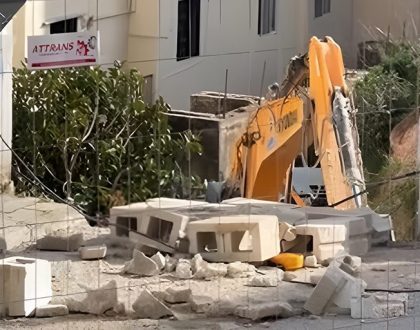
Marsaxlokk promenade project exceeds budget by €2 million

Cost overruns and project delays have become a recurring issue in Malta’s public infrastructure sector. Taxpayers frequently bear the burden of unforeseen expenses, raising concerns about financial accountability and efficient resource management. One recent example is the Marsaxlokk promenade renovation project, which significantly exceeded its initial budget. According to official records published in the Government Gazette, the project, initially budgeted at €4 million, ultimately cost €6 million, reflecting an overrun of €2 million.
The financial mismanagement of public projects continues to fuel skepticism among citizens regarding the government's ability to execute large-scale developments within the approved financial parameters. The Marsaxlokk promenade, a key coastal development aimed at enhancing tourism and local infrastructure, has now become a symbol of questionable fiscal oversight.
Initial budgeting and public tender process
The Marsaxlokk promenade project was initially awarded to Schembri Barbros Limited following a public tender process. The company secured the contract by offering the lowest bid, which was approximately €4 million. Under standard procurement regulations, awarding the contract to the lowest bidder is common practice, but such decisions often come with risks.





















In many instances, companies submit competitive bids that fall below the estimated project costs to secure the contract. However, as projects progress, contractors may request additional funds for unforeseen expenses, leading to significant cost overruns. This practice, often referred to as “below-threshold bidding,” is controversial because it can lead to situations where public funds are stretched beyond the initially allocated budget.
Escalating costs and project delays
Three years after the project’s official inauguration by Prime Minister Robert Abela, financial disclosures revealed that the final cost of the promenade revamp was €6 million, an increase of 50% from the originally awarded budget. The significant rise in expenses has raised questions about the government's planning and oversight mechanisms in managing large-scale projects.
As the project advanced, the Grand Harbour Regeneration Corporation (GHRC), the entity responsible for overseeing its execution, approved additional works. These extra works, according to GHRC, were essential for completing the project according to the desired specifications.
Justifications for the additional €2 million
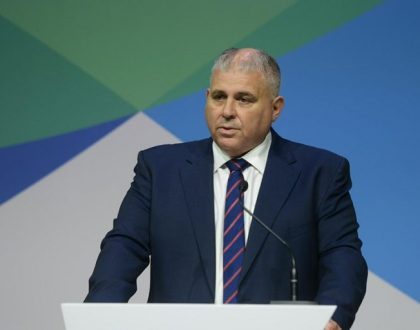
Defending the increased expenditure, GHRC CEO and former Labour MP Gino Cauchi stated that the final published costs did not reflect the “descoping amounts” from the original contract. He further explained that factors such as legal compensation schemes and changes in project scope played a significant role in the increased expenditure.
He emphasized that “when you factor in these adjustments, as well as the compensation scheme under LN 203/2022 and relevant DOC circulars, the actual variation from the original contract is less than 6%, primarily due to unforeseen additional works related to unforeseen circumstances.”
Despite these explanations, critics argue that the frequent need for modifications and additional funding requests indicates a lack of foresight and proper planning in Malta's public projects.
Delayed approval of extra funding
One of the more contentious aspects of this budget overrun was the delay in approving the extra €2 million. The promenade was inaugurated more than two years before the final cost approval was made public. This prolonged delay has led to concerns regarding procedural transparency and financial accountability in public project execution.
Cauchi attributed the delay to bureaucratic processes, explaining that final financial disclosures occur only after all stakeholders reach an agreement on project modifications. If disputes arise regarding additional expenses, projects can face arbitration or legal challenges, further delaying the official publication of final costs. While this procedural justification may hold merit, it does little to alleviate concerns about public funds being spent without sufficient oversight.
The growing trend of budget overruns in Malta
The Marsaxlokk promenade project is not an isolated case. Across Malta, several public infrastructure initiatives have faced significant budgetary overruns, highlighting systemic issues in project management. Schools, hospitals, roadworks, and public embellishment projects have all suffered from similar financial mismanagement, resulting in wasted taxpayer money and delays in much-needed infrastructural improvements.
The National Audit Office (NAO) has raised multiple concerns over the government’s repeated failures in keeping projects within budget and on schedule. Despite having a large team of professionals responsible for planning and executing public works, Malta continues to struggle with ensuring financial discipline in its infrastructure development. NAO reports have pointed out that a lack of adherence to procurement rules, poor risk assessment, and inadequate cost control measures have contributed to these inefficiencies.
Transparency concerns and public distrust
Repeated cases of budget overruns and procedural delays have significantly eroded public trust in government-led infrastructure projects. Citizens and opposition groups have voiced concerns over the lack of financial transparency in state-funded initiatives. Critics argue that without strict oversight mechanisms, public funds will continue to be mismanaged, resulting in higher taxes and economic inefficiencies.
While government officials often justify cost increases as a result of unforeseen circumstances, many financial analysts believe that improved risk assessment and planning could mitigate such issues. Proper feasibility studies, stricter contract enforcement, and improved oversight could help prevent public projects from consistently exceeding their budgets.
Ensuring cccountability and future reforms
To prevent similar financial mismanagement in future projects, policymakers must implement stricter regulatory frameworks and enforce better accountability measures. Some proposed solutions include:
- Enhanced Procurement Regulations: Stricter rules to ensure that project estimates are accurate and that contractors are held accountable for budget compliance.
- Independent Audits: Regular third-party audits to assess project progress, costs, and compliance with contractual agreements.
- Transparent Public Disclosures: Real-time publication of financial updates to prevent discrepancies in project expenditure.
- Better Risk Management: Pre-project feasibility studies and contingency plans to mitigate unforeseen expenses.
Without such reforms, Malta will continue to experience cost overruns in public infrastructure projects, further burdening taxpayers and delaying essential developments.
Conclusion: The need for stronger oversight
The case of the Marsaxlokk promenade renovation serves as yet another example of inadequate project management in Malta’s public sector. With costs spiraling beyond the initially approved budget, the issue highlights the need for more robust oversight mechanisms and financial accountability.
If the government is to regain public trust in its ability to manage infrastructure projects, it must take decisive action to prevent cost overruns and procedural delays. Implementing stricter procurement guidelines, conducting independent audits, and improving transparency could go a long way in ensuring that public funds are spent effectively and responsibly.
FAQs
What was the original budget for the Marsaxlokk promenade project?
The original budget for the Marsaxlokk promenade project was approximately €4 million, awarded through a public tender.
How much did the final project cost?
The final cost of the Marsaxlokk promenade revamp reached €6 million, exceeding the original budget by €2 million.
Why did the project exceed its budget?
Government officials attributed the increased costs to unforeseen additional works, adjustments in scope, and compensation schemes under legal provisions.
Who was responsible for the project?
The Grand Harbour Regeneration Corporation (GHRC) managed the project, and the contract was awarded to Schembri Barbros Limited.
Why was the approval for additional funds delayed?
Officials claimed that final cost approval occurs only after all modifications and agreements are settled, preventing potential arbitration or court disputes.
Is this the first time a public project in Malta has exceeded its budget?
No, budget overruns in Malta’s public projects are common, affecting roads, schools, hospitals, and other infrastructure developments.
What has the National Audit Office said about such budget overruns?
The NAO has repeatedly criticized the government for bypassing procurement regulations and missing targets, despite employing professionals to manage projects.
What can be done to prevent such cost overruns in the future?
Stricter procurement regulations, better project management, independent audits, and increased transparency could help prevent unnecessary expenses.
What role does public scrutiny play in these projects?
Public scrutiny and media coverage help hold officials accountable and push for reforms in financial oversight and project execution.
Has the government addressed concerns over project mismanagement?
While officials justify cost increases, there have been ongoing calls for stricter regulations and better risk assessment to improve efficiency and accountability.

Ash
I like to keep it short. I am a writer who also knows how to rhyme his lines. I can write articles, edit them and also carve out some poetic lines from my mind. Education B.A. - English, Delhi University, India, Graduated 2017.