Mater Dei Emergency Expansion Faces Further Delays
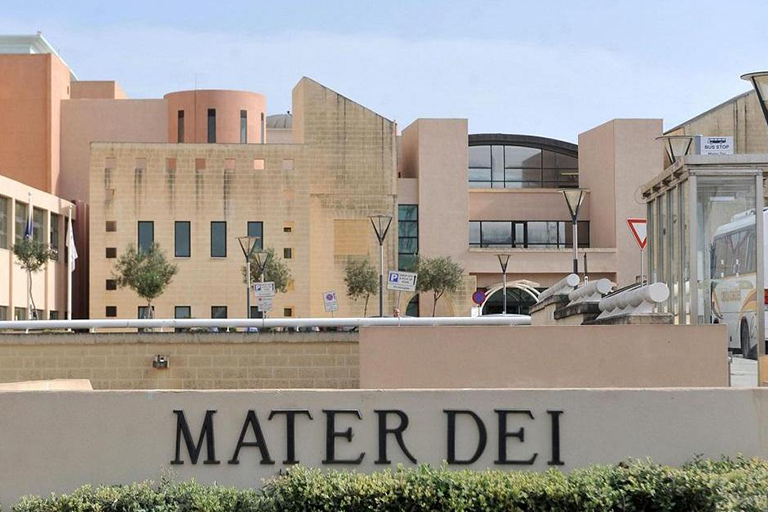
A major healthcare infrastructure project intended to expand Malta’s Mater Dei Hospital and replace Mount Carmel’s psychiatric facility has encountered yet another setback. The only contractor that submitted a bid for the €80 million government tender has formally objected to its cancellation, plunging the already overdue project into further uncertainty.
The objection, filed by CE-BB Projects—a consortium led by CE Installations and Bonnici Brothers—has now triggered a legal process before the Public Contracts Review Board (PCRB), delaying the project by many more months, if not years. This development compounds the strain on Malta's healthcare system, particularly the overcrowded Mater Dei emergency department, which continues to struggle with excessive patient demand.
A critical healthcare expansion caught in controversy
The dual-purpose project was intended to relieve pressure on Mater Dei Hospital’s emergency unit and replace the outdated Mount Carmel mental health facility with a modern, purpose-built extension. The project, however, has been marred by a procurement dispute that threatens to derail any immediate progress.





















Despite the project's urgency and an official government estimate placing the cost at €80 million, the sole bid submitted came in at €136 million—over 70% higher than expected. CE-BB Projects, the consortium behind the offer, claimed the government's cost estimate was grossly outdated and failed to reflect current market realities.
After the Ministry for Health decided to withdraw the tender citing the excessively high bid, CE-BB Projects responded by lodging an official protest against the cancellation. The consortium now seeks to halt the cancellation process and compel the government to award them the contract or at least re-evaluate their bid in a transparent manner.
Consortium raises allegations of poor governance
In its legal filing, CE-BB Projects accused the government of engaging in discriminatory practices and failing to adhere to principles of transparency and good governance. The consortium also alleges that the cancellation was arbitrary and that they were denied a fair evaluation process, particularly since they were the sole bidders.
Their legal team has requested the PCRB to review the government’s actions and rule that the cancellation constitutes a breach of public procurement regulations. Furthermore, they are asking the board to hold the Health Ministry accountable and to instruct the award of the contract in their favour.
They argue that while their bid was higher than the original estimate, this should not automatically disqualify them from consideration, especially since no other bids were submitted and the state of emergency care infrastructure is already in critical condition.
Links to political figures raise additional scrutiny
The dispute has taken on added complexity due to the political and personal connections of the consortium members. Bonnici Brothers, a major partner in the consortium, is publicly recognised for its longstanding association with Prime Minister Robert Abela. The company has been awarded numerous multimillion-euro government tenders and direct orders in recent years.
Gilbert Bonnici, the company’s managing director, was previously involved in property development ventures with the Prime Minister. CE Installations, the other partner in the joint bid, is owned by a Labour Party councillor from Naxxar. These associations have raised questions about potential conflicts of interest, even if no formal allegations of wrongdoing have been proven.
Given the sensitivities surrounding the case, these affiliations have prompted some to question the impartiality of the tendering and evaluation processes, even though the cancellation of the tender itself could suggest that such affiliations did not guarantee success.
Delays expose wider problems in health infrastructure planning
The stalled Mater Dei project is not an isolated case. According to sources within the Foundation for Medical Services (FMS), which prepared the original budget estimate, the current fiasco reflects deeper structural issues in how healthcare infrastructure projects are planned and executed.
A senior source at FMS, speaking on condition of anonymity, described the situation as “a direct result of mismanagement and outdated planning.” The source pointed out that inflation, supply chain volatility, and new construction standards were not accounted for in the project’s original costings.
Health infrastructure initiatives across Malta have been plagued by chronic delays. One notable example is the Paola Hub, a smaller regional healthcare facility intended to decentralize patient care. Although the project was originally slated for completion in 2022, it has yet to be finalised. In an apparent effort to project progress, Health Minister Jo Etienne Abela inaugurated a limited section of the €40 million facility, claiming that the rest would be opened incrementally over time.
Other healthcare promises remain unfulfilled
Other major projects remain in limbo, raising broader concerns about Malta’s ability to deliver essential public health infrastructure within promised timeframes. Plans for the new Gozo General Hospital and the long-anticipated renovation of Mount Carmel Hospital remain largely undeveloped, with progress limited to early design or planning phases.
The ongoing delays affect not only patient care but also the morale of healthcare workers and the broader public perception of institutional accountability. With the population growing and demand for medical services increasing, these setbacks risk undermining trust in government capabilities.
Legal process to stall new tendering
Now that CE-BB Projects has filed a formal objection, the PCRB must review the case before any further action can be taken by the government. This process could take several months, during which time no new tenders may be issued. If the board rules in favor of the consortium, the government could be legally compelled to reconsider the original bid or to compensate the consortium for costs incurred.
Regardless of the outcome, the time lost in resolving the dispute will further delay the badly needed expansion of Mater Dei’s emergency department. This adds to the strain already placed on medical personnel and the thousands of patients who depend on timely, life-saving services.
Political and legal implications
While the legal dispute remains centered on public procurement rules, its political implications are far-reaching. The involvement of business interests with personal links to senior government officials has added to public concerns about transparency and fairness in public contracting.
Opposition parties have been quick to seize upon the delays as evidence of systemic dysfunction within the Health Ministry. Calls for an independent review of the entire tendering process have been echoed by civil society groups concerned about long-term healthcare planning.
At the same time, the government maintains that it acted in the public interest by refusing to overpay for a single-bid contract, particularly one so far above budget estimates. However, critics argue that such problems could have been avoided with proper foresight, market analysis, and contingency planning.
Conclusion
The Mater Dei emergency expansion project was supposed to be a cornerstone of Malta’s healthcare development strategy. Instead, it has become a case study in bureaucratic inefficiency, political entanglement, and legal wrangling. Until the legal challenges are resolved and a clear procurement path is established, patients and healthcare workers will continue to bear the cost of institutional shortcomings.
FAQs
What is the Mater Dei Hospital extension project?
It is a government-led initiative to expand the emergency department of Mater Dei Hospital and to construct additional facilities to replace the Mount Carmel psychiatric hospital.
Why was the tender for the project cancelled?
The tender was cancelled after the only bid received was significantly higher than the government’s estimated cost, raising concerns about feasibility and value for money.
Who submitted the only bid?
The sole bid was submitted by CE-BB Projects, a consortium made up of Bonnici Brothers and CE Installations.
How much was the bid compared to the estimate?
The consortium offered to complete the project for €136 million, whereas the Health Ministry had estimated the cost at €80 million.
Why has the consortium objected to the cancellation?
They argue the cancellation was discriminatory and lacked transparency, and they have asked the Public Contracts Review Board to overturn the decision.
What impact will the objection have on the project timeline?
The legal process could take several months or more, during which the government cannot issue a new tender, further delaying the project.
Are there political ties associated with the bidding companies?
Yes, Bonnici Brothers has been linked to the Prime Minister, and CE Installations is owned by a local Labour councillor, raising concerns about potential conflicts of interest.
What other health infrastructure projects are delayed?
Projects such as the Paola Hub, Gozo General Hospital, and Mount Carmel Hospital rehabilitation have all experienced significant delays.
What is the role of the Foundation for Medical Services?
FMS is responsible for planning and managing government health projects and was the body that prepared the original estimate for this tender.
What is likely to happen next?
The PCRB will review the complaint, and based on its ruling, the government may be required to reconsider the bid or start the process anew.

Anna Amstill
I am an avid Blogger and Writer with more than 6 years of experience with Content Writing. An Online Marketing expert specializing in Blog writing, Article writing, Website content, SEO specific Keyword content and much more. Education B.A. - business management, York University, Canada, Graduated 2016.