Mater Dei Hospital €120M contract sparks Malta procurement concerns

A growing political dispute has emerged in Malta following the government’s decision to award a €120 million direct order for the extension of Mater Dei Hospital. The Opposition has raised a series of concerns regarding transparency, adherence to procurement procedures and the broader implications for public accountability.
At the centre of the controversy are Prime Minister Robert Abela and Finance Minister Clyde Caruana, both of whom have been called upon to clarify the circumstances surrounding the award. The project itself is significant in scale and importance, involving the expansion of healthcare infrastructure and the allocation of substantial public funds, including contributions linked to European Union financing mechanisms.
Opposition calls for transparency and procedural clarity
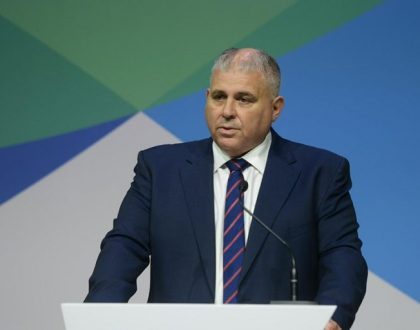
The Opposition, led by Alex Borg, has intensified its scrutiny of the decision-making process. Borg has argued that the public is entitled to a full and transparent explanation of how such a high-value contract was granted without a competitive tendering process.





















In remarks made in response to inquiries, Borg questioned what he described as a sudden urgency behind the issuance of a direct order. He suggested that such urgency should be clearly justified, particularly when it results in the bypassing of established procurement frameworks designed to ensure fairness and equal opportunity.
According to Borg, public procurement rules exist to safeguard integrity in the use of taxpayer funds. Any deviation from these rules, he indicated, should be supported by clear legal and procedural grounds. He further emphasised the importance of maintaining a level playing field for all market participants, noting that procurement processes must not be perceived as favouring specific entities.
Concerns regarding potential conflicts and relationships
Additional concerns have been raised regarding the entities involved in the awarded contract. The direct order was granted to a consortium led by Bonnici Brothers, a firm that has previously undertaken major public infrastructure projects.
The Opposition has highlighted past business associations involving individuals connected to the consortium. In particular, references have been made to historical business links between the company’s leadership and Prime Minister Robert Abela. While such associations do not in themselves establish wrongdoing, critics argue that they underscore the need for heightened transparency and robust safeguards against perceived conflicts of interest.
The consortium also includes CE Installations, which has been noted in public discussions due to its ownership structure and connections within local political circles. These elements have contributed to a broader debate about governance standards and the perception of impartiality in public contracting.
Financial considerations and value for money
Questions have also been raised about the financial aspects of the project. The original estimate for the hospital extension was reported at approximately €80 million. However, the direct order ultimately issued amounts to €120 million, representing a significant increase.
Adrian Delia, speaking on behalf of the Opposition, has called for a detailed explanation of how the revised cost was calculated. He stressed the importance of ensuring that public expenditure delivers value for money and aligns with both national and European financial oversight standards.
Delia further noted that projects financed in part through European Union funds are subject to strict procurement rules. These rules are intended to promote competition, transparency and efficiency. As such, any deviation from standard procedures may require additional justification and oversight to ensure compliance.
Background to the procurement process
The current situation follows a sequence of developments related to an earlier public tender issued in 2024. That tender sought bids for the expansion of Mater Dei Hospital but reportedly attracted only one submission, from the same consortium now awarded the direct order.
The bid submitted at the time amounted to €136 million, significantly exceeding the government’s initial estimate. In response, the Health Ministry cancelled the tender in 2025, citing concerns over cost.
Subsequently, the consortium challenged the cancellation before the Public Contracts Review Board, arguing that the original cost estimates were not realistic and that the cancellation lacked sufficient transparency. The appeal remains under consideration, with no final determination publicly confirmed.
Despite the ongoing review process, the government proceeded to issue a direct order to the same consortium at a reduced value of €120 million. This sequence of events has contributed to the current debate, particularly regarding procedural consistency and legal compliance.
Silence from key officials raises further questions
Efforts by media outlets to obtain clarification from government officials have reportedly not yielded responses. Both Finance Minister Clyde Caruana and Health Minister Jo Etienne Abela have not publicly addressed detailed questions regarding the decision.
This absence of comment has been cited by critics as a factor contributing to uncertainty and speculation. In matters involving substantial public expenditure, timely communication is often regarded as essential to maintaining public trust.
EU funding and regulatory implications
A key dimension of the issue relates to the involvement of European Union funds in financing the project. Projects supported by EU funding are typically subject to stringent procurement directives that emphasise open competition and transparency.
Observers have noted that the use of a direct order in such circumstances may require specific legal justification. Compliance with EU procurement standards is essential not only for regulatory purposes but also for safeguarding continued access to funding.
While no formal determination has been publicly reported regarding compliance in this case, the matter underscores the importance of aligning national procedures with broader European frameworks.
Broader context of public contracting in Malta
The case has also prompted renewed discussion about public contracting practices in Malta. In recent years, large-scale infrastructure projects have attracted attention due to their financial scale and strategic importance.
Companies such as Bonnici Brothers have secured multiple contracts across various sectors. While such outcomes may reflect technical expertise and capacity, they also highlight the need for transparent processes that reinforce confidence in public institutions.
Maintaining a balance between efficiency in project delivery and adherence to procedural safeguards remains a central challenge for policymakers.
Implications for healthcare infrastructure
Beyond the political and procedural dimensions, the project itself is intended to deliver tangible improvements to Malta’s healthcare system. The planned extension of Mater Dei Hospital includes the expansion of the emergency department and the development of facilities linked to the replacement of Mount Carmel Hospital.
These developments are expected to address capacity constraints and enhance the quality of care. However, the effectiveness of such initiatives ultimately depends not only on their execution but also on the integrity of the processes through which they are delivered.
Conclusion
The €120 million direct order for the expansion of Mater Dei Hospital has become a focal point for wider discussions about governance, procurement integrity and public accountability in Malta. While the project itself addresses important healthcare needs, the circumstances surrounding its award have raised legitimate questions that merit careful consideration.
The concerns expressed by the Opposition highlight the importance of transparency and adherence to established procedures, particularly when significant public funds and EU resources are involved. At the same time, it is essential to recognise that ongoing reviews and potential clarifications may further shape the understanding of this case.
Ultimately, maintaining public trust requires clear communication, consistent application of procurement rules and a commitment to accountability at all levels of decision-making. As the situation develops, the emphasis will likely remain on ensuring that both the process and the outcome meet the highest standards of governance.
FAQs
What is the Mater Dei Hospital project about?
The project involves expanding Mater Dei Hospital’s emergency department and adding new healthcare facilities to improve capacity and services in Malta.
Why is the €120 million contract controversial?
Concerns have been raised about the use of a direct order instead of a competitive tender and whether procurement rules were fully respected.
Who awarded the contract?
The Maltese government awarded the contract under the leadership of Prime Minister Robert Abela and Finance Minister Clyde Caruana.
Which company received the contract?
The contract was awarded to a consortium led by Bonnici Brothers along with CE Installations.
What was the original estimated cost of the project?
The initial estimate for the project was approximately €80 million before costs increased.
Why was the original tender cancelled?
The government cancelled the earlier tender due to a higher-than-expected bid that exceeded initial cost projections.
Is the procurement process under review?
An appeal related to the original tender is still being considered by the Public Contracts Review Board.
Are EU funds involved in the project?
Yes, a significant portion of the project funding is linked to European Union financial mechanisms.
Why are EU rules important in this case?
EU-funded projects must comply with strict procurement rules that require transparency and open competition.
What are the broader implications of this case?
The case highlights the importance of transparency, accountability and adherence to procurement laws in public projects.

Anna Amstill
I am an avid Blogger and Writer with more than 6 years of experience with Content Writing. An Online Marketing expert specializing in Blog writing, Article writing, Website content, SEO specific Keyword content and much more. Education B.A. - business management, York University, Canada, Graduated 2016.
Related Posts


Spring travel trends favor Malta
April 10, 2026
Malta’s heritage in spring
April 8, 2026
Malta spring tourism campaigns
April 7, 2026