Matthew Doyle consultancy sparks Malta scrutiny

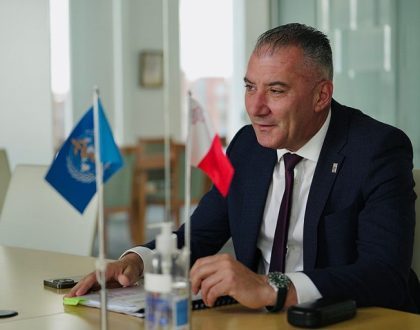
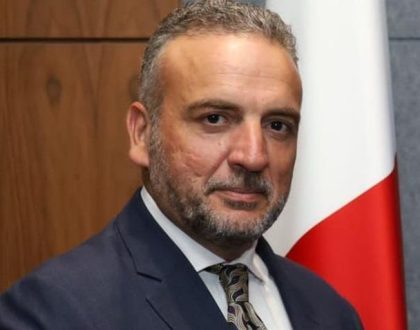
Matthew Doyle, a well-known former communications adviser to UK Labour leaders Tony Blair and Keir Starmer, has come under public and political scrutiny in Malta following revelations that he has been contracted as a part-time consultant for the Malta Film Commission. According to parliamentary information, Doyle is receiving €4,000 per month — a total of €28,000 over seven months — for a role described as promoting Malta’s film industry in the United States.
While such international promotional work is often justified as part of Malta’s broader strategy to attract film productions, the secrecy surrounding Doyle’s contract and the growing pattern of opaque spending within the Malta Film Commission have raised questions about accountability, governance, and the proper use of public funds.
Details of the consultancy
During a parliamentary session, Culture Minister Owen Bonnici confirmed that Doyle’s consultancy was awarded by Film Commissioner Johann Grech. However, he declined to disclose key details, including the number of hours Doyle is expected to work, whether the consultancy is ongoing, and the full scope of his contractual obligations.





















Bonnici justified his refusal to publish the contract details by citing confidentiality clauses. This decision has drawn criticism from opposition MPs and transparency advocates, who argue that public funds should be subject to public scrutiny, particularly in light of previous controversies involving the Commission’s expenditure.
It is understood that Doyle is not permanently based in Malta. Reports suggest he conducts most of his work remotely and visits the island infrequently. This has led to questions over the value of the consultancy arrangement, given the remuneration and the Commission’s limited public explanation of his deliverables.
Political background of Matthew Doyle
Doyle’s career background provides context for his appointment. A respected figure in UK political communications, he has served in senior roles under two Labour leaders. Under Tony Blair’s premiership, Doyle was part of the communications team at Downing Street, and later, he worked closely with Keir Starmer as a communications adviser.
His experience in strategic communication, media relations, and reputation management is extensive. Advocates of his consultancy in Malta might argue that such international expertise is valuable for promoting the island’s growing film industry. However, critics counter that the appointment process and the lack of transparency about deliverables undermine confidence in the arrangement.
The Malta Film Commission and past controversies
The Malta Film Commission has long positioned itself as a key driver of Malta’s creative economy, attracting major film productions through tax incentives and promotional campaigns. Yet, in recent years, the agency has faced repeated criticism for its handling of finances and the awarding of public contracts.
Commissioner Johann Grech, who has led the Commission since 2017, has been at the centre of several controversies. Multiple Freedom of Information (FOI) requests filed by journalists seeking details about the Commission’s spending have reportedly been refused. The refusals have reinforced perceptions of a lack of openness and accountability within the agency.
Particular attention has been drawn to the Commission’s annual Mediterrane Film Festival — a flagship cultural event intended to promote Malta as a filming destination. The festival’s reported cost of around €5 million per edition has raised eyebrows among both parliamentarians and civil society groups.
Concerns about public spending and procurement
Opposition MPs, including Nationalist Party MP Julie Zahra, have repeatedly called for greater transparency in the Commission’s operations. Zahra, who raised the parliamentary question that revealed Doyle’s consultancy payments, noted that the government has consistently declined to disclose full financial details of the Film Commission’s contracts and festivals.
Critics point out that several service providers linked to the Mediterrane Film Festival are believed to have previously worked with the Labour Party during election campaigns. While there is no evidence of wrongdoing, the perceived overlap between political networks and public contracts has fueled calls for an independent audit of the Commission’s procurement processes.
Earlier this year, reports indicated that a multi-million-euro contract for the festival was approved only after the event had already taken place — an irregularity that has amplified concerns about oversight. Despite repeated parliamentary questions, no detailed financial breakdown of the festival’s expenses has been made public.
Ministerial response and confidentiality
Culture Minister Owen Bonnici has maintained that the government acts within legal parameters regarding confidentiality and contract publication. He stated that certain consultancy agreements involve sensitive information that cannot be publicly disclosed without breaching contractual or privacy obligations.
Nonetheless, transparency advocates argue that such justifications must be balanced against the public’s right to know how taxpayer money is being spent. The Maltese government has previously faced criticism from both domestic and European watchdogs for its lack of transparency in public procurement, especially in the cultural and tourism sectors.
Broader implications for Malta’s film industry
Malta’s film industry has grown substantially over the past decade, with several major international productions — including Hollywood blockbusters — being shot on the island. This success is partly attributed to Malta’s attractive tax rebate system for foreign productions and the island’s scenic versatility.
However, the sector’s reputation risks being undermined if questions about financial integrity and accountability persist. The engagement of consultants such as Doyle, who possess international experience, could offer real value in global marketing and industry networking. Yet without transparent reporting, it becomes difficult for the public or Parliament to assess whether such contracts deliver measurable benefits.
Industry professionals have privately expressed frustration that the controversy surrounding the Film Commission distracts from the positive work being done by local filmmakers and production crews. They argue that stronger governance and clearer communication about how funds are allocated would help restore confidence in Malta’s creative institutions.
The pattern of opacity
The Malta Film Commission’s spending controversies appear to form part of a broader pattern within certain state agencies, where details of consultancy and promotional contracts are withheld on confidentiality grounds. Transparency International Malta and other watchdogs have repeatedly called for reforms to ensure that all public bodies adhere to consistent disclosure standards.
In the case of Doyle’s contract, the refusal to disclose working hours, specific deliverables, or performance metrics reinforces the impression that the Commission operates with limited oversight. Critics contend that such opacity risks eroding public trust and may hinder Malta’s efforts to position itself as a credible and well-governed film hub in the Mediterranean.
Public accountability and next steps
Calls for reform have intensified. Opposition MPs and civil society groups are urging the government to introduce stronger auditing mechanisms and to ensure that all consultancy contracts financed by public funds are published with full details, except in cases where legitimate confidentiality applies.
There have also been suggestions that Parliament should strengthen its oversight role by requiring agencies like the Malta Film Commission to submit detailed annual spending reports. Proponents argue that such measures would help strike a fair balance between commercial sensitivity and the public interest.
As of now, it remains unclear whether Doyle’s consultancy is ongoing or has concluded. No public statement has been issued by Doyle or the Film Commission clarifying his specific contributions to Malta’s international film promotion efforts.
Conclusion
The case of Matthew Doyle’s consultancy highlights a recurring tension in Malta’s public administration — the balance between legitimate confidentiality and the need for transparency in the use of taxpayer funds. While there is no indication of illegality or misconduct, the refusal to disclose key contractual details has fueled suspicion and frustration among those calling for greater accountability.
Malta’s growing film industry stands at a crossroads: it continues to attract international attention and investment, yet risks reputational damage if governance issues are not addressed decisively. Ensuring transparent processes, open reporting, and independent auditing could go a long way toward restoring public trust and safeguarding the integrity of Malta’s cultural institutions.
FAQs
What is Matthew Doyle’s role with the Malta Film Commission?
He serves as a part-time consultant focusing on promoting Malta’s film industry in the United States.
How much is Doyle being paid for his consultancy?
He receives €4,000 per month, amounting to €28,000 over a seven-month period.
Who awarded Doyle’s consultancy contract?
The contract was awarded by the Malta Film Commissioner, Johann Grech.
Why has the government refused to publish the contract?
Culture Minister Owen Bonnici cited confidentiality clauses as the reason for withholding the details.
Is Matthew Doyle based in Malta?
No, he is understood to be based outside Malta and visits the island infrequently.
Why is the Malta Film Commission facing criticism?
The Commission has been criticized for a lack of transparency in spending and the management of its festivals and consultancy contracts.
What is the Mediterrane Film Festival?
It is an annual event organized by the Malta Film Commission to promote Malta as a filming destination, reportedly costing around €5 million.
Have the Opposition or watchdogs called for an investigation?
Yes, Opposition MPs and transparency organizations have urged greater scrutiny and independent audits of the Commission’s finances.
Has Doyle commented publicly on his consultancy?
As of now, no public statement has been made by Doyle regarding his work for the Malta Film Commission.
What steps could improve transparency in Malta’s film sector?
Publishing full spending reports, auditing contracts, and standardizing disclosure rules across public agencies could enhance accountability.

Anna Amstill
I am an avid Blogger and Writer with more than 6 years of experience with Content Writing. An Online Marketing expert specializing in Blog writing, Article writing, Website content, SEO specific Keyword content and much more. Education B.A. - business management, York University, Canada, Graduated 2016.