MICAS opening event sparks controversy over high costs

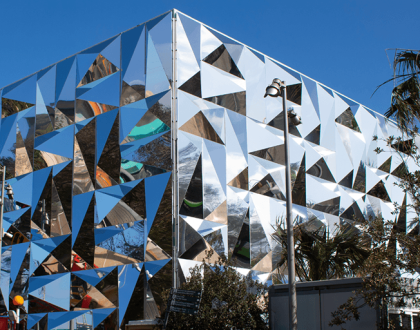
The Malta International Contemporary Art Centre (MICAS) held its grand opening event in Floriana last October, an event intended to highlight the significance of Malta’s cultural achievements. The occasion, celebrated at the historic Osipizio site in Floriana, marked the completion of a long-awaited project meant to serve as a premier venue for contemporary art. However, instead of garnering universal praise, the event has become the subject of significant public scrutiny. Revelations about the exorbitant costs and lack of financial transparency surrounding the event have sparked widespread debate and criticism.
Through a Freedom of Information request, it was revealed that taxpayers bore a staggering cost of €225,000 for the event, with expenses allocated through direct orders. This article provides an in-depth analysis of the event’s financial breakdown, explores the concerns it raised, and examines the implications for Malta’s cultural governance.
A Closer Look at the Costs Incurred
Major Beneficiaries of Direct Orders
One of the most controversial aspects of the MICAS opening event was the issuance of direct orders to a handful of vendors, bypassing standard public procurement procedures. The Entertainment Company (TEC) Ltd, a leading event management company with ties to the Labour Party, emerged as a primary beneficiary. Owned by Charles Magro, TEC Ltd received a lucrative direct order worth €79,000 to handle the logistics and setup for the event.





















In addition, another of Magro’s companies, iCrete Ltd, was paid €1,000 for its involvement in the event. Critics argue that these payments reflect a troubling lack of transparency in the allocation of public funds and raise questions about favoritism and accountability.
Catering and Hospitality Expenses
The event’s catering expenses were equally eye-catching, with a sum of approximately €80,000 spent on food and beverages. These services were provided by Taste History, a subsidiary of Heritage Malta. The scale of the expenditure, especially for a two-hour event, has fueled criticism about the necessity and prudence of such lavish spending.
Entertainment and Creative Contributions
Entertainment accounted for another significant portion of the event’s budget. A total of €45,000 was spent on performances, highlighting the emphasis placed on providing a memorable experience for attendees. Portuguese photographer Lionel Balteiro was paid over €7,000 to capture the event through his lens. Meanwhile, artist and PBS board member Ray Calleja received €5,000 for curating the event.
Interestingly, not all contributors were compensated equally. Keane Cutajar, the son of Nationalist Party whip Robert Cutajar, served as the event’s host for a modest fee of €177. This stark disparity in payments has drawn attention to how contributors were valued differently.
The Long Journey of MICAS: Delays and Budget Overruns
The MICAS project was envisioned as a landmark for contemporary art in Malta, a cultural hub capable of attracting international attention and nurturing local talent. However, its journey from concept to completion was anything but smooth. Initially slated for completion years earlier, the project was delayed by more than three years and overshot its original budget by millions.
While the opening event was meant to celebrate the culmination of this ambitious project, the controversies surrounding its execution have largely overshadowed its intended cultural significance. Instead of focusing on the artistic and cultural potential of MICAS, public discourse has been dominated by concerns over financial mismanagement and a lack of accountability.
Public Outcry and Concerns Over Transparency
Widespread Criticism of Extravagant Spending
The high costs associated with the MICAS opening event have drawn criticism from across the political spectrum, as well as from members of the general public. Many have questioned whether such lavish spending was justified, particularly when funded by taxpayers. Critics argue that public funds could have been used more effectively, especially considering Malta’s broader economic challenges.
Issues with Direct Orders
The decision to allocate substantial sums through direct orders has emerged as a major point of contention. This practice, which bypasses the competitive bidding process, is seen by many as undermining transparency and accountability in public spending. Observers have called for stricter regulations to ensure that future events and projects adhere to more robust procurement procedures.
Defending the Event
In response to the criticism, MICAS chairperson Phyllis Muscat and other organisers have defended the expenditures, emphasizing the importance of investing in Malta’s cultural identity. They argue that events like the MICAS opening are vital for positioning Malta as a global cultural hub and for promoting its artistic heritage. However, this defence has done little to quell public frustration, as many feel that the event’s costs far exceeded what was reasonable or necessary.
MICAS: A Vision for Malta’s Cultural Future
Despite the controversies surrounding its opening, MICAS holds significant potential to contribute to Malta’s cultural landscape. The centre is expected to host international exhibitions, provide a platform for local artists, and foster a deeper appreciation for contemporary art among the Maltese public.
To realise its vision, however, MICAS must address the concerns raised by its critics. Ensuring transparency in its operations, maintaining fiscal responsibility, and engaging with the public will be crucial in building trust and demonstrating the value of investing in the arts. By doing so, MICAS can fulfil its promise of becoming a cornerstone of Malta’s cultural and artistic identity.
Conclusion
The MICAS opening event has highlighted both the cultural ambitions and the contentious spending practices associated with Malta's public projects. While the centre represents a significant milestone for contemporary art in Malta, the controversies surrounding its costs and transparency have overshadowed its potential. Moving forward, MICAS must strive to rebuild public trust by adopting transparent practices and ensuring that its cultural mission aligns with responsible financial governance. Only then can it truly serve as a beacon of artistic excellence and a source of pride for the Maltese people.
FAQs
What is the Malta International Contemporary Art Centre (MICAS)?
The Malta International Contemporary Art Centre (MICAS) is a cultural institution dedicated to showcasing contemporary art through exhibitions and events.
Why has the MICAS opening event faced criticism?
The event drew criticism due to its high costs, lack of financial transparency, and reliance on direct orders for allocating public funds.
Who benefited most from the MICAS event?
The Entertainment Company (TEC) Ltd, owned by Charles Magro, was a major beneficiary, receiving €79,000. Other beneficiaries included Taste History and Lionel Balteiro.
How much was spent on catering and entertainment?
Approximately €80,000 was spent on food and beverages, while €45,000 was allocated for entertainment.
What are the criticisms regarding direct orders?
Critics argue that awarding direct orders without competitive bidding undermines transparency and raises concerns about favoritism and accountability.
What is the purpose of MICAS?
MICAS aims to promote contemporary art, host international exhibitions, and support local artists while contributing to Malta’s cultural development.
How can MICAS address public concerns?
By ensuring transparency, fiscal responsibility, and accountability, MICAS can rebuild public trust and demonstrate the value of public investment in the arts.
Who organised the opening event?
The event was organised under the leadership of MICAS chairperson Phyllis Muscat.
What was the cost of the MICAS project overall?
The MICAS project faced significant delays and cost overruns, with its total expenses exceeding initial budget estimates by millions.
How does MICAS plan to impact Malta’s culture?
MICAS seeks to establish Malta as a cultural hub, foster local artistic talent, and enhance the country’s reputation in the international art scene.

Ash
I like to keep it short. I am a writer who also knows how to rhyme his lines. I can write articles, edit them and also carve out some poetic lines from my mind. Education B.A. - English, Delhi University, India, Graduated 2017.